

A newborn’s first bottles often bring a surprising mix of hesitation, spilled milk, trapped air, and the need to wash everything at odd hours. The right bottle can make feeds calmer by controlling airflow, supporting a steady pace, and fitting cleanly into your daily routine. You’ll find options here for breastfed babies, pumping parents, small kitchens, and caregivers who prioritize easy cleaning.
The Choices Worth Comparing

Dr. Brown’s Anti-Colic Options+ Wide-Neck Baby Bottle 9oz

Evenflo Feeding Glass Proflo Vented Plus Bottles 8oz
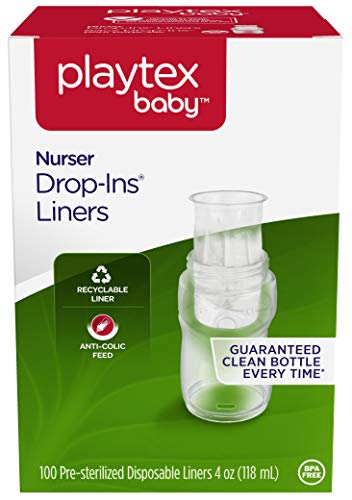
Playtex Baby Nurser Pre-Sterilized Disposable Bottle Liners 4oz

Lansinoh Glass Baby Bottles Anti-Colic 8oz 2 Count

Thyseed Anti-Colic Glass Baby Bottle Extra Slow Flow 5oz

Thyseed Anti-Colic Glass Baby Bottle Slow Flow 8oz 2 Pack

Thyseed PPSU Anti-Colic Baby Bottle Extra Slow Flow 5oz
Dr. Brown’s 9-ounce Options+ bottle is built around a wide neck and an internal vent system, a design that moves air away from the milk while the baby feeds. For a newborn whose feeds involve frequent burping or noticeable fussiness, that venting is a meaningful reason to start with this model. You may find the larger opening easier to fill and inspect than a narrow-neck bottle.
The bottle includes a silicone nipple shaped to resemble the breast, which suits breastfed babies moving between nursing and bottle feeding. It also includes two bottles and Level 1 nipples, giving you a spare during the middle-of-the-night wash cycle. Compared with the Evenflo Proflo Vented Plus, Dr. Brown’s offers a wider neck and a two-pack rather than a six-bottle set.
A Few Highlights
- Internal venting helps reduce the air intake associated with gas, burping, and spit-up.
- Breast-like nipple shape supports a more familiar latch for combo-feeding households.
- The 9-ounce capacity works for many early formula portions without becoming oversized.
- Dishwasher-safe construction and a 2-pack simplify rotation and cleaning.
Things To Consider
- The wide neck may require a separate bottle brush and more counter space during drying.
- Only two bottles are included, so regular formula feeding may call for additional bottles.
At A Glance
Who It Suits Best
You’ll appreciate this bottle most as a caregiver of a breastfed newborn who wants a familiar latch, a vented design, and a manageable 9-ounce size.
Where Another Pick Suits Better
The Evenflo Feeding Glass Proflo Vented Plus Bottles may suit pumping families better because they hold six bottles and fit many standard breast pumps.
Evenflo’s 8-ounce glass bottle takes a practical approach to newborn feeding, with a vented design, an easy-to-hold shape, and six bottles in the set. A larger household rotation matters when you’re preparing several feeds during the day, especially if every bottle must be washed before reuse. The glass body also feels more substantial in your hand than the lightweight PPSU option from Thyseed.
Its one-piece venting system is designed to keep bubbles in the bottle rather than in the baby’s stomach, which may help reduce the discomfort associated with gas, reflux, and fussiness. The same bottle can be used for pumped milk because it fits most standard-neck breast pumps. That makes this a sensible fit for families combining nursing, pumping, and bottle feeding.
What It Does Well
- Six 8-ounce bottles support a generous rotation during the day.
- Glass construction feels sturdy and is recyclable.
- Only three pieces per bottle, making assembly and washing straightforward.
- Standard-neck compatibility works with many common breast pumps.
- The contoured shape offers a comfortable grip during longer feeds.
Trade Offs
- Glass is heavier than PPSU and needs careful handling around hard surfaces.
- The 8-ounce size may feel larger than necessary for some smaller newborn portions.
Quick Facts
Made For
This set is well suited to pumping families and busy caregivers who want a large bottle rotation with direct breast-pump compatibility.
Consider Something Else When
Dr. Brown’s Anti-Colic Options+ Wide-Neck Baby Bottle is a more portable choice when two bottles and a wider opening suit your setup better.
Playtex Nurser liners take a different route to newborn feeding: instead of washing a rigid bottle after every use, you replace the inner liner. The 4-ounce size suits small portions, while the 100-count pack reduces the chance of running out during a week of frequent feeds. The disposable format is especially appealing during travel or when your washing area is already crowded.
The liners are designed to behave more like the breast during feeding, which can help babies move between nursing and bottle feeding with less fuss. They are also intended to reduce gas and colic-related discomfort, although the result depends on the fit of the liner, the bottle, and your baby. Unlike the glass options here, this system is not a complete reusable bottle set.
Key Advantages
- Pre-sterilized liners reduce the number of bottle parts you need to wash.
- The 100-count pack supports a steady supply of replacements.
- Breast-like liner behavior suits babies familiar with nursing.
- Disposable use keeps travel and overnight feeding simpler.
Minor Gripes
- You need a compatible Playtex Nurser bottle to use the liners.
- Disposable liners create ongoing replenishment needs rather than a one-time bottle purchase.
- The 4-ounce capacity is smaller than several other options in this list.
The Right Fit
You’ll find this system useful when your priority is reducing bottle washing and you already use a compatible Playtex Nurser bottle.
Another Choice May Suit
The Evenflo Feeding Glass Proflo Vented Plus Bottles suit you better when you want a complete six-bottle set you can wash and reuse.
Lansinoh’s glass bottles focus on the nipple, with a wide, gentle slope designed to shape around a baby’s mouth. For a caregiver moving between breast and bottle, that familiar shape may make latch adjustments less frustrating. The nipple also stretches with sucking so milk can arrive at the baby’s rhythm rather than a fixed pace.
This set includes two 8-ounce bottles with Size M, medium-flow nipples labeled for 3 to 6 months. That makes it a practical fit for babies moving beyond the earliest newborn stage, though the flow choice deserves attention if your baby is just beginning to bottle feed. The vented nipple is designed to limit air intake, and the glass body is free of BPA and BPS.
Strengths Worth Knowing
- Wide, flexible nipples support a gentle latch during breast-to-bottle transitions.
- Medium-flow nipples suit babies in the 3-to-6-month range.
- Glass construction handles boiling and sterilization routines.
- The two-bottle set gives you a simple rotation for home or travel.
Points To Note
- The included medium flow may be faster than the pace some brand-new newborns prefer.
- Glass adds weight compared with the PPSU Thyseed bottle.
Technical Sheet
Who Will Love This
This set suits caregivers of babies around 3 to 6 months who value a wide-slope nipple, glass construction, and a gradual transition between nursing and bottle feeding.
Reach For A Different Pick When
The Thyseed Anti-Colic Glass Baby Bottle Extra Slow Flow is a better fit for a newborn who needs the slowest flow in this group.
The 5-ounce Thyseed bottle is built for the earliest stage of bottle feeding, with an extra-slow-flow, breast-like nipple intended for babies from birth. The small capacity is useful when portions are still short and caregivers want a bottle that feels manageable in one hand. Its base vent is designed to separate air from milk and reduce the bubbles that can contribute to gassy, unsettled feeds.
Multiple tiny openings in the nipple are intended to deliver milk more evenly and reduce gulping. That makes this a more focused choice than the Lansinoh set, whose medium-flow nipples are marked for older babies. You may appreciate the simpler one-bottle format while establishing a feeding routine, although a second bottle can be useful for rotation.
Notable Upsides
- Extra-slow flow gives new feeders a gentler starting pace.
- The 5-ounce size works well for smaller newborn portions.
- Base venting is designed to reduce swallowed air and bubbles.
- Micro-openings in the nipple support a more even milk flow.
Possible Compromises
- The single-bottle pack may not provide enough rotation for frequent feeding.
- The smaller capacity may need replacing as formula portions increase.
Feature Snapshot
Built With In Mind
This bottle is designed for breastfed newborns and first-time caregivers who want a small capacity with an extra-slow nipple.
Where A Sibling Pick Shines
The Dr. Brown’s Anti-Colic Options+ Wide-Neck Baby Bottle offers more practical value for a household that needs two bottles from the start.
This 8-ounce, two-pack is positioned for babies past the earliest newborn stage, using a slow-flow breast-like nipple for babies labeled 3 months and older. The larger capacity gives you more room for typical formula portions, while the pair supports a simple rotation. That makes it a logical step-up from the smaller 5-ounce extra-slow bottle rather than a direct replacement.
Thyseed’s base vent separates air from the milk to limit bubbles and swallowed air, and the nipple’s small openings are designed to smooth the flow. You’ll notice the same core venting approach as the 5-ounce model, but with a different flow rate, capacity, and pack size. Those differences make this set easier to use once feeding sessions begin to include larger amounts.
Practical Pluses
- Two 8-ounce bottles provide enough capacity for larger formula portions.
- Slow flow supports a gentler pace than a medium-flow nipple.
- Base venting is designed to reduce air and bubble-related discomfort.
- Glass bodies suit households that already rotate through reusable bottles.
Details To Watch
- The slow-flow nipple is labeled for 3 months and older, rather than birth.
- Two glass bottles take more space to store than a single lightweight bottle.
Best Suited To
You’ll find this pair useful once your baby is around 3 months old and 8-ounce formula portions fit your routine.
Swap It Out When
The Thyseed Anti-Colic Glass Baby Bottle Extra Slow Flow is the stronger choice for a newborn still starting with small portions.
PPSU is a lightweight plastic material, and that difference makes the Thyseed PPSU bottle easier to pack than the glass models in this roundup. At 5 ounces with an extra-slow, breast-like nipple, it focuses on newborn-sized portions and a gentle pace. You may find it well suited to overnight bags, daycare totes, or travel where carrying several glass bottles feels awkward.
The patented base vent is designed to keep air out of the milk for smoother feeding, while the soft silicone nipple supports a natural latch for breastfed babies. Unlike the Playtex liner system, this is a complete bottle rather than a disposable insert, so it avoids the need to keep replacing liners. The trade-off is that you still need to wash the bottle after use.
What Earns Its Place
- Lightweight PPSU construction suits travel and small bags.
- Extra-slow flow is intended for newborns and breastfed babies.
- Base venting is designed to reduce gassiness, spit-up, and burping.
- The soft silicone shape supports a natural latch during combo feeding.
- The 5-ounce capacity keeps early formula portions compact.
Where It May Fall Short
- Only one bottle is included, so you may want a second for rotation.
- Glass models can feel steadier in your hand during longer feeds.
Core Details
Who Should Grab It
This bottle suits breastfed newborns and caregivers who prioritize a light body, a slow flow, and easy packing away from home.
Look Elsewhere When
The Playtex Baby Nurser Pre-Sterilized Disposable Bottle Liners suit you better when avoiding bottle washing matters more than using a complete reusable bottle.
What Matters Before You Fill the Bottle
The right bottle depends on your baby’s pace, your cleaning routine, and how often you plan to feed away from home. Start by matching the nipple flow to your baby’s stage rather than choosing on appearance alone. Extra-slow and slow flows suit many newborns, while medium flow can work better as a baby develops a stronger, more established feeding rhythm.
Nipple flow and latch
A nipple flow rate describes how quickly milk leaves the bottle. A breast-like shape helps with latch, but the shape alone does not determine flow, so check the stated age range and flow rating together. You may need to pause and let your baby finish before switching positions, especially with an extra-slow nipple.
Air control and feeding comfort
A vent system is designed to reduce vacuum and keep air from traveling through the milk. This can help with gas, fussiness, and frequent burping, although every baby responds differently. Bottle shape and nipple design work together, so a wide-neck vented bottle and a smaller PPSU bottle may feel quite different in practice.
Cleaning, pumping, and storage
Glass and PPSU both support reusable feeding routines, but glass needs more careful handling and storage space. Playtex liners reduce washing, while the Evenflo bottles are a stronger fit for pumping families because they accommodate many standard-neck pumps. Count how many bottles you need per day and allow enough drying space for the parts you sanitize.
Practical Details Across the Range
Common Shopping Slip Ups
Many mistakes begin with ignoring compatibility, so check whether a liner fits your existing bottle or a pump fits the bottle neck before ordering. Another easy mistake is choosing a fast or medium flow too early. A large bottle can also be unnecessary for a newborn, while a small bottle may become limiting once formula portions grow.
What The Higher Tier Buys
Higher-tier bottles tend to add specialized venting, shaped nipples, or lighter materials rather than simply increasing capacity. Those additions make sense when your baby has a strong latch, you travel frequently, or you want a larger reusable set. A simple bottle remains sensible when the priority is straightforward cleaning and a modest number of feedings each day.
Frequently Asked Questions for Bottles For Formula Feeding Newborn
What bottle size is best for a newborn?
A 4- to 5-ounce bottle usually fits many newborn formula portions without making the bottle unnecessarily large. Some babies quickly progress to 6- or 8-ounce bottles, so the amount your baby accepts matters more than a universal size.
Is a slow-flow nipple better for a newborn?
A slow or extra-slow nipple can suit newborns because milk arrives at a gentler pace. The right choice depends on your baby’s sucking strength and feeding behavior, so observe how comfortably the baby feeds and stays satisfied.
Are glass or PPSU bottles easier to use?
Glass feels sturdier and tolerates heat well, while PPSU is lighter and easier to carry. Glass suits home use with careful storage, whereas PPSU is convenient for travel, daycare, or frequent trips.
Do anti-colic bottles eliminate gas and spit-up?
Anti-colic bottles are designed to manage airflow and may improve comfort for some babies. They cannot guarantee that gas, spit-up, or fussiness will disappear, so you should also consider flow, feeding position, and your baby’s individual response.
Can you use the same bottles for pumped milk?
Many bottles can hold pumped milk, but fit varies by design. The Evenflo Feeding Glass Proflo Vented Plus Bottles fit most standard-neck breast pumps, while the other reusable bottles are better judged by their own openings and included parts.
Final Thoughts
The best fit usually comes down to three details: a flow your baby can manage, a vent that suits your feeding concerns, and a cleaning system you will actually maintain. Dr. Brown’s offers a familiar wide-neck approach, Evenflo provides a large pumping-friendly set, and Thyseed covers several flow, capacity, and material combinations. Take your time with the first few feeds, and change only what your baby’s behavior suggests needs adjusting.
