

A newborn’s feeding routine can feel surprisingly complicated, especially when you’re combining nursing with pumped milk or occasional bottle feeding. The right bottle needs a comfortable nipple, controlled milk flow, and a vent that keeps excess air out of the feed. These picks cover small-capacity sets, flexible plastic bottles, PPSU options, and glass designs for different home and travel routines.
An Overview Of The Picks
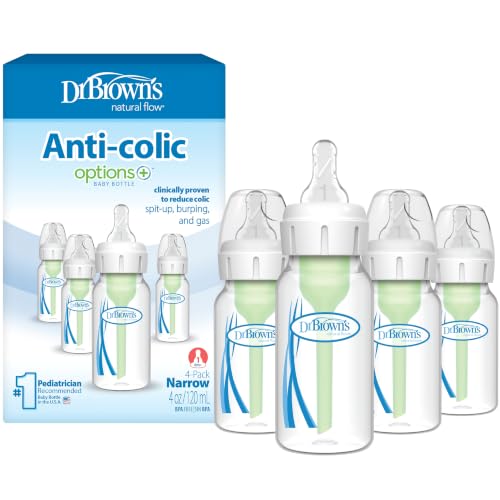
Dr. Brown’s Options+ 4 oz, 4-Pack

Lansinoh Anti-Colic 8 oz Bottles

Philips Avent Natural PPSU 9 oz Bottles

Lansinoh Anti-Colic Glass 8 oz Bottles

Philips Avent AirFree Anti-Colic 9 oz Bottle

Philips Avent Natural Glass 8 oz Bottle

Thyseed Anti-Colic Glass 5 oz Bottle
The Picks, Examined More Closely
A compact feeding station benefits from bottles that don’t take over the drying rack. Dr. Brown’s Options+ 4 oz bottles keep the capacity modest while giving you four units to rotate through home, daycare, or travel bags. That small format may suit newborns whose feeds are still developing.
The internal vent system separates air from the milk as the nipple maintains a steady flow, which can make paced feeding more manageable. Compared with the 8-ounce Lansinoh set, these bottles emphasize a smaller serving size and a narrower bottle shape, though the vent adds more parts to clean.
The Good Stuff
- The 4-ounce capacity suits small, frequent feeding sessions.
- The internal vent is designed to reduce swallowed air during feeds.
- A breast-shaped nipple supports a familiar latch during combination feeding.
- Four bottles provide a practical rotation for multiple locations.
Practical Considerations
- The vent system introduces additional pieces that require careful cleaning.
- Four-ounce bottles may need refilling more often during larger feeds.
- The narrow shape offers less capacity than the 8- and 9-ounce picks.
Key Specs
Who It Suits Best
You’ll appreciate this set most when your newborn takes small feeds and you need several portable bottles for a rotating care routine.
A Better Fit Elsewhere
Thyseed Anti-Colic Glass 5 oz Bottle offers a more deliberate extra-slow flow for caregivers prioritizing a newborn nipple pace.
A flexible nipple can make the move between nursing and bottle feeding feel less disruptive. The Lansinoh Anti-Colic 8 oz Bottles use a soft silicone nipple with a broad, gentle slope, while the venting system is designed to limit air entering the milk. That combination works well for mixed feeding routines.
Three bottles give you a useful rotation without the bulk of a larger glass set. The three-piece construction, excluding the cap, also keeps assembly straightforward, and the bottle bodies can move between the freezer and dishwasher for convenient cleanup.
Positive Points
- The flexible nipple tip stretches with the sucking motion to support a controlled pace.
- A vented system helps reduce air intake during nursing and bottle feeding.
- Freezer and dishwasher compatibility simplifies the daily rotation.
Points To Note
- The included medium-flow nipples are marked for ages 3 to 6 months, so check the flow against your newborn’s needs.
- Plastic is lighter to carry than the glass choices, although it may show wear sooner during heavy rotation.
Feature Snapshot
Built With In Mind
This set suits caregivers who want light, easy-clean bottles for home, daycare, and routine combination feeding.
Another Choice May Suit
Dr. Brown’s Options+ 4 oz, 4-Pack offers more individual bottles in a smaller capacity for travel and frequent rotation.
Durable plastic doesn’t have to mean a bulky, opaque bottle. Philips Avent Natural PPSU 9 oz Bottles use polyphenylsulfone, a heat-resistant plastic valued for being lightweight and less breakable than glass. The set includes two bottles for home or shared-care use.
The Natural Response nipple lets your baby control the milk flow, while the No-Drip design helps limit lost milk during everyday handling. Unlike the Avent Natural Glass 8 oz Bottle, this set trades the classic glass body for a lighter PPSU construction.
Everyday Advantages
- Lightweight PPSU is easier to handle during one-handed feeds.
- The No-Drip nipple helps reduce milk loss when the bottle is set down.
- Natural Response supports a breastfeeding-like pace for combination feeding.
- The wide, breast-shaped nipple encourages a familiar latch.
- An integrated valve is designed to keep air away from the milk.
Trade Offs
- The 9-ounce capacity may be more than your newborn needs for a single feed, so check the portion size and storage fit before buying.
The Main Details
Made For
You’ll find this set useful when you want a light, break-resistant bottle for combination feeding and regular nursery organization.
Swap It Out When
Dr. Brown’s Options+ 4 oz, 4-Pack is the more practical option when small portions and several portable bottles matter more than capacity.
A glass bottle brings a familiar heft and clear view of the milk level to your feeding setup. The Lansinoh Anti-Colic Glass 8 oz Bottles pair that body with a soft, broad-sloped nipple and a ventilation system designed to limit air intake. The result suits caregivers focused on a close transition between breast and bottle.
Two bottles make this a compact set rather than a full nursery collection. The borosilicate glass can withstand extreme temperatures, but the first-use boiling requirement adds a step you won’t have with the plastic Lansinoh set.
Key Advantages
- The soft, flexible nipple supports a familiar latch and baby-led pace.
- Borosilicate glass handles temperature changes and gives you a clear view of the remaining milk.
Details To Watch
- Glass needs more careful handling during travel and storage than the plastic picks.
- All glass parts should be boiled for at least five minutes before first use.
- The medium-flow Size M nipples are labeled for ages 3 to 6 months, making the flow a key check for newborn use.
Core Details
The Right Fit
This pair fits caregivers who want glass bottles, a familiar nipple shape, and a straightforward transition between nursing and bottle feeding.
Where A Sibling Pick Shines
Philips Avent Natural PPSU 9 oz Bottles offer a lighter body for travel and one-handed handling where glass feels cumbersome.
Some feeding positions leave more room for air to collect around the nipple. The Philips Avent AirFree Anti-Colic 9 oz Bottle is designed around that problem, with a vent that keeps the nipple filled with milk rather than air. That makes it a practical fit for caregivers who hold bottles at varied angles during feeds.
The AirFree system also allows the bottle to remain more horizontal without the nipple emptying into air, supporting a more upright feeding setup. Compared with the Philips Avent Natural PPSU 9 oz Bottles, this model centers its design on the vent rather than a premium plastic body or no-drip nipple.
Notable Upsides
- The AirFree vent is designed to reduce air entering the milk.
- The nipple stays filled with milk as the bottle angle changes.
- Upright feeding remains practical when the bottle is held horizontally.
- The 9-ounce capacity suits caregivers preparing larger portions.
The Fine Print
- Confirm that medium flow suits your baby and that a 9-ounce bottle fits your storage and feeding setup.
Feature Facts
Best Suited To
You’ll appreciate this bottle most when varied holding positions and a vent-focused design are central to your feeding routine.
Reach For A Different Pick When
Lansinoh Anti-Colic 8 oz Bottles offer three plastic bottles and dishwasher-safe care for families prioritizing rotation and simple cleanup.
Glass offers a clear view of the milk and a familiar shape for caregivers who move between nursing, pumping, and bottle feeding. The Philips Avent Natural Glass 8 oz Bottle uses borosilicate glass, a material designed to tolerate heating, cooling, washing, and sterilization.
Its soft, wide nipple has a breast-like shape, while the Natural Response design lets your baby control the flow. Unlike the Philips Avent Natural PPSU 9 oz Bottles, this option provides the classic glass construction and a more compact 8-ounce capacity.
Where It Helps
- Borosilicate glass supports refrigerator storage, warming, washing, and sterilization.
- The Natural Response nipple supports a pace controlled by the baby’s sucking motion.
- The wide, breast-shaped nipple helps with a familiar latch during combination feeding.
Possible Compromises
- Glass requires more careful handling during travel than the PPSU and plastic options.
- The 8-ounce bottle occupies more space than the 4-ounce and 5-ounce choices.
Whose Shelf It Belongs On
This bottle belongs in a home setup where you value clear visibility, simple material care, and a familiar nursing shape.
Look Elsewhere When
Philips Avent Natural PPSU 9 oz Bottles offer a lighter body for travel, one-handed handling, and use around a nursery with glass kept out of reach.
A slow nipple can make bottle feeding feel more like nursing for a newborn still learning the pace. The Thyseed Anti-Colic Glass 5 oz Bottle includes an extra-slow-flow nipple marked for newborns from birth. Its 5-ounce glass body sits neatly between the 4-ounce Dr. Brown’s bottles and the larger 8-ounce choices.
The base vent is designed to separate air from milk, while multiple small openings in the nipple create a steadier flow. That combination may appeal to caregivers of breastfed newborns who want a gentle transition without moving to a faster medium-flow nipple immediately.
The Case For It
- The extra-slow nipple is specifically marked for newborns from birth.
- Small nipple openings support a smooth, paced milk flow.
- The base vent is designed to reduce bubbles and swallowed air.
- The 5-ounce glass capacity suits small feeding sessions.
- A breast-like nipple shape supports familiar positioning during combination feeding.
Small Caveats
- The single-bottle pack means you may want additional units for a home-and-travel rotation.
- Glass needs careful handling and storage away from busy play areas.
Important Details
Who Should Grab It
You’ll find this bottle especially relevant when your breastfed newborn needs an extra-slow nipple and a compact glass body.
Not Your Match When
Dr. Brown’s Options+ 4 oz, 4-Pack fits caregivers who need several ready-to-use bottles and a wider selection of nipple flow options.
What Matters Before You Choose a Newborn Bottle
Start With Your Feeding Plan
Write down how nursing, pumping, and bottle feeding divide across your day. A newborn who nurses at the breast may need a breast-shaped nipple, while a bottle-fed baby may benefit more from the vent and flow design. Sets with several bottles make rotation easier, especially when one bottle is being washed or used elsewhere.
Match the Nipple Flow Carefully
Flow rate changes the feel of a feeding. Extra-slow, slow, medium, and fast nipples each provide a different pace, and a larger bottle does not automatically mean a faster nipple. Choose the flow label that aligns with your baby’s age and feeding response rather than relying on bottle capacity alone.
Compare Capacity and Storage
Small 4- and 5-ounce bottles are easy to manage for frequent feeds, while 8- and 9-ounce options can prepare a larger portion. Consider the space beside your sterilizer, drying rack, diaper bag, and refrigerator. A smaller set may also suit travel better than several full-size bottles.
Check Materials and Cleaning
PPSU is a lightweight, heat-resistant plastic, while borosilicate glass provides a clear view and familiar weight. Both differ from standard plastic in handling and storage. Review the cleaning instructions, first-use requirements, and your available drying space before settling on a material.
Key Details That Change Bottle Choices
Traps First Timers Fall Into
A beautiful bottle shape won’t help much if the nipple flow is wrong or the capacity is awkward to store. Check the flow label, included pieces, cleaning method, and feeding position before ordering. Most disappointments come from overlooking those routine details.
What Separates Premium From Basic
Premium PPSU and borosilicate glass add material characteristics rather than extra functions. The upgrade helps when durability, visibility, heat handling, or lighter carrying matters to your setup. A simple plastic set can still fit a home routine that prioritizes low weight and easy cleaning.
Frequently Asked Questions
Are These Bottles Suitable for Nursing Newborns?
Most are designed for bottle feeding with breast milk, and several use breast-shaped nipples for mixed feeding routines. The included nipple flow still needs to match your newborn’s age and feeding response.
Which Bottle Has the Slowest Nipple?
The Thyseed Anti-Colic Glass 5 oz Bottle includes an extra-slow-flow nipple marked for newborns from birth. The Lansinoh sets included here use medium-flow nipples labeled for ages 3 to 6 months.
Are Glass Bottles Better for Newborns?
Glass provides a clear view of the milk and handles heating and cooling well. PPSU is lighter and less prone to breakage, so your handling routine and storage space should guide the choice.
How Many Bottles Do You Need?
A three- or four-bottle set makes rotating between clean bottles easier. One or two bottles can work for home use, but a separate travel bottle often prevents a clean bottle from being tied up in your diaper bag.
Is a 4-Ounce Bottle Enough for a Newborn?
A 4-ounce bottle is compact and suited to smaller feeding sessions. Some babies take larger portions, so watch your baby’s feeding cues rather than treating the listed capacity as a required amount.
Final Verdict
The best fit depends on the details you handle every day: nipple pace, vent design, capacity, material, and how many bottles need to be ready at once. Dr. Brown’s fits compact rotation, Avent covers PPSU, glass, and AirFree priorities, Lansinoh provides flexible plastic and glass sets, and Thyseed centers on extra-slow newborn flow. Match the bottle to your actual feeding plan, and the choice becomes much easier.
