

A sore thumb-side wrist can make typing, opening jars, lifting a child, or even sleeping feel difficult. De Quervain’s tenosynovitis affects the tendons near the thumb, so a general wrist support may not provide the right balance of thumb and wrist stabilization for your symptoms. These options cover everything from lightweight daytime support to more structured splints for demanding routines.
The Main Contenders

NuCamper Night Wrist Brace Left Hand Blue

Bauerfeind ManuLoc Wrist Support Orthosis

FEATOL Ergonomic Wrist Splint Left Hand, Medium

Lvyeyung Wrist Brace with Sling Right Pink

FEATOL 60g Wrist Brace
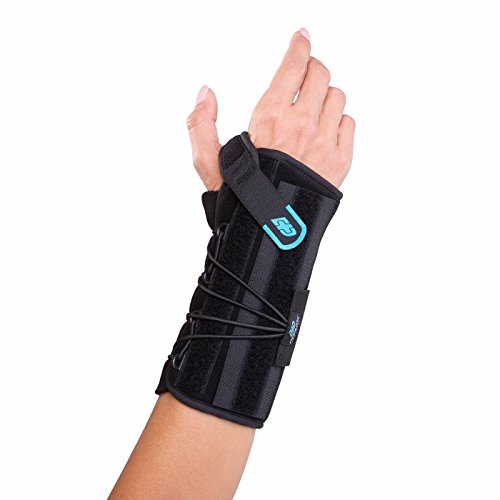
DonJoy DA161WB02-BLK-R Speed-Wrap Wrist Brace

BraceAbility Wrist and Thumb Spica Splint
The Details Behind The Selections
NuCamper sits on the versatile side of wrist support, with two splints and two adjustable compression straps. A splint is a supportive piece that limits movement in a particular direction, so this design may feel substantial during typing or lifting while still allowing you to adjust the compression.
Soft, breathable polyester and nylon make the wrap more practical for extended wear, including overnight use for people whose wrists feel uncomfortable at rest. The half-open thumb area preserves more hand movement than a fully enclosed spica, although the left-hand version needs careful sizing for your symptoms and routine.
Everyday Perks
- Two splints provide structured support for work and recovery routines.
- Adjustable straps let you balance compression with comfort.
- Breathable fabric suits day, exercise, and overnight wear.
- The open-thumb design allows greater thumb movement.
Worth Noting
- This listing is for the left hand, so your dominant hand matters before ordering.
- The open thumb may feel less contained than a dedicated thumb spica.
Key Specs
Made For
This brace suits people who need adjustable wrist support for typing, lifting, exercise, or overnight comfort and who prefer more thumb freedom.
A Better Fit Elsewhere
BraceAbility Wrist and Thumb Spica Splint offers a more focused choice for people whose De Quervain’s symptoms require greater thumb immobilization.
Bauerfeind takes a more orthosis-centered approach than the NuCamper’s broad strap-and-splint format. An orthosis is a device that supports or limits movement, and the ManuLoc is intended for wrist irritation associated with computer use, carpal tunnel symptoms, and post-operative support.
Its one-handed application is the standout detail for anyone with limited mobility or a busy morning routine. Breathable construction and added air holes may feel more comfortable during extended office work, though the support remains focused on the wrist rather than the thumb-side tendons involved in De Quervain’s.
What Makes Sense
- One-handed application simplifies dressing and removal.
- Air holes improve airflow during extended wear.
- The orthosis format suits ongoing wrist irritation.
Some Limits To Know
- The listed design centers on wrist support rather than a dedicated thumb spica.
At A Glance
Who It Suits Best
This orthosis works well for office workers, drivers, and people who prioritize simple wrist support and convenient application.
Where Another Pick Suits Better
BraceAbility Wrist and Thumb Spica Splint is the stronger option for De Quervain’s symptoms that call for dedicated thumb and wrist stabilization.
FEATOL adds a more deliberate wrist angle than the Bauerfeind ManuLoc’s general orthosis approach. Its molded aluminum splint holds the wrist in a preset extension, meaning the joint stays in a defined position rather than shifting as you move.
The enclosed splint and enlarged plastic panel should feel more stable for desk work or light household tasks, particularly when you want a consistent position. Soft yoga-style fabric helps limit bulk, but the structured construction may still feel more substantial during long typing sessions than a lightweight sleeve.
Useful Touches
- The angled aluminum splint supports a defined wrist position.
- An enclosed splint helps prevent shifting during use.
- The expanded back panel adds hand and wrist stability.
- Flexible fabric improves comfort across the wrist.
- Hook-and-loop straps allow repeated adjustment.
Practical Considerations
- This version is specifically listed for the left hand.
- The medium size may not align with your wrist measurements.
- Its rigid splint is bulkier than the FEATOL 60g Wrist Brace for daytime use.
Feature Snapshot
Built With In Mind
This model suits left-handed people who want a defined wrist angle during typing, recovery, and light daily tasks.
Where A Sibling Pick Shines
Bauerfeind ManuLoc Wrist Support Orthosis offers a simpler, more breathable option when one-handed application matters more than an angled splint.
The Lvyeyung brace takes a firmer approach than the FEATOL 60g model, combining two lightweight aluminum splints with replaceable elastic plastic splints. Three straps hold the structure in place, while the attached sling adds forearm support and limits wrist drooping.
That sling may feel reassuring during typing, gaming, or heavier household work, and the mesh construction helps manage heat. Your hand can still move within the brace, but this is not a subtle accessory, so people with strict clothing or workstation constraints may prefer a lighter option.
Bright Spots
- Four splints create a structured support system.
- The sling adds forearm and wrist support.
- Three straps allow secure, adjustable placement.
- Mesh material supports airflow during longer use.
Less Ideal Details
- The sling and multiple splints make this a bulkier option.
- This listing is for the right hand in pink.
Right Fit For
This brace fits right-handed people who want firmer wrist and forearm support during demanding work or overnight routines.
Consider Something Else When
FEATOL 60g Wrist Brace is the more discreet option for people who prioritize light daytime wear over a structured splint-and-sling design.
The FEATOL 60g Wrist Brace makes a straightforward case for lighter daytime support. Its stated weight of 60 grams distinguishes it from the rigid aluminum designs in this list, making it easier to consider for long typing days or household tasks where a bulky brace gets in the way.
Three sizes support a range of wrist dimensions, and the design works for either hand. You may find this more useful as a regular work companion than as a pronounced thumb immobilizer, particularly when your symptoms are most noticeable during thumb movement.
Real Benefits
- The 60g design favors convenient daytime wear.
- Multiple sizes make a closer fit easier to identify.
Factors To Consider
- Check your wrist measurement before selecting a size.
- Each listing covers one size, so another size may need to be chosen.
- Its daytime emphasis may offer less thumb immobilization than a dedicated spica.
Best Suited To
This brace fits people seeking discreet wrist support for typing, errands, and regular tasks without a heavily structured splint.
Another Choice May Suit
BraceAbility Wrist and Thumb Spica Splint provides a more targeted alternative for De Quervain’s symptoms that require steadier thumb positioning.
DonJoy concentrates on adaptable wrist stabilization, with a removable aluminum palm stay and a movable dorsal stay along the top of the wrist. This differs from the Lvyeyung sling because you control the placement of each stay rather than relying on one fixed arrangement.
The speed-wrap lace closure also distinguishes it from hook-and-loop designs, allowing adjustment as your comfort changes. A foam laminate body and soft liner should suit regular wear, although people focused specifically on De Quervain’s may still prefer a brace with a more defined thumb section.
Strengths Worth Knowing
- The palm stay can be removed to vary the support.
- A movable dorsal stay allows a more tailored position.
- Speed-wrap lacing makes repeated adjustments straightforward.
The Fine Print
- The stay placement takes some adjustment, and the design remains wrist-centered rather than thumb-specific.
The Right Fit
This brace suits people managing wrist sprains, strains, or tendon irritation who value adjustable stays and a lace-style closure.
Reach For A Different Pick When
BraceAbility Wrist and Thumb Spica Splint offers more direct thumb positioning for De Quervain’s-related routines.
The BraceAbility splint is the most directly aligned with De Quervain’s tenosynovitis because it combines a wrist and thumb spica rather than treating the thumb as an open accessory area. A spica splint surrounds and supports a joint, so this design keeps the thumb and wrist connected within one structure.
The long forearm section adds stability beyond the wrist, which may appeal to people whose symptoms are aggravated by thumb and wrist movement during lifting or repetitive tasks. The right-hand small version has a more specialized footprint, so size and hand orientation deserve careful attention before ordering.
Notable Gains
- Combines wrist and thumb support in one splint.
- Directly designed for De Quervain’s tenosynovitis.
- The long forearm section adds support above the wrist.
- Thumb positioning is more focused than a standard wrist wrap.
- Useful for repetitive lifting or thumb-intensive routines.
Trade-Offs To Consider
- This version is for the right hand in size small.
- The long forearm design may be more noticeable during work.
The Key Facts
Who Should Grab It
This splint fits right-handed people seeking dedicated thumb and wrist support for symptoms associated with De Quervain’s tenosynovitis.
Look Elsewhere When
FEATOL 60g Wrist Brace is a better fit for people who need lighter daytime wrist support without extended thumb immobilization.
What To Prioritize In A Wrist And Thumb Brace
Match The Support Area
De Quervain’s affects the thumb-side wrist, so pay close attention to how a brace holds the thumb. A wrist wrap with an open thumb may work for mild discomfort during general tasks, while a spica-style splint is more relevant when the thumb needs steadier positioning.
Choose The Amount Of Immobilization
Light wraps suit regular typing and light household work. Structured aluminum splints limit movement more substantially, while a forearm-and-thumb spica offers the most extensive coverage in this group. Your daily tasks should determine how much support remains practical.
Check Handedness And Size
Several options are made specifically for the left or right hand, and a snug fit matters around the thumb and wrist. Measure your wrist before ordering, then compare the listing’s size chart with the brace’s design, especially for rigid splints.
Plan Around Daily Tasks
You may find a structured brace less convenient during cooking, driving, or computer work. A lighter daytime support may be easier to keep on, while a more substantial splint may make sense during rest periods or tasks that place greater demand on the thumb.
Spending Smarter On Wrist And Thumb Support
Wrong Turns To Avoid
Choosing by the word “carpal tunnel” alone can oversimplify the decision. Check the support area, handedness, size, and intended activity first, because a general wrist wrap and a thumb spica create very different restrictions.
What Separates Premium From Basic
Higher-priced braces often add rigid stays, enclosed splints, better adjustment systems, or broader forearm coverage. Those additions help when you need more control, but they can make a brace heavier than necessary for light daytime wear.
Frequently Asked Questions
Which Brace Is Most Specifically Designed For De Quervain’s Tenosynovitis?
The BraceAbility Wrist and Thumb Spica Splint is the closest match because it combines wrist and thumb support in a long forearm design. The other choices center primarily on general wrist support.
Is A Standard Wrist Brace Enough For De Quervain’s?
A standard wrist brace may suit general discomfort, but De Quervain’s involves tendons near the thumb. A thumb-supporting spica may align more closely with your needs when thumb movement is the main concern.
Should I Choose A Left-Handed Or Right-Handed Brace?
Choose the orientation that matches your affected hand because several models are not reversible. The NuCamper is listed for the left hand, while the BraceAbility and Lvyeyung options shown here are right-hand versions.
How Do I Choose The Correct Size?
Measure your wrist and compare the measurement with the product’s size chart before ordering. The FEATOL 60g model offers small, medium, and large ranges, while the featured FEATOL splint is medium and the BraceAbility splint is small.
Can I Wear A Brace While Working?
Many of these designs suit work, typing, or lifting, but the amount of restriction varies considerably. A lightweight brace may blend more easily into a workday, while a rigid splint or forearm stabilizer may require adjusting your tasks and clothing.
Final Verdict
For De Quervain’s tenosynovitis, thumb positioning deserves as much attention as wrist support. The BraceAbility splint offers the most targeted design, while the lighter and more adjustable options can suit a broader mix of work, recovery, and overnight routines. Choose the one that matches your hand, wrist size, and daily tasks without adding more restriction than you need.
