

Slouching over a desk for eight hours leaves the same postural habits behind that develop during a demanding gym session. The right brace can add support or awareness where habits are hard to change on your own, with the best option depending on whether you need lumbar compression, full-back coverage, or a gentle reminder to sit taller.
The Leading Options At A Glance
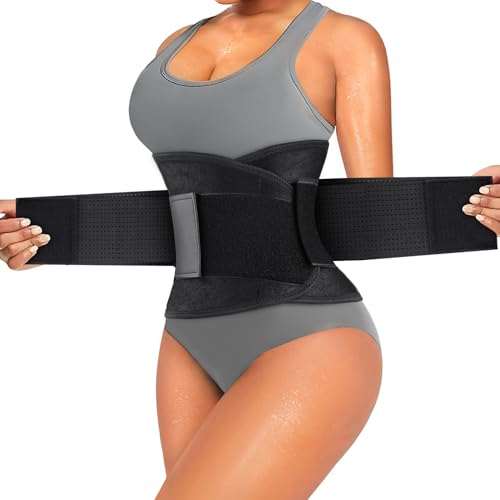
YUVONTREM Back Brace for Lower Back Pain

Össur Formfit Pro Advanced Lumbar Back Support, Medium
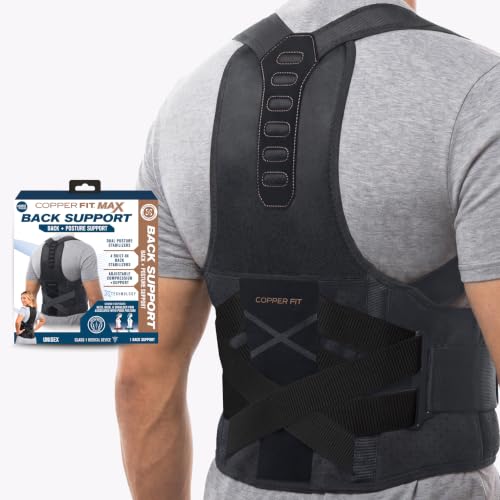
Copper Fit Max Back Posture Support (L/XL)
Copper Fit Max Back Posture Support (2X/3X)
Copper Fit Max Back Posture Support (Small/Medium)

Tecnomed Back Brace for Weight Lifting and Posture Support

Straight Plus AI-Powered Smart Posture Corrector Trainer with Necklace
A Deeper Look At The Lineup
YUVONTREM combines vertical supports with dual elastic straps, creating a close lumbar fit that can feel useful during a long workday or a demanding training session. The supports are positioned around the L1-L5 region, the five vertebrae in the lower back, while the elastic construction follows the body’s natural curve. Compared with the Össur Formfit Pro, this model leans more toward breathable compression and a waist-shaping effect.
That broader purpose makes it a sensible crossover for desk workers, lifters, and anyone who wants firmer support during prolonged sitting or standing. The honest read is that this is not a lightweight training belt; it is a supportive everyday layer that may feel more substantial than a posture-reminder device.
What Stands Out
- Vertical supports add structure around the lower-back region.
- Dual straps let you adjust the fit around your waist.
- Breathable elastic fibers help move perspiration away from the skin.
- The contoured design suits both seated work and upright activity.
- Compression serves both support and waist-contouring preferences.
Things To Consider
- The firmer compression may feel more intense than a light reminder.
- You may need to adjust both straps to prevent shifting during movement.
Feature Snapshot
Who It Suits Best
You benefit most from this brace during mixed routines that combine long periods of sitting with standing, walking, or resistance training.
Where Another Pick Suits Better
The Össur Formfit Pro Advanced Lumbar Back Support suits you better when adjustable lumbar stabilization and a more traditional brace format matter more than waist contouring.
The Formfit Pro takes a focused approach to lumbar support, using targeted compression and adjustable straps to keep the brace in place. Its medium sizing makes it most relevant to people who fall within that fit range, and the low-profile format can move between exercise, travel, and regular work. Unlike YUVONTREM, its design focuses on stabilization rather than waist shaping.
For an active person who wants one traditional support product across several parts of the day, that versatility is the main attraction. The adjustment points are practical, although the Medium option is a firm fit, so your torso measurements deserve attention before you commit.
Notable Gains
- Targeted compression supports a more upright position.
- Adjustable straps reduce unwanted movement.
- The design suits exercise and ordinary daily wear.
- Focused lumbar coverage avoids the wider profile of a full-back support.
Small Caveats
- You must confirm that the Medium size matches your torso.
- People sensitive to firm compression may need to ease into the fit.
Quick Facts
Made For
You will appreciate this brace most if you need a compact, adjustable lumbar support for a varied daily schedule.
Another Choice May Suit
The Straight Plus AI-Powered Smart Posture Corrector Trainer with Necklace suits you better when gentle reminders are preferable to physical compression.
Coverage is the defining feature of the Copper Fit Max Back Posture Support, with reinforced panels and targeted compression extending across more of the back than the Formfit Pro’s lumbar emphasis. The L/XL version works well for people who want upper-back and lower-back structure in one wearable. That broader contact may be useful in an office because rounded shoulders often accompany a forward head position.
Compared with the smaller Copper Fit version, this size is better suited to broader torsos, while remaining less substantial than the 2X/3X option. You may find that the full-back format feels more present than a conventional belt, particularly beneath thinner clothing.
Key Advantages
- Reinforced panels encourage an upright alignment.
- Full-back coverage supports more than the lumbar area alone.
- Targeted compression keeps the support evenly engaged.
Where It May Fall Short
- The L/XL label needs to match your torso and fit preferences.
- Broader coverage may feel more noticeable under close-fitting clothes.
Core Details
Built With In Mind
This L/XL model serves people with a broader fit who want structured support across the upper and lower back during office routines.
A Better Fit Elsewhere
The Copper Fit Max Back Posture Support (Small/Medium) suits you better when you need the same full-back design in a smaller size.
The 2X/3X Copper Fit Max carries the same full-back concept as the L/XL model but targets a larger torso. Reinforced panels and compression provide a broad structure for people who need more room around the waist, while the expanded coverage may suit heavier work clothing or fuller body shapes. Unlike the YUVONTREM belt, the emphasis remains on back alignment rather than waist contouring.
This is the version to consider when the L/XL feels snug around the hips or waist. Size labels alone can be misleading, so comparing your measurements with the product’s sizing guidance is the sensible move.
Well-Handled Touches
- Roomier sizing supports a broader range of torso proportions.
- Full-back panels deliver structured support for daily wear.
Worth Noting
- Accurate sizing is essential for the broad full-back profile.
The Right Fit
You are the best match for this version when the L/XL size feels too close and you want more room without sacrificing full-back coverage.
Where A Sibling Pick Shines
The Copper Fit Max Back Posture Support (L/XL) suits you better when you need a broad back-support design with closer proportions.
The Small/Medium version gives the Copper Fit Max its full-back support in a more compact fit. Reinforced panels and targeted compression can help you maintain a more upright position during desk work, household tasks, or light exercise. Compared with the L/XL model, it offers the same broad coverage without the extra room of a larger torso.
It works best as a structured daily layer rather than a heavily cinched weightlifting belt. You may appreciate the balance between coverage and adjustability, though smaller sizing still deserves a close check around the waist and shoulders.
Practical Pluses
- Full-back panels support alignment from the shoulders downward.
- The smaller fit suits more compact torso proportions.
- Compression can encourage a straighter seated position.
Possible Compromises
- You may need to fine-tune the fit around the waist.
- The broad design can feel more present than a narrow lumbar belt.
- Small/Medium remains specific to its labeled size range.
Who Should Grab It
This version suits people with smaller torso proportions who still want structured support across the full back.
Reach For A Different Pick When
The Tecnomed Back Brace for Weight Lifting and Posture Support suits you better when stretchy compression and a training-focused fit matter most.
Tecnomed centers the fit on Powernet, a stretch material that moves in four directions while maintaining compression. That flexibility is useful when a brace needs to bend with you during squats, lifts, household chores, or a long shift. The lower-back coverage and adjustable strap make it more specialized for active routines than the full-back Copper Fit design.
You’ll get more from this option by measuring your torso from back to belly and comparing that figure with the available size. In our view, the stretch construction makes it a strong training companion, provided the compression feels comfortable rather than restrictive.
Why It Works Well
- Four-way stretch follows movement during varied exercises.
- Compression remains consistent as the brace bends.
- Lower-back coverage supports gym and manual-lifting routines.
- The same design can move from work to home exercises.
Details To Watch
- Measure your torso carefully and check the size chart before choosing.
Technical Highlights
Who Will Love This
Lifters, manual workers, and home exercisers benefit most from the flexible compression and broad range of active uses.
Swap It Out When
The Össur Formfit Pro Advanced Lumbar Back Support suits you better when a conventional adjustable lumbar brace fits your daily routine more comfortably.
Straight Plus approaches posture as a training habit rather than a compression problem. A wearable device uses biofeedback technology to provide subtle vibrations when you begin to slump, while the included necklace makes it easier to keep the trainer in position. That distinction makes it especially relevant to people who slump without noticing during office work.
Unlike the Copper Fit or Tecnomed braces, it does not surround your torso with structured panels. The honest trade-off is that reminders require a behavioral response, and a charged device is necessary for consistent feedback. Fully charge it before the first use, as the battery may arrive with little power remaining.
Real-World Strengths
- Subtle vibration creates a noticeable posture cue.
- The included necklace supports a more convenient wearable setup.
Less-Strong Areas
- It provides awareness rather than the compression of a traditional brace.
- Charging is required before dependable feedback during the first use.
Key Attributes
Made For
You benefit most from this trainer when your main challenge is noticing slouching during desk work rather than obtaining firm lumbar compression.
Not Your Match When
The YUVONTREM Back Brace for Lower Back Pain suits you better when physical support and adjustable compression are your priorities.
What To Look For Before Buying A Posture Brace
Start With Your Main Task
A desk worker may value subtle reminders, while a lifter needs a brace that stays compressed through repeated movement. A traditional lumbar brace offers more physical contact, whereas a smart trainer focuses on awareness through vibration. Your daily task should determine which category deserves your attention.
Fit Matters More Than Extras
Measure your torso and compare it with the product’s sizing guidance before choosing a model. Straps and elastic materials can adjust the fit, but they cannot overcome a fundamentally incorrect size. Pay particular attention to the waist, hips, and shoulders for full-back designs.
Match Support To Your Routine
Compression becomes more noticeable during prolonged wear or heavy lifting, so consider how long you plan to wear it. Lower-back-focused designs suit more discreet daily support, while broad back coverage helps address rounded upper-body habits. Reminder devices work best when you are willing to respond to the cue and reset your position.
Avoidable Mistakes With Posture Supports
Common Shopping Slip Ups
Choosing by appearance alone can leave you with a brace that bunches, twists, or sits too low. A smart device also serves a different purpose from a compression belt, so confirm that feedback is what you actually need.
What Separates Premium From Basic
Higher-tier options commonly add fuller coverage, adjustable components, or electronic reminders. The extra cost is worthwhile only when that added feature addresses your specific routine and fit requirements.
Frequently Asked Questions
How Does A Posture Brace Work?
A posture brace uses compression, panels, straps, or sensors to support alignment and make slumping more noticeable. Mechanical braces add physical structure, while electronic trainers provide a reminder that encourages you to adjust your position.
How Do I Choose The Right Size?
Measure your torso and compare the result with the product’s sizing chart. Pay close attention to waist and torso measurements, especially for full-back braces, because the labeled size alone may not describe the complete fit.
Can I Wear A Posture Brace While Working Out?
Some braces are designed for exercise, but you still need adequate circulation, comfortable movement, and the correct size. Training-focused models with stretch fabric, such as the Tecnomed Back Brace, are more naturally suited to movement than rigid full-back designs.
How Long Should I Wear A Posture Brace?
Wear it according to the product guidance and your comfort level rather than extending use simply because you can. Taking scheduled breaks allows you to move freely and reinforces the habit without relying on one accessory all day.
Is A Smart Posture Trainer Better Than A Traditional Brace?
A smart trainer is better for building awareness, while a traditional brace is better for physical compression and support. Straight Plus fits the first role, whereas the YUVONTREM, Össur, Copper Fit, and Tecnomed options belong to the second.
Final Verdict
The best posture brace matches the way you sit, move, and work. Choose the Copper Fit Max for broad back coverage, the Tecnomed for flexible training compression, or the Össur for focused lumbar support; the Straight Plus stands apart as a reminder-based option for desk workers who need help noticing their slouch. Confirm the fit, use the support consistently, and let comfort guide how you use it.
