

A torn rotator cuff can make ordinary tasks feel unexpectedly difficult, from reaching into a cabinet to sleeping on your dominant side. The right brace can provide compression, limit unwanted movement, or ease pressure from an arm sling while you follow your care plan. These seven options suit different needs, so your first priority is the kind of support your daily routine requires.
The Essentials At A Glance

Vive Shoulder Brace

pinklilycare Arm Sling Strap Cushion 1.5-Inch

NEXVOXA Adjustable Shoulder Support and Compression Sleeve for Rotator Cuff, L

HACLIPPER Shoulder Brace with Reusable Gel Pack
CDFZ Shoulder Brace for Rotator Cuff Support
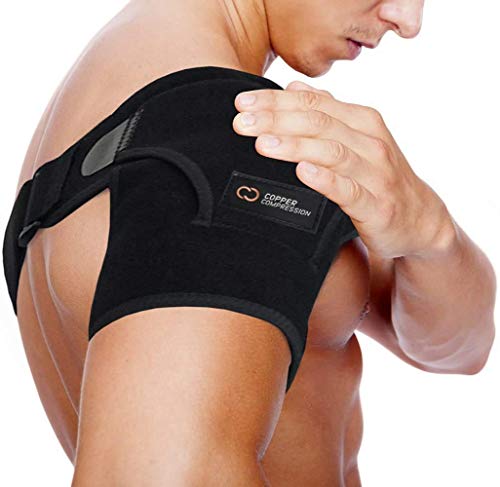
Copper Compression Recovery Shoulder Brace for Men and Women, S/M

FIGHTECH Rotator Cuff Shoulder Brace, Black, Large
More Details On Our Top Picks
Compression and adjustability make the Vive Shoulder Brace a practical choice for everyday rotator cuff support. You can target sore areas with a flexible pressure pad, while the chest and bicep straps distribute the fit around your torso and arm.
Its slim neoprene-blend construction may suit days when you want support beneath loose clothing, although the fit range deserves attention first. The chest strap accommodates 48 to 54 inches with the extender, while the bicep strap can fit up to 16.5 or 18 inches.
A Few Highlights
- Adjustable pressure pad lets you tailor compression to the area that feels most sore.
- Reversible construction works on either shoulder without changing the setup.
- Soft, latex-free neoprene blend should sit more comfortably against sensitive skin.
- Low-profile design can fit under regular clothing during commuting or desk work.
Worth Noting
- The specified chest and arm ranges are important to check, especially if your proportions fall near the upper limits.
Key Specs
Made For Everyday Wear
You benefit most from this brace if you need adjustable compression that can fit beneath everyday clothes.
A Better Fit Elsewhere
The HACLIPPER Shoulder Brace with Reusable Gel Pack suits you better when hot or cold therapy matters as much as compression.
This is an accessory rather than a shoulder brace: it cushions the strap of a medical arm sling. That distinction matters after a rotator cuff repair, Bankart repair, SLAP repair, or anterior dislocation because the sling may remain in place for extended periods.
Soft minky fabric and foam create a softer landing between the strap and your neck, which may feel especially useful during long recovery days. Unlike the Vive Shoulder Brace, it does not compress or immobilize the shoulder itself.
Good Reasons To Consider
- Soft cushioning reduces rubbing where a sling strap crosses the neck.
- Minky fabric and foam give the contact area a softer feel.
- The universal design fits either shoulder and a range of ages.
Trade Offs
- The 1.5-inch strap specification is a firm compatibility requirement.
- It cushions a sling but adds no joint compression or motion control.
Feature Snapshot
Who Should Grab It
You benefit most from this cushion while wearing a 1.5-inch medical sling during shoulder recovery.
Another Choice May Suit
The Vive Shoulder Brace is a better fit for people who need compression and adjustable joint support rather than sling padding.
The NEXVOXA sleeve takes a low-profile approach to rotator cuff support. Its targeted compression and adjustable straps can feel useful during desk work, walking, driving, or exercise, where a bulkier immobilizer may interfere with your routine.
You get a choice of two sizes, and this listing represents the Large, size 1 option. Its understated coverage may work well beneath clothing, though the exact garment clearance and strap tension are worth checking before a full day of wear.
Points In Its Favor
- Targeted compression gives the shoulder stable support without a large rigid frame.
- Adjustable straps help prevent shifting and chafing during daily movement.
- The sleeve profile can fit discreetly beneath many work or exercise clothes.
- Two size options accommodate different shoulder types.
- Support suits desk workers, athletes, and people managing mild shoulder strain.
Points To Keep In Mind
- This sleeve offers supportive compression rather than the firmer immobilization of the Copper Compression model.
- Your clothing and arm position may affect how discreetly it sits.
Built With In Mind
This brace works best for you when steady, low-profile support is needed throughout work, errands, and light activity.
Look Elsewhere When
The Copper Compression Recovery Shoulder Brace may suit you better when flexible stretch and more deliberate movement control are priorities.
The HACLIPPER brace adds a reusable gel pack to an adjustable shoulder design, giving you the option of hot or cold therapy alongside compression. That combination may appeal during post-workout soreness, tendonitis discomfort, or a stiff shoulder.
Its contoured shape and stable support distinguish it from the NEXVOXA sleeve’s lighter, more discreet approach. You may find the gel pack more useful during focused recovery periods, especially when you can remain seated while using it.
Real-World Strengths
- The reusable gel pack supports both warm and cool therapy routines.
- Adjustable construction lets you adjust the brace around your shoulder.
- Gentle compression adds stability without requiring a rigid immobilizer.
Minor Gripes
- Therapy sessions take more planning because you need a place to sit comfortably.
- The gel pack adds bulk compared with compression-only sleeves.
Quick Facts
The Right Fit
You benefit most from this brace when your recovery routine includes both joint support and temperature-based therapy.
Reach For A Different Pick When
The NEXVOXA sleeve is the better fit for you when discreet support during work and exercise matters more than gel-pack therapy.
Sports activity changes the design question from desk comfort to secure fit. The CDFZ brace uses customizable support and moderate wrapping compression to stabilize the shoulder without making the wearing experience feel completely rigid.
That balance may work well during daily movement and post-injury routines, though the fit needs to remain close without restricting breathing or arm movement. Compared with the FIGHTECH option, this brace presents a more moderate wrapping approach.
What Pays Off
- Customizable fit helps the brace stay close during movement.
- Moderate wrapping compression supports the shoulder without maximum compression.
- The design suits sports and other active daily routines.
- Joint stabilization offers a practical reminder to limit overextension.
Possible Compromises
- A snug fit must still leave room for comfortable movement and breathing.
- Sports use may require a fit check before movement begins.
Who Will Love This
This brace best serves active people who want adjustable, moderate compression during exercise and everyday movement.
Swap It Out When
The FIGHTECH Rotator Cuff Shoulder Brace in Large suits you better when you prefer a size-specific fit with a wider range of support levels.
The Copper Compression Recovery Shoulder Brace combines compression with joint stabilization and controlled movement. Its four-way stretch design may allow more natural shoulder movement than a fixed immobilizer, making it useful for daily tasks during a recovery period.
This Small to Medium version is a straightforward choice for people within that size range. The sleeve approach distinguishes it from the CDFZ wrap-style support, while offering more deliberate stability than the NEXVOXA compression sleeve.
The Helpful Details
- Compression supports the shoulder while the brace helps regulate arm movement.
- Four-way stretch supports mobility during routine activities.
- The sleeve construction may feel less bulky than a rigid support.
- Joint stabilization gives you a physical reminder to avoid overextension.
A Few Limitations
- This listing is for Small to Medium sizing, so it will not serve every body type.
- Compression should feel snug rather than restrictive during routine movement.
Technical Highlights
The Right Fit
You benefit most from this brace when you want a close compression sleeve that supports movement during everyday tasks.
Consider Something Else When
The FIGHTECH Rotator Cuff Shoulder Brace in Large fits you better when your bicep falls within 12 to 17 inches and firmer support is preferred.
The FIGHTECH brace offers a stronger compression feel than the more moderate CDFZ design. Its constant pressure helps stabilize the shoulder and serves as a physical cue against pushing the joint too far, which can be helpful during daily recovery.
This Large version fits bicep circumferences from 12 to 17 inches. Four size options give you more choice than the single S/M listing for Copper Compression, although the firmer support may not suit every comfort preference.
Where It Delivers
- Medium-to-strong support gives the shoulder more noticeable stability.
- Adjustable compression lets you balance support against comfort.
- Four sizes improve the chance of finding a closer fit.
- The sleeve discourages unconscious overextension during daily tasks.
- Black styling keeps the support visually understated.
Small Caveats
- Stronger compression may feel too intense for sensitive shoulders.
- The Large version is limited to bicep measurements from 12 to 17 inches.
Core Details
Made For In Mind
This brace suits people with a 12-to-17-inch bicep who prefer firmer support and a size-specific fit.
Where Another Pick Shines
The Copper Compression Recovery Shoulder Brace suits you better when stretchable movement and a lighter S/M profile matter more.
What to Look for in a Torn Rotator Cuff Brace
Match Support to Your Daily Routine
A compression sleeve offers low-profile support for desk work, errands, and light exercise, while a wrap or immobilized brace suits people who need firmer control over shoulder movement. Think about the tasks your brace must handle, from driving to reaching overhead. More support is not automatically more comfortable, especially during a full workday.
Check the Size Before the Features
Compare the chest, bicep, and strap measurements with your body before ordering. Extender straps add range, while size-specific listings give you a clearer starting point. The pinklilycare cushion is the exception because it fits a 1.5-inch sling strap rather than the shoulder itself.
Consider Comfort During Long Wear
Padding, breathable materials, and low-profile construction can matter more than extra compression for extended wear. A reversible design also simplifies switching shoulders. Try the fit over the clothing you normally wear, then adjust the straps while performing a simple movement such as walking or lifting a light object.
Avoiding Costly Brace Buying Mistakes
Pitfalls Shoppers Hit
A common mistake is choosing support by appearance rather than task. Compression sleeves, wraps, and immobilizers serve different purposes, and a sling cushion cannot substitute for joint support. Measure your torso, arm, or strap width before ordering, and check that the brace works with your clothing and care plan.
What Separates Premium From Basic
Higher-tier braces may add stronger adjustment, more precise sizing, reusable therapy components, or a more involved support structure. Those additions earn their place when your routine demands them, especially during long recovery periods. A simpler compression sleeve can still be the sensible choice for lighter daily support.
Frequently Asked Questions
Can a shoulder brace help with a torn rotator cuff?
A shoulder brace can provide compression, stability, and controlled movement while you follow your care plan. It does not repair the tendon by itself, so it should complement the guidance you received from your healthcare professional.
Which brace is best for sleeping with a torn rotator cuff?
Comfort, padding, and freedom of movement matter more during sleep than maximum compression. The pinklilycare cushion helps when a 1.5-inch sling strap rubs your neck, while a low-profile sleeve may feel less bulky under bedding.
Are compression sleeves better than immobilizers?
Compression sleeves suit daily support and lighter movement, while immobilizers provide firmer control. Your activity level and any movement restrictions in your care plan should guide that decision.
How tight should a rotator cuff brace fit?
The brace should feel snug and stable without restricting breathing, circulation, or necessary arm movement. Loosen it whenever it causes sharp discomfort, numbness, or an awkward pulling sensation.
Can I wear a shoulder brace while working out?
Some braces are designed for sports and adjustable routines, while others are better suited to rest and recovery. Choose a fit that remains secure during your planned movements, and avoid using a brace to push through pain.
Final Thoughts
The best choice depends on the support your shoulder needs, not simply the severity of the tear. Vive offers adaptable compression, NEXVOXA stays close to the body, HACLIPPER adds gel-pack therapy, and FIGHTECH provides a size-specific, firmer fit. Measure carefully, consider your clothing and activities, and follow any movement limits in your care plan.
