

A night out can leave you wondering whether enough time has passed to drive safely. A personal breathalyzer gives you a clearer basis for that decision by estimating blood alcohol concentration, or BAC, from your breath. These devices suit designated drivers, people checking in after drinking, and workplace or event staff who need a fast, consistent way to screen multiple people.
A Snapshot Of The Selections
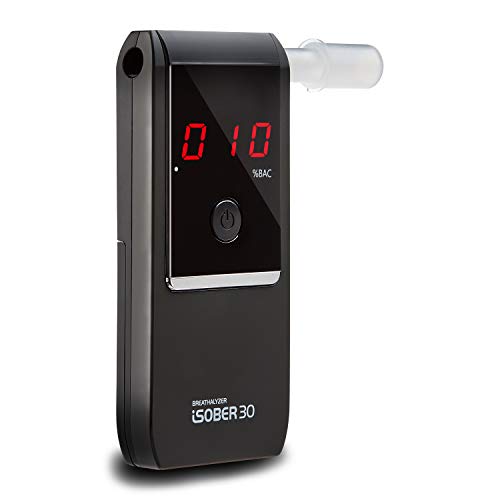
iSOBER 30 Fuel Cell Breathalyzer with Memory

AlcoMate AL2500 Precision Breathalyzer, One-Button, No Mouthpieces

iBACheck Rechargeable Breathalyzer, 200 Tests

BACtrack Eclipse Professional Breathalyzer

BACtrack S80 Professional Breathalyzer

BACtrack C8 Breathalyzer with Optional App

BACtrack C6 Keychain Breathalyzer with Optional App
More On The Choices That Made The List
The iSOBER 30 is built around a fuel cell sensor, a type of electrochemical sensor that estimates BAC from alcohol in exhaled breath. Its stored results make it more useful for personal logs than a disposable one-shot device, especially for designated drivers who want a dated history of each check.
Compared with the keychain-oriented BACtrack models, this one leans more toward record keeping and formal use. The DOT and NHTSA compliance, FDA 510(k) cleared status, and US-based recalibration service make it a sensible fit for workplace safety programs that need documented procedures.
Where It Helps
- Stores the last 10 measurements with their dates and times for quick comparison.
- Fuel cell technology supports consistent readings without the mouthpiece found on many personal devices.
- Displays the remaining time before the recommended 12-month or 1,000-use recalibration interval.
- US-based wet-gas recalibration avoids the need to ship the device overseas.
Worth Noting
- Personal checks still require you to allow enough time after drinking, and a stored reading cannot account for changing alcohol levels.
- The calibration schedule adds an ownership task that a simple keychain model does not emphasize.
Key Specs
Made For
You benefit most from the iSOBER 30 if you want dated results, a calibration alarm, and formal compliance features for workplace or designated-driver use.
Look Elsewhere When
The BACtrack C6 Keychain Breathalyzer suits someone who prioritizes pocketable size over stored measurement history.
One-button operation makes the AlcoMate AL2500 refreshingly straightforward. The absence of mouthpieces removes disposable parts from the routine, which is useful at offices, social events, and other situations where several people may need to take turns.
Its oxide semiconductor sensor is specified at ±0.01 accuracy up to 0.10% BAC. That focused measurement range, combined with the three-digit LED, makes this a better fit for repeated screening than for someone wanting a pocket-sized personal accessory.
Features That Help
- One-button operation reduces the learning curve for occasional users.
- The mouthpiece-free design streamlines checks involving multiple people.
- A bright three-digit LED presents readings clearly during fast-paced screening.
- Its compact construction works in a fixed office or a mobile event kit.
Practical Considerations
- The shared-use format makes it more suitable for an accessible device station than a discreet personal check.
- Its stated accuracy range extends to 0.10% BAC, so very high readings may exceed the specified range.
At A Glance
Who It Suits Best
The AlcoMate AL2500 fits workplace, event, or household screening situations where fast operation and few disposable accessories matter most.
Another Choice May Suit
The iBACheck Rechargeable Breathalyzer serves personal users who prefer a USB-rechargeable device with stored readings.
A removable lithium-ion battery gives the iBACheck more flexibility than a unit that needs a dedicated charger or disposable power source. Once charged, it can perform up to 200 measurements, which suits frequent personal checks or a household that wants one device on hand.
The semiconductor sensor produces readings within seconds, while ten saved measurements add basic history. Its important operating detail is timing: wait at least 15 minutes after drinking because alcohol remaining in the mouth can temporarily distort the result.
Real Benefits
- USB charging through a 5V-2A-or-higher charger supports convenient top-ups.
- Up to 200 checks per full charge reduce the need for frequent charging.
- A configurable alert sounds and displays a red HI warning above 0.050% BAC.
- Ten mouthpieces, a charging cable, and the battery are included.
- The 0.008% to 0.200% BAC range covers both low readings and higher measurements.
Things To Consider
- Waiting 15 minutes after drinking is essential for a more stable reading.
- Each user needs a clean mouthpiece, and replacement pieces add an ongoing task.
Quick Facts
Right Fit For
You will find the iBACheck most practical if you want rechargeable power, adjustable alerts, and a modest record of recent measurements.
Reach For A Different Pick When
The AlcoMate AL2500 is the stronger fit for shared screening because it operates without mouthpieces.
The BACtrack Eclipse centers on a platinum-based Xtend fuel cell sensor, positioning it as an accuracy-focused step above a basic semiconductor model. That type of sensor uses an electrochemical reaction to estimate alcohol concentration in exhaled breath.
A bright LCD and configurable features make it easier to use than its professional hardware image suggests. For personal users comparing sensor types, the Eclipse stands apart from the iBACheck because it pairs fuel cell technology with a display-oriented design.
Everyday Wins
- The Xtend fuel cell sensor supports precise personal screening.
- A bright LCD improves visibility during routine checks.
- Custom feature settings let you adapt the device to your preferred routine.
Room For Improvement
- Professional positioning may be unnecessary for someone who only wants a small novelty device, making the BACtrack C6 a more natural fit.
Who Will Love This
The Eclipse suits a personal user who places sensor technology and a clear LCD above minimum size and accessory simplicity.
A Better Fit Elsewhere
The iBACheck Rechargeable Breathalyzer fits frequent users who value USB charging and a stated capacity of 200 checks per charge.
The BACtrack S80 takes a direct approach, offering a professional-grade breathalyzer with FDA 510(k) cleared status. That makes it a sensible option for a designated driver who wants more than a rough novelty reading and places regulatory documentation ahead of app extras.
Compared with the BACtrack Eclipse, the S80 offers a simpler product proposition with fewer feature details centered on app support. Compared with the iSOBER 30, it trades documented measurement memory for a more streamlined personal device.
Benefits That Matter
- Professional-grade positioning supports accuracy-focused personal screening.
- FDA 510(k) cleared status gives the device a formal regulatory profile.
- The straightforward format suits users who mainly want a BAC estimate without account tracking.
Points To Note
- Confirm that the professional-grade positioning suits your needs; a BACtrack C6 offers a more compact format for carrying on a keyring.
Built With In Mind
The S80 fits personal users who want a dedicated breathalyzer with professional positioning and formal clearance.
Swap It Out When
The BACtrack C8 Breathalyzer is the better choice for someone who also wants app support and time-until-zero estimates.
The BACtrack C8 pairs a BluFire fuel cell sensor with optional app support, giving it a useful balance of hardware accuracy and digital features. ZeroLine technology also estimates how long BAC may take to reach 0.00%, which helps with planning rather than merely showing a single number.
Unlike the iSOBER 30, the C8 does not center its appeal on a ten-entry measurement history or calibration alarm. It fits a different personal-use scenario: checking after an evening out, reviewing estimates through an app, and carrying one dedicated device rather than several small tools.
Bright Spots
- The BluFire fuel cell sensor supports precise breath-based readings.
- Optional app support adds a digital path for reviewing information.
- ZeroLine estimates the time remaining until BAC reaches 0.00%.
- Its fuel cell approach distinguishes it from the semiconductor iBACheck.
Trade Offs
- The time-until-zero figure is an estimate, so leave time for your judgment rather than relying on one number.
- Confirm app compatibility with your phone before purchase to avoid an unnecessary setup surprise.
Technical Sheet
Best Suited To
The C8 suits personal users who want fuel cell sensing together with optional app-assisted estimates after drinking.
Where A Sibling Pick Shines
The BACtrack C6 Keychain Breathalyzer suits someone who wants the same general fuel cell approach in a smaller everyday carry format.
The BACtrack C6 makes a personal breathalyzer easy to keep close, using its keychain format to cut down on the need to hunt through a drawer before heading out. The BluFire fuel cell sensor and ZeroLine time estimate provide more substance than a simple novelty meter.
Compared with the BACtrack C8, the main distinction is portability rather than the core sensor approach. You also give up the S80’s formal cleared status and the iSOBER 30’s ten-entry dated history, so your choice depends on whether carrying convenience matters more than record keeping.
Noteworthy Benefits
- Keychain portability keeps the device close during nights out and travel.
- The BluFire fuel cell sensor supports precise personal readings.
- Optional app support expands the device beyond a standalone display.
- ZeroLine estimates the remaining time until BAC reaches 0.00%.
Details To Watch
- A compact keychain device needs a secure attachment to reduce the chance of leaving it behind.
- App compatibility with your phone deserves a quick check before purchase.
Feature Rundown
The Right Fit
The C6 fits commuters, travelers, and designated drivers who want a compact fuel cell device that stays with their keys.
Consider Something Else When
The iSOBER 30 Fuel Cell Breathalyzer with Memory suits users who need dated readings and formal calibration records more than compact size.
What Matters Before You Bring One Home
Sensor type: A fuel cell uses an electrochemical reaction to estimate alcohol in breath, while a semiconductor sensor measures a change in electrical resistance. Both approaches appear in this list, so your choice comes down to the features and operating details each brand supports.
Planned setting: The AlcoMate AL2500 fits shared screening with its mouthpiece-free design. The iSOBER 30 suits formal programs that value dated results and calibration procedures. For personal use after dining or drinking, a compact BACtrack model is easier to carry.
Power and maintenance: The iBACheck uses a removable lithium-ion battery and USB charging. Other devices may use disposable cells, while the iSOBER 30 adds a 12-month or 1,000-use calibration schedule to its ownership routine.
Timing after drinking: Mouth alcohol can distort an immediate measurement. The iBACheck specifically instructs users to wait at least 15 minutes, and you should apply the same patience to any personal breathalyzer rather than checking too soon.
Records and estimates: Storing measurements helps reveal patterns over time. Time-until-zero estimates offer a planning aid, but neither historical readings nor projected timing should replace sound judgment about driving.
Practical Lessons Before You Choose
Mistakes Worth Dodging
Do not judge a breathalyzer by the size of its display or the speed of its first number. Confirm the sensor, BAC range, power source, mouthpieces, and maintenance schedule against your actual routine. A model that feels convenient but encourages rushed checks may not serve you well.
When Paying More Pays Off
A higher-tier device may add fuel cell sensing, formal regulatory positioning, calibration support, memory, or app-based estimates. Those additions matter most for frequent checks or formal screening. For occasional personal use, a compact model with the features you will actually use can be the more sensible purchase.
Frequently Asked Questions
How long should you wait to use a breathalyzer?
Wait at least 15 minutes after drinking before taking a measurement. Residual alcohol in your mouth can produce an unusually high or fluctuating reading during that period.
Does a personal breathalyzer make you safe to drive?
A breathalyzer provides an estimate rather than a guarantee about driving. Your decision still needs to account for elapsed time, the amount consumed, your physical condition, and any other sign that you are not fit to drive.
Are fuel cell breathalyzers better than semiconductor models?
Fuel cell models prioritize electrochemical sensing and appear in formal or accuracy-focused options. Semiconductor models can still serve routine personal checks, so consider accuracy details, power, records, and ease of use together.
Do breathalyzers need mouthpieces?
Some devices use disposable mouthpieces for individual checks. The AlcoMate AL2500 operates without them, which simplifies shared use, while the iBACheck includes ten mouthpieces.
Can I use a breathalyzer at work?
Workplace use depends on your organization’s procedures and the device’s intended setting. The iSOBER 30 includes compliance features, dated memory, and a calibration process that may align more closely with formal safety programs.
