

A pulled calf can make every step feel uncertain, especially after a hard run or a long shift standing at work. Compression sleeves can provide close support and a snug feel, but they do not repair a torn muscle or replace an assessment from a healthcare professional.
The right sleeve depends on how much structure you want, how long you plan to wear it, and whether your priority is running, recovery, or all-day comfort. These six options cover lightweight compression, adjustable support, stabilizing panels, and multi-pair rotations for regular use.
A Fast Comparison Of The Options
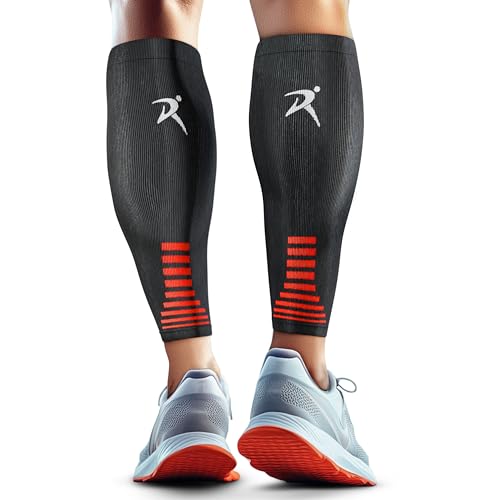
Rymora Calf Compression Sleeves

ReadyWrap Calf Support Sleeve

Thoxcare Calf Compression Sleeves, Pink/Black, 2 Pairs

CAMBIVO Calf Compression Sleeves with Side Stabilizers

CEP Core Run Calf Sleeves 5.0 for Running

Geyoga 6 Pairs Calf Compression Sleeves for Football, Running
A Breakdown Of The Leading Choices
Rymora takes the simple-sleeve route with a close-fitting calf covering made from a stretch blend rather than a rigid brace. That design suits runs, gym sessions, and long shifts spent on your feet, where low-profile support may be more comfortable.
Compared with the structured ReadyWrap option, there are no straps or liner to manage, so you can put these on quickly after training. The close fit feels supportive, while the breathable, moisture-managing fabric is designed for repeat wear.
Where It Helps
- Graduated compression gives the lower leg a snug, supportive feel during activity and recovery.
- The footless shape leaves your feet free in your normal running shoes.
- Nylon, polyester, and elastane combine stretch with moisture management for active use.
- Machine washing makes care straightforward after sweaty sessions.
Points To Note
- Use the pictured size chart and measure your calf; clothing size, height, and weight do not determine the fit.
- The close compression may feel more intense than a regular athletic sock, making accurate sizing especially important.
Core Details
Who Will Love This
You will appreciate these sleeves most during running, gym work, and long periods spent standing or walking.
A Better Fit Elsewhere
ReadyWrap Calf Support Sleeve suits you better when adjustable straps and a structured spine matter more than a minimal profile.
ReadyWrap takes a more structured approach than Rymora, using a supportive spine, curved straps, and a separate comfort liner. The result is an adjustable calf support that may appeal to you after long workdays or during lighter activity when more structure feels useful.
The curved straps follow the limb instead of relying only on a fixed sleeve shape, allowing you to adjust the fit. Compared with the stretch-knit options, this design is less about disappearing beneath clothing and more about controlled support.
What Helps Most
- The built-in spine adds structure and makes the sleeve easier to position.
- Curved straps adjust around your calf for a more personalized fit.
- The included liner creates a softer contact layer between the support and your skin.
Worth Noting
- The straps and liner make application more involved than pulling on a seamless compression sleeve.
- The structured design may feel more noticeable beneath close-fitting clothing.
- Adjustment depends on the straps sitting correctly around your lower leg, so check the placement each time.
Technical Reference
Made For
This option works best for people who value adjustable structure and do not mind spending a little longer putting the support on.
Consider Something Else When
Rymora Calf Compression Sleeves are a better match for quick changes, running, and a lighter feel without straps.
Thoxcare combines clearly stated compression with a two-pair package, giving you a practical option for running, work, or recovery. Compression level is measured in millimeters of mercury, or mmHg, which describes the pressure applied by the fabric.
Unlike the strap-based ReadyWrap, these sleeves pull directly onto the calf and feel closer to a performance sock. The breathable construction is intended for extended wear, including periods spent working, walking, or resting after exercise.
Benefits That Matter
- The stated 20-30 mmHg range gives you a defined compression level to compare with other performance sleeves.
- Two pairs make it easier to keep one on hand while another is being washed.
- The footless, close-fitting design works beneath running shoes and casual footwear.
- Breathable fabric suits warm workouts and long periods of wear.
- You can use them for running, court sports, cycling, walking, travel, or recovery time.
Small Caveats
- Measure your calf and use the size chart before ordering, since compression fit depends on the sleeve’s actual dimensions rather than your usual clothing size.
The Right Fit For
These sleeves suit people who want a specific compression range, two pairs, and one flexible option for several sports and daily activities.
Another Choice May Suit
CEP Core Run Calf Sleeves 5.0 for Running may suit you better when breathable air channels and quick-drying construction are the priority.
CAMBIVO adds rigid side stabilizers to a stretchy calf sleeve, giving you more structure than the Rymora and Thoxcare designs. The side panels sit beside the calf muscles and provide focused support during running, walking, cycling, or long periods of standing.
Its circular-knit construction produces a smooth, stretchy fabric without prominent seams. The combination of compression and stabilizer panels may be useful for an active routine where you want the fabric to hug the calf without relying on adjustable straps.
Key Advantages
- Dual side stabilizers add defined support beside the calf muscles.
- Moisture-managing fabric suits workouts, outdoor activity, and extended wear.
- The footless stretch construction makes the sleeves easy to pull on after training.
Trade Offs
- The fabric includes latex, so check the material composition carefully if you have a known sensitivity.
- Hand washing and air drying are recommended to help preserve the elastane’s stretch.
- The stabilizing panels create a firmer structure than a basic compression sleeve.
Feature Breakdown
Who Should Grab It
You will like this option for active routines where compression alone feels insufficient and you prefer structured panels over straps.
Look Elsewhere When
Geyoga 6 Pairs Calf Compression Sleeves for Football, Running suit you better when a six-pair rotation and a thinner feel matter more.
CEP builds these sleeves around running rather than general calf compression. The stated 20-30 mmHg compression level, breathable air channels, and quick-drying fabric make the design especially relevant for distance runs, track sessions, and workouts in warm conditions.
Compared with the heavier-feeling CAMBIVO design, CEP takes a lighter approach. You gain a close, consistent compression fit with ventilation-focused construction, but you do not get the same rigid stabilizer panels or adjustable support structure.
The Value In It
- Targeted 20-30 mmHg compression gives the calf a defined pressure profile during running.
- Breathable air channels promote airflow around the lower leg.
- Quick-drying material suits intense sessions and repeated wear.
- The focused design works well beneath running footwear and active clothing.
Less Ideal Details
- The model is marketed for men, making it a less natural fit for anyone seeking a version specifically designed for women’s proportions.
- Its running-focused construction offers less visible structure than the adjustable ReadyWrap option.
Built With In Mind
You will benefit most from this model as a regular runner who values breathable compression and quick drying over straps or rigid side panels.
Where A Sibling Pick Shines
Thoxcare Calf Compression Sleeves, Pink/Black, 2 Pairs fit a wider range of activities and include two pairs for rotation.
Geyoga focuses on convenience: six pairs give you a ready sleeve for training, work, travel, and recovery without repeatedly wearing the same damp pair. The thin elastic nylon construction is designed to provide light pressure while remaining breathable.
Compared with CAMBIVO’s stabilizing design, these sleeves are less structured. You may find the lighter feel useful under football socks or during casual activities, while the non-slip fabric helps keep the sleeves from shifting during movement.
Practical Pluses
- Six pairs make daily rotation and separate activity sleeves simple.
- The thin, breathable nylon fabric stays relatively unobtrusive under socks and shoes.
- Sweat-absorbing and non-slip features suit active routines and warm conditions.
Possible Compromises
- The light construction provides less structure than sleeves with rigid side panels.
- Six colors make personal coordination easy, though you may prefer a single understated color for work uniforms.
- The thinner fabric may feel less supportive during very long or high-intensity sessions.
Quick Facts
Best Suited To
These sleeves suit team players, regular runners, and people who prefer several pairs of lightweight support over one structured item.
Swap It Out When
CAMBIVO Calf Compression Sleeves with Side Stabilizers suit you better when firmer side support is the main priority.
Matching Calf Support to Your Routine
Establish The Support Level You Need
Graduated compression, adjustable straps, and stabilizer panels create very different wearing experiences. Thoxcare and CEP use a stated 20-30 mmHg range, while Rymora focuses on a close stretch fit and ReadyWrap provides structured, adjustable support.
Choose compression for running and recovery, or a more structured design for prolonged standing and light activity. A suspected muscle tear requires proper assessment, so treat a sleeve as a support garment rather than a repair or substitute for rehabilitation.
Treat Fit As The Deciding Factor
Measure your calf and compare the measurements with the product’s size chart. Your usual shoe or clothing size may not match a close-fitting compression sleeve, and the wrong size can feel loose, pinching, or excessively tight.
Pay attention to how much you can move your ankle and knee. You want the support to remain in place without limiting your stride or creating a rubbing point that worsens discomfort during a run.
Match Construction To Your Activity
Moisture-managing stretch fabric works well for workouts, but it does not provide the same structure as rigid stabilizers. Air channels and quick drying make CEP a focused running choice, while CAMBIVO adds side support for a firmer feel.
Your schedule also matters. A multi-pair set keeps clean sleeves available during frequent training, and a structured support may be more practical for long shifts spent standing.
Two Checks Before You Commit
Where Shoppers Go Wrong
Choosing by color before checking calf measurements can leave you with a poor fit. Compare sizing charts, review the compression level or structure, and consider whether the sleeve will be worn during running, recovery, or extended standing.
What Separates Premium From Basic
The main difference is construction, not appearance. Advanced airflow, specific compression levels, stabilizer panels, or adjustable straps serve distinct needs, so the more elaborate option makes sense only when your routine benefits from those features.
Frequently Asked Questions
Do calf compression sleeves help a torn calf muscle?
Calf sleeves can provide compression and supportive contact, but they do not repair a torn muscle. A healthcare professional should assess a suspected tear and guide your activity and recovery decisions.
How tight should calf compression sleeves feel?
They should feel snug without limiting your stride, bending your knee, or causing sharp discomfort. The correct fit depends on accurate calf measurements and the product’s size chart.
Can you wear calf compression sleeves all day?
Some sleeves are designed for extended wear during work, travel, exercise, or recovery. Remove them if they cause numbness, tingling, worsening pain, or skin irritation.
What compression level should you choose?
A 20-30 mmHg range offers a defined pressure level for many active users, while sleeves without a stated range may feel lighter. Your comfort, activity, and sizing should guide the decision.
How do I choose the correct calf sleeve size?
Measure your calf at the level described in the sizing chart, then compare those numbers with the product’s measurements. Avoid estimating from your height, weight, or normal clothing size.
Final Thoughts
The best calf support for a torn muscle depends on the kind of assistance your day requires, not on a sleeve’s ability to treat the injury. Rymora suits lightweight everyday wear, CEP focuses on running, and CAMBIVO adds the most visible structure, while ReadyWrap offers adjustability and Geyoga prioritizes rotation. Measure carefully, choose the level of support that fits your routine, and use professional guidance for the underlying injury.
