Dry, thickened heels can make walking uncomfortable and turn an ordinary pedicure into a frustrating project. The right callus remover gel for feet depends on whether you want a quick gel treatment, a rich moisturizing cream, or a compact stick for dry skin. These options suit different routines, from salon-style care at home to simple maintenance after long days on your feet.
A Side-By-Side Look
PickWhy It Stands OutBest ForAction
Everyday Favorite
Taoscare 40% Urea Foot Cream with 2% Salicylic Acid for Dry Cracked Heels and Thick Skin
Taoscare combines 40% urea with 2% salicylic acid in a cream aimed at dry, cracked heels and other thickened areas. Urea attracts and retains water, while salicylic acid helps loosen dead surface cells. Together, they address both the moisture shortage and the rough texture that make daily walking uncomfortable.
For a commuter dealing with heels that roughen during the week, this cream offers a more practical balance than a quick-softening gel alone. You may find the formula especially useful when dryness and scaling need attention together.
Everyday Wins
✓The 40% urea concentration targets persistent dryness and rough skin.
✓Salicylic acid adds exfoliation for a more even surface texture.
✓The cream suits feet, hands, knees, and elbows.
✓Its two-action formula fits ongoing heel maintenance.
Things To Consider
•This is a cream rather than a no-drip gel, so precise application takes more care.
•You may prefer a lighter gel for quick use before slipping on shoes.
Key Specs
Feature
Specification
Why It Matters
Urea concentration
40%
Supports intensive hydration and softening.
Salicylic acid
2%
Helps exfoliate thickened surface skin.
Made For
You benefit most from this cream when dry, cracked heels need both moisture and surface-smoothing care.
A Better Fit Elsewhere
Ebanel 20% Urea Callus Gel offers a more targeted gel format for heels and toes that need localized application.
The Naked Bee takes a gentler, balm-like approach to dry, calloused feet. Honey and beeswax provide a rich base, while neem oil and meadowfoam oil round out the botanical formula. You can massage it into dry areas or apply it with the convenient roll-on format.
Unlike the fast-acting liquids in this group, this balm is more about softening and conditioning than a brief pedicure step. It fits a quiet evening routine, particularly for people whose feet feel rough after standing, walking, or wearing enclosed shoes all day.
Where It Helps
✓Honey and beeswax help condition rough, cracked skin.
✓The roll-on design keeps application localized and tidy.
✓Two 2 oz containers suit separate rooms or shared routines.
✓The balm can also condition hands, knees, and elbows.
Trade Offs
•The balm format may feel richer than a fast-softening gel.
•You will need a consistent application routine to maintain softer-feeling skin.
Feature Snapshot
Feature
Specification
Why It Matters
Package size
Two 2 oz containers
Useful for separate care stations.
Format
Roll-on foot balm
Supports convenient, targeted use.
Key ingredients
Honey, beeswax, neem oil, meadowfoam oil
Combines conditioning, barrier support, and softening ingredients.
Built With In Mind
You will appreciate this balm most when your priority is a rich conditioning ritual for dry feet and other rough areas.
Another Choice May Suit
Taoscare 40% Urea Foot Cream offers a stronger exfoliating cream formula for heels needing both hydration and surface-skin loosening.
ForPro Callus No More is built around a fast-softening liquid formula and a generous 32-ounce container. The stated window is three to five minutes, followed by buffing or filing away loosened material. That makes it a practical fit for people who want a straightforward home pedicure without switching among several small products.
You gain more flexibility with a large container than with a 1.41-ounce stick or a 2-ounce balm. The trade-off is storage space, especially in a small bathroom, plus the need to follow the application directions carefully around sensitive or thin areas.
Where It Excels
✓The formula is stated to soften calluses within three to five minutes.
✓A large container suits shared households or frequent pedicure routines.
✓The creamy liquid is easier to spread across broad heel areas than a narrow stick.
✓A moisturizing component helps keep the treated area from feeling overly dry.
Practical Considerations
•The 32-ounce size requires more storage room than compact alternatives.
•Buffing after the stated waiting period is part of the intended process.
Quick Facts
Feature
Specification
Why It Matters
Container size
32 oz
Supports repeated or shared use.
Stated working time
3 to 5 minutes
Defines the expected softening window.
Formula type
Fast-acting creamy liquid
Spreads across larger callused areas.
Right Fit
You benefit most from this liquid formula when you perform regular at-home pedicures and value a large container over compact storage.
Reach For A Different Pick When
ProLinc Callus Elimnator offers an even larger bottle for shared or high-volume salon-style routines.
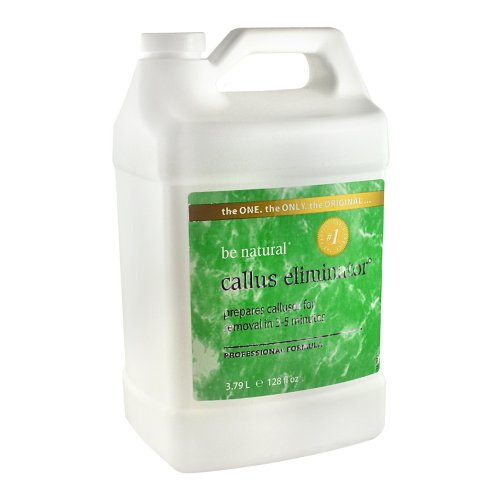
ProLinc Callus Elimnator is the largest container in this group at 128 fluid ounces. Its stated approach is straightforward: the formula breaks down calluses in three to five minutes, after which you file or buff the softened material away. That simplicity makes it appealing for a home beauty room, salon, or shared household.
You should think about storage before choosing it. A bottle this size suits a utility shelf or professional work area, yet it offers little appeal for a carry-on bag or a small bathroom shelf. Compared with ForPro Callus No More, it prioritizes quantity over a compact footprint.
Real Benefits
✓The 128 fl oz container supports frequent or shared applications.
✓A three-to-five-minute softening period fits a focused pedicure routine.
✓Buffing gives you control over how much loosened material you remove.
✓The large volume reduces the need for constant container replacement.
Room For Improvement
•The large bottle needs a suitable storage location.
•Travelers will find the container much less convenient than the QJCWXIAOX stick.
Who Should Grab It
You benefit most from ProLinc when a high-volume bottle matters more than compact storage.
Where A Sibling Pick Shines
ForPro Callus No More offers a smaller 32-ounce creamy liquid for people who want the same short softening approach without the large container.
QJCWXIAOX packs a high 60% urea concentration and 2% salicylic acid into a 1.41-ounce stick. Urea supplies moisture and softens rough skin, while salicylic acid helps loosen thickened surface cells. The light, non-greasy format is designed to absorb quickly, which makes application easier before bed or after a shower.
For a traveler, this stick is easier to pack than the large ForPro and ProLinc bottles. You may find the solid format less suitable for covering a wide heel evenly, so the 60% concentration and compact size are the features to weigh against your usual coverage.
Noteworthy Benefits
✓The 60% urea level provides intensive hydration and softening.
✓Salicylic acid complements moisture with surface exfoliation.
✓The light texture is designed to absorb without a heavy finish.
✓The small stick travels easily in a gym bag or overnight case.
Small Caveats
•The 1.41-ounce size may run out sooner with frequent full-foot use.
•It suits several dry areas, including hands, knees, and elbows.
Technical Highlights
Feature
Specification
Why It Matters
Urea concentration
60%
Offers a high hydration level for dry skin.
Salicylic acid
2%
Supports removal of rough surface buildup.
Container size
1.41 oz
Keeps the product compact and portable.
Made For
You benefit most from this stick when portability and concentrated urea matter more than covering broad areas quickly.
Look Elsewhere When
Taoscare 40% Urea Foot Cream offers a conventional cream for people who prefer spreading the formula across larger heel areas.
Ebanel Salon Grade Callus Remover combines 20% urea with Epsom salt in a thick gel. Epsom salt is a familiar soaking ingredient, while urea focuses on hydration and softening. Its no-drip consistency is the key practical feature, helping the formula remain on the heel or toe rather than spreading across the floor.
You can apply it precisely before a pedicure and buff the softened area afterward. The stated three-to-five-minute window gives it a similar rhythm to ForPro, though Ebanel targets localized areas more neatly. It fits a bathroom shelf better than the large liquid bottles, too.
Strengths Worth Knowing
✓The no-drip gel supports precise application on heels and toes.
✓Twenty percent urea softens while hydrating dry skin.
✓Epsom salt complements the callus-softening pedicure format.
✓The stated three-to-five-minute window fits a short home routine.
✓It can also be used on hands, fingers, knuckles, knees, and elbows.
Details To Watch
•Its gentler 20% urea level differs from the 40% and 60% cream options.
•Targeted gel works best when each area receives a proper application.
Best Suited To
You benefit most from Ebanel 20% Urea Callus Gel when precise application matters more than an all-over cream.
Swap It Out When
Ebanel 40% Urea Cream with 2% Salicylic Acid suits daily conditioning needs that extend beyond a short callus-removal session.
Ebanel 40% Urea Cream pairs the same core concentration used in the Taoscare option with a broader collection of conditioning ingredients. Glycerin and hyaluronic acid act as humectants, meaning they help attract and hold moisture. Shea butter, coconut oil, jojoba oil, and vitamin E round out a formula designed for dry, cracked feet.
This makes the cream a practical choice for regular maintenance rather than a single fast-softening step. Compared with Ebanel 20% Urea Callus Gel, you trade precise gel placement for a richer cream suitable for spreading over heels and other dry areas. The ingredient list is detailed, but your skin response remains personal.
Positive Points
✓Forty percent urea supports serious hydration and softening.
Ebanel Foot Care Cream is the useful counterpoint to the callus removers in this roundup. It comes in a compact 1 fl oz container, but it belongs to a separate foot-care category rather than serving as a callus-softening gel. Keeping that distinction clear prevents a targeted skin concern from being confused with ordinary heel maintenance.
You should not treat this compact cream as the solution for hardened calluses. For that task, one of the urea and salicylic acid formulas offers a clearer fit. Its value here is compact packaging and simple differentiation, which is why the honest read is that it belongs beside the list rather than at the center of it.
The Case For It
✓The 1 fl oz container takes up little cabinet space.
✓The cream format suits people who prefer a familiar leave-on texture.
✓Its separate care category helps distinguish it from callus removers.
Factors To Consider
•It does not provide the callus-softening focus of the other selections.
•You may need a larger container for frequent foot-care routines.
Whose Shelf It Belongs On
You benefit most from this compact cream when you organize separate foot-care products and want each one clearly identified.
Not Your Match When
Ebanel 20% Urea Callus Gel is the better fit for dry, thickened heels that need focused softening and hydration.
Urea is a humectant that helps attract water while softening rough skin. Salicylic acid supports exfoliation by loosening dead cells at the surface. A cream containing both suits dryness and texture together, while a gel built around urea may work better for a short, localized pedicure step.
Consider your actual routine
A large liquid bottle suits shared households or professional work areas. A compact stick travels more easily, and a balm works well when you want a longer conditioning ritual. Your schedule matters too, since fast-softening formulas are intended for a short treatment followed by gentle filing or buffing.
Look at the application method
A no-drip gel gives you control over individual heels and toes. A cream spreads more easily across broad areas, while a roll-on balm offers a controlled alternative to scooping product from a container. Choose the format you can comfortably use regularly rather than the one with the longest feature list.
Where The Extra Formula Difference Matters
What Separates Premium From Basic
A more complex cream may add humectants, conditioning oils, and emollients to a high-urea base. Those extra ingredients can make a product more appealing for repeated dry-skin care, but concentration and format still matter. A high-urea stick can be more practical than a richer cream for a traveler, while a targeted gel can outperform an all-over product for one stubborn heel.
Frequently Asked Questions
What is the difference between urea and salicylic acid in a callus remover?
Urea helps attract moisture and soften thickened skin, while salicylic acid helps loosen dead cells from the surface. Products combining both address dryness and rough texture, with a cream supporting a longer moisturizing routine.
How quickly do these callus removers soften skin?
ForPro Callus No More, ProLinc Callus Elimnator, and Ebanel 20% Urea Callus Gel state three-to-five-minute softening periods. Follow the product directions and avoid aggressively removing softened skin.
Is a gel better than a cream for dry feet?
A gel suits localized application, while a cream spreads more easily across broad heel areas. Dryness and texture together often favor a cream, whereas a short pedicure session on a specific callus may benefit from gel placement.
Can I use a foot cream on hands and elbows?
Several options are labeled for feet, hands, knees, and elbows. Check the directions and patch-test a new formula before applying it to another area.
When should thickened or cracked feet be assessed by a specialist?
Pain, deep cracks, spreading discoloration, or recurring skin changes deserve professional attention. People with diabetes or circulation concerns should ask an appropriate specialist about foot-care changes before using exfoliating products.
Final Verdict
The strongest all-around choice is Taoscare 40% Urea Foot Cream, while Ebanel 20% Urea Callus Gel offers the most precise application. For large-volume routines, ForPro Callus No More or ProLinc Callus Elimnator provides more product, and QJCWXIAOX handles travel with a compact stick. Choose the format and ingredient balance that suit your routine, then use it consistently and gently.
Staff
Our team brings together health and food enthusiasts who are passionate about discovering reliable health information, nutritious choices, and enjoyable food experiences. From everyday nutrition and healthy eating ideas to recipes, ingredients, food trends, and standout dishes, we share carefully researched and thoughtfully curated content to help readers make informed choices about what they eat and enjoy.