

A dinner ends late, your keys are still in your pocket, and you need a quick alcohol reading before deciding what to do next. These affordable breathalyzers fit personal checks, travel, workplace screening, and shared events, with fuel-cell and semiconductor options for different priorities. Accuracy claims, portability, mouthpieces, records, and calibration needs vary more than the initial cost, so the right choice depends on how often and where you plan to use it.
A Snapshot Of The Selections
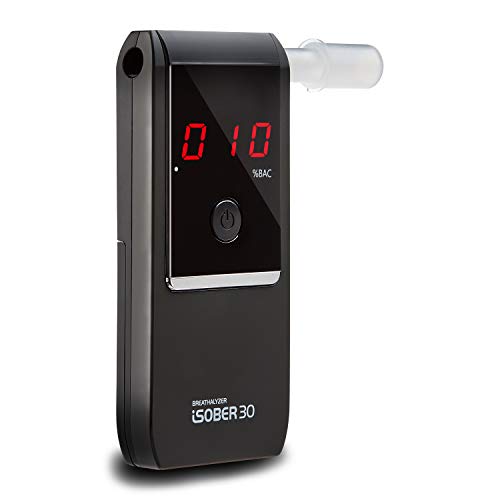
iSOBER 30 Fuel Cell Breathalyzer with Memory

AlcoMate AL2500 Mouthpiece-Free Precision Breathalyzer with LED Display

Plzmzwer Keychain Breathalyzer
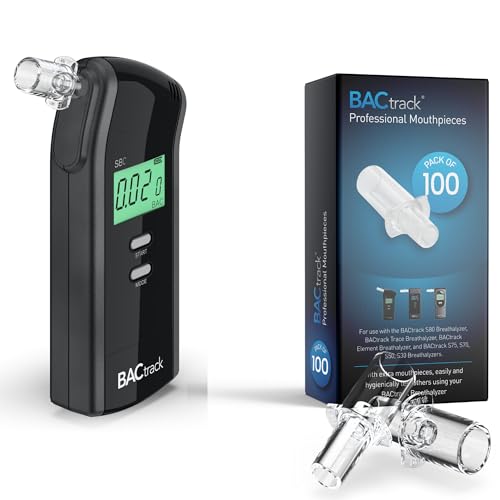
BACtrack S80 Breathalyzer with 100 Mouthpieces

BACtrack C8 Breathalyzer and Carrying Case

BACtrack Element Breathalyzer and 20 Mouthpieces

iBACheck Rechargeable Breathalyzer with LED
A Deeper Look At The Lineup
After a long dinner, you may want more than a rough estimate before handing over the car keys. The iSOBER 30 combines a fuel-cell sensor, a portable body, and a ten-entry measurement history, making it relevant for designated drivers, workplace programs, and repeated personal checks.
A fuel-cell sensor measures alcohol in breath through an electrochemical reaction, which generally makes it a more substantial sensor choice than a basic semiconductor model. The listed DOT and NHTSA compliance plus FDA 510(k) clearance also position this device more formally than a novelty unit.
Bright Spots
- Stores 10 dated results for tracking changes over time.
- Includes a clock, which helps place readings in context.
- US-based wet-gas recalibration supports ongoing maintenance.
- Portable format suits glove compartments and work bags.
Practical Considerations
- Recalibration is recommended every 12 months or 1,000 tests.
- The recorded history remains more useful when each reading follows the same personal procedure.
Key Specs
Who It Suits Best
This model fits designated drivers and workplace coordinators who need documented readings and a clear recalibration schedule.
Where Another Pick Suits Better
The AlcoMate AL2500 suits high-volume shared screening because it operates without replaceable mouthpieces.
A company party or safety meeting can put a lot of people through the same screening line. The AlcoMate AL2500 removes disposable mouthpieces from that process, while its three-digit display keeps readings visible during quick, repeated use.
Unlike the iSOBER 30, which stores dated readings and relies on fuel-cell technology, this model uses an oxide-semiconductor sensor and emphasizes fast access without accessories. The listed accuracy is ±0.01% through a 0.10% BAC range, a useful figure for comparing professional-style devices.
A Strong Showing
- No mouthpieces simplify turnover between adults.
- Three-digit LED output remains easy to read at a busy station.
- Compact construction supports fixed or mobile use.
- ±0.01% accuracy is specified through 0.10% BAC.
Some Limits To Know
- The semiconductor sensor differs from the fuel-cell approach used by the iSOBER 30.
- No result history is listed, so external notes may be necessary for repeated workplace checks.
- Your organization still needs a clear process for handling personal alcohol information.
Made For
Workplace safety staff, event organizers, and group hosts benefit from a compact unit that handles many adults without managing a pile of mouthpieces.
Consider Something Else When
The BACtrack S80 suits frequent shared use that requires a larger set of individual mouthpieces and personal result history.
Somewhere between a restaurant, a hotel, and the ride home, a full-size breathalyzer can feel like one more bulky item. The Plzmzwer puts a fuel-cell sensor, LCD, and rechargeable battery into a keychain format that slips into a pocket or hangs from your keys.
Unlike the AlcoMate AL2500, it provides 15 individual mouthpieces and a 200-result history. It also skips the sensor warm-up, so its convenience comes with personal-reference limitations and a need to wait after eating, smoking, drinking, or using mouthwash.
Where It Delivers
- Starts without a sensor warm-up for convenient use on the move.
- USB-C charging avoids disposable battery handling.
- Vibration feedback helps guide a steady three-second breath.
- Multiple display units suit people who prefer different measurement formats.
Areas To Watch
- Wait at least 20 minutes after eating, smoking, drinking, or using mouthwash.
- The estimated time to 0.00% BAC is for personal reference, not a legal driving decision.
Feature Snapshot
Best Suited To
Travelers, dinner guests, and casual personal monitors value the pocket size, rechargeable setup, and no-warm-up operation.
Not Your Match When
The BACtrack C8 suits you better when phone connectivity and a carrying case matter more than a keychain format.
Shared personal checks become easier when a device includes a substantial mouthpiece supply. The BACtrack S80 pairs 100 mouthpieces with one-button operation, adjustable BAC thresholds, and selectable measurement units, giving households and small workplaces more control over each session.
Its platinum-based Xtend fuel-cell sensor gives it a more specialized design than the compact Plzmzwer. The listed DOT and NHTSA screening compliance plus FDA 510(k) clearance make it relevant to safety-conscious personal use and organized programs, though your organization still needs appropriate procedures.
What Pays Off
- The 100 mouthpieces support many individual measurements.
- User-defined thresholds create a clearer personal alert level.
- Switchable units accommodate different recordkeeping habits.
- Two AA batteries keep the power system straightforward.
- The fuel-cell sensor supports a professional-style design.
Details To Watch
- The full mouthpiece supply adds bulk for occasional personal use.
- Two AA batteries require replacement rather than routine cable charging.
Technical Highlights
Who Will Love This
Households, designated-driver groups, and small workplaces appreciate the generous accessory set and configurable reading thresholds.
A Better Fit Elsewhere
The AlcoMate AL2500 fits busier shared events better when avoiding individual mouthpieces is your top priority.
A compact breathalyzer is more useful when it can move from a purse to a car without adding clutter. The BACtrack C8 measures 2.21 by 2.5 inches and comes with a carrying case, making its footprint easier to manage than the larger BACtrack S80 setup.
Its BluFire fuel-cell sensor supports personal monitoring, while ZeroLine estimates how long your BAC may take to return to 0.00%. The most distinctive feature is flexible connectivity: you can read results directly on the C8 or send them wirelessly to the BACtrack app.
Standout Benefits
- Standalone and app modes suit different routines.
- The carrying case protects a device intended to travel.
- ZeroLine provides a helpful time-to-zero estimate.
- Its compact dimensions fit easily into pockets and purses.
Where It May Fall Short
- Phone-based mode adds an extra screen into your routine.
- The time-to-zero estimate cannot replace a current breath measurement.
Core Details
The Right Fit
Frequent travelers and smartphone-focused users benefit from a small device that works with or without an app.
Skip It When
The BACtrack Element Professional suits you better when you want replaceable mouthpieces and a stated compliance profile.
You need more than a pocket novelty, but a large device with dozens of accessories may feel excessive. The BACtrack Element Professional sits between those extremes, pairing a fuel-cell sensor with 20 mouthpieces in a body measuring 4.75 by 1.9 by 0.75 inches.
One-button operation and two AAA batteries make the daily sequence uncomplicated. Its DOT and NHTSA compliance profile also sets it apart from the app-oriented BACtrack C8, making it a more natural fit for organized personal or workplace screening.
Positive Points
- The fuel-cell sensor supports consistent personal measurements.
- Twenty mouthpieces cover repeated individual use.
- One-button operation keeps the daily routine simple.
- The slim body fits a purse or jacket pocket.
Small Caveats
- The 100-mouthpiece S80 suits much heavier shared use.
- Two AAA batteries need occasional replacement.
- The C8 offers phone connectivity and a carrying case.
Built With In Mind
Small workplaces, families sharing occasional checks, and personal monitors benefit from a straightforward sensor with enough mouthpieces for regular use.
Another Choice May Suit
The BACtrack S80 suits groups that expect frequent use and want a much larger individual mouthpiece supply.
A rechargeable device can remove the recurring battery replacement from your routine. The iBACheck includes a detachable lithium-ion battery, a USB cable, and 10 mouthpieces, with up to 200 tests listed after a full charge for regular personal use.
Its semiconductor sensor measures alcohol concentration in seconds, while the alert beeps and red HI indicator appear above 0.050% BAC. The display range runs from 0.008% to 0.200% BAC, and you can adjust the alert level and preferred unit through the controls.
The Good Stuff
- USB charging simplifies routine power management.
- The battery supports up to 200 tests after charging.
- An adjustable alert gives you control over the warning point.
- Ten mouthpieces support cleaner individual use.
- A 10-result memory preserves recent readings.
Worth Bearing In Mind
- Wait at least 15 minutes after drinking because residual mouth alcohol can distort an early result.
- Use a charger rated for 5V and 2A or higher.
- Its semiconductor sensor differs from the fuel-cell models in this lineup.
The Main Details
Whose Shelf It Belongs On
Budget-conscious personal monitors benefit from rechargeable power, adjustable alerts, and enough measurements for frequent home use.
Reach For A Different Pick When
The BACtrack Element Professional suits you better when fuel-cell technology and DOT/NHTSA compliance matter more than rechargeable convenience.
What Matters Before Buying a Budget Breathalyzer
Sensor Technology
A fuel-cell sensor uses an electrochemical reaction to measure alcohol, while a semiconductor sensor detects alcohol through changes in its conducting properties. Fuel-cell models dominate the more specialized choices here, including the iSOBER 30 and several BACtrack models. Semiconductor designs such as the AlcoMate AL2500 and iBACheck may suit simpler personal routines, but the sensor type alone does not replace correct use or periodic calibration.
Intended Setting
Personal use, travel, and small workplace checks place different demands on a device. A shared event may justify a mouthpiece-free model, while a household that prefers individual mouthpieces can choose the BACtrack Element Professional. Frequent travel favors the BACtrack C8 or Plzmzwer, and a formal screening program calls for a clear compliance profile and documented maintenance process.
Records and Accessories
Result memory helps you notice changes over time, while individual mouthpieces reduce contact between users. The BACtrack S80 carries 100 mouthpieces for frequent shared use, whereas the iBACheck includes 10 and adds rechargeable power. You should also account for battery type, charging cable, carrying case, and the space needed to store accessories.
Waiting and Legal Use
Alcohol concentration changes over time, and food, smoke, or mouthwash can affect an early breath reading. Wait at least 15 to 20 minutes after these activities, following the device instructions. Treat every reading as personal reference rather than a legal determination of driving safety, and establish privacy rules for any workplace records.
Common Sense for Breathalyzer Choices
Mistakes Worth Dodging
Reading immediately after drinking can produce a misleadingly high result, while judging by weight or meal alone cannot reveal your actual BAC. Check the sensor type, calibration guidance, waiting period, power system, and accessory quantity before purchasing. A compact device with a small screen may also be harder to read in a busy setting.
Why Top Tier Costs More
Premium models commonly add professional-style fuel-cell sensors, more records, compliance features, better connectivity, or larger accessory bundles. Paying more makes sense when you need shared accessories, a formal screening profile, or phone-based records. A simple personal check may not need those extras.
Frequently Asked Questions
Are Cheap Breathalyzers Accurate?
Accuracy depends on the sensor, calibration, technique, and timing. Professional-style fuel-cell models generally fit more demanding use, while a semiconductor device can still serve personal reference checks.
How Long Should You Wait Before Using a Breathalyzer?
Wait at least 15 to 20 minutes after drinking, eating, smoking, or using mouthwash. This reduces interference from recent activity and residual alcohol in the mouth.
Do Breathalyzers Need Calibration?
Yes, periodic recalibration helps maintain measurement consistency. The iSOBER 30 recommends service every 12 months or 1,000 tests, so you should check each manufacturer’s maintenance schedule.
Are Rechargeable Breathalyzers Better Than Battery-Powered Ones?
Rechargeable models are convenient for frequent personal use because you can replenish power by cable. Replaceable batteries remain practical for people who value simple power management and keep spare cells nearby.
Can You Use a Personal Breathalyzer at Work?
You can use one in a workplace program, but your organization needs suitable procedures and privacy controls. A compliance profile, result records, and clear rules for handling personal information matter more than the device alone.
Final Verdict
Your best budget breathalyzer depends on the setting, not the smallest case or longest specification list. Choose a fuel-cell model for more demanding use, the AlcoMate AL2500 for mouthpiece-free shared screening, or a rechargeable option for simple personal monitoring. Match the device to your routine, follow its timing guidance, and treat the result as one piece of decision-making information.
