

A 2 a.m. feeding gets harder when every pause seems to bring more air into the bottle. The right system can keep milk moving steadily, reduce swallowed air, and make each stage of feeding less chaotic, whether you are starting with a newborn bottle or alternating breast and bottle.
A Quick View Of The Lineup
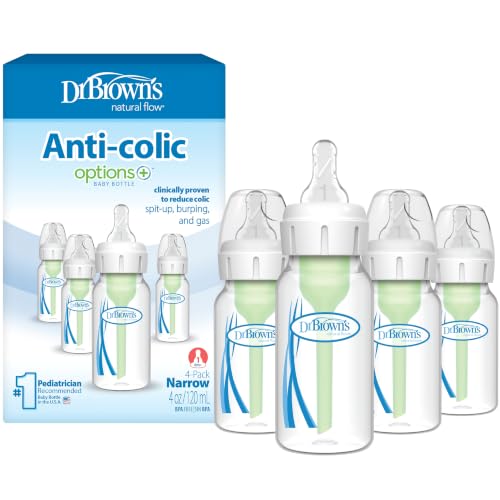
Dr. Brown’s Options+ 4 oz Anti-Colic Bottle

Qmibaby Wide Neck Breast Milk Storage Bottles 8 oz with 6 Gray and Pink Lids

ZCH Lansinoh Silicone Sleeves 8 oz

Dr. Brown’s Travel Caps for Original, Options, Options+

Thyseed Anti-Colic Glass Bottle 5 oz, 0m+ Extra Slow Nipple

Thyseed Anti-Colic Glass Bottle 8 oz, 3m+ Slow Flow, 2-Pack

Thyseed PPSU Anti-Colic Bottle 5 oz, 0m+ Extra Slow Flow
A Deeper Look At The Lineup
The small 4 oz capacity makes this Dr. Brown’s bottle a practical starting point for newborns and smaller feeds. Its internal vent system routes air away from the milk, while the silicone nipple supports a steady, vacuum-free flow. That combination matters during frequent feeds, particularly for caregivers managing spit-up, gas, or gulping.
Unlike the breast milk storage bottle later in this list, this model is designed around direct feeding. The breast-like nipple shape also supports a more natural latch, making it useful for babies moving between nursing and bottle feeding. The four-pack is a practical advantage for a household that rotates bottles throughout the day.
Well-Handled Touches
- The internal vent helps limit the amount of air reaching the milk during a feed.
- A consistent flow allows your baby to set a more comfortable feeding pace.
- The breast-shaped silicone nipple supports an easier transition between breast and bottle.
- Four narrow bottles cover repeated use, storage, and simple rotation.
Points To Keep In Mind
- The narrow format and 4 oz capacity may be less convenient once feeds become larger.
- Vent-system bottles involve more parts than a standard bottle, so allow time for disassembly and cleaning.
Key Specs
Made For
This bottle suits caregivers of newborns who want a narrow feeding bottle with a vented system and breast-like nipple.
Another Choice May Suit
Thyseed Anti-Colic Glass Bottle 5 oz, 0m+ Extra Slow Nipple may suit you better when a single-bottle purchase and extra-slow newborn flow take priority.
Breast milk storage can become a scattered collection of incompatible containers, so the wide neck is the key detail here. This borosilicate glass bottle can connect to most breast pumps and accept wide-neck nipples, allowing you to pump, store, and feed from the same vessel. That may simplify your setup, depending on your pump connection.
Unlike Dr. Brown’s Options+ 4 oz Anti-Colic Bottle, this Qmibaby option is not a vented feeding system. Its strength lies in storage versatility, with a screw-on lid, silicone sealing disc, fine measurement marks, and a writable surface for recording the date and time.
A Favorable Mix
- Glass construction avoids the plastic taste associated with some plastic containers.
- The wide neck supports pumping, storage, and feeding without transferring milk repeatedly.
- Graduated markings help you track small volumes of expressed milk.
- Removable parts fit in a dishwasher for easier cleanup.
- Six lids in gray and pink help separate stored portions.
Trade Offs
- You need a breast pump and nipple with compatible wide-neck fittings.
- Unlike plastic storage containers, glass adds weight to a packed diaper bag.
- This bottle does not include the venting features of an anti-colic feeding bottle.
Feature Facts
Built With In Mind
This set works well for pumping parents who want one container to handle collection, refrigeration, and later feeding.
A Better Fit Elsewhere
Dr. Brown’s Options+ 4 oz Anti-Colic Bottle is the stronger choice when your main concern is direct feeding and air reduction rather than milk storage.
Glass bottles can feel slippery for a baby working on bottle control, and these sleeves add a soft gripping surface without changing the bottle itself. The two handles give small hands something distinct to hold, while the silicone layer cushions accidental bumps. That makes the sleeve most useful during supervised practice with independent holding.
Compared with the Dr. Brown’s vented bottles in this lineup, the ZCH sleeve addresses handling rather than airflow. A viewing window also lets you check the milk level and volume marks through the sleeve. You still need a separate compatible bottle, since the glass bottles are not included.
Good Reasons To Consider
- Dual handles give babies an easier grasp during bottle practice.
- Soft silicone cushions a glass bottle against everyday bumps.
- The viewing window provides a quick look at the remaining milk.
- Three sleeves make it easier to rotate compatible bottles.
Details To Watch
- The sleeves fit new Lansinoh 8 oz glass bottles only, not older models.
- Your existing bottle must have the matching shape for the sleeve to sit correctly.
Right Fit For
These sleeves suit caregivers helping a baby practice holding a new Lansinoh 8 oz glass bottle with a safer, easier grip.
Reach For A Different Pick When
Thyseed PPSU Anti-Colic Bottle 5 oz, 0m+ Extra Slow Flow may suit you better when you need a complete feeding bottle rather than a grip accessory.
Feeding bottles need more than a secure nipple once you move from feeding to storage, warming, or travel. These replacement caps give Dr. Brown’s Original, Options, and Options+ bottles a closed configuration for those tasks. They also prevent the vent, collar, and nipple from sitting in the bottle while milk is being warmed.
This is an accessory rather than another feeding bottle, so it earns a place in this lineup by completing the Dr. Brown’s system. The package is labeled as a three-count pack of two, giving you several caps for bottles used across home, daycare, and travel. You will still need compatible bottles and their usual feeding parts.
Features That Help
- The cap creates a closed setup for refrigerated or transported milk.
- Compatibility covers three Dr. Brown’s bottle families.
- Multiple caps support separate bottles used throughout the day.
Possible Compromises
- You need a compatible Dr. Brown’s bottle; these caps cannot be used with another brand.
- Storage and warming caps replace rather than supplement the normal feeding assembly.
Quick Facts
Whose Shelf It Belongs On
This cap set belongs with households already using Dr. Brown’s bottles and needing a separate closure for storage or travel.
Where Another Pick Shines
Dr. Brown’s Options+ 4 oz Anti-Colic Bottle is the more complete choice when you need the bottle itself rather than replacement caps.
A newborn bottle needs a gentle flow, and the 0m+ extra-slow nipple is the central feature here. Its multiple micro-openings release milk gradually, which may make feeds less rushed for breastfed babies accustomed to a slower pace. The 5 oz glass body provides a little more capacity than the 4 oz Dr. Brown’s option without moving into the larger 8 oz format.
Unlike Dr. Brown’s internal vent, this bottle places its vent at the base to separate air from the milk. That structural difference may appeal when you prefer a glass body and a single-bottle purchase. The package contains one bottle, so having a second on hand would require another purchase.
The Practical Payoff
- The base vent is designed to reduce bubbles and swallowed air during feeding.
- Extra-slow flow supports a gentler pace for newborn feeding.
- The breast-like nipple shape suits breastfed babies learning to bottle-feed.
- Glass construction suits caregivers who prefer a rigid bottle body.
Points To Note
- The single-bottle pack offers less rotation than a multipack.
- The 0m+ extra-slow nipple may be slower than the flow your baby prefers as feeds progress.
Who Will Love This
This bottle is a sensible fit for breastfed newborns who need an extra-slow flow and a compact 5 oz glass feeding system.
Swap It Out When
Thyseed Anti-Colic Glass Bottle 8 oz, 3m+ Slow Flow, 2-Pack serves you better once your baby is ready for larger feeds and you want two bottles.
As a baby begins taking larger feeds, the 8 oz size can reduce the need for a second bottle during one feeding. This Thyseed set pairs that roomier capacity with a slow-flow nipple marked for babies aged three months and older. Two bottles make simultaneous or back-to-back feeds easier to manage.
The base vent follows the same air-separating approach as Thyseed Anti-Colic Glass Bottle 5 oz, 0m+ Extra Slow Nipple, but the larger bottle and slower 3m+ designation suit a later stage. The honest trade-off is weight: two glass bottles take more space in a diaper bag than a single plastic bottle.
What Works In Its Favor
- Two 8 oz bottles provide useful capacity and convenient rotation.
- The base vent helps keep air out of the milk during feeding.
- Micro-openings in the nipple create a steadier flow for older babies.
- Glass bodies give the bottles a clear, rigid structure.
- The 3m+ marking provides a more useful age cue than a generic nipple label.
Smaller Caveats
- The 8 oz size may be more than your baby needs for a single feed.
- Two glass bottles add more weight to a travel bag.
Core Details
Best Suited To
This two-bottle set suits families with babies aged three months and older who are taking larger, slow-flow feeds.
Look Elsewhere When
Thyseed Anti-Colic Glass Bottle 5 oz, 0m+ Extra Slow Nipple is the closer match for a newborn who needs the smallest capacity and gentlest listed flow.
PPSU, or polyphenylsulfone, gives this bottle a different handling profile from the glass models in the lineup. You still get a 5 oz capacity, an extra-slow 0m+ nipple, and a base vent intended to keep air out of the milk. For a home where a rigid glass bottle feels cumbersome during frequent feeds, that material change is meaningful.
The soft silicone nipple has a breast-like shape for a natural latch, making this another sensible option for combination feeding. Compared with Thyseed Anti-Colic Glass Bottle 5 oz, 0m+ Extra Slow Nipple, the feeding features are closely aligned, so your decision comes down to the bottle body rather than a major change in flow.
What Makes Sense
- The PPSU body offers a lighter-feeling alternative to glass.
- The extra-slow nipple supports a paced newborn feeding style.
- The breast-like shape encourages a natural latch for breastfed babies.
- The 5 oz size remains manageable for smaller feeds.
Less-Strong Areas
- Only one bottle is included, so rotation requires another purchase.
- Glass may appeal to you more when bottle weight is not a concern.
Technical Reference
Who Should Grab It
This bottle suits breastfed newborns who need an extra-slow nipple and a lighter-feeling option for frequent handling.
Not Your Match When
Dr. Brown’s Options+ 4 oz Anti-Colic Bottle may suit you better when a narrow four-bottle set and internal vent system take priority over material preference.
What Matters Before You Choose A Feeding Bottle
Match The Bottle To The Feeding Stage
Bottle age markings, nipple flow, and capacity work together rather than serving as isolated labels. The 4 oz Dr. Brown’s and 5 oz extra-slow Thyseed bottles suit smaller newborn feeds, while the 8 oz Thyseed set is better aligned with larger feeds and babies aged three months or older. Your baby’s cues remain more useful than any label alone.
Look At The Venting Design
A vent system is a route for air to leave the feeding path instead of traveling through the milk. Dr. Brown’s uses an internal vent, while the Thyseed bottles place the vent at the base. Both approaches are designed to reduce swallowed air, but bottle cleaning and assembly still require attention.
Check Every Connection
Wide-neck storage bottles need compatible pump fittings and nipples. Dr. Brown’s travel caps need a bottle from the Original, Options, or Options+ family. The ZCH sleeves fit new Lansinoh 8 oz glass bottles only. Checking the shape before ordering prevents a frustrating mismatch later.
Consider Glass, PPSU, And Silicone
Glass provides a rigid body, PPSU offers a lighter-feeling plastic alternative, and silicone sleeves add grip around a compatible glass bottle. None is automatically right for every feeding routine. Consider how often the bottle is handled, carried, washed, and handed to your baby.
Bottling Details That Influence Daily Use
Mistakes Worth Dodging
Do not choose by the word “colic” alone, since several items here are storage or handling accessories rather than vented feeding bottles. Match the product to the actual task, confirm every connection, and check the nipple marking against your baby’s current feeding stage.
What The Higher Tier Buys
Higher-tier feeding bottles often put more emphasis on the vent architecture, nipple response, and coordinated replacement parts. That extra design work can be worthwhile for frequent feeding, breast-bottle transitions, or a household that wants one system to handle several stages.
Frequently Asked Questions
Do These Bottles Stop Colic?
No bottle can promise to stop colic. The vented models are designed to reduce swallowed air and support a steadier feed, while your baby’s comfort and feeding cues still guide the response.
Should I Choose Glass Or PPSU?
Glass suits you when a rigid bottle body is your preference, while PPSU offers a lighter-feeling alternative for frequent handling. The ZCH silicone sleeves are intended specifically for new Lansinoh 8 oz glass bottles.
Which Nipple Flow Fits A Newborn?
The 0m+ extra-slow nipples on the Thyseed 5 oz bottles are the closest match here for a gentle newborn pace. The 8 oz Thyseed bottle uses a 3m+ slow-flow nipple, which is intended for a later stage.
Does The Qmibaby Bottle Work With Every Breast Pump?
Its wide neck fits most breast pumps and wide-neck nipples, but not every model. Check the connector shape and neck width of your pump before ordering.
How Many Dr. Brown’s Travel Caps Are Included?
The package is labeled as a three-count pack of two. That gives you two groups of three caps for compatible Original, Options, or Options+ bottles.
Final Verdict
Start with your feeding stage, then match the vent, nipple, and material to your routine. Dr. Brown’s Options+ offers a strong four-bottle starting set, the Thyseed models cover extra-slow and slow-flow stages, and the Qmibaby, ZCH, and travel-cap options solve specific storage or handling needs. Choose the complete system that matches your day rather than the bottle with the most features.
