

Compression after a tummy tuck must fit the stage of your recovery, the procedure you had, and the level of shaping you want. A faja is a structured compression garment, while an ab board adds firmer abdominal support and a back board targets the lower-back area. The Snatched Body options below cover early recovery, daily shaping, and later-stage contouring, giving you a focused place to start.
A Quick View Of The Lineup

Snatched Body Stage 1 Faja

Snatched Body Stage 3 Faja

Snatched Body Full-Coverage Post-Surgery Ab Board
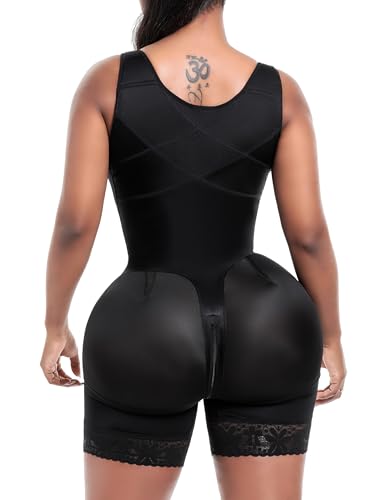
Snatched Body Stage 2 BBL Faja

Snatched Body Back Board
Snatched Body Stage 2 Bodysuit
The Details Behind The Selections
Early post-surgery dressing needs a different balance from the stronger shaping in the Snatched Body Stage 3 Faja. This Stage 1 design is positioned for support following a tummy tuck, liposuction, or BBL, with an emphasis on the waist rather than heavy compression across the seat and thighs.
The padded straps, three hook levels, and bathroom-access zipper make it practical for a recovery routine that involves dressing, undressing, and changes in compression. The honest read is that this is the most flexible early-stage option in the group, although your surgical team’s instructions should determine when and how you wear it.
What Works In Its Favor
- Waist-focused compression avoids adding pressure around the buttocks and thighs.
- Three closure levels let you adjust the fit as your body changes.
- Padded straps improve comfort where a full-body garment can feel restrictive.
- The bathroom zipper adds practical access without removing the whole garment.
Things To Consider
- The full-body coverage takes longer to put on and remove than a simpler bodysuit.
- Stage-specific sizing and your care team’s timeline should guide the level of compression you select.
Key Specs
Built With In Mind
This garment suits people entering early post-tummy-tuck recovery who need adjustable waist support with less pressure around the hips.
A Better Fit Elsewhere
The Snatched Body Stage 2 BBL Faja suits shoppers who want more targeted waist shaping for daily wear after the early recovery stage.
The Stage 3 option serves a different purpose from the adjustable Stage 1 design: strong contouring with a strapless, short-cut profile. It is positioned for people beyond the initial post-operative stage, particularly those with an established BBL or liposuction result who want a defined waist and smooth silhouette under clothing.
Powernet is the stretch compression fabric used on the interior, while the bidirectional outer fabric is designed to shape in multiple directions. Two stays support the garment’s structure, and the open-bust construction gives you more freedom with bras and necklines.
The Helpful Details
- Strapless construction leaves the shoulders and upper body free.
- The open bust allows different bra choices, including going without one.
- Three hook levels provide more than one level of waist cinching.
- The short cut can sit beneath dresses, fitted tops, and other close-fitting outfits.
Points To Note
- The strapless design offers less shoulder support than the padded-strap Stage 1 model.
Feature Snapshot
Right Fit For
This faja suits later-stage patients seeking a strapless, high-compression silhouette for fitted clothing.
Another Choice May Suit
The Snatched Body Stage 1 Faja better suits early recovery shoppers who prioritize adjustable straps and less pressure around the hips.
Where the fajas wrap the torso, this ab board concentrates support across the abdominal area. Its full-coverage design is intended to sit beneath a faja after a tummy tuck or liposuction, giving the abdomen a broad, firm layer of compression rather than relying on a garment alone.
That layered approach makes it useful during dressing changes and throughout the day, provided the board fits your torso and the outer garment allows room for it. The flexible construction and broad abdominal coverage are the main reasons to consider this option instead of moving directly to a higher-compression faja.
Features That Help
- Full abdominal coverage creates a broad support layer.
- The flexible design is intended to move with daily bending and dressing routines.
- It can sit under a faja for firmer, more targeted abdominal support.
- Its shape helps reduce shifting and bunching around the waist.
Practical Considerations
- Your faja may need more room around the abdomen to accommodate the board.
- The board is an added layer, so dressing and garment compatibility need checking before use.
Technical Highlights
Made For
This board suits abdominal-focused recovery patients who want a firm support layer beneath a faja after a tummy tuck or liposuction.
Consider Something Else When
The Snatched Body Back Board is a more focused alternative for shoppers whose priority is lower-back support rather than broad abdominal coverage.
The Stage 2 BBL Faja occupies the middle ground between the more flexible Stage 1 garment and the strapless Stage 3 design. It is positioned for approximately six weeks after procedures such as a tummy tuck, liposuction, or BBL, while remaining useful for everyday shaping beyond that point.
Its adjustable straps, three hook levels, built-in bra, and bathroom zipper create a more versatile daily setup. The Powernet fabric and bidirectional stretch are intended to contour without requiring a completely strapless profile, which may feel more secure for some dressing routines.
Practical Pluses
- Adjustable straps and three closure levels allow fit changes throughout the day.
- The unpadded built-in bra simplifies dressing after a BBL or tummy tuck.
- Flatter seams and no back darts help the garment sit smoothly beneath clothes.
- The bathroom zipper adds convenience without sacrificing full-body coverage.
Worth Noting
- The fuller coverage takes more dressing time than the Stage 3 short-cut faja.
- Adjustable components need careful tensioning to avoid unwanted bunching.
Quick Facts
Who Will Love This
This faja suits patients moving into Stage 2 recovery who want full-body compression, adjustable coverage, and a garment that can transition into daily wear.
Reach For A Different Pick When
The Snatched Body Stage 3 Faja better suits shoppers who want a strapless short-cut design for close-fitting outfits.
A back board answers a more specific need than the broad abdominal coverage of the ab board. This contoured piece sits at the lower back and is designed to complement a Stage 2 faja during BBL recovery or daily contouring, adding a focused support layer where the garment needs it most.
Its lower-back shape may also appeal to shoppers using shapewear after postpartum recovery. Since it depends on a compatible faja for its primary use, checking the garment’s dimensions and back coverage is the sensible first step.
Notable Upsides
- The contoured shape targets the lower-back area rather than the full abdomen.
- It can complement Stage 2 fajas, post-surgical shapewear, or daily-use garments.
Small Caveats
- Its main use depends on pairing it with a compatible faja.
- People wanting one complete compression garment may find a full-body faja more straightforward.
Whose Shelf It Belongs On
This back board suits BBL and contouring shoppers who want a focused lower-back layer to wear with a Stage 2 faja.
Swap It Out When
The Snatched Body Full-Coverage Post-Surgery Ab Board better suits tummy tuck patients who need broad abdominal support instead.
For shoppers who want a straightforward torso garment, this Stage 2 bodysuit offers a simpler alternative to the multi-component fajas in the lineup. Its post-surgical positioning and tummy-control format suit the middle part of a recovery routine, particularly for those interested in shaping without separate straps or a board.
The fewer adjustments can make this format easier to add to a morning routine, although the compact design may not provide the same support coverage as a full-body faja. You may find it most useful for the torso rather than a BBL-focused setup, depending on your proportions and clothing preferences.
Noteworthy Benefits
- The bodysuit format combines torso shaping and tummy control in one piece.
- Its simple construction suits shoppers who prefer fewer separate components.
Less Ideal Details
- The torso-focused format offers less coverage than a full-body faja.
- Confirm the fit around the torso and hips before committing to your usual size.
The Right Fit
This bodysuit suits Stage 2 shoppers who want uncomplicated tummy control without wearing a full-body faja or compression board.
Where Another Pick Shines
The Snatched Body Stage 2 BBL Faja offers a fuller construction for patients wanting waist shaping, adjustable straps, and broader coverage.
What Matters Before Compression Goes On
Compression garments work best when their coverage and adjustment match your procedure and your surgical team’s instructions. Treat the stage labels as product positioning, then compare each garment with the areas you actually want supported.
Match The Stage To Your Procedure
Stage 1 focuses on adjustable early support, Stage 2 blends recovery shaping with daily wear, and Stage 3 emphasizes high compression and a smooth silhouette. A tummy tuck, liposuction, and BBL can involve different priorities, so your care team’s guidance should come before any product stage.
Decide Which Area Needs Support
The Stage 1 faja emphasizes the waist while leaving more room around the hips and thighs. The Stage 2 bodysuit offers a simpler torso format, the ab board covers the abdomen, and the back board concentrates on the lower back. Pick the area first, then consider the rest of the garment.
Check Fit And Layering
Compression should sit smoothly without unwanted folds, pinching, or pressure in sensitive areas. Anyone using an ab or back board should leave enough room in the outer faja, and anyone relying on hook closures should confirm that the adjustment range suits the required snugness.
Common Mistakes In Compression Shopping
Wrong Turns To Avoid
A stronger garment is not automatically the more suitable one. Buying a later-stage faja too early can make dressing unnecessarily complicated, while buying a basic bodysuit for someone wanting full-body shaping leaves a coverage gap. Match the garment to the support area and follow your surgical team’s timeline.
What Separates Premium From Basic
A more structured faja may add adjustable straps, multiple hook levels, shaped panels, stretch fabrics, or built-in features. Those details matter for repeat wear and clothing compatibility, but a complex garment also takes more time to put on and adjust. The useful upgrade is the feature your daily routine needs, not simply the longest feature list.
Frequently Asked Questions
When should compression after a tummy tuck begin?
Follow the timeline provided by your surgical team, since recovery protocols vary. The product stages described here are purchasing categories, not individualized recovery instructions.
What is the difference between Stage 1 and Stage 2 compression?
Stage 1 provides adjustable early-stage support with a focus on the waist and less pressure around the hips and thighs. Stage 2 adds a fuller shaping design, adjustable straps, and more features for recovery and daily wear.
Can the Stage 3 faja be worn under fitted clothing?
Its strapless, short-cut, open-bust construction is designed for close-fitting outfits. You can choose the bra configuration that suits your outfit and compression preference.
Is an ab board worn instead of a faja?
This ab board is designed to sit beneath a faja, creating an additional abdominal support layer. Clothing compatibility and room around the waist remain important checks.
What does the back board add to Stage 2 shapewear?
The back board provides focused lower-back support to complement a Stage 2 faja. It is a targeted add-on rather than a complete full-body compression garment.
Final Thoughts
Your best choice depends on recovery stage, procedure, and the area needing the most support. Early-stage patients may favor the adjustable Snatched Body Stage 1 Faja, while daily contouring points toward Stage 2 and the strapless Stage 3 option. An ab or back board becomes more useful when your priority is targeted abdominal or lower-back support. Choose the coverage you need, check the fit, and follow your care team’s guidance.
