

A broken ankle can make every step feel like a small negotiation, especially while you move through crutches, physical therapy, and daily tasks at home. You need enough support to manage swelling and stay comfortable without choosing a product that interferes with your rehabilitation plan. The six options below range from semi-rigid braces to low-profile sleeves and cordless air compression devices, giving you a clearer way to match support with your specific stage of recovery.
The Essentials At A Glance
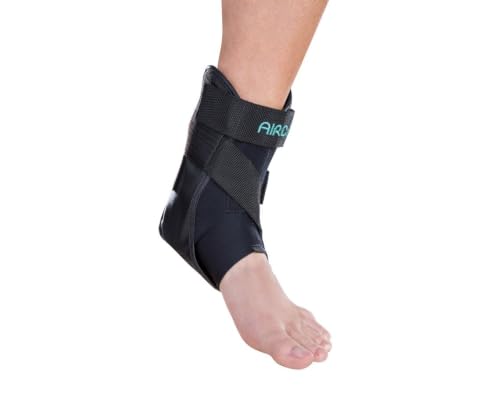
AIRCAST Airsport Ankle Brace for Chronic Ankle Instability, Left Medium
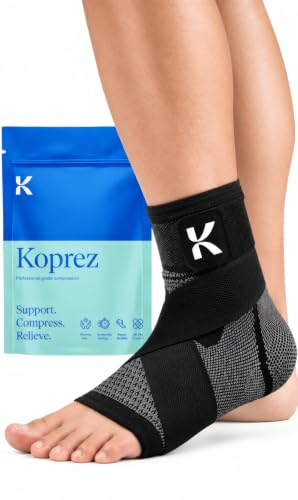
Koprez Ankle Compression Sleeve

INDEEMAX Copper Ankle Compression Support Sleeve for Plantar Fasciitis, Medium
Plantar Fasciitis Ankle Sleeve

Comfytemp Air Leg Compression Massager

Comfytemp Air Compression Recovery Device
Meet The Standout Selections
Your ankle needs more than gentle pressure on days when you still have to navigate uneven floors, stairs, or a busy workplace. The AIRCAST Airsport uses a semi-rigid shell, cushioned air cells, and a cross strap to limit inward and outward rolling while allowing some natural movement.
That structure makes it a sensible option for Grade I and II sprains or lingering instability, though this listing is labeled for the left ankle in medium. Unlike the flexible sleeves later in this roundup, it stays upright and structured, which can feel reassuring during rehabilitation exercises.
The Good Stuff
- Semi-rigid construction offers more directional stability than a stretch sleeve.
- Foam-filled air cells provide adjustable cushioning around the joint.
- The cross strap, forefoot wrap, and shin wrap reinforce the ankle from several angles.
- Motion-friendly support suits walking and selected sports activities.
- Either-foot design adds practical flexibility, subject to the listed left-medium configuration.
Trade Offs
- The structured shell takes more room than a low-profile compression sleeve.
- Your footwear and rehabilitation plan should accommodate its bulk.
Key Specs
Built With In Mind
This brace suits active people managing a recent Grade I or II sprain who need firmer support while moving through daily activities.
Where Another Pick Suits Better
The Koprez Ankle Compression Sleeve offers a thinner, more flexible option for footwear fit and all-day compression.
Compression works best when it fits the routine you already have, and the Koprez Ankle Compression Sleeve stays close to the foot without the bulk of a rigid brace. Ventilated fabric helps manage warmth, while crossed straps let you adjust compression around the heel and ankle.
That combination makes it useful for long work shifts, regular walks, or light exercise once your rehabilitation professional has cleared that activity. You may find the sleeve more practical than the AIRCAST Airsport when narrow shoes or frequent sitting are the main concerns.
Useful Strengths
- Crossed straps provide adjustable support around the heel.
- The low profile fits more easily inside everyday footwear.
- Ventilated construction helps manage heat during long wear periods.
- Flexible compression supports walking, workouts, and standing work.
Small Caveats
- It supplies flexible compression rather than rigid support against ankle rolling.
- Adjust the straps evenly and confirm that the fit does not create tingling or numbness.
- Your footwear should have enough room to avoid bunching.
Made For
People recovering at home who need low-profile compression for commuting, desk work, and extended periods of standing.
Another Choice May Suit
The INDEEMAX Copper Ankle Compression Support Sleeve suits shoppers who prefer a simple pull-on design without crossed adjustment straps.
A clean pull-on shape matters when your ankle still feels tender and you do not want to adjust straps with every shoe change. The INDEEMAX Copper Ankle Compression Support Sleeve combines 90% copper-infused nylon with 10% spandex, creating a stretchy fabric that sits close around the heel and ankle.
Three-dimensional knitting distributes pressure around the joint, while the low profile allows it to sit under socks and footwear. Compared with the AIRCAST Airsport, it feels more like a flexible support garment, so your clinician’s guidance on stability needs should guide that choice.
A Strong Showing
- Elastic fabric conforms closely around the ankle and heel.
- Copper-infused yarn adds a distinctive material without changing the sleeve-like fit.
- Three-dimensional knitting provides a rounded, fairly consistent wrap.
- Its low profile works well beneath normal shoes and socks.
Points To Note
- The listed size is medium, so measure your ankle before ordering.
- There are no crossed straps for making heel-specific adjustments.
- The stretch construction offers less lateral support than a semi-rigid brace.
Feature Snapshot
Right Fit For
This sleeve suits people who want discreet, close-fitting support for everyday footwear and everyday walking.
A Better Fit Elsewhere
The AIRCAST Airsport Ankle Brace for Chronic Ankle Instability, Left Medium better serves people whose priority is rigid support against ankle rolling.
The Plantar Fasciitis Ankle Sleeve follows a familiar recovery-day formula: a breathable compression layer with crossed straps around the heel and ankle. The design supports the arch area during standing and walking without adding the rigid shell found in a sports brace.
Its core format closely matches the Koprez Ankle Compression Sleeve, so your decision comes down to the listing details and a careful fit check. For a long shift spent standing or walking, the adjustable profile may be more accommodating than a one-piece stretch sleeve.
Practical Advantages
- Crossed straps let you balance compression around the heel.
- Ventilated fabric reduces the bulk of a heavier support garment.
- Low-profile construction works with many everyday shoes.
- Flexible fabric permits natural movement during standing and walking.
Honest Caveats
- It is a compression sleeve, not a rigid immobilization brace.
- Both feet share the same general design, so confirm left-or-right orientation on the listing.
- Loose or uneven strap tension may feel less secure during faster movement.
Best Suited To
This option suits people spending long hours on their feet who want adjustable support without a hard ankle frame.
Where A Sibling Pick Shines
The Koprez Ankle Compression Sleeve is a cleaner choice for shoppers who prefer the branded Koprez presentation of the same low-profile support format.
Sometimes recovery support means settling into a chair and letting the legs rest rather than keeping a sleeve on all day. The Comfytemp Air Leg Compression Massager uses inflatable boots to provide sequenced pressure across the feet, ankles, and lower legs.
Its cordless design keeps you away from a wall outlet, which is useful during travel or downtime at home. The honest distinction is that this is a temporary relaxation device, not a brace, so it does not stand in for the stability provided by the AIRCAST Airsport.
Everyday Advantages
- Cordless operation supports use in different rooms or while traveling.
- Boot coverage extends from the feet through the lower legs.
- Air pressure provides a adjustable, cushioned feeling during use.
- The rechargeable battery avoids a permanent power connection.
Things To Consider
- The boots occupy more storage space than a fabric sleeve.
- Runtime varies with the selected settings.
- It provides no rigid support while you are walking or transferring.
Quick Facts
Who Will Love This
This device suits people who want a cordless relaxation routine for both legs while resting at home or traveling.
Consider Something Else When
The Comfytemp Air Compression Recovery Device offers a smaller option centered on the feet and ankles for tighter spaces.
When your priority is a small device for foot and ankle relaxation, the Comfytemp Air Compression Recovery Device takes up less space than full leg boots. It weighs one pound and runs without a cable, so moving it from the bedroom to the office or packing it for a trip is straightforward.
The listed size range is 6 to 10, making that measurement an essential pre-purchase check. Compared with the Comfytemp Air Leg Compression Massager, it focuses on the foot and ankle rather than the entire lower leg, but neither product provides rigid stability during walking.
The Helpful Details
- Wireless construction keeps the device easy to reposition.
- One-pound weight suits travel and compact storage.
- Foot and ankle coverage targets the area around a recovering joint.
- Rechargeable power supports convenient use away from an outlet.
- Support is available around the clock for product questions.
Possible Drawbacks
- You must confirm that your measurements fall within the listed 6-to-10 range.
- Runtime changes according to the chosen setting.
- It is a relaxation device rather than an ankle support garment.
Core Details
The Right Fit
This device suits people focused on portable foot and ankle relaxation whose measurements fall within the listed size range.
Reach For A Different Pick When
The Comfytemp Air Leg Compression Massager better serves people who want pressure coverage across the feet, ankles, and lower legs.
What Your Recovery Plan Actually Needs
Compression socks and sleeves apply pressure around the lower leg, foot, or ankle. A semi-rigid brace adds a rigid shell and straps, while an air compression device uses moving air pressure for a temporary massage-like sensation. Match the product to the support prescribed by your rehabilitation professional rather than choosing by appearance alone.
Match Support To The Injury Stage
Fresh fractures and later-stage healing can call for entirely different approaches. Your clinician may limit weight-bearing, movement, or compression during particular phases, making the product type and timing more important than the material.
Account For Fit And Footwear
A close fit matters more than a complicated design. Measure the ankle or foot, check left-or-right orientation, and leave enough room in your shoes to prevent bunching, pressure points, or tingling.
Separate Comfort From Stabilization
Compression may feel supportive while giving you little resistance against ankle rolling. Choose a semi-rigid brace when directional stability matters, a flexible sleeve for low-profile support, or an air device for short relaxation sessions.
Common Sense Before You Buy
Common Shopping Slip Ups
Do not assume a stretchy sleeve replaces a rigid ankle brace, or that a copper-infused fabric automatically provides stronger support. Check the intended coverage, size, fastening system, and compatibility with your footwear before ordering.
What Separates Premium From Basic
Higher cost may reflect firmer materials, more adjustable components, broader coverage, or a rechargeable air system. Spending more makes sense only when that added structure serves your activity, fit, and rehabilitation requirements.
Frequently Asked Questions For Compression Socks For Broken Ankle Recovery
Can Compression Socks Be Used With A Broken Ankle?
Compression socks can provide pressure and close support when your rehabilitation professional considers them appropriate. They do not replace the immobilization, weight-bearing limits, or exercise guidance connected with your fracture.
What Is The Difference Between A Sleeve And A Brace?
A sleeve stretches around the foot and ankle to provide flexible compression. A brace adds straps, a semi-rigid shell, or other structure intended to limit movement and resist ankle rolling.
How Tight Should Compression Socks Feel?
They should feel snug and comfortable without causing numbness, tingling, or color changes. Stop using them and seek guidance from your clinician if any of those signs appear.
Can You Wear Compression Socks Overnight?
Only wear them overnight if your rehabilitation professional recommends that use. Extended compression may not suit every fracture or immobilization setup.
When Is An Air Compression Device More Useful?
An air compression device is useful for short, cable-free relaxation sessions when your clinician approves that activity. It provides temporary pressure but does not replace a brace for stability while walking.
Final Verdict
The AIRCAST Airsport offers the most structured support in this group, while the Koprez and INDEEMAX sleeves suit lower-profile daily wear. The two Comfytemp devices serve a different purpose, providing cordless air compression while you rest. Match the choice to your prescribed support level, footwear, and recovery stage rather than treating every swollen ankle the same way.
