

By evening, your legs may feel heavy after a flight, a long shift, or a day spent moving around, and that discomfort can make sitting still less appealing. Graduated compression means the pressure changes along the leg rather than staying uniform, so compression socks for restless legs can add snug support while keeping the fabric comfortable. Pressure and coverage matter more than squeezing harder, especially for office workers, travelers, nurses, and anyone who sits for long stretches. Persistent or recurring symptoms deserve a health professional’s attention rather than relying on a sock as a diagnosis.
How The Shortlist Stacks Up
NEWZILL Compression Socks 20-30 mmHg

NEWZILL Compression Calf Sleeves 20-30 mmHg
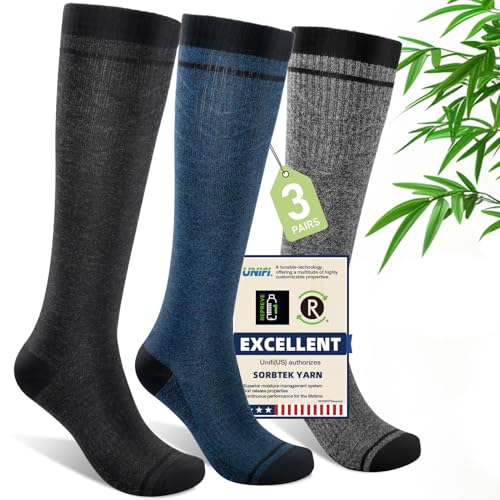
Iambamboo 15-20 mmHg Flight Socks
Sockwell On the Spot Sock
Sockwell Full Flattery

Sockwell Damask Socks
Why These Options Stand Out
Picture your legs after a twelve-hour shift, a flight, or a day spent moving between appointments. This knee-high pair offers 20-30 mmHg of graduated compression, giving the lower leg more substantial support than the moderate 15-20 mmHg options farther down this list.
The 65% nylon and 35% spandex blend should flex with your stride, while the four-way-stretch cuff and contoured shape help prevent the sock from sliding. You get fuller foot and calf coverage here, making it a practical fit for workdays, travel, and active routines.
Everyday Advantages
- Firmer 20-30 mmHg compression gives you a more pronounced graduated feel.
- Knee-high coverage includes the foot, ankle, and lower leg.
- Four-way stretch supports movement during walks, workouts, and long shifts.
- The seamless toe reduces a common source of rubbing around the toes.
Things To Consider
- The 20-30 mmHg range feels firmer than the 15-20 mmHg picks here, so new compression wearers may prefer a lighter option.
- Check the size and calf measurements before ordering to avoid an overly tight cuff.
Key Specs
Who It Suits Best
You benefit most from this pair during long shifts, travel days, and active routines that call for firmer lower-leg support.
A Better Fit Elsewhere
NEWZILL Compression Calf Sleeves 20-30 mmHg suit you better when you want the same pressure range without full foot coverage.
Your running shoes may appreciate the lighter approach offered by a calf sleeve, which covers the lower leg without adding a sock over the foot. Compared with NEWZILL Compression Socks 20-30 mmHg, this design keeps the same listed pressure range while reducing bulk inside a shoe.
The stretch fabric and seamless construction suit runners, nurses, drivers, and travelers who want targeted calf coverage. Sizing runs from S/M through XXL, with the widest calf measurement determining the right starting point.
Where It Delivers
- Leaves your feet uncovered for a lower-profile fit inside athletic shoes.
- Supports running, hiking, cycling, yoga, and long periods of standing.
- Breathable, seamless construction reduces unwanted rubbing during movement.
Worth Noting
- Measure your widest calf with a soft tape before choosing a size, and consider the larger size for lighter compression.
- Unlike a full sock, the sleeve offers no fabric coverage or cushioning across the foot.
Made For
You get the most from these sleeves during runs, long shifts, and travel days when a low-profile calf layer fits your footwear.
Another Choice May Suit
NEWZILL Compression Socks 20-30 mmHg suit you better when full foot coverage and a finished sock silhouette matter more than keeping the profile minimal.
A long flight turns small details into a big comfort issue, and this pair combines a soft bamboo-viscose blend with moisture-managing yarn. Unlike the firmer NEWZILL options, it uses a 15-20 mmHg range that starts at 20 mmHg at the ankle and gradually falls to 15 mmHg below the knee.
You may find the lightweight construction especially useful for sensitive skin, airport days, and long periods of sitting. The fabric is listed as 80% renewable bamboo viscose, with Sorbtek yarn and Lycra spadding adding moisture control and stretch.
What Pays Off
- The soft bamboo-viscose blend feels gentle during extended wear.
- Graduated pressure supports the foot, ankle, and lower leg without a heavy feel.
- Moisture-wicking and rapid-drying yarn suit warm travel conditions.
Practical Considerations
- The 15-20 mmHg range provides a gentler profile than the 20-30 mmHg NEWZILL models.
- Full foot coverage may feel less streamlined than a calf sleeve inside narrow shoes.
At A Glance
Right Fit For
You get the most comfortable fit from these socks during flights, warm-weather travel, and days when a softer moderate-compression layer suits you.
Swap It Out When
Sockwell Full Flattery suits you better when moderate compression needs to combine with extra-wide calf stretch and light cushioning.
Some days call for support without a padded foot, and the Sockwell On the Spot Sock takes that approach. Its lightweight, non-cushion design pairs 15-20 mmHg graduated compression with a close, streamlined feel for office wear, errands, and travel.
The merino wool blend adds breathability, while spandex, arch support, and a seamless toe help the sock stay comfortable through long hours. Compared with Iambamboo 15-20 mmHg Flight Socks, this pair places more emphasis on arch support and a lighter, uncushioned finish.
A Strong Showing
- Lightweight construction keeps the sock close without a cushioned sole.
- Arch support adds structure for long days on your feet.
- Merino wool blend and seamless toes favor breathability and reduced rubbing.
Small Caveats
- The lack of cushioning makes it less appealing when extra padding underfoot is your priority.
- Its 15-20 mmHg pressure is lighter than the NEWZILL 20-30 mmHg options.
Best Suited To
You benefit most from this Sockwell model on workdays where a breathable, lightweight sock feels more comfortable than a padded one.
Look Elsewhere When
Sockwell Full Flattery suits you better when a wider calf and an ultra-light cushion sole are more important than a streamlined profile.
A wider calf can make a close-fitting compression sock frustrating, which is where the Sockwell Full Flattery earns its place. Its calf area stretches 30% wider than the standard fit, giving you more room without abandoning the 15-20 mmHg graduated compression profile.
The ultra-light cushion sole adds a little padding underfoot, while merino wool, bamboo rayon, nylon, and spandex create a breathable blend. Compared with the Sockwell On the Spot Sock, this model is the roomier and more cushioned choice.
Practical Advantages
- The 30% wider calf stretch reduces the need to force a tight fit.
- An ultra-light cushion sole adds comfort without a heavily padded construction.
- Merino wool blend supports breathability through extended wear.
- A seamless toe helps limit rubbing in a frequently worn area.
Points To Keep In Mind
- The extra cushioning creates more bulk than the lightweight On the Spot Sock.
- Its moderate pressure may feel less substantial than the NEWZILL 20-30 mmHg socks.
Technical Snapshot
Who Will Love This
You get the best fit from this model when you want moderate compression, additional calf room, and a lightly cushioned sole.
Where A Sibling Pick Shines
Sockwell On the Spot Sock suits you better when you prefer an uncushioned, lower-profile construction for work or travel.
The Sockwell Damask Socks give you a specific model within the brand’s women’s compression range. Their moderate graduated pressure sits in the same 15-20 mmHg category as the On the Spot and Full Flattery models, placing them between everyday comfort and firmer support.
As a knee-high style, the Damask pair covers the foot, ankle, and lower leg. It makes sense for shoppers who already favor Sockwell and want a named model for workdays, travel, or a dressier sock rotation.
What Makes Sense
- The Damask name gives you a distinct Sockwell style to compare with the other models.
- Moderate graduated compression suits shoppers who prefer the 15-20 mmHg range.
- Knee-high construction provides complete coverage from the foot through the lower leg.
A Few Limitations
- The women’s fit is less accommodating than the unisex NEWZILL options for shoppers seeking a broader design choice.
- Check the product page measurements before ordering so the knee-high profile works with your footwear and calf shape.
Core Details
Built With In Mind
You get the most from this model when you want a named Sockwell women’s style with moderate graduated support.
Not Your Match When
Sockwell Full Flattery suits you better when a specific wide-calf construction and light underfoot cushioning drive your choice.
What Matters Before You Buy Compression Socks
Start With the Pressure Range
The difference between 15-20 mmHg and 20-30 mmHg can shape how substantial the socks feel. Moderate pressure suits office wear, flights, and all-day routines, while the firmer range may feel more noticeable during long shifts or active movement.
Your comfort history matters more than the number on the packaging. Try one pressure level at a time and remove the socks before they create numbness, tingling, or discomfort.
Match Coverage to Your Day
A full sock covers your foot, ankle, and calf, while a sleeve stops below the foot. Full coverage works well for travel and workdays, whereas calf sleeves can reduce bulk inside running shoes or other close-fitting footwear.
Think about your footwear before choosing. A lightweight office shoe gives you more room than a narrow training shoe, and your usual sock thickness also affects how compression socks sit.
Check the Fit Details
Calf measurements, cuff placement, and sleeve length can decide whether a pair feels comfortable. Measure the widest part of your calf, compare it with the sizing chart, and consider the manufacturer’s guidance for anyone between sizes.
You also need enough room to pull the sock on without straining or bunching the fabric. A secure cuff matters, but tightness beyond the listed size should never be your method of making the sock fit.
Key Details That Shape Your Choice
Mistakes Worth Dodging
Choosing the highest pressure range first can backfire, especially for a new pair. Compare cushioning, coverage, and fabric alongside pressure, and avoid treating a compression sock as a substitute for professional advice about recurring symptoms.
What Separates Premium From Basic
Higher-cost compression socks may add refined material blends, shaped construction, arch support, or targeted cushioning. Those details matter when you plan to wear one pair repeatedly, but a simpler lightweight design can serve occasional travel and office use just as well.
Frequently Asked Questions
Can compression socks help with restless legs?
Compression socks can provide graduated pressure and comfort, but they do not diagnose or treat restless legs. Persistent symptoms deserve a conversation with a health professional.
What compression level should you choose?
Start with 15-20 mmHg for a moderate feel or consider 20-30 mmHg for firmer support. Your comfort and intended activity should guide the decision.
Are compression sleeves better than full socks?
Sleeves suit you better when low-profile footwear and less foot coverage matter. Full socks suit you better when you want support across the foot, ankle, and lower leg.
How should you measure for compression socks?
Measure your calf at its widest point and compare the result with the sizing chart. Sleeve users should also check the listed length against their lower leg.
When should you wear compression socks?
Wear them during long periods of sitting, standing, travel, or activity when graduated support feels comfortable. Remove them at night and whenever they cause discomfort.
Final Thoughts
The most useful compression socks for restless legs are the ones that combine appropriate pressure, comfortable coverage, and a fit you can maintain all day. NEWZILL leads the firmer-support and sleeve options, while Sockwell provides several moderate-pressure styles for women, including wide-calf and lightweight constructions. Check the measurements, wear the pair you choose gradually, and keep comfort at the center of the decision.
