

A long walk can feel easy at first, then turn uncomfortable as your feet swell, your arches start to ache, and your socks begin retaining moisture. Compression socks can add graduated support, targeted arch structure, or cushioned coverage, but the right pair depends on your route, footwear, and tolerance for pressure. These options cover everything from low-profile walking socks to knee-high pairs for workdays and flights.
How The Shortlist Stacks Up

IRAMY Ankle Compression Socks 3/5 Pairs
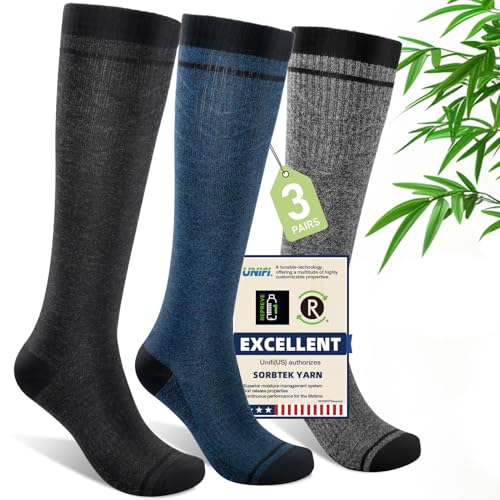
Iambamboo 15-20 mmHg Compression Socks

IRAMY Ankle Compression Socks for Women

IRAMY 15-20 mmHg Knee-High Compression Socks

Dr. Motion 6-Pair Low-Cut Compression Socks

Balega Silver Compression No Show Running Socks
A Deeper Look At The Lineup
Six compression zones around the ankle give these IRAMY socks a more structured feel than a plain athletic sock, while reinforced support under the arch adds useful shape for long walks. Breathable mesh across the instep helps air move during warm routes, and quick-drying fabric suits days that stretch from a morning walk to an afternoon errand.
The sizing guidance makes the choice easier to narrow down. Small to X-Large options are offered, with a smaller size intended for a snugger sensation and a larger size for lighter compression. This pair fits walkers who want ankle-level support without the bulk of a knee-high sock.
Real Benefits
- Six ankle zones add structured support without extending above the calf.
- Reinforced arch support provides shape during long stretches of walking.
- Mesh panels and quick-drying fabric help manage heat and moisture.
- Three- and five-pair options make rotation easier for regular use.
Points To Note
- Compression comfort depends heavily on sizing, so compare the size chart carefully.
- The ankle cut provides less lower-leg coverage than IRAMY’s knee-high model.
Key Specs
Made For
Regular walkers, commuters, and people combining daily steps with exercise benefit most from this ankle-level balance.
A Better Fit Elsewhere
Travelers who want more calf coverage and a defined 15-20 mmHg range may prefer IRAMY 15-20 mmHg Knee-High Compression Socks.
Travel days call for soft fabric, reliable graduated pressure, and a sock that moves without feeling rigid. This Iambamboo pair uses bamboo viscose, Repreve Sorbtek polyester, and Lycra spandex, while grooved fibers move moisture away from the skin. The result suits long transit days where comfort matters more than the visual bulk of heavier socks.
Compression decreases up the leg from 20 mmHg at the ankle to 17 at the calf and 15 below the knee. That graduated pattern gives stronger support near the foot without maintaining the same pressure everywhere. You may notice a more substantial fit than the ankle socks, particularly during the first wear.
The Value In It
- Precise compression range suits travelers who want structured support.
- Bamboo viscose gives the fabric a soft, smooth feel against sensitive skin.
- Grooved Sorbtek fibers support moisture transfer and rapid drying.
- Lightweight stretch helps the socks move during long sightseeing days.
Worth Noting
- The 20 mmHg ankle pressure may feel firmer than lighter compression styles.
- The below-knee length can wrinkle slightly inside higher-cut footwear.
Feature Facts
Built With In Mind
Frequent fliers, office workers, and travelers spending hours seated or moving through terminals benefit from the defined gradient.
Another Choice May Suit
Walkers wanting a compact ankle cut will find IRAMY Ankle Compression Socks 3/5 Pairs easier to pair with low shoes.
These IRAMY socks make a practical choice for workdays that include long shifts, retail floors, classrooms, and walks between errands. The ankle-high cut slips more easily into sneakers, work shoes, or boots than a tall sock, while six compression zones hold the ankle securely and targeted support gives the arch more structure.
That makes them a close alternative to IRAMY Ankle Compression Socks 3/5 Pairs, although this model focuses more directly on everyday work and casual walking. Mesh ventilation releases heat and moisture while compression and cushioning work together, keeping the construction focused on hours spent on your feet.
The Helpful Details
- Six ankle zones create a held, structured feel.
- Targeted arch support adds shape without a tall cuff.
- Mesh zones promote airflow during long shifts.
- The low profile works inside several everyday shoe styles.
Small Caveats
- Its ankle cut offers less calf coverage than the knee-high IRAMY option.
- The model is positioned primarily for women, so shoppers wanting a broader unisex presentation may prefer IRAMY Ankle Compression Socks 3/5 Pairs.
Who It Suits Best
Nurses, teachers, retail workers, and active seniors who spend much of the day standing or walking benefit from the compact profile.
Look Elsewhere When
People who require graduated compression measured in specific millimeters may prefer Iambamboo 15-20 mmHg Compression Socks.
Full-length coverage makes these IRAMY socks a stronger choice for people who want support from the ankle through the calf. Compression remains within a 15-20 mmHg range, while ankle rings and arch support create a more structured foundation than the low-cut Dr. Motion pair in the shortlist.
The mesh calf adds airflow for warm workdays, and the knee-high design also suits travel days and active routines. Compared with Iambamboo 15-20 mmHg Compression Socks, the main distinction is coverage and construction rather than the general goal of graduated support.
The Good Stuff
- Graduated pressure supports the ankle, calf, and lower leg.
- Knee-high coverage suits long shifts and active travel.
- Ankle rings and arch support add structured support below the calf.
- Calf mesh promotes airflow while the sock remains close to the leg.
Practical Considerations
- The longer cut takes up more room in a gym bag or carry-on.
- The 15-20 mmHg range may feel more substantial than an ankle-length walking sock.
Quick Facts
Right Fit For
People who stand for long shifts, walk substantial distances, or want a structured knee-high fit benefit most from this design.
Swap It Out When
Walkers who prioritize a low sock profile and soft bamboo-based fabric may prefer Iambamboo 15-20 mmHg Compression Socks.
Low-profile socks suit walks that begin at the front door and continue through errands, gym sessions, or several hours in training shoes. Dr. Motion’s low-cut construction stays close to the foot, while cushioning adds a softer landing surface. Breathable material also suits walkers who prefer a sock that does not feel heavy around the ankle.
Six pairs make this set appealing for regular rotation, particularly for households that share socks or walk daily. Unlike the Balega Silver Compression No Show Running Socks, this set offers multiple pairs and a slightly more substantial low-cut construction, though both prioritize footwear flexibility over calf coverage.
Where It Helps
- Six pairs support convenient rotation between walks.
- Cushioned construction adds comfort underfoot.
- The low-cut profile fits neatly inside walking shoes.
- Breathable material helps manage warmth during activity.
Factors To Consider
- Low-cut coverage leaves less of the calf protected than a knee-high pair.
- Cushioning can alter the fit inside close-fitting shoes, so check your usual footwear.
Made For
Regular walkers, active adults, and households that want several low-cut pairs available benefit most from the six-pair set.
Where Another Pick Shines
Runners who want a discreet no-show profile with moisture-management yarn may prefer Balega Silver Compression No Show Running Socks.
Balega takes a running-sock approach to walking, using a no-show cut that stays discreet inside low-profile shoes. The Drynamix yarn blend provides moisture management, while silver ions are incorporated into the fibers. Varying fiber tension and knit patterns create a close, athletic fit that follows the foot through quick steps and longer routes.
This design works especially well for people whose walking shoes have a low collar or whose daily routine mixes brisk walks with running. Compared with Dr. Motion 6-Pair Low-Cut Compression Socks, the Balega pair is quieter in appearance but comes as one pair rather than a larger rotation set.
Practical Advantages
- The no-show design stays discreet inside low-cut footwear.
- Drynamix yarn is designed for moisture management.
- Variable tension and knit patterns create a close athletic fit.
- Silver ions are incorporated into the yarn blend.
Details To Watch
- A single pair provides less rotation than the six-pair Dr. Motion set.
- The low silhouette may sit differently with crew socks or higher-cut shoes.
Feature Overview
Whose Shelf It Belongs On
Runners, brisk walkers, and anyone who favors a nearly hidden sock with athletic construction benefit most from this pair.
Consider Something Else When
People who want several pairs ready for regular rotation will find Dr. Motion 6-Pair Low-Cut Compression Socks more practical.
What Matters Before Your Next Walking Session
Pressure and Length
Compression socks apply graduated pressure, meaning the squeeze changes through the garment rather than remaining identical everywhere. Iambamboo specifies 20 mmHg at the ankle, 17 at the calf, and 15 below the knee, while IRAMY’s knee-high pair uses a broader 15-20 mmHg range. Choose higher pressure for a distinctly structured feel, and start with a lower profile for more discreet everyday wear.
Arch Support and Ventilation
Targeted arch support can feel more substantial than the elastic hold of a basic athletic sock. IRAMY’s ankle models use reinforced or targeted arch areas, which suit people spending long periods standing. Breathability also matters during warm walks, and mesh at the instep, calf, or upper foot helps move warmth and moisture away from the skin.
Fit and Shoe Compatibility
Ankle socks disappear more readily inside sneakers and low-cut walking shoes. Knee-high pairs cover more of the calf but need more room inside taller footwear, while cushioned low-cut styles can slightly change the feel of snug shoes. Compare the stated sizing, compression range, and sock height with your usual footwear before making the final selection.
Walking Sock Details Worth Checking
Common Shopping Slip Ups
Choosing by color before fit can leave you with an uncomfortable result. Compare the size chart, note the sock height, and consider how much cushioning your shoes already provide. Choosing an ankle pair for a work shift or a knee-high pair for a low sneaker can also create avoidable fit issues.
What The Higher Tier Buys
More expensive compression socks often spend more on the yarn system, compression gradient, or targeted support zones. Those details can matter during long flights, extended workdays, or high-mileage walks. The upgrade is most useful when pressure consistency, moisture handling, and arch structure matter more to you than having the simplest sock in the drawer.
Frequently Asked Questions
How Much Compression Is Best for Walking?
Moderate graduated compression often works well for everyday walking because support increases near the foot and decreases up the leg. Your tolerance, footwear, and length of the walk also affect the choice.
Are Ankle Socks Better Than Knee-High Socks for Walking?
Ankle socks suit low shoes and casual walks, while knee-high socks provide more lower-leg coverage. Extended shifts, travel, and a preference for stronger structure generally favor the taller design.
Do Compression Socks Need Arch Support?
Arch support adds targeted structure beneath the foot, which can feel useful during long walks or extended periods of standing. Low-profile athletic socks with little arch zoning may feel less structured.
How Should I Choose the Size?
Use the listing’s size chart and compare your measurements with the recommended range. A snug fit feels firmer, while sizing up generally produces lighter compression.
How Often Should Compression Socks Be Washed?
Follow the care instructions on the product listing, and rotate several pairs between washes when possible. Rotation reduces the number of consecutive wears each pair receives.
Final Verdict
The right walking sock depends on how much structure you want and how your footwear fits. Iambamboo offers precise graduated compression for travel, IRAMY provides focused ankle and knee-high options, and Dr. Motion prioritizes cushioned low-cut rotation, while Balega keeps a discreet athletic look. Match the height and pressure to your route, then let comfort make the final call.
