

A nurse spends most of a shift standing, a flight crosses several time zones, and your legs feel heavy by the end of the day. Compression stockings can provide graduated pressure, but the right format depends on whether you need wearable socks or powered air-compression boots. The six options here cover workdays, travel, exercise recovery, and targeted leg relief.
A Closer Look At The Lineup

QUINEAR Leg Recovery Compression System Medium
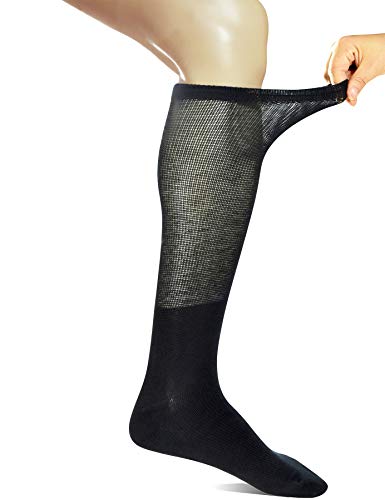
Yomandamor Men’s Over-the-Calf Compression Socks, 4 Pairs

CHARMKING Compression Socks, 4 Pairs

QUXIANG 15-20 mmHg Compression Socks, Small/Medium

QUINEAR Cordless Leg Recovery System Medium

QUINEAR Cordless Leg Recovery System Small
More On The Choices That Made The List
After a hard session at the gym, this system surrounds your feet, calves, and thighs with four inflatable chambers that inflate and deflate in sequence. Compared with the wearable socks in this lineup, it delivers adjustable air pressure and a broader recovery format without requiring a wall outlet.
You can select 50 to 120 mmHg across eight intensity levels, along with sequential, circulation, and combination modes. The medium size and carry bag suit athletes and active people who want a flexible post-workout routine, though the full-length boots take more room than ordinary socks.
A Favorable Mix
- Four chambers cover the foot, lower calf, upper calf, and thigh for full-leg compression.
- Built-in sensors adjust pressure to different leg dimensions, which helps produce a more even fit.
- Twenty-, 25-, and 30-minute sessions make scheduling straightforward after exercise.
- Three massage patterns let you shift the pressure sequence to suit your recovery preference.
Things To Consider
- The boots occupy more storage space than compression socks and take longer to put on.
- Size and leg measurements matter, so compare the medium fit carefully before ordering.
Key Specs
Who It Suits Best
You benefit most from this system as a runner, cyclist, or gym-goer who wants adjustable compression across the entire leg after training.
Another Choice May Suit
CHARMKING Compression Socks, 4 Pairs offer a lighter, easier-to-pack option for workdays and travel.
Four pairs make it practical to rotate clean socks through a work week, while the over-the-calf cut reaches higher than a low-cut ankle style. These socks use gentle 8-10 mmHg compression, a lower level than the 15-20 mmHg options elsewhere in the lineup.
Men with larger shoe sizes benefit from the stated 13-15 sock sizing, which corresponds to men’s shoe sizes 12-15. The combination of a wide upper band, reinforced heel and toe, and seamless toe makes this a practical choice for long shifts, travel, or light exercise support.
Why It Works Well
- Light 8-10 mmHg pressure suits people wanting subtle support rather than firm compression.
- Four pairs simplify rotation through repeated workdays or trips.
- The seamless toe reduces bulky seams across sensitive feet.
- Reinforced heel and toe areas suit regular wear and machine washing.
Points To Note
- They are designed for men’s sizing, so the fit may not suit a different foot shape.
- The lower compression level may feel modest during demanding exercise.
- Over-the-calf socks can bunch around the knee, especially with looser trousers.
Made For
You get the most useful fit as a man with a 12-15 shoe size who wants light compression for office work, travel, or everyday wear.
Look Elsewhere When
QUXIANG 15-20 mmHg Compression Socks, Small/Medium provide a firmer compression level for smaller feet that need stronger support.
These socks balance a 15-20 mmHg compression range with a stretchy 85% nylon and 15% spandex construction. The result feels more substantial than the 8-10 mmHg Yomandamor pair, while remaining easier to pack than any of the powered recovery systems.
You can wear them through travel, nursing shifts, office days, or activity, although the two available sizes make close attention to measurements important. The form-fitting fabric is designed to remain stable without restricting movement, which makes these socks a sensible cross-purpose option.
Useful Touches
- Four pairs support regular rotation without frequent washing.
- Stretchy fabric allows easier movement during active shifts.
- Breathable construction suits extended periods of wear.
- The 15-20 mmHg range offers firmer support than the light compression option.
- A unisex design serves a broad range of body types within the offered sizes.
Minor Gripes
- Confirm the available size before ordering, since compression socks need a close fit.
Quick Facts
Right Fit For
You benefit most as a nurse, traveler, office worker, or active adult who wants one sock for standing shifts, flights, and exercise.
Reach For A Different Pick When
QUINEAR Leg Recovery Compression System Medium offers adjustable air pressure and full-leg coverage when your recovery routine deserves more control.
Pull-on socks have little to learn: step in, smooth the fabric over your foot, and get dressed without dealing with fasteners. This pair is aimed at small and medium feet and uses a 15-20 mmHg compression range, placing it beside the CHARMKING socks for firm support rather than light everyday pressure.
You can also wear it during long periods of sitting, travel, nursing, or work where your legs need consistent compression. The air-drying instruction gives you a straightforward care approach, although the added stretch and close fit still matter for comfort.
The Upside
- Pull-on construction keeps dressing simple for busy mornings.
- Air drying offers a practical care method between wears.
Trade Offs
- The listed small/medium sizing is the main restriction, so compare foot measurements before purchasing.
- Unlike the four-pair CHARMKING option, this listing centers on a single size rather than a multi-pair wearable rotation.
At A Glance
Who Should Grab It
You get the cleanest fit as someone with small or medium feet who values quick pull-on convenience for commuting, travel, or desk work.
A Better Fit Elsewhere
Yomandamor Men’s Over-the-Calf Compression Socks, 4 Pairs suit men with larger shoe sizes who prefer lighter pressure and multiple pairs.
This medium system steps up from ordinary socks with a cordless controller, four inflatable leg zones, and separate foot, calf, and thigh coverage. It sits between the more basic QUINEAR system and the compact one-piece design by giving you direct control over timing, pressure, and targeted zones.
The 2500mAh controller can run for two to four hours per charge, so you can recover at home or take the included travel bag to the gym. The broader adjustment range may appeal to athletes, while the size and battery equipment make it less convenient for packing on a short trip.
What Stands Out
- Twelve pressure levels span 40-150 mmHg for adjustable sessions.
- You can treat the full leg or focus on individual recovery zones.
- Timer settings run from 15 to 60 minutes in five-minute increments.
- The cordless controller removes the need to sit beside a wall outlet.
Honest Caveats
- The medium size requires careful comparison with your leg measurements.
- Recharge time and the controller’s two-to-four-hour runtime make advance planning sensible.
- Full-leg boots use more packing room than compression socks.
Built With In Mind
You benefit most as an athlete or active professional who wants zone-specific recovery and a broad pressure range without a wired pump.
Where A Sibling Pick Shines
QUINEAR Cordless Leg Recovery System Small uses a tube-free one-piece design that packs more easily for travel and smaller storage spaces.
Unlike the boot-style QUINEAR systems, this small version uses one-piece foot and calf sleeves with no external tubes. That design removes the separate controller clutter and makes the setup more suitable for a hotel room, compact apartment, or gym bag.
Pressure sensors adjust the compression to your leg contours, while Bluetooth synchronizes both sleeves during inflation. You receive 11 levels from 50-150 mmHg, three patterns, and eight timer choices ranging from 15 to 60 minutes, giving this compact model more control than a basic pair of stockings.
What Works In Its Favor
- One-piece sleeves remove external tubing from the setup.
- Bluetooth synchronizes inflation across both legs.
- Eleven pressure levels cover gentle through firm compression preferences.
- Eight timer settings accommodate short or longer sessions.
- The touchscreen panel keeps adjustments accessible.
Details To Watch
- Choose the small version only after checking the stated fit category.
- Coverage centers on the foot and calf rather than the entire thigh.
Feature Snapshot
Whose Shelf It Belongs On
You get the most convenience as a traveler, runner, or desk worker who wants adjustable compression without external tubes.
Swap It Out When
QUINEAR Cordless Leg Recovery System Medium fits athletes who want thigh coverage and separate zone controls.
What Matters Most in Your Compression Choice
Pressure Level and Daily Routine
Light 8-10 mmHg compression offers gentler support, while 15-20 mmHg provides firmer pressure for active workdays and travel. Powered systems add adjustable air pressure that can reach much higher ranges, making them more about targeted recovery than ordinary hosiery. Match the format to how long you plan to wear it and the amount of pressure you want.
Socks, Boots, or Zone Controls
Full-length compression boots cover the feet, calves, and thighs, while one-piece systems focus on the lower legs. Zone controls let you concentrate on a particular area, and wearable socks remain the easiest option to carry. Think about storage, setup time, and whether you need thigh coverage before choosing.
Fit Comes First
Compression only works as intended when the garment sits close without creating painful tight spots. Check sock sizing, leg measurements, and the stated fit category before ordering. A professional fitting can also help when you have a medical history that affects circulation or skin sensitivity.
Making the Right Choice Between Basic and Advanced Options
Common Shopping Slip Ups
Choosing compression by color or marketing language alone can lead to a poor fit. Compare millimeters of mercury, garment length, and sizing first, then consider how long you need to wear the item. Avoid buying a pair for intense exercise when your daily routine calls only for light support.
Where The Extra Money Goes
Powered systems spend more on air chambers, pumps, controls, and cordless batteries. That spending makes sense when you want adjustable pressure, broader coverage, and reusable recovery sessions. A simple sock remains more economical for travel, nursing shifts, or everyday support.
Frequently Asked Questions
What compression level should you choose for daily wear?
Light 8-10 mmHg compression suits many people who want gentle support during ordinary activity. Firmer 15-20 mmHg socks offer more noticeable pressure for long workdays, travel, or exercise recovery.
Are compression stockings suitable for long flights?
Compression stockings can add graduated pressure during long periods of sitting, and they are easy to pack. Choose a size that fits closely, and avoid selecting severe pressure solely because you are traveling.
Should you wear compression socks while exercising?
You can wear moderate compression during many activities, but powered recovery systems are designed for sessions after training. Light socks may feel more comfortable during movement, while firmer garments can become restrictive as your body warms up.
How do powered leg recovery systems differ from socks?
Powered systems use inflatable chambers to vary pressure across specific leg zones. Socks provide consistent, lower-effort compression and are easier to carry, while powered systems offer timing and pressure controls for post-exercise routines.
What should you check before buying compression socks?
Confirm the compression range, garment length, size, and care instructions before ordering. You also need a close but comfortable fit, especially around the calf, ankle, and toes.
Final Verdict
Your best match depends on the job your legs are doing. Choose light over-the-calf socks for subtle everyday support, moderate 15-20 mmHg pairs for work and travel, or a cordless QUINEAR system for adjustable post-workout compression. The right choice is the one that fits your body, schedule, and travel bag without creating unnecessary hassle.
