

A two-year-old can drink from a straw, an open rim, or a rim that seals itself, so the best choice depends on your child’s current skills and your daily routine. During daycare runs, meals at home, and trips in the car, a manageable cup can prevent spills while also giving small hands more independence. The seven options below cover early open-cup practice, protected straw drinking, compact portions, and easy cleanup, with distinct trade-offs for different stages of development.
A Fast Comparison Of The Options

GROSMIMI PPSU Straw Cup Stage 1 10 oz

Munchkin Miracle 360 Sippy Cup 9 oz 2-Pack

Teenie Tiny Silicone Open Cup 2-Pack

SAMiGO Silicone Open Cup 6-12 Months 2-Pack

GROSMIMI PPSU Straw Cup Stage 2 10 oz

GROSMIMI PPSU Straw Cup Stage 2 6 oz
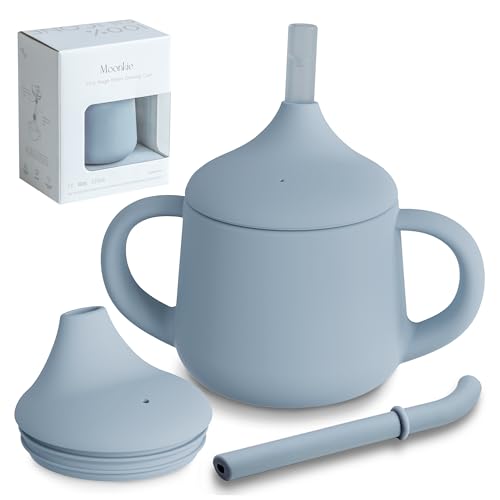
Moonkie Silicone 3-Stage Training Cup 4 oz
Taking A Closer Look At The Options
The GROSMIMI PPSU Straw Cup Stage 1 10 oz is built for children learning to drink through a straw without turning every sip into a cleanup job. PPSU is a heat-resistant plastic, while the soft silicone straw feels gentler for a child still refining mouth control.
Its cross-cut straw and flip-top lid are useful during stroller rides and first meals at home. Compared with the GROSMIMI Stage 2 cup, this version uses the softer straw meant for developing gums, so a chewing two-year-old may need the firmer model instead.
Key Advantages
- The 10-ounce capacity gives your child more room for a full drink without creating an oversized cup.
- Rotating handles let small hands change grip without forcing an awkward wrist position.
- Every drinking-contact component uses PPSU or food-grade silicone.
- Disassembly, dishwasher use, microwave use, and boiling or steam cleaning make daily maintenance straightforward.
Small Caveats
- The Stage 1 straw may feel less suitable once your child regularly chews on drinking straws.
- Several removable parts need attention during cleaning, particularly around the lid and straw seal.
Key Specs
Built With In Mind
This cup suits a child developing straw-drinking control while still needing spill protection around the home or during short outings.
Another Choice May Suit
The GROSMIMI PPSU Straw Cup Stage 2 10 oz suits a two-year-old whose firmer chewing makes the Stage 1 straw feel too soft.
The Munchkin Miracle 360 Sippy Cup 9 oz 2-Pack avoids the separate straw and spout found on many toddler cups. Your child tilts the open rim and drinks from whichever side approaches their mouth, which can make transitions from bottle feeding less complicated.
The color-changing panels add interest when cold drinks fall below 57°F, or 14°C. That playful detail is engaging, although the automatic seal makes this more useful as a spill-resistant cup than a true straw option.
Well-Handled Touches
- The 360-degree rim supports drinking from several positions without a protruding spout.
- Cool drinks activate a visible color change that can make water more appealing.
- The rim seals again after your child stops drinking, reducing the chance of a tipping spill.
- Two 9-ounce cups provide a practical spare for home, daycare, or the car.
Points To Note
- The color effect depends on the drink being cold enough.
- Remove the plastic sleeve before use.
Quick Facts
Who Will Love This
This set fits a two-year-old who drinks more easily from a rim than a straw and responds well to colorful everyday objects.
Where A Sibling Pick Shines
The GROSMIMI PPSU Straw Cup Stage 2 10 oz is the better fit for a child ready to practice through a protected straw.
Teenie Tiny’s approach is refreshingly simple: give your child an open, flexible cup and let practice happen at the table. The two silicone cups use a weighted format that helps them remain upright as small hands adjust their grip, which is especially helpful during early meals.
For a two-year-old already comfortable with open cups, this is less about adding features and more about building consistency. The warm taupe and mauve colors also keep the set visually restrained, though the open rim naturally means more spill possibility than a sealed straw cup.
Positive Points
- Food-grade silicone flexes comfortably for small hands and developing grip.
- The weighted design helps the cup stay steady during early drinking practice.
- A smooth surface makes rinsing after water, juice, or soft food uncomplicated.
- Two cups support practice in different rooms or provide a washable spare.
Some Limits To Know
- An open cup will not contain the same amount of liquid as a lidded straw cup.
- The compact format is better suited to practice than to holding a large drink.
The Right Fit
This set suits a family moving toward open-cup drinking and prioritizing a simple, flexible practice cup over extra mechanisms.
Look Elsewhere When
The SAMiGO Silicone Open Cup 6-12 Months 2-Pack offers a more structured tapered shape for a child who needs extra guidance directing liquid into the mouth.
The SAMiGO Silicone Open Cup is shaped around controlled sips, with a narrow opening and wider base. That arrangement helps direct liquid toward the mouth while giving your child a stable base to manage, making the 2-ounce size a sensible training format rather than a full meal drink.
Your child can also use it to hold small portions of water during meals. The open rim allows independent practice, but the 2-ounce capacity may prove too small for a two-year-old who drinks quickly or wants a larger cup between meals.
The Upside
- The tapered opening helps focus liquid toward the mouth rather than across the face.
- A weighted base reduces tipping during active tabletop practice.
- Soft food-grade silicone provides a flexible rim for developing mouths.
- Warm soapy water or the top rack of a dishwasher handles routine cleaning.
- Two cups allow practice in separate locations.
Practical Considerations
- At 2 ounces, each cup is compact and may need several refills for an older toddler.
- The open design prioritizes learning over spill containment.
Feature Snapshot
Made For
This pair suits a child learning to control an open cup, particularly during seated meals or short drinking activities.
Reach For A Different Pick When
The Teenie Tiny Silicone Open Cup 2-Pack suits a child who may benefit from a more flexible, compact-weighted design.
The GROSMIMI PPSU Straw Cup Stage 2 10 oz addresses the point at which many children begin chewing their straws. Its firmer Stage 2 straw keeps the same cross-cut drinking design as the Stage 1 version but feels more substantial for a toddler developing stronger oral habits.
The 10-ounce body holds a full drink, while rotating handles make the cup easier to carry from different angles. In a household where cups regularly get dropped, that combination of capacity, grip, and spill resistance is more useful than the smaller 6-ounce Stage 2 model.
Why It Works Well
- The firmer straw is better matched to children who chew on drinking straws.
- The 10-ounce capacity reduces the need for refills during meals or outings.
- Rotating handles follow the child’s grip and tilt with the cup.
- The cross-cut straw and flip-top lid help limit leaks during normal handling.
- All parts separate for cleaning and can also use the top rack of a dishwasher.
Less Ideal Details
- Removable parts add several pieces to keep track of during cleanup.
- The larger body may take up more space in a small bag than a compact training cup.
Who Should Grab It
This model suits a two-year-old with established straw skills who chews on the straw and needs a larger drinking capacity.
Swap It Out When
The GROSMIMI PPSU Straw Cup Stage 2 6 oz is the more practical choice for a child who drinks smaller amounts or needs a lighter cup.
The GROSMIMI PPSU Straw Cup Stage 2 6 oz keeps the spill-resistant straw design while reducing the drink capacity. That makes it easier for a two-year-old to lift, carry, and empty than the 10-ounce version, especially during meals where a full-size drink can feel substantial.
The compact size also works well in a diaper bag or small stroller organizer. Your child still needs to master the firm Stage 2 straw, so the choice is less about age and more about how comfortably your child manages the handle and portion.
Bright Spots
- The 6-ounce size gives small hands a lighter drinking load.
- The firmer straw suits a toddler who has moved beyond the softer first stage.
- Rotating handles support changes in grip and drinking angle.
- The drinking path uses PPSU and food-grade silicone.
Trade Offs
- A 6-ounce capacity may require more refills than the 10-ounce model.
- The cup still has several removable cleaning components.
Core Details
Best Suited To
This cup suits a two-year-old who uses a straw confidently but benefits from a lighter, smaller-capacity body.
A Better Fit Elsewhere
The GROSMIMI PPSU Straw Cup Stage 2 10 oz suits a child who needs fewer refills during longer meals or travel.
The Moonkie Silicone 3-Stage Training Cup is built around progression, giving a child different drinking formats as open-cup skills develop. The 4-ounce size sits between the tiny SAMiGO training cups and the larger GROSMIMI straw cups, making it a moderate starting point for tabletop practice.
Silicone construction gives the cup a soft, manageable feel for small hands. You may find the single-cup package less convenient in a two-location routine, but the multi-stage format offers a useful path for a child moving beyond bottle feeding.
Strong Points
- Three stages support progression through different drinking methods.
- The 4-ounce capacity is manageable for small hands and short practice sessions.
- Flexible silicone provides a soft surface for early mouth coordination.
- The compact format is useful for introducing a new cup without a large amount of liquid.
What To Weigh
- The package contains one cup, so a backup is not included.
- The 4-ounce capacity may be small for a child who drinks larger portions.
Important Details
Whose Shelf It Belongs On
This cup suits a family preparing for several early drinking stages without needing a separate cup for each format.
Not Your Match When
The GROSMIMI PPSU Straw Cup Stage 2 10 oz suits a child already focused on protected straw drinking with fewer refills.
What To Look For In A Two-Year-Old’s Cup
Start with your child’s current drinking method. A confident straw drinker may handle a protected straw, while a child still learning control can benefit from an open rim or a small training cup. Moving too quickly between formats can create resistance, so the cup should match a skill your child already shows.
Capacity matters alongside handling. A 2-ounce cup supports small portions, while 9- or 10-ounce cups reduce refills during meals and outings. Your child should be able to lift and tip the cup without relying on your hand, because that effort teaches control.
Consider where the cup will spend its time. A lidded straw design offers stronger spill containment for a stroller or car cup holder. An open cup encourages independent practice, but it will be easier to tip during active play or a wobbly first sip.
Cleaning should fit your routine too. Fully disassembled cups, silicone surfaces, and dishwasher-compatible parts can make a difference in a busy household. Check the number of pieces before choosing, since narrow straw channels and removable lids require more attention than a simple open cup.
Two Details That Affect Your Choice
Common Shopping Slip Ups
Choosing by color or character can overshadow the actual drinking format. Check the opening, handle position, capacity, and straw stage before focusing on appearance. A cup that looks appealing still needs to match your child’s present abilities and be comfortable to carry.
What Separates Premium From Basic
PPSU and silicone can add material refinement, heat tolerance, and useful flexibility, but the drinking method still drives the decision. A firmer straw protects against biting, a rotating handle improves grip, and a weighted base steadies an open cup. Pay for the feature your child needs most rather than a larger feature list.
Frequently Asked Questions
What type of cup is most suitable for a two-year-old?
A cup that matches your child’s established drinking method is most suitable. Use an open cup for rim practice, a spoutless design for easy drinking, or a straw cup once sucking from a straw is comfortable and reliable.
Are straw cups suitable for two-year-olds?
A straw cup can suit a two-year-old who already drinks confidently through a straw. The firmer Stage 2 straw is intended for children who chew, while the softer Stage 1 straw better serves developing mouths.
Which cup holds the most liquid?
Among these choices, the GROSMIMI PPSU Straw Cup Stage 2 10 oz and GROSMIMI PPSU Straw Cup Stage 1 10 oz have the largest stated capacity. Your child’s ability to lift and empty the cup matters more than the number on the label.
Are open cups messy?
Open cups can spill because they have no lid or sealed valve. A weighted base, tapered opening, and small portion can improve control, so an open cup works best during seated practice rather than highly active play.
How many cups should you own?
One cup is enough for basic practice, while two provide a washable spare or allow separate cups at home and daycare. A two-cup set offers more convenience when your child needs a cup in more than one location.
Final Verdict
Choose the GROSMIMI PPSU Straw Cup Stage 2 10 oz for a child ready for a firm straw and a larger drink, or choose the Munchkin Miracle 360 Sippy Cup 9 oz 2-Pack for rim-based drinking and spill resistance. For open-cup practice, the SAMiGO and Teenie Tiny sets offer different sizes and shapes, while the Moonkie 4-ounce cup provides a compact multi-stage format. Match the cup to your child’s ability and let comfort, control, and cleanup guide the final choice.
