

A three-year-old can drink from a regular cup, but that doesn’t mean spills disappear overnight. Many families need a handled, spill-resistant option for daycare, travel, and meals that move around the house, while open cups remain useful for building independent drinking skills.
How The Shortlist Stacks Up

GROSMIMI PPSU Baby Straw Cup 10oz, Stage 1, Sky Blue

Teenie Tiny Silicone Baby Open Cup 2-Pack

SAMiGO Silicone Baby Open Cup 2-Pack
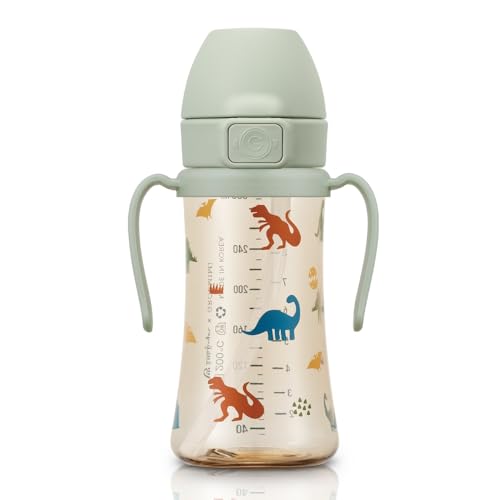
GROSMIMI PPSU Baby Straw Cup 10oz, Stage 2

UBMOM PPSU No-Spill Sippy Cup 9.47oz

Nuby First Training Cup 2 oz

Nuby Clik-It Grip N’ Sip Training Cup 3-Pack
More Details On Our Top Picks
This cup makes sense for a child taking early straw-drinking practice seriously. Its cross-cut straw is designed to interrupt flow when the cup is tipped, while the flip-top lid adds another layer of spill protection during floor-level play.
The soft Stage 1 straw is gentler for developing gums, and rotating handles help small hands maintain their grip. For a three-year-old, you may outgrow this stage quickly, so the age range deserves close attention before purchase.
Where It Excels
- The soft Stage 1 straw suits children learning their first controlled sips.
- Rotating handles reduce awkward wrist positions during drinks.
- Fully removable parts make detailed cleaning easier.
- PPSU and silicone contact the drink without metal in the drinking path.
- Top-rack dishwasher, microwave, and sterilization compatibility simplify cleanup routines.
Practical Considerations
- The soft straw may feel less useful once a child starts chewing aggressively.
- The 10-ounce capacity takes more room than a small training cup.
Key Specs
Who It Suits Best
This choice suits babies and early toddlers beginning straw practice with close adult supervision.
A Better Fit Elsewhere
The GROSMIMI PPSU Baby Straw Cup 10oz, Stage 2 suits an active three-year-old who chews straws.
Where the GROSMIMI option focuses on containing spills, the Teenie Tiny set removes the lid and straw entirely. That makes it a more direct introduction to drinking from an open rim, particularly during early-mealtime practice.
Its weighted form helps the cup remain steady while a child develops control. A three-year-old can use it for skill building, although the small size makes it more of a training vessel than a substantial everyday drink container.
What Helps Most
- The open design removes straw and lid parts from the learning process.
- A weighted base adds stability during early sips.
- Soft silicone is gentle on small hands and easy to wipe clean.
- Two color options provide a practical backup cup.
Trade Offs
- An open cup still releases liquid when tipped.
- The compact capacity suits practice more than lengthy drinks.
- The design offers no handle for a child still developing grip.
Quick Facts
Made For
This pair suits families introducing open-cup drinking in small, controlled portions.
Look Elsewhere When
The Nuby First Training Cup 2 oz may suit you when a spout and easy-grip shape matter more than a fully open rim.
The SAMiGO set takes the open-cup approach a step further with a 2-ounce capacity that feels intentionally small. That limited volume can keep portions manageable while a baby works on controlled sips without wrestling with a full-size cup.
A weighted, textured base resists tipping, while the tapered opening narrows toward the rim. For a three-year-old, this remains a practice cup rather than a day-long hydration option, so age and intended volume should guide your choice.
Practical Pluses
- The 2-ounce size is manageable for young hands.
- The weighted base lowers the chance of frequent tipping.
- A tapered opening helps concentrate the drink toward the mouth.
- Food-grade silicone rinses clean with warm, soapy water.
- Two cups provide flexibility for home or travel.
Smaller Limitations
- The 2-ounce capacity requires more than one refill for a typical drink.
- The tiny size is less practical for a three-year-old at daycare.
- Open drinking still involves some ordinary mess.
The Right Fit
This cup set suits babies working with small portions during early open-cup practice.
Consider Something Else When
The UBMOM PPSU No-Spill Sippy Cup 9.47oz offers more capacity and spill control for a three-year-old.
This Stage 2 cup is the most age-appropriate straw option here for a three-year-old who is already familiar with sipping. The firmer straw is intended to withstand more chewing than the softer Stage 1 version, while retaining the same flow rate and cross-cut spill design.
Rotating handles help children keep hold of the 10-ounce cup during active play. You may still prefer an open cup for advanced independence, but this model makes sense when your child needs a lid and straw with a little more bite resistance.
A Few Strong Suits
- The firmer straw better suits children who chew on their drinking spouts.
- A 10-ounce capacity supports daycare and travel.
- The cross-cut straw and flip-top lid work together to limit leaks.
- Rotating handles follow a child’s changing grip.
- Every drinking-path component disassembles for cleaning.
Points To Keep In Mind
- The dinosaur theme may not suit every child’s preferences.
- A straw remains less independent than a standard open cup.
- The lid and straw add parts to clean after every use.
Feature Snapshot
Built With In Mind
This Stage 2 cup suits an active three-year-old who drinks through straws and needs added bite resistance.
Swap It Out When
The Teenie Tiny Silicone Baby Open Cup 2-Pack suits a child ready to practice without a lid or straw.
The UBMOM stands apart through its removable backflow disk. Removing that disk and straw turns the vessel into a conventional bottle, which can be useful during a gradual transition from bottle feeding to a cup.
For continued cup use, a rubber-edged disk helps manage backflow, and rotating handles support small wrists. At 9.47 ounces, this also offers more useful capacity than the compact open cups, although the multiple removable parts create more opportunities for spills during assembly.
What Earns Its Place
- The disk and straw can be removed for bottle-style use.
- Rubber edging around the disk helps control backflow.
- The flexible straw supports a gradual move toward open cups.
- Rotating handles reduce the need to reposition the child’s wrist.
- PPSU is designed to resist staining and odors from common drinks.
Details To Watch
- Correct assembly matters for maintaining the spill-resistant design.
- The removable components create more pieces to wash.
- The cup may be unnecessary for a child already comfortable with open drinking.
Key Product Details
Who Should Grab It
This cup suits families moving gradually from bottles while still wanting a handled drinking option.
Another Choice May Suit
The Nuby Clik-It Grip N’ Sip Training Cup 3-Pack may suit you when a soft spout is preferred over a flexible straw.
The Nuby First Training Cup takes a gentler route than the open cups: it uses a spout and an easy-grip, non-slip shape for small hands. Its 2-ounce volume keeps the first practice sessions small, which can be helpful while a child learns how to bring the cup to their mouth.
Silicone construction and angled walls support a gentle transition from bottle feeding. A three-year-old may need a larger vessel for daily hydration, so you should treat this as a compact training tool rather than a long-meal cup.
Advantages To Know
- The 2-ounce capacity keeps practice portions manageable.
- Soft silicone is gentle on developing gums.
- Angled walls direct the drink toward the spout.
- The non-slip grip helps little hands keep the cup steady.
Small Caveats
- Two ounces is small for a three-year-old’s everyday drink.
- A spout requires more assembly and cleaning than an open cup.
Best Suited To
This cup suits babies taking their first drinks from a spout with a small amount of liquid.
Where A Sibling Pick Shines
The GROSMIMI PPSU Baby Straw Cup 10oz, Stage 2 offers much more capacity for an active three-year-old.
The Nuby set provides a practical middle ground for a three-year-old who likes spouts but still needs leak control. Each 10-ounce cup has handles, a soft silicone spout, and a touch-operated valve designed to open during drinking.
Three cups also solve the household rotation problem: one can be in use, one in the dishwasher, and another ready for daycare. Your child may eventually prefer a straw or open cup, but this set covers the stage where a spout still feels comfortable.
Points In Its Favor
- Three colors make it easy to assign cups to different places.
- The 10-ounce size suits a toddler-sized daily drink.
- A soft silicone spout is gentle on gums and teeth.
- The touch valve opens in response to sipping.
- Handles give a three-year-old an easier grip.
Less-Strong Areas
- Some three-year-olds may prefer a straw after mastering spouts.
- The lid, valve, and spout add several cleaning points.
- Three cups require more storage space than a single set.
Technical Highlights
Whose Shelf It Belongs On
This set suits three-year-olds who are comfortable with spouts and need a managed drink at home or daycare.
Reach For A Different Pick When
The GROSMIMI PPSU Baby Straw Cup 10oz, Stage 2 suits a child ready to move from a spout to a chew-resistant straw.
What Matters Most in a Three-Year-Old’s Cup
Open Cups for Independence
An open cup removes the lid, straw, and valve from the equation, so your child controls the angle and pace of each sip. It may produce more mess, but that exposure helps build coordination and confidence with a regular cup.
Covered Cups for Active Days
A lid and valve create a controlled drinking path for daycare, travel, and restless play. Capacity matters here because a smaller training cup may need several refills during a busy morning.
Handles, Straws, and Spouts
Rotating handles ease gripping, while straws suit children who can seal their lips around one. Soft spouts remain useful for children moving beyond bottles but not yet ready for a straw. Choose the drinking style your child already accepts most easily.
Common Mistakes to Avoid
Wrong Turns To Avoid
Do not judge a cup only by its age label, since several options here are intended for babies rather than three-year-olds. Check the capacity, drinking style, and grip together before choosing.
What Separates Premium From Basic
PPSU, removable sealing parts, rotating handles, and multiple straw stages can justify a higher-tier choice. Those additions matter most for frequent travel, heat exposure, and children still refining their drinking technique.
Frequently Asked Questions
What type of cup is best for a three-year-old?
A handled straw cup with a firm spout and spill-resistant lid offers a practical balance for daycare and travel. An open cup suits a three-year-old already practicing independent drinking.
Are PPSU cups suitable for toddlers?
PPSU is heat-resistant and contains no metal in the listed drinking path. Check each product’s care instructions and confirm that its lid, straw, and seals are cleanable according to the manufacturer’s directions.
Should a three-year-old use a straw or open cup?
Choose a straw when your child has a secure seal and wants less mess. Choose an open cup when you want your child to develop tilting and pouring skills for regular tableware.
Are silicone training cups difficult to clean?
Silicone is easy to rinse, but removable straws, valves, and backflow disks need extra attention. Separate the pieces during washing so trapped liquid does not remain in narrow openings.
How much capacity does a three-year-old need?
A 10-ounce cup generally offers more practical capacity than a 2-ounce training cup. Your child’s thirst, meal length, and access to refills will determine whether a larger volume matters.
Final Verdict
Choose the GROSMIMI PPSU Baby Straw Cup 10oz, Stage 2 for an active three-year-old ready for a chew-resistant straw. Pick the Nuby Clik-It set for spout drinkers, the UBMOM for bottle-to-cup transitions, or one of the open cups when independence is the goal. The right choice is the drinking style your child will actually use.
