

Here are five dairy and plant-based milks that suit different tastes, nutrition goals, and cooking styles.
Choose A2 Whole for easier digestion and a rich mouthfeel.
Pick classic whole cow milk for reliable protein and fat balance.
Try unsweetened almond or oat blends and fortified cow/plant mixes for lower calories or extra calcium and vitamin D.
| Silk Unsweet Almond Milk Dairy-Free 64 fl oz |

| Best for Everyday Use | Milk Type: Plant-based almond milk | Dairy-free option available: Yes (dairy-free, vegan) | Suitable uses: Cereal, smoothies, cooking, baking, drinking | VIEW LATEST PRICE | Read Our Analysis |
| NESTLE OVALTINE Milk Flavoring Chocolate Malt (Pack of 6) |

| Best for Kids & Nostalgia | Milk Type: Milk flavoring (used with milk or plant milk) | Dairy-free option available: Can be used dairy-free with plant milk (compatible with almond milk) | Suitable uses: Mix into hot or cold milk/plant milk, smoothies, baking, topping | VIEW LATEST PRICE | Read Our Analysis |
| So Delicious Coconut Almond Dairy-Free Frozen Dessert Bars |

| Best Dairy-Free Treat | Milk Type: Plant-based coconut milk frozen dessert (dairy-free) | Dairy-free option available: Yes (dairy-free, vegan) | Suitable uses: Individual dessert treat, snacking, frozen dessert occasions | VIEW LATEST PRICE | Read Our Analysis |
| a2 Milk® Whole Milk |
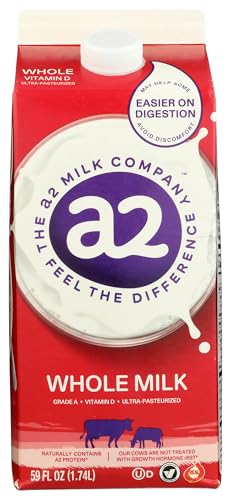
| Best for Sensitive Tummies | Milk Type: Real cow whole milk (A2 protein) | Dairy-free option available: No (real cow milk) | Suitable uses: Drinking, cooking, baking, promotes satiety (general milk uses) | VIEW LATEST PRICE | Read Our Analysis |
| Malk Organic Unsweetened Almond Milk (28 fl oz) |

| Best Clean-Ingredient Pick | Milk Type: Plant-based almond milk (organic, unsweetened) | Dairy-free option available: Yes (dairy-free, vegan) | Suitable uses: Coffee/latte, smoothies, cereal, baking, drinking | VIEW LATEST PRICE | Read Our Analysis |
More Details on Our Top Picks
Silk Unsweet Almond Milk Dairy-Free 64 fl oz
In case you want a creamy, low-calorie milk substitute that fits cereal, smoothies, and baking, Silk Unsweet Almondmilk is a smart pick you’ll often reach for. You’ll notice its smooth, seriously creamy texture comes from three kinds of almonds picked at peak ripeness, so it feels rich without heavy calories. With 0 g sugar and 30 calories per serving, it works for your morning bowl and your blender. It’s vegan, dairy free, lactose free, and gluten free, plus it adds more calcium and vitamin D than reduced-fat milk, while supporting plant-based farming.
- Milk Type:Plant-based almond milk
- Dairy-free option available:Yes (dairy-free, vegan)
- Suitable uses:Cereal, smoothies, cooking, baking, drinking
- Size / Pack format:64 fl oz (half gallon)
- Key dietary claim:Unsweetened, 0 g sugar per serving; vegan
- Brand positioning / promise:Silk – Original Plant Pioneer; plant-based sustainability focus
- Additional Feature:Made with three almonds
- Additional Feature:0 g sugar per serving
- Additional Feature:50% more calcium
NESTLE OVALTINE Milk Flavoring Chocolate Malt (Pack of 6)
Should you want a quick way to make chocolate milk feel special, NESTLE OVALTINE Milk Flavoring Chocolate Malt (Pack of 6) is a friendly pick that’s great for both kids and adults. You’ll open a 12 oz canister, scoop into 8 fl oz of cold or hot milk, and stir. It works in almond milk, so you can enjoy dairy-free chocolate milk, and it makes cozy hot chocolate with whole milk. You’ll also use it in smoothies, on ice cream, or in baked goods for a chocolatey malty lift. It’s shelf stable, SNAP and EBT eligible, and free of artificial flavors.
- Milk Type:Milk flavoring (used with milk or plant milk)
- Dairy-free option available:Can be used dairy-free with plant milk (compatible with almond milk)
- Suitable uses:Mix into hot or cold milk/plant milk, smoothies, baking, topping
- Size / Pack format:Pack of 6 – each 12 oz canister
- Key dietary claim:No artificial flavors/preservatives or artificial sweeteners; fortified with vitamins/minerals
- Brand positioning / promise:Nestlé Ovaltine – nostalgic, fortified milk flavoring with broad family appeal
- Additional Feature:12 vitamins & minerals
- Additional Feature:No artificial preservatives
- Additional Feature:Works with plant milk
So Delicious Coconut Almond Dairy-Free Frozen Dessert Bars
Should you follow a dairy-free lifestyle or just want a lighter sweet treat, the So Delicious Coconut Almond Dairy-Free Frozen Dessert Bars are a great pick you can count on. You’ll find a silky slab of frozen coconut milk dipped in rich chocolate and finished with natural almond crunch. Because it’s made with coconut milk and certified vegan, you won’t miss dairy. It packs no artificial flavors, colors, hydrogenated oils, added MSG, or trans fat, and it’s Non GMO Project Verified. You can enjoy one for a solo dessert, offer to friends, or stash in the freezer for comfort moments.
- Milk Type:Plant-based coconut milk frozen dessert (dairy-free)
- Dairy-free option available:Yes (dairy-free, vegan)
- Suitable uses:Individual dessert treat, snacking, frozen dessert occasions
- Size / Pack format:4-count bars (pack of 4)
- Key dietary claim:No dairy, no artificial flavors/colors; non-GMO; vegan
- Brand positioning / promise:So Delicious – dairy-free frozen treats, certified vegan, indulgent plant-based dessert
- Additional Feature:Coconut milk base
- Additional Feature:Chocolate-coated with almonds
- Additional Feature:Non-GMO Project Verified
a2 Milk® Whole Milk
Should you often feel uneasy after drinking regular milk but still love its creamy taste, a2 Milk® Whole Milk could be the choice that helps you enjoy dairy again. You’ll get 100% real whole milk from cows that naturally make only the A2 protein and no A1, and every batch is tested to confirm that. Research suggests this could ease digestion for some people, so you might feel less discomfort. It also delivers calcium, potassium, vitamin D, and filling milk protein. Cows aren’t given rBST, farms follow Validus welfare standards, and recyclable cartons support low waste.
- Milk Type:Real cow whole milk (A2 protein)
- Dairy-free option available:No (real cow milk)
- Suitable uses:Drinking, cooking, baking, promotes satiety (general milk uses)
- Size / Pack format:Standard whole milk carton (retail size; real milk packaging)
- Key dietary claim:A2 protein only; no rBST; real milk
- Brand positioning / promise:a2 Milk® – easier digestion claim (A2 protein), quality and animal-welfare sourcing
- Additional Feature:Contains only A2 protein
- Additional Feature:rBST-free sourcing
- Additional Feature:Validus animal welfare certified
Malk Organic Unsweetened Almond Milk (28 fl oz)
Supposing you want a simple, clean almond milk that tastes fresh and won’t hide behind stabilizers, Malk Organic Unsweetened Almond Milk is made for you. You’ll notice the short ingredient list right away: organic almonds, filtered water, Himalayan pink salt. That means no gums, no binders, no carrageenan, and no fillers to mask flavor. You can pour it in coffee, blend it into smoothies, splash it on cereal, or bake with it. The brand leans premium and honest, so expect a higher price and limited shelves. Still, should you value taste and integrity, this milk earns your trust.
- Milk Type:Plant-based almond milk (organic, unsweetened)
- Dairy-free option available:Yes (dairy-free, vegan)
- Suitable uses:Coffee/latte, smoothies, cereal, baking, drinking
- Size / Pack format:28 fl oz bottle
- Key dietary claim:Organic, no gums/fillers/carrageenan; unsweetened
- Brand positioning / promise:Malk – premium integrity-focused organic almond milk, minimalist ingredients
- Additional Feature:Three-ingredient formula
- Additional Feature:No gums or fillers
- Additional Feature:Whole30 approved
Factors to Consider When Choosing Dairy Milks
Whenever you pick a dairy milk, consider about how nutrition, allergies, taste, the planet, and price all matter together. You’ll want to compare protein, sugar, and vitamins whilst matching choices to any dietary limits and the textures you actually enjoy. Also ponder how production affects the environment and whether your favorite option is affordable and easy to find so you can stick with it.
Nutritional Profile Comparison
Picking a milk you’ll enjoy and that fits your health needs matters more than brand hype, so let’s look at the facts you’ll actually use. If you compare calories and macros per cup, whole dairy milk gives about 150 kcal, 8 g fat, 8 g protein, and 12 g carbs. Many unsweetened plant milks run 25 to 60 kcal, 2 to 4 g fat, and 0 to 2 g protein. Protein quality matters because cow’s milk delivers a complete 8 g protein, while most plant milks have less and could miss essential amino acids unless they’re fortified or made from higher protein sources. Check micronutrients and fortification next, then read ingredient lists for added sugars and stabilizers. Finally, note absorption differences for calcium and fat soluble vitamins affect what you actually get.
Dietary Restrictions Impact
Even though you love the taste of cow’s milk, your body or your values might steer you toward a different choice, and that’s okay-you can still find options that fit your life. In case you’re lactose intolerant, which affects many people worldwide, pick lactose-free dairy or plant milks to avoid bloating and gas. Should you have a milk allergy, you must avoid dairy proteins and choose clearly labeled hypoallergenic or non-dairy alternatives to prevent serious reactions. Were you to follow a vegan diet, look for fortified plant milks with calcium, vitamin D, and B12 to cover gaps. Managing diabetes means comparing carbs and added sugars, so prefer unsweetened or low-fat options. For growing kids, pregnant people, or those at osteoporosis risk, choose milks that supply calcium and vitamin D or plan supplements.
Taste And Texture Tradeoffs
Because texture shapes how much you enjoy a glass, you should consider mouthfeel as much as flavor while choosing milk. You’ll notice whole milk and higher fat options feel creamy and full, which helps in coffee, cooking, and baking. In contrast, skim and low fat taste thinner and feel lighter, which you could prefer for a simple drink. Plant milks vary a lot, so try oat or coconut for creaminess and almond or nut milks for a smooth, thinner pour. Also check labels: emulsifiers, starches, or gums make many milks silkier and easier to froth, while clean label versions can separate. Keep in mind sweetened flavors hide texture, and heating can thicken dairy but perhaps make some plant milks curdle.
Environmental Footprint Considerations
If you reflect about which milk to pick, it helps to look past the carton art and consider the real environmental costs that come with production. You’ll see dairy milk often emits more greenhouse gases per liter, mainly from cows’ methane. You should also contemplate about water use. Dairy usually needs far more freshwater than oat, soy, or almond milks, though some nut milks still demand heavy irrigation. Land matters too. Dairy requires more pasture and feed crops, which can replace wildlife habitat and reduce biodiversity. Look at what drives those impacts: feed production, manure handling, and cows’ digestion. Finally, compare full life cycles. Regional practices and farm efficiency can shift which milk has the lower footprint, so local surroundings counts.
Price And Accessibility
After reflecting about environmental costs, you’ll want to look at how price and access shape what you actually buy. Start by checking unit price so you compare fluid ounce cost, not just sticker price. Regular cow’s milk tends to cost less per ounce than specialty milks like organic, A2, or fortified plant options. Specialty options often come in smaller packs and increase daily household expense unless you use them every day. Availability matters too. Conventional dairy is easy to find at most stores, whereas some organic or niche types show up only at larger supermarkets, natural food shops, or online, which adds travel or shipping cost. Buying family-size containers lowers per-serving cost but watch spoilage. Also check SNAP, local promos, and shelf-stable options for budget help.
