

You care about flavor and want low caffeine without losing the bright, floral nuances of oolong, and that’s doable. Start choosing CO2 or water-decaffeinated leaves and whole-leaf or foil-wrapped bags for freshness. Look for organic labels, clear caffeine info, and third-party testing so you trust the cup. Choose loose leaf for value or sachets for ease, and compare harvest dates and origin to match the taste you like.
| The Republic of Tea Peach Blossom Oolong (36 Bags) |

| Floral Everyday | Tea Type: Oolong (semi-oxidized) | Caffeine Presence: Caffeinated (contains small amount) | Origin / Sourcing Region: Fujian, China | VIEW LATEST PRICE | Read Our Analysis |
| Ito En Tea Golden Oolong Tea Unsweetened 16.9 Ounce (Pack of 12) |
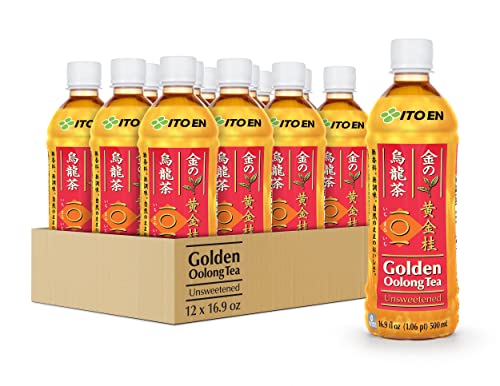
| Ready-to-Drink | Tea Type: Oolong (semi-oxidized blend) | Caffeine Presence: Unsweetened, zero calories (implies caffeinated oolong) | Origin / Sourcing Region: Japan-based brand; tea from oolong cultivars (blend includes Huan Jin Guei and Tieguanyin) | VIEW LATEST PRICE | Read Our Analysis |
| Bigelow Oolong Tea Bags 20 ct |

| Consistent Classic | Tea Type: Oolong | Caffeine Presence: Caffeinated | Origin / Sourcing Region: (Not specified) – generally sourced (implied traditional oolong origins) | VIEW LATEST PRICE | Read Our Analysis |
| Prince of Peace Organic Oolong Tea (100 Bags) |

| Organic Bulk Buy | Tea Type: Oolong (Wu Long / Rock Tea) | Caffeine Presence: Lower caffeine (approx. 30–40 mg per cup) | Origin / Sourcing Region: Wuyi District, Fujian, China | VIEW LATEST PRICE | Read Our Analysis |
| Twinings Pure Oolong Tea 20 Individually Wrapped Bags |

| Travel-Friendly | Tea Type: Oolong (partially oxidized) | Caffeine Presence: Caffeinated | Origin / Sourcing Region: Mainly Fujian Province, China | VIEW LATEST PRICE | Read Our Analysis |
More Details on Our Top Picks
The Republic of Tea Peach Blossom Oolong (36 Bags)
In case you want a gentle, lightly caffeinated oolong that still feels like a small treat, The Republic of Tea Peach Blossom Oolong is a smart pick. You’ll notice bright peach blossom nuances and a floral finish that feels like spring. It’s grown in Fujian along winding mountain streams, so you can sense careful cultivation in each sip. Heat fresh filtered water to a rolling boil, pour 6 oz over one bag, and steep 3 to 5 minutes. You’ll get mild energy without big jitters. It comes in a 1.8 oz tin with 36 bags, gluten free, sugar free, carb free.
- Tea Type:Oolong (semi-oxidized)
- Caffeine Presence:Caffeinated (contains small amount)
- Origin / Sourcing Region:Fujian, China
- Packaging Format:36 tea bags in a 1.8 oz tin
- Preparation / Use:Steep 1 bag in 6 oz boiling water 3–5 minutes
- Health / Dietary Notes:Gluten-free, sugar-free, carb-free; mild caffeine
- Additional Feature:Bright peach blossom flavor
- Additional Feature:1.8 oz collectible tin
- Additional Feature:Releases essence of spring
Ito En Tea Golden Oolong Tea Unsweetened 16.9 Ounce (Pack of 12)
Should you want a smooth, unsweetened oolong that feels like a calm break in a busy day, this 12-pack of Ito En Golden Oolong is a great pick. You’ll get twelve 16.9 ounce bottles of pure oolong brewed from whole leaves, no powders, no concentrates, just tea, purified water, and vitamin C. The blend of Huan Jin Guei and Tieguanyin brings a flowery, fragrant, hearty taste that stays clean and ripe. It has zero calories, natural catechins, and vitamin C to support your immunity. Ito En’s craft and careful leaf selection show in every invigorating, ready to drink bottle.
- Tea Type:Oolong (semi-oxidized blend)
- Caffeine Presence:Unsweetened, zero calories (implies caffeinated oolong)
- Origin / Sourcing Region:Japan-based brand; tea from oolong cultivars (blend includes Huan Jin Guei and Tieguanyin)
- Packaging Format:Ready-to-drink bottled (12 × 16.9 fl oz)
- Preparation / Use:Ready-to-drink – consume chilled/on the go (no steeping)
- Health / Dietary Notes:Unsweetened, zero calories; contains vitamin C and antioxidants
- Additional Feature:Ready-to-drink bottles
- Additional Feature:Huan Jin Guei + Tieguanyin
- Additional Feature:Contains vitamin C
Bigelow Oolong Tea Bags 20 ct
In case you want a mellow, low-key tea that fits into busy days, Bigelow Oolong Tea Bags, 20 ct is a great pick for anyone who cares about steady flavor without fuss. You’ll find a smooth, distinctive taste that stays consistent cup after cup. Each bag comes individually wrapped in foil pouches, so you can grab one for work, travel, or a quiet moment at home. It pairs well with any meal and suits any occasion, which makes it easy to reach for. The packaging keeps aroma and freshness intact, so you’ll enjoy reliable, comforting sips wherever you go.
- Tea Type:Oolong
- Caffeine Presence:Caffeinated
- Origin / Sourcing Region:(Not specified) – generally sourced (implied traditional oolong origins)
- Packaging Format:20 individually wrapped tea bags (foil pouches)
- Preparation / Use:Brew as tea bag (standard steeping; portable use)
- Health / Dietary Notes:(Implied) traditional oolong-general tea antioxidants; ready-portable
- Additional Feature:Individually foil-wrapped
- Additional Feature:Consistently mellow notes
- Additional Feature:Portable single-cup packs
Prince of Peace Organic Oolong Tea (100 Bags)
Provided you want a gentler cup that still feels grown-up and warm, Prince of Peace Organic Oolong Tea is a great pick for winding down without giving up a full flavor. You’ll notice woody, rock tea notes from Wuyi District leaves that feel comforting and steady. It’s certified organic by ECOCERT, unsweetened, and comes in 100 bags, so you won’t run out. Steep one bag per 6 fl. oz. for 3 to 5 minutes, then sweeten should you like. Each cup has about 30 to 40 mg caffeine, so it’s lighter than coffee yet still satisfying and familiar.
- Tea Type:Oolong (Wu Long / Rock Tea)
- Caffeine Presence:Lower caffeine (approx. 30–40 mg per cup)
- Origin / Sourcing Region:Wuyi District, Fujian, China
- Packaging Format:100 tea bags (bulk)
- Preparation / Use:Steep 1 bag per 6 fl oz hot water 3–5 minutes
- Health / Dietary Notes:100% organic; unsweetened; lower caffeine alternative to coffee
- Additional Feature:ECOCERT organic certified
- Additional Feature:Wuyi District Rock Tea
- Additional Feature:Large 100-bag supply
Twinings Pure Oolong Tea 20 Individually Wrapped Bags
In case you want a mild, easygoing oolong that’s perfect for travel or a quiet afternoon, Twinings Pure Oolong Tea, 20 individually wrapped bags is a great pick. You’ll find individually sealed bags that keep each cup fresh and make packing simple for work or trips. The tea comes from Fujian, where leaves are gently shaken and rolled to reach a semi fermented, warm toasty profile with light sweetness and nutty notes. You can brew it hot or iced, add milk or sweetener assuming you like, and enjoy a golden cup that feels comforting and calm.
- Tea Type:Oolong (partially oxidized)
- Caffeine Presence:Caffeinated
- Origin / Sourcing Region:Mainly Fujian Province, China
- Packaging Format:20 individually wrapped tea bags
- Preparation / Use:Brew by cup or pot; suitable hot or iced (standard steeping)
- Health / Dietary Notes:Caffeinated; suitable hot or iced (traditional oolong health profile)
- Additional Feature:Warm toasty nutty flavor
- Additional Feature:Golden/golden-red liquor
- Additional Feature:Suitable with milk
Factors to Consider When Choosing Decaffeinated Oolong Teas
As you pick a decaffeinated oolong, you’ll want to check the actual caffeine level so it matches your needs and evenings. Pay attention to the decaffeination method and how well it keeps the tea’s flavor and aroma, and consider origin and terroir because where the leaves come from shapes the taste. Also look for organic certification for cleaner growing practices and fewer residues so you can enjoy your cup with confidence.
Caffeine Levels
Consider of decaffeinated oolong as a gentler version of the tea you love, but don’t assume it’s totally caffeine-free. You should expect about 2 to 5 mg per 8‑oz cup compared with 30 to 50 plus mg in regular oolong. That difference matters provided you’re sensitive, so look for labels that list mg per cup or third party testing. Also keep in mind decaf often loses some aroma and stimulating alkaloids, so flavor could be milder. Brewing still affects caffeine: hotter water and longer steeps pull more of the remaining caffeine out. Should you worry about sleep or jitters, steep briefly and use cooler water. While you shop, ask questions and choose brands that test residual caffeine for clearer guidance.
Decaffeination Methods
You’ll want to know how decaffeination was done before you pick a decaf oolong, because the method shapes taste, aroma, and how much caffeine is left. Start by checking solvent-based processes that use ethyl acetate or methylene chloride. They target caffeine while keeping many flavor compounds, so you’ll often get a familiar cup. Next, consider the carbon dioxide method. Supercritical CO2 removes caffeine with pressure and keeps more volatile aromatics intact, so the tea can feel brighter and more complex. Water-based processes soak leaves, filter out caffeine, and return flavor compounds, but some subtle notes could soften. All methods usually remove about 97% of caffeine, leaving a small amount. Reflect on your sensitivity, and pick the method that matches the experience you want.
Flavor Retention
Often you’ll want to know how much of the original taste survives the decaffeination process before you buy a decaf oolong. You’ll find method matters. Supercritical CO2 usually keeps more floral and fruity aromatics, so the cup feels closer to the original. Solvent or heavy heat methods can strip delicate volatiles, making lighter oolongs taste flatter. Also expect a smoother mouthfeel because removing caffeine reduces bitterness and briskness, but that can thin the body. Choose whole leaf, lightly processed teas whenever possible, since intact leaves hold aromatics better than broken bits. Freshness plays a big role too. Lower oxygen packaging and cool storage help preserve volatile characteristics over weeks to months, so verify roast and packing dates.
Origin And Terroir
At any time you pick a decaffeinated oolong, where the leaves were grown matters as much as how they were processed. You’ll notice soil, altitude, and local weather shape the tea’s core flavors. Rich or acidic soils change mineral uptake, which alters sweetness and mouthfeel even after decaffeination. Higher altitudes slow leaf growth, raising amino acids and aromatic compounds, so you get more floral or fruity cues. Daily temperature swings and seasonal rain affect oxidation potential in the fresh leaf, setting a baseline profile before any decaf step. Post-harvest handling ties into terroir too. Withering, rolling, and oxidation done under local conditions lock in aromas that persist. So bear in mind origin details; they tell you what personality the decaffeinated oolong will keep.
Organic Certification
At the moment you pick a decaffeinated oolong, checking for a true organic label matters because it tells you the farm and the process met strict rules, not just a friendly claim. Look for trusted third party seals like USDA Organic or EU Organic so you know the tea grew without synthetic pesticides or fertilizers. Also check that the decaffeination method is certified organic, since processing must meet the same standards. You can verify the certifier code or logo and search the certifier’s public database to confirm the farm or processor. Organic certification often includes lot numbers or origin statements, which give you traceability and peace of mind. Recall natural or pesticide free claims aren’t the same as certified organic.
Additives And Ingredients
Upon selecting a decaffeinated oolong, attend closely to what’s actually in the bag or bottle so you don’t get surprised by concealed ingredients. You should initially check how decaffeination was done. CO2 or water methods usually leave fewer chemical residues than solvent processes. Next, read the ingredient list beyond the word tea. A true decaf oolong will list only oolong tea and perhaps decaffeinated. Also watch for added flavors, sweeteners, or preservatives, especially in bottled or ready-to-drink options where syrups or juices add calories. Whenever you see flavored notes, identify natural fruit or flower oils versus artificial flavorings provided you have sensitivities. Lastly, look for allergy flags and certifications like gluten-free or organic to match your needs.
Price And Value
Deciding what price you’re willing to pay for decaffeinated oolong starts with figuring out how you’ll use it, because cost per cup tells you more than the sticker price. Look at cents per tea bag or per gram of loose leaf so you see true value. Check package size and leaf-to-water ratios next because bulk often lowers cost per cup, though it asks for more upfront cash. Factor in extras like filters, infusers, or storage that quietly add cost. Also weigh quality markers such as the decaffeination method, harvest date, and solvent testing, since cheaper decaf can lose flavor or safety. Finally match price to how often you drink and whether you’ll single-serve or multi-steep loose leaf so your choice fits your routine.
