

A busy clinic leaves little room to type while speaking with patients, reviewing test results, or writing discharge instructions. A purpose-built dictation device can capture those details hands-free, then turn recordings into text or structured notes for later review. The right model depends on whether you prioritize compactness, recording capacity, wearable convenience, or automated transcription.
The Leading Options At A Glance

Tascam DR-05X 2-Input / 2-Track Portable Stereo Recorder, Black
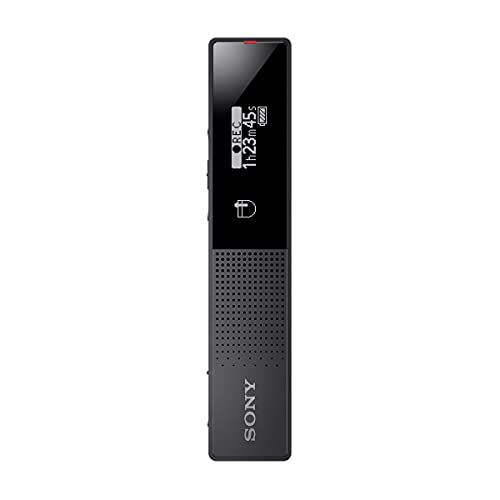
Sony ICD-TX660 Ultra-Thin Voice Recorder
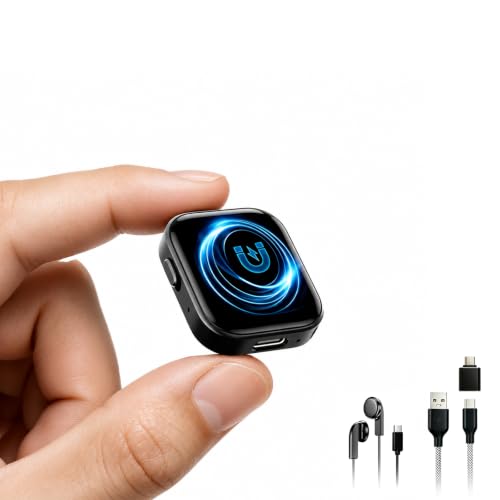
Tallkcoder 128GB Magnetic Recorder

Okikayy AI 128GB Recorder

Plaud NotePin S Wearable Voice Recorder

Plaud Note AI Voice Recorder, Black
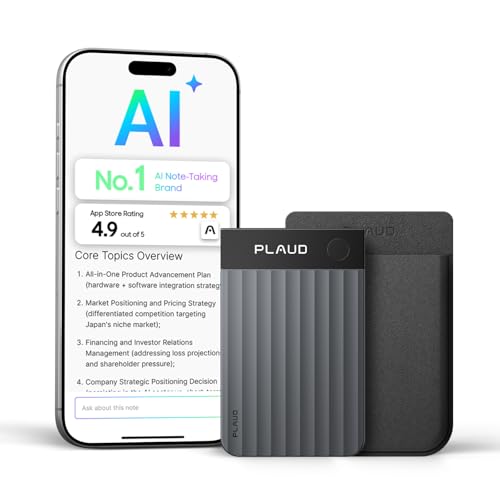
Plaud Note Pro AI Voice Recorder
A Breakdown Of The Leading Choices
The Tascam DR-05X sits between a simple voice recorder and a compact audio workstation. Its two-input, two-track setup gives you room to capture a patient and a colleague, while its compact body suits a pocket or clinical bag. For doctors who want control over the raw recording rather than relying on automated transcription, that flexibility is the main attraction.
You can record WAV for uncompressed audio or MP3 for smaller files, with quality settings reaching 24-bit/96 kHz. In practical terms, that range supports detailed note capture while preserving storage choices for different sessions. Compared with the Sony ICD-TX660, this model trades slimness for broader recording control and USB audio-interface use.
Good Reasons To Consider
- Two inputs let you record two people without adding a second device.
- WAV and MP3 support gives you control over file size and detail.
- The USB interface turns the recorder into a practical desktop audio tool.
- Recording levels reach 24-bit/96 kHz for flexible, high-resolution capture.
Practical Considerations
- It handles raw audio rather than producing structured clinical notes automatically.
- Its larger feature set may feel excessive for brief, single-speaker notes.
Key Specs
Made For
This model fits doctors who record consultations, teaching sessions, or interviews and want flexible audio-file control.
Look Elsewhere When
The Sony ICD-TX660 suits professionals who prioritize a thinner pocket design and simpler one-button operation.
Small enough to disappear into a jacket pocket, the Sony ICD-TX660 is built for quick notes during rounds, hallway consultations, or short teaching exchanges. Its uncluttered approach makes sense for doctors who want to start recording without navigating a large menu or changing settings between appointments.
The 16GB built-in memory removes the need to manage removable cards, while Time Jump helps you move to a meaningful point in a long recording. One Push Recording and Auto Voice Recording add useful hands-free options. Unlike the Tascam DR-05X, however, this Sony focuses on compact note capture rather than multi-input audio work.
Where It Excels
- The ultra-thin body fits comfortably in a pocket or clips near a notepad.
- One Push Recording reduces friction when a note begins unexpectedly.
- Auto Voice Recording helps separate active speech from quiet periods.
- Time Jump shortens the process of locating an important passage.
Small Caveats
- Its stated noise reduction may not match dedicated multi-mic noise filtering in noisy rooms.
- Built-in storage cannot be expanded, so long recording schedules require regular file transfers.
Who Will Love This
Busy clinicians who value pocketability, quick controls, and simple playback will find this recorder easy to adopt.
Another Choice May Suit
The Tascam DR-05X better fits doctors who need two inputs, removable storage, and direct USB audio-interface use.
The Tallkcoder 128GB Magnetic Recorder is aimed at long sessions where storage, battery life, and hands-free placement matter more than a slim profile. Its magnetic attachment can hold it on a compatible metal desk or frame, which makes it useful for lectures, department meetings, or a fixed station near a treatment room.
Voice activation pauses recording during quiet stretches and resumes when sound returns. You can also record continuously for up to 100 hours at the lowest bitrate, depending on settings. Compared with the Sony ICD-TX660, this device offers far more capacity and placement flexibility, though its controls and settings take a little more planning.
The Case For It
- Internal storage can hold up to approximately 14,800 hours at the lowest bitrate.
- Continuous recording reaches a stated 100 hours on one charge.
- The magnetic attachment supports hands-free placement on compatible metal surfaces.
- Voice activation reduces quiet passages and saves battery life.
- MP3 and WAV formats serve both compact sharing and detailed recording.
Points To Note
- The magnetic feature requires a compatible metal surface.
- Maximum recording time depends on the selected format and bitrate.
- Regular backups remain important because files sit on internal storage.
Feature Breakdown
Right Fit
This recorder suits doctors conducting long teaching sessions, interviews, or department meetings away from a desk.
Reach For A Different Pick When
The Sony ICD-TX660 is the better fit for professionals who want a thinner device and built-in storage for short notes.
The Okikayy AI 128GB Recorder favors direct controls and roomy storage. A physical switch starts recording, and plugging in earphones provides quick playback without an app or wireless setup. For doctors who want a dedicated recording tool rather than another phone workflow, that simplicity may be the most useful feature.
An AI and DSP chip handles noise reduction, which means the device adjusts its sound capture according to the surrounding environment. Voice-activated recording uses a 70 dB threshold and saves the current file after 20 seconds without detected sound. It offers less format control than the Tallkcoder, but fewer settings make sense for routine notes.
Benefits That Matter
- The 128GB card provides substantial space for appointment notes and meetings.
- A hardware switch reduces the steps required to begin recording.
- Instant earphone playback supports quick review without a separate screen.
- Automatic timestamps make stored files easier to organize.
Possible Compromises
- Voice activation must be enabled manually in the settings.
- The stated battery life reaches up to 20 hours, less than the Tallkcoder model.
- Noise reduction can alter recordings in rooms with complex or overlapping voices.
Quick Facts
Built With In Mind
This model targets doctors who want large storage, quick physical controls, and fast playback during a full clinical day.
Consider Something Else When
The Tallkcoder 128GB Magnetic Recorder is more suitable for continuous sessions that exceed 20 hours or require hands-free mounting.
Wearable capture changes the pace of clinical documentation. The Plaud NotePin S can remain on your clothing while you move between rooms, making it a natural option for rounds, bedside discussions, or a hospital shift where holding a handheld recorder is inconvenient.
The device records audio and sends it to the Plaud app and web service for transcription and summary creation. Its intelligence tools support 112 languages and offer more than 10,000 templates for producing mind maps and task lists. That makes the NotePin S more useful for organized notes than a basic recorder, although it depends on a connected workflow.
What Earns Its Place
- Wearable placement supports hands-free recording during mobile rounds.
- Transcription saves time compared with manually typing every conversation.
- Summary templates can turn discussions into structured notes and tasks.
- Support for 112 languages broadens its usefulness in diverse settings.
Things That May Matter
- The workflow depends on transferring recordings to the app or web service.
- Confirm consent and your organization’s privacy requirements before recording conversations.
The Right Fit
Mobile clinicians who walk between locations and want automated notes will find the wearable format especially useful.
Where Another Pick Shines
The Tascam DR-05X is the better choice when raw recording quality, removable cards, and USB audio-interface control matter more than wearables.
The standard Plaud Note brings AI-assisted transcription and summaries to a pocketable recorder, giving doctors a practical middle ground between raw audio capture and the more structured Note Pro. It works well for appointment notes, case discussions, and personal reminders that later need to become organized text.
Recordings move to the Plaud app and web service, where the intelligence features can produce summaries, mind maps, and to-do lists. The tool supports 112 languages and provides more than 10,000 templates. Compared with the NotePin S, it is a more conventional handheld format, which may be easier to manage during a desk-based workday.
Reasons It Performs
- Automated transcription reduces the manual work involved in turning speech into notes.
- Summary templates help organize consultations and working discussions.
- The standard handheld format suits carrying between rooms or desks.
- Broad language support suits international clinical environments.
Details To Watch
- It requires a compatible phone or computer for the transcription workflow.
- The non-Pro edition lacks Note Pro’s automatic speaker labeling for multi-person conversations.
Core Features
Who Should Grab It
Doctors who want automated summaries from handheld recordings will get a balanced and approachable tool here.
Swap It Out When
The Plaud Note Pro AI Voice Recorder better serves clinicians who regularly need speaker labels in multi-person meetings.
The Plaud Note Pro is built around complex conversations rather than isolated voice memos. Automatic speaker labels distinguish participants in recorded meetings, which makes it easier to review who said what after a case conference, teaching session, or department meeting.
Its transcription supports 112 languages, while the intelligence tools create summaries, mind maps, to-do lists, and proposals. For doctors who regularly attend multi-speaker meetings, those structured outputs can reduce the effort of turning a long recording into a usable record. The standard Plaud Note is more restrained, with speaker labeling providing the key distinction.
The Good Stuff
- Automatic speaker labels simplify multi-person meeting review.
- Transcription supports 112 languages for diverse clinical settings.
- Role-based summaries help separate key decisions from surrounding discussion.
- Mind maps and to-do lists add structure beyond a plain transcript.
- Proposal formats support clinical planning and meeting follow-up.
Where It May Fall Short
- The advanced tools add less value for short, single-person notes.
- Reviewing and correcting generated summaries still takes time.
Technical Highlights
Best Suited To
Doctors leading or attending frequent multi-speaker meetings gain the most from speaker labels and structured outputs.
Not Your Match When
The Okikayy AI 128GB Recorder is more suitable for simple, offline-style capture without a connected transcription workflow.
Matching A Recorder To Your Clinical Routine
Recording Workflow Details
Start with the conversations you need to capture most often. A two-input model such as the Tascam DR-05X handles a patient and companion, while the Sony ICD-TX660 favors quick single-speaker notes in a pocket. Long lectures and meetings place more weight on battery life, storage, and automatic silence handling.
Think about the expected sound environment too. Noise-reduction processing can help in a busy clinic, but the device still needs to be positioned near the speaker. The magnetic Tallkcoder works well in a fixed location, while the Plaud NotePin S remains attached to your clothing during rounds.
Storage And File Handling
Removable microSD cards make the Tascam flexible across separate recording systems, while built-in storage makes the Sony simpler to carry. The Tallkcoder and Okikayy provide much larger internal capacities for extended documentation schedules. File format also matters: WAV retains more audio data, whereas MP3 creates smaller files for easier transfer.
For Plaud devices, consider the connected workflow as carefully as the hardware. Recording, transcription, and summary creation depend on the app or web service, so confirm that process suits your daily device setup.
Comfort And Access
A handheld recorder works well for desk notes and appointments, while the NotePin S appeals to clinicians who remain mobile. Pocket thickness, one-button operation, and earphone playback can make short notes less disruptive during a busy schedule. Whatever the format, keep your device charged, confirm consent before recording, and follow your workplace’s data-handling rules.
Avoiding Common Recording Mistakes
Mistakes Worth Dodging
Avoid choosing by storage capacity alone. A large memory card cannot compensate for a device that is awkward to operate during a conversation. Check button placement, file format, charging method, and whether your phone supports the transfer process before making a purchase.
What Separates Premium From Basic
The advanced Plaud models spend more effort on transcription, speaker labels, and structured outputs. That difference matters for multi-speaker meetings, while a standard voice recorder may be enough for brief personal notes. Choose the extra intelligence only when you will regularly turn recordings into summaries or action lists.
Frequently Asked Questions
Which dictation device is easiest to carry during hospital rounds?
The Sony ICD-TX660 offers the most compact handheld format, while the Plaud NotePin S is designed to remain attached to clothing. Your choice depends on whether you prefer a pocketable recorder or a wearable workflow.
Do medical dictation devices create transcripts automatically?
The three Plaud models support transcription and summary creation through their app and web service. The Tascam, Sony, Tallkcoder, and Okikayy record audio directly for later playback or transfer.
Which option handles long meetings best?
The Tallkcoder 128GB Magnetic Recorder offers up to 100 hours of continuous recording at its lowest bitrate, along with voice activation. Actual duration changes with the selected format and bitrate.
Is speaker labeling useful in clinical meetings?
Speaker labeling can make it easier to distinguish a physician, colleague, and patient in a multi-person recording. The Plaud Note Pro includes automatic speaker labels, giving it an advantage over the standard Plaud Note.
What should doctors check before recording a conversation?
Confirm consent and follow your clinic’s privacy and data-retention rules before recording. Your notes should also remain on a secure system that meets your organization’s requirements.
Final Verdict
The Tascam DR-05X gives you the most control over raw audio, the Sony ICD-TX660 handles brief notes with less bulk, and the Tallkcoder suits extended sessions. For automated documentation, the Plaud NotePin S serves mobile rounds, the standard Plaud Note fits everyday summaries, and the Note Pro adds useful structure for multi-speaker meetings. Match the recording format to your actual workflow, then verify consent and data-handling requirements.
