

A dog with itchy skin, a dull coat, or recurring stomach discomfort puts food selection on a short list of careful decisions. Limited-ingredient recipes can simplify a feeding routine, while everyday dry foods may suit dogs whose skin needs depend on general nutrition rather than ingredient avoidance. These six options cover food trials, active dogs, growing puppies, and small-breed adults, with the right choice determined by your dog’s age, health history, and daily routine.
A Fast Comparison Of The Options

Dr. Harvey’s Turkey Recipe 5.5 Oz

Dr. Harvey’s Salmon 5.5 Oz

Dr. Harvey’s Lamb Recipe 5.5 Oz

Purina Pro Plan 30/20 Chicken

Purina ONE Large Breed Puppy 15 lb
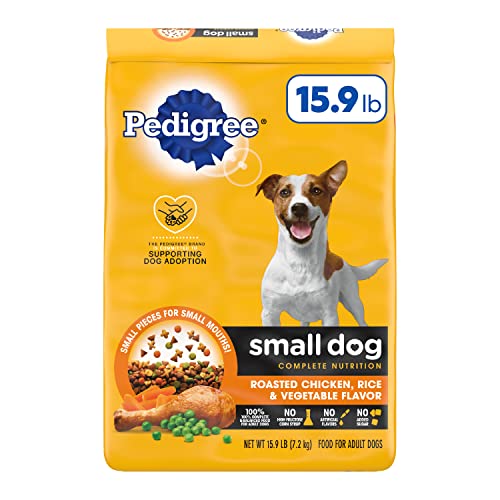
PEDIGREE Small Dog Adult 15.9 lb Bag
A Closer Look At Each Pick
Turkey may be a sensible starting point for a dog whose skin reacts to several common ingredients, especially when you want a short, manageable food trial. This complete limited-ingredient meal lists raw turkey first and avoids corn, wheat, soy, dairy, and eggs, giving you a simple label to compare with your dog’s current food.
The catch is size. This 5.5-ounce bag makes one pound of rehydrated food, so it works better for sampling a recipe than for feeding a medium or large dog every day. The practical value comes from its short ingredient profile and easy preparation, not from its bulk packaging.
Advantages To Know
- Turkey is the first listed ingredient.
- Several common dietary triggers are excluded.
- Hot-water preparation creates a familiar rehydrated meal for trial feeding.
- The small bag makes recipe changes easy to organize.
Trade Offs
- The bag is intended as a trial size, so larger dogs need a better feeding plan.
- Each serving requires hot water and a 12-minute wait.
Key Specs
Who It Suits Best
This option suits you when you want to test a turkey-based meal with a small dog or a dog that eats a limited quantity per meal.
Where Another Pick Suits Better
Purina Pro Plan 30/20 Chicken suits an active adult dog whose energy needs matter more than a small food trial.
Salmon gives you a different protein to examine when poultry has already been part of your dog’s diet. The label remains grain-free and omits corn, wheat, soy, dairy, and eggs, so this option offers a concise ingredient list for dogs with skin or stomach sensitivities.
Compared with Dr. Harvey’s Turkey Recipe 5.5 Oz, the main decision is the animal protein rather than the format. A dog already doing well on turkey may gain little from switching, while a dog that tolerates fish but not common grains may find this recipe easier to assess during a veterinary-guided food trial.
The Case For It
- Raw salmon appears first in the ingredient list.
- The recipe avoids five common grains, dairy products, and eggs.
- The limited-ingredient format makes dietary logs easier to maintain.
- Dried food rehydrates into a soft meal for selective eaters.
Small Caveats
- The 5.5-ounce bag is too small for many dogs’ complete daily feeding needs.
- Hot-water preparation adds a 12-minute wait to each meal.
Built With In Mind
This recipe works best for you when your dog tolerates fish and you need a single-protein option to discuss with a veterinarian.
Swap It Out When
Dr. Harvey’s Lamb Recipe 5.5 Oz makes more sense when lamb already agrees with your dog and salmon is part of the suspected sensitivity list.
Lamb provides a straightforward protein choice when you want to separate the main recipe from the rest of your dog’s current diet. This limited-ingredient food lists raw lamb first, omits several common ingredients, and arrives as a small trial bag rather than a large commitment.
For a first food trial, that combination can make your notes easier to organize. The practical trade-off is that you still need to account for portion size, preparation time, and your dog’s reaction over time rather than judging the recipe from a single meal.
Everyday Wins
- Raw lamb is the first listed ingredient.
- Corn, wheat, soy, dairy, and eggs are left out.
- The trial bag simplifies recipe sampling and storage.
Points To Note
- One rehydrated pound may not last long enough for a larger dog.
- Preparation requires hot water and a 12-minute resting period.
- Lamb should fit your dog’s existing tolerance before you use it for a food trial.
Quick Facts
The Right Fit
This option suits you when lamb is a familiar tolerated protein and you are beginning a carefully documented food trial.
A Better Fit Elsewhere
Dr. Harvey’s Turkey Recipe 5.5 Oz is the stronger alternative for a dog that already handles turkey comfortably.
An athletic dog can place a different kind of demand on nutrition than a sedentary companion. Purina Pro Plan 30/20 Chicken is built around a high-protein formula with 30 percent protein and 20 percent fat, along with a nutrition approach designed to support endurance and lean muscle after exercise.
That makes it a stronger fit for working dogs, sporty companions, and highly active households than the small trial bags reviewed earlier. Skin comfort still depends on the full diet, so chicken and fat levels deserve attention when your dog has a known food sensitivity.
Strong Points
- Real chicken leads the ingredient list.
- The 30/20 protein-and-fat profile suits intense activity.
- Amino acids are included to support muscle nourishment.
- Dry kibble simplifies storage and portioning for active dogs.
Honest Caveats
- This is an active-dog formula rather than a limited-ingredient skin-focused recipe.
- Chicken may not suit a dog with a known chicken sensitivity.
Feature Snapshot
Who Should Grab It
This food suits you when exercise level is the deciding factor and your dog does not avoid chicken or common grains.
Another Choice May Suit
Dr. Harvey’s Turkey Recipe 5.5 Oz is a better fit for a smaller dog undergoing a short limited-ingredient food trial.
A large-breed puppy has different needs from an adult dog because growth must support developing muscles, bones, and joints. Purina ONE Large Breed Puppy 15 lb centers the formula on real chicken as the first ingredient, with DHA for the stated support of vision and brain development.
Glucosamine is also included for the stated support of joint health, while the formula is designed to maintain an appropriate growth rate. That makes it the most age-specific choice here, but the food remains unsuitable for an adult dog solely because its skin looks irritated.
Reasons It Performs
- Real chicken leads the ingredient list.
- DHA supports the stated development needs of growing puppies.
- Glucosamine provides the stated support for joint health.
- Crunchy bites and tender morsels give puppies varied textures.
- No artificial flavors or preservatives are included.
Where It May Fall Short
- The puppy formula does not suit an adult dog.
Whose Shelf It Belongs On
This option belongs with a large-breed puppy household that values growth support and a dry-food format.
Look Elsewhere When
PEDIGREE Small Dog Adult 15.9 lb Bag serves an adult small-breed dog more appropriately.
Small-breed adults often benefit from kibble sized for their mouths, especially when eating takes longer or dental comfort affects the meal. PEDIGREE Small Dog Adult 15.9 lb Bag provides that smaller kibble alongside whole grains, antioxidants, vitamins, and minerals for a regular adult diet.
Omega-6 fatty acids and zinc are included for the stated support of skin and coat nourishment. Compared with the limited-ingredient Dr. Harvey’s options, this recipe offers broader everyday nutrition, but chicken and grains can matter when a food trial depends on strict ingredient avoidance.
Strengths Worth Knowing
- Small kibble suits the mouth size of a small adult dog.
- Omega-6 fatty acids and zinc support the stated skin and coat needs.
- Whole grains are included for the stated digestion support.
- No high-fructose corn syrup, added sugar, or artificial flavors are included.
Less Ideal Details
- Chicken and grains may not suit a dog following a tightly restricted food trial.
- Dry kibble requires no rehydration, yet portioning still depends on your dog’s daily calorie needs.
- The recipe targets adult small dogs, not growing puppies.
Core Details
Made For
This food suits you when you have an adult small dog and want a simple dry-food routine with skin-supporting nutrients.
Skip It When
Dr. Harvey’s Turkey Recipe 5.5 Oz is the better fit for a tightly managed food trial with a small dog.
What To Look For Before Changing Your Dog’s Food
Identify the real trigger
A food change can simplify your dog’s diet, but the ingredient behind a skin reaction is rarely obvious from appearance alone. Keep a record of ingredients, treats, supplements, itching, stool quality, and the timing of symptoms, then share that history with a veterinarian. Food can be part of the evaluation, but it does not identify the cause by itself.
Compare the ingredient list
For a food trial, the shorter list often makes day-to-day consistency easier. Look for a single animal protein that your dog has not eaten recently, while also checking treats, toppers, and chew toys for hidden sources. The Dr. Harvey’s recipes omit corn, wheat, soy, dairy, and eggs, whereas PEDIGREE Small Dog Adult 15.9 lb Bag includes grains and chicken.
Match the formula to the dog
Age and activity can outweigh ingredient preferences. A puppy needs a growth formula, a working dog may need more protein and fat, and a small adult benefits from appropriately sized kibble. Large Breed Puppy 15 lb and Purina Pro Plan 30/20 Chicken serve different daily demands despite both using chicken as a leading ingredient.
Allow a consistent observation period
Your dog needs time on one consistent diet before you can judge the response. Avoid changing several foods, toppers, and treats at once, and continue essential veterinary care while you make adjustments. A qualified veterinary professional can guide the food trial and help you determine when further testing is appropriate.
Avoiding Costly Feeding Mistakes
Common Shopping Slip Ups
Choosing by marketing language alone can send you toward a formula that does not fit your dog’s age or sensitivities. Compare the actual ingredient list, life-stage statement, and preparation requirements before buying, and remember that treats and supplements also affect a food trial.
What Separates Premium From Basic
A higher-cost food may spend more on ingredient selection, processing, or specialized nutrition, but cost alone does not prove a better fit. Limited-ingredient trial bags and performance formulas serve different purposes, so the most useful upgrade is the one that matches your dog’s actual dietary and lifestyle needs.
Frequently Asked Questions
Can Dog Food For Skin Issues Diagnose the Problem?
No, dog food cannot diagnose the cause of skin changes. A veterinarian can assess your dog’s symptoms and help determine how food fits into the next steps.
Are Limited-Ingredient Recipes Easier to Compare?
Yes, because they typically use a shorter ingredient list. A single primary protein and the exclusion of several common ingredients can make a documented food trial easier to follow.
How Long Should a Food Trial Last?
The appropriate length depends on your dog’s symptoms and medical history. Your veterinarian can recommend a consistent observation period and tell you when further assessment is needed.
Should a Puppy Eat Adult Dog Food?
No, puppies have different growth needs than adult dogs. Purina ONE Large Breed Puppy 15 lb is designed for large-breed growth, while adult formulas suit fully grown dogs.
Is Dry Food Better for Skin and Coat?
Neither format is automatically better for skin and coat. Compare nutrients, ingredients, digestibility, and your dog’s health history, then follow your veterinarian’s nutritional guidance.
Final Verdict
The best match depends on the decision behind the food change. Dr. Harvey’s trial bags simplify short food trials, Purina Pro Plan 30/20 Chicken serves highly active dogs, and the puppy and small-dog formulas fit specific life stages. Start with your dog’s age, known sensitivities, and routine, then choose the recipe you can feed consistently.
