

A small dog’s meal needs fit more than the bowl. Portion size, kibble shape, digestibility, age, and ingredient preferences all shape the daily routine, and a tiny dog may eat very differently from a larger small-breed companion. The eight options below cover fresh plans, dry food, wet meals, and formulas for sensitive digestion, giving you practical choices for your dog’s age, eating habits, and household routine.
The Choices Worth Comparing

Farmer’s Dog Variety Set

Farmer’s Dog Beef & Grains

Hill’s Small & Mini Adult 1-6

Hill’s Small & Mini Adult 7+
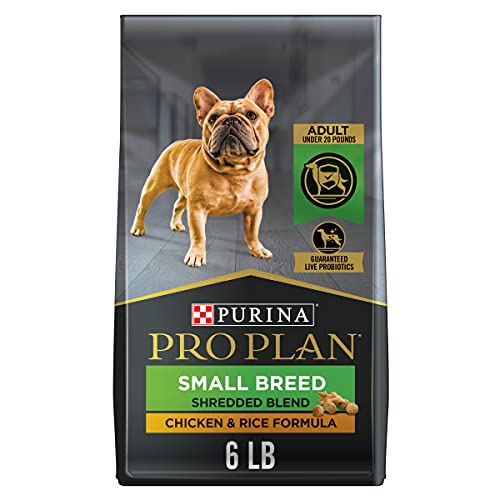
Purina Pro Plan Small Breed

IAMS Minichunks Chicken 30 lb

Hill’s Sensitive Small & Mini

Hill’s Small & Mini Wet 12-Pack
More Details On Our Top Picks
Three recipes give this fresh-food plan more day-to-day flexibility than a single entrée. The set includes turkey, chicken and grain, and beef and grain options, which can suit a small dog whose meal preferences change from one day to the next.
The meals use real meat and vegetables that are gently cooked before freezing. A brief personalization questionnaire considers breed, weight, activity level, and nutrition needs, making this a more involved choice than grabbing a standard bag from the shelf.
Real-World Strengths
- Three protein and grain combinations rotate through the weekly meal plan.
- Fresh cooking and freezing give the meals a different preparation from dry kibble.
- Personalized portions consider the individual dog rather than only the package label.
- Plan management includes pause, skip, and cancellation options with round-the-clock support.
Worth Noting
- The personalized ordering process takes more planning than purchasing a fixed bag.
- Fresh meals require suitable freezer space and a smooth daily serving routine.
Key Specs
Built With In Mind
This plan fits small dogs whose owners value fresh recipes, flexible delivery, and portion guidance built around an individual profile.
A Better Fit Elsewhere
Hill’s Small & Mini Adult 1-6 is a simpler fit for households that want one dependable dry-food bag rather than a managed fresh-food subscription.
The Farmer’s Dog Beef & Grains plan takes a more focused direction than the variety set, centering the meal around beef and grain. That narrower focus can make sense for a small dog whose owner already knows which proteins and grain-based recipes suit the household’s feeding routine.
As with the variety plan, portions are shaped around breed, weight, activity level, and nutrition needs. The food is prepared with real meat and vegetables, gently cooked, and frozen, so the practical decision depends on freezer capacity and your willingness to manage refrigerated or frozen portions after delivery.
Where It Delivers
- Real beef and grain provide a straightforward option for dogs that prefer familiar ingredients.
- Fresh cooking offers a distinct alternative to standard dry kibble.
- Personalized portion planning helps account for a small dog’s size and activity.
- Members can pause, skip, or cancel the plan while retaining access to support.
Trade Offs
- The single beef-and-grain direction offers less variety than the Farmer’s Dog Variety Set.
- Managing fresh portions and freezer storage adds work to the daily routine.
- Owners must review the nutrition plan with a veterinarian before making a major dietary change for a dog with specific health concerns.
Who Should Grab It
This plan suits small dogs that thrive on beef-and-grain meals and whose owners prefer personalized fresh portions over buying a fixed bag of kibble.
Where Another Pick Shines
Farmer’s Dog Variety Set offers a better fit for small dogs that rotate between turkey, chicken, and beef recipes instead of favoring one meal.
Small and mini breeds reach adult size faster than many larger dogs, so portion density and kibble size deserve attention. This Hill’s formula is designed for adult dogs from one to six years old and offers chicken with brown rice or lamb with brown rice, giving you two familiar recipe directions.
Protein, fat, and carbohydrates work together to provide balanced energy, while the inclusion of pumpkin supports digestion and stool quality. It feels like a practical daily option for homes that value a straightforward dry-food routine over the freezer management required by fresh plans.
Features That Help
- Formulated specifically for small and mini adult dogs.
- High-quality protein supports lean muscle during everyday activity.
- Pumpkin adds a gentle source of fiber for digestion and stool quality.
- Chicken or lamb recipes make it easier to match the food to your dog’s preferences.
- Available in several bag sizes to suit different storage and feeding routines.
Small Caveats
- This formula is intended for dogs aged one to six, so it does not match a senior dog’s stage.
- Dry food requires accurate portions because small dogs have limited daily intake needs.
Key Product Details
The Right Fit
This food fits owners of small or mini adult dogs ages one through six who want an age-specific dry-food formula with a simple feeding routine.
Another Choice May Suit
Hill’s Small & Mini Adult 7+ is a closer match for a small dog that has reached the senior stage of life.
A small senior dog often needs a diet matched to its life stage rather than one borrowed from a younger adult. Hill’s Small & Mini Adult 7+ fills that narrow, useful role with a dry formula designed around balanced energy, digestion, and body weight.
Antioxidants and balanced minerals support heart, kidney, and bladder health, while easy-to-digest ingredients including pumpkin support digestion. Unlike the fresh Farmer’s Dog plans, this option fits a conventional pantry and scoop-and-serve routine.
Why It Works Well
- The age designation keeps feeding decisions aligned with a senior dog’s stage.
- Balanced minerals and antioxidants support several senior-oriented body systems.
- Balanced energy and nutrition are intended to help maintain a healthy body weight.
- Pumpkin and easy-to-digest ingredients support comfortable everyday digestion.
Practical Considerations
- Senior nutrition needs can vary, so a veterinarian should guide major changes for a dog with specific concerns.
- Small-breed portions remain important even with a senior-specific formula.
Made For
This dry food is made for owners of small and mini dogs aged seven and older who want age-specific nutrition in a familiar kibble format.
Look Elsewhere When
Purina Pro Plan Small Breed is the better fit for an adult small dog that prefers shredded pieces mixed with bite-sized kibble.
Some small dogs eat dry kibble happily but ignore the larger pieces in the bowl. Purina Pro Plan Small Breed Shredded Blend answers that problem with two textures: nutrient-dense bite-sized kibble and small shredded pieces, which may make meals more appealing for selective eaters.
Real chicken is the first ingredient, and the high-protein formula is designed for an active lifestyle and ideal body condition. The six-pound bag is compact for storage, although larger options are also listed for households that prefer fewer restocking trips.
What Earns Its Place
- Shredded chicken pieces add texture for dogs that prefer softer morsels.
- Bite-sized kibble is better proportioned for small jaws than large pieces.
- Real chicken leads the ingredient list.
- The protein-focused formula suits an active adult small-breed routine.
Points To Note
- Chicken and rice may not suit a dog with a known sensitivity to either ingredient.
- Six-pound bags need more frequent refills than the 18- and 34-pound options.
Quick Facts
Who Will Love This
This formula suits adult small dogs that show interest in shredded pieces and need a dry-food texture sized for their mouths.
Reach For A Different Pick When
IAMS Minichunks Chicken 30 lb is a more practical fit for households prioritizing one uniform kibble shape and a larger bag.
IAMS Proactive Health Adult Minichunks keeps the texture uncomplicated: small, dry pieces intended for a standard adult feeding routine. The 30-pound bag makes this a practical choice for a household feeding one small dog or several dogs that use the same complete food.
Real chicken is the first ingredient in the chicken and whole-grain recipe, while the formula is described as containing no fillers or artificial flavors. Compared with Purina Pro Plan Small Breed, it offers a consistent mini-kibble texture without the added shredded pieces.
Real Benefits
- Small chunks are easier for tiny mouths to manage than standard large kibble.
- Real chicken leads the recipe.
- The 30-pound bag reduces the number of refills for a regular feeding routine.
- Smaller bag options are also available for households with limited storage space.
Details To Watch
- A large bag needs a dry, sealed storage place and regular portion control.
- Minichunks are designed for adult dogs, so age matching remains important.
Feature Snapshot
Best Suited To
This food fits adult small-dog households that value a uniform mini-kibble shape and want the convenience of a larger bag.
Consider Something Else When
Hill’s Sensitive Small & Mini is a stronger match for a dog whose priority is a formula designed around sensitive digestion and skin.
Digestive upset and skin irritation can make a standard meal difficult to evaluate, especially when a small dog has a limited daily intake. This Hill’s formula focuses on all three areas, using prebiotic fiber, vitamins, and fatty acids instead of treating digestion as a separate issue.
Prebiotic fiber is a type of carbohydrate that supports beneficial gut bacteria and can help with nutrient absorption. The added vitamin E and omega-3 and omega-6 fatty acids support skin and coat health, while vitamins C and E provide antioxidant support for the immune system.
Practical Advantages
- The highly digestible formula is designed for sensitive stomachs.
- Prebiotic fiber supports gut bacteria and nutrient absorption.
- Omega-3 and omega-6 fatty acids provide targeted support for skin and coat health.
- The small and mini formulation suits a dog’s smaller body and daily portions.
Honest Caveats
- A sensitivity-focused formula still requires a gradual transition from the current food.
- Persistent digestive or skin concerns warrant guidance from a veterinarian.
Right Fit For
This formula suits small dogs with recurring digestive sensitivity or skin and coat needs that call for a more focused dry-food approach.
Not Your Match When
Hill’s Small & Mini Adult 1-6 is the better fit for a generally healthy adult dog without a need for this extra digestive and skin focus.
Wet food can make portioning easier for a tiny dog because each tray arrives as a defined serving. This Hill’s Adult Small & Mini variety pack includes 3.5-ounce and 5.8-ounce options, with chicken and beef or vegetable stew combinations that add welcome variety to the cupboard.
The recipes use highly digestible ingredients intended to be gentle on a small dog’s stomach, while lean protein and gentle fibers support body condition and digestion. Compared with the dry Hill’s options, the tradeoff is refrigeration and the need to serve wet food promptly rather than pouring it into a bowl for the day.
Useful Touches
- Single-serving trays simplify portion control for small dogs.
- Several chicken, beef, and salmon combinations prevent a monotonous meal rotation.
- Highly digestible ingredients suit a gentle approach to small-dog feeding.
- Two tray sizes offer flexibility for different portion requirements.
Things That May Matter
- Opened portions need refrigeration and prompt serving.
- Wet food requires more storage space than an equivalent portion of dry kibble.
Core Details
Made For
This pack suits small-dog households that want pre-portioned wet meals, easier portioning, and several protein options in one cupboard.
Swap It Out When
IAMS Minichunks Chicken 30 lb is a better fit for a household that wants a shelf-stable dry option and a larger single bag.
What to Match Before You Choose
Life stage comes before bag size
A small dog’s body is compact, but its age still determines the formula. Adult dogs from one to six years have different needs from senior dogs at seven and older, and a puppy needs an entirely different food. Confirm the life-stage statement on the package before comparing portions or kibble shapes.
Kibble size and texture affect daily use
Kibble should be manageable for the dog to pick up and chew. Mini pieces work for many small breeds, while Purina Pro Plan Small Breed adds shredded pieces for dogs that show interest in a mixed texture. Texture preference matters only when the dog reliably eats the meal.
Fresh, dry, and wet formats suit different routines
Fresh meals require freezer space and a more active serving routine. Dry kibble is easy to store and portion, while wet trays are pre-portioned but need refrigeration after opening. Choose the format you can manage consistently rather than the one that sounds most appealing once.
Ingredient needs should be specific
Grain, poultry, beef, and sensitive digestion are separate considerations. Chicken and rice may suit a typical small dog, but a dog with a known sensitivity needs a more focused formula. Ask an appropriate veterinarian for guidance when health concerns or a major dietary change are involved.
Practical Details That Shape Daily Feeding
Common Shopping Slip Ups
A small bag can be a sensible choice for freshness and storage, but buying too little may lead to frequent restocking. A larger bag suits a steady routine, yet it needs enough space and a reliable portion plan. Check the feeding directions, package size, and storage conditions together before ordering.
Where The Extra Money Goes
Higher-tier fresh plans often include individualized portions, fresh preparation, and flexible delivery management. That added convenience can be worthwhile for owners who value those features or want a more tailored routine. Shelf-stable dry or wet food can offer the better value when simplicity and predictable portions matter most.
Frequently Asked Questions
What food is best for a small-breed dog?
The right choice depends on age, size, digestion, texture preference, and how you will store and serve it. The most suitable option is the one that matches your dog’s life stage and remains a food your dog reliably eats.
Should small dogs eat kibble or wet food?
Either format can suit a small dog, provided the food is nutritionally appropriate and the portion is accurate. Kibble is easier to store, while pre-portioned wet trays can make daily serving simpler and add moisture to the meal.
How large should the kibble be for a small dog?
Kibble should be small enough for your dog to pick up comfortably and chew without excessive effort. Mini and small-breed formulas are designed with that physical limit in mind, although your dog’s eating habits remain a useful guide.
How do I change my small dog’s food?
Transition gradually by mixing a small portion of the new food with the current food, then increase the new portion over several days. Your veterinarian can help adjust the schedule, especially for a dog with digestive sensitivity or other health concerns.
Is fresh dog food better than dry food?
Fresh food offers refrigerated or frozen meals, while dry food provides a longer shelf life and simple portioning. Neither format is automatically right for every dog; your dog’s needs and your ability to store and prepare the food should guide the decision.
Final Verdict
The best fit for your small dog may be a matter of age, texture, digestion, and storage rather than one universal formula. Fresh plans add personalization, Hill’s formulas provide life-stage and sensitivity options, and Purina and IAMS keep daily feeding simple with small-breed kibble. Match the format to your routine, then transition slowly and monitor portion intake.
