

A dog who leaves half a meal behind or struggles after meals can send you searching through crowded food aisles. You need a formula suited to your dog’s age, size, and digestive sensitivity, plus a realistic transition plan. These six options range from a salmon-based food designed for sensitive digestion to age-specific recipes for puppies, adults, large breeds, and senior dogs.
A Quick View Of The Lineup

Blue Buffalo Life Protection Chicken Adult 30 lb

Blue Buffalo Life Protection Large Adult 30 lb

Blue Buffalo Life Protection Senior 7+ 30 lb

Purina Pro Plan High Protein Puppy 6 lb
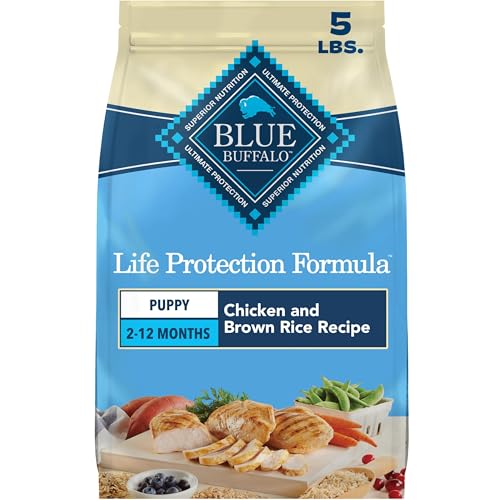
Blue Buffalo Life Protection Chicken Puppy 5 lb

Purina Pro Plan Sensitive Stomach Salmon
More Details On Our Top Picks
This adult formula puts chicken first and pairs it with brown rice, making it a practical everyday choice for dogs without a specific puppy, senior, or large-breed requirement. The 30-pound bag suits steady feeding schedules, although the standard chicken recipe is not marketed as a sensitive-stomach formula.
For a dog with recurring digestive discomfort, the product’s usefulness may depend on ingredients your dog already tolerates. A gradual transition gives you room to notice how your dog responds instead of changing the food and every other part of the routine at once.
The Case For It
- Real chicken leads the ingredient list.
- The 30-pound bag supports regular adult meals.
- Brown rice provides a familiar grain base for many dogs.
Things To Consider
- It lacks the digestive-focused positioning of the salmon recipe.
- Large storage space is useful for one dog but excessive for a small household.
Key Specs
Who It Suits Best
This option best suits adult dogs with no special age or size requirement whose owners prefer a chicken-and-rice recipe.
Where Another Pick Suits Better
Purina Pro Plan Sensitive Stomach Salmon is a more direct fit for dogs whose digestion is the main concern.
This recipe narrows the standard adult formula toward large-breed dogs, so size becomes the deciding factor rather than flavor. Real chicken appears first, followed by brown rice in the chicken-based recipe. For a large dog eating steadily, that combination provides a familiar daily-food option.
Unlike Blue Buffalo Life Protection Chicken Adult 30 lb, this formula is intended for a more specific body-size profile. It still lacks a clearly digestive-focused ingredient list, so your dog’s history with food matters more than the large-breed label alone.
Notable Upsides
- Designed around the needs of large adult dogs.
- Chicken serves as the leading ingredient.
- Brown rice adds a familiar carbohydrate source.
- The 30-pound package suits consistent daily use.
Small Caveats
- Confirm that your dog is classified as a large-breed adult before switching.
Made For
Large adult dogs that already handle chicken and grain well benefit most from this size-specific formula.
Consider Something Else When
Blue Buffalo Life Protection Senior 7+ 30 lb makes more sense for an older dog, including a large one, once age becomes the primary distinction.
Age is the central consideration with this recipe. It provides balanced daily nutrition for dogs aged seven and older, with chicken as the leading ingredient and carbohydrates supplying daily energy. That makes it a more logical starting point than the general adult formula for a senior dog.
The formula also includes LifeSource Bits, a branded blend associated with antioxidant intake. In practice, your dog still needs to eat the food consistently for those ingredients to fit the overall diet, and the chicken-and-rice base may not suit a dog with ingredient-related digestive trouble.
Practical Pluses
- Clearly formulated for dogs aged seven and older.
- Real chicken leads the ingredient list.
- Balanced nutrition combines protein, carbohydrates, and other nutrients.
Worth Noting
- Senior-specific nutrition does not make it a dedicated sensitive-stomach food.
- The 30-pound bag requires adequate storage and a steady feeding rate.
Feature Facts
Right Fit For
Older dogs that tolerate chicken and brown rice fit this age-specific formula particularly well.
Look Elsewhere When
Purina Pro Plan Sensitive Stomach Salmon better addresses a dog whose digestive sensitivity outweighs the need for senior labeling.
This puppy formula is built for growth rather than digestive sensitivity, with chicken as the first ingredient and several nutrients tied to development. DHA, a fatty acid from fish oil, supports brain and vision development, while calcium and phosphorus contribute to bone and tooth formation.
Compared with Blue Buffalo Life Protection Chicken Puppy 5 lb, this option lists a broader set of puppy-focused nutrients in its product details. Its digestible formulation, vitamin A, and omega-6 fatty acids make it a more detailed fit for a young dog’s growth stage.
Everyday Advantages
- Chicken leads the ingredient list.
- DHA from fish oil supports early brain and vision development.
- Vitamin A and omega-6 fatty acids nourish skin and coat.
- Calcium and phosphorus support bone and tooth development.
- The 6-pound bag is manageable for a new puppy household.
Points To Keep In Mind
- It is formulated for puppies, not adult dogs with digestive complaints.
Technical Highlights
Built With In Mind
Growing puppies with normal development needs benefit from this nutrient-focused recipe during their early months.
Another Choice May Suit
Blue Buffalo Life Protection Chicken Puppy 5 lb may suit you better when a smaller package and a shorter Blue Buffalo ingredient list matter more.
The 5-pound package keeps puppy food manageable during a stage when kibble size, appetite, and leftover portions can change quickly. Real chicken is the first ingredient, while the formula is intended for puppies from roughly 2 to 12 months. It is a simple, age-specific choice rather than a digestive-support recipe.
Purina Pro Plan High Protein Puppy 6 lb lists more development-oriented nutrients in detail, but this smaller Blue Buffalo bag can be easier to store. The chicken-and-brown-rice base may also fit families already familiar with Blue Buffalo products.
Notable Gains
- The compact 5-pound bag suits a young puppy’s changing portion needs.
- Real chicken leads the puppy recipe.
Possible Compromises
- It does not provide the same detailed nutrient list as Purina Pro Plan High Protein Puppy 6 lb.
- Puppy nutrition is not appropriate for every adult dog.
- You may need a larger package once your puppy begins eating more consistently.
Who Will Love This
New puppy households wanting a smaller bag and a straightforward chicken-based recipe will find this option easy to manage.
Reach For A Different Pick When
Purina Pro Plan High Protein Puppy 6 lb fits families that want the listed DHA, vitamin A, and mineral support in greater detail.
Digestive sensitivity gives this salmon recipe a clearer purpose than the general adult formulas. Oatmeal serves as an easily digestible carbohydrate, salmon leads the high-protein recipe, and live probiotics are included to support beneficial gut bacteria. Those details make it the most directly aligned option in this group.
Unlike Blue Buffalo Life Protection Chicken Adult 30 lb, this formula puts salmon first and carries a sensitive-skin-and-stomach designation. You still need to consider your dog’s food history, since an easy-to-digest ingredient is only one part of an individual feeding plan.
What Pays Off
- Salmon is the first ingredient.
- Oatmeal provides a gentle, digestible carbohydrate base.
- Live probiotics add beneficial microorganisms to the food.
- The high-protein recipe centers on fish rather than chicken.
- A 30-pound bag supports regular adult-dog feeding.
Things That May Matter
- Dogs that do not eat fish need a different recipe.
- The 30-pound package may be more than a small household needs.
Feature Overview
The Right Fit
Adult dogs that tolerate fish and need a clearly digestive-focused salmon recipe are the strongest match.
A Better Fit Elsewhere
Blue Buffalo Life Protection Chicken Adult 30 lb may suit you better when chicken is a proven part of your dog’s regular diet.
Matching Food To Your Dog’s Needs
Start With The Life Stage
Your dog’s age determines which formula is structurally appropriate. The puppy recipes target development, the large adult formula addresses body size, and the senior option is made for dogs aged seven and older. Pick the life-stage match first, then evaluate the ingredients and any digestive-focused features.
Look Beyond The Front Of The Bag
Chicken or salmon appearing first tells you the main protein source, but it does not answer every feeding question. Check the carbohydrate, fat, added nutrients, portion guidance, and your dog’s known sensitivities. The oatmeal in Purina Pro Plan Sensitive Stomach Salmon, for example, provides a clear reason to consider it for sensitive digestion.
Transition Without Rushing
A food change is easier to evaluate when it happens gradually. Mix the new food with the current food over several meals, following the feeding directions for both products. Keep treats and supplements steady so any change in appetite, stool quality, or tolerance is easier to connect with the new recipe.
Keep Symptoms In Perspective
Food can be part of a feeding plan, but a label cannot determine the cause of digestive trouble. Repeated vomiting, diarrhea, abdominal pain, blood, sudden appetite changes, or weight loss call for veterinary assessment rather than a food-only experiment. A sensitive formula is most useful when it complements a stable routine and any professional guidance.
Two Details Worth Checking Before You Order
Mistakes Worth Dodging
Do not choose a sensitive-stomach food simply because its package sounds more suitable. Check the leading ingredients, the dog’s life stage, and the package size before buying. Buying a large bag for a small dog can create storage waste, while ignoring the age label can leave you feeding a puppy formula to an adult.
Where The Extra Money Goes
Higher-tier dog foods may cost more because of ingredient choices, added nutrients, specialized production, or brand support. The added expense matters most when a feature addresses your dog’s specific age, size, or digestion needs. It adds less value when you cannot identify a reason the formula fits better than a straightforward option.
Frequently Asked Questions
What Food Is Best For A Dog With A Sensitive Stomach?
Purina Pro Plan Sensitive Stomach Salmon is the clearest fit in this group because it combines oatmeal, real salmon, and live probiotics. Your dog’s diagnosed sensitivities and veterinary guidance should still determine the final choice.
Should Senior Dogs Eat Senior Dog Food?
Senior food is designed around the needs of older dogs, including balanced nutrition and age-specific ingredients. A healthy senior may benefit from it, though individual appetite, mobility, and digestive history still matter.
Can Puppy Food Help An Adult Dog With Digestive Problems?
Puppy food is formulated for growth and should not replace an adult formula solely because of digestive symptoms. A senior, large-breed, or sensitive-stomach recipe more closely matches an adult dog’s stage and needs.
How Long Should A Dog Take To Adjust To New Food?
Most food transitions should be gradual, often spanning several days to a week. Your dog’s tolerance and the feeding directions for the new recipe should guide the pace, particularly when digestion has recently been unsettled.
What Is The Main Difference Between Chicken And Salmon Recipes?
Chicken recipes provide a familiar poultry-based protein, while salmon formulas use fish and may suit dogs that avoid chicken. The digestive-focused salmon option also includes oatmeal and live probiotics, giving it a more specific rationale for sensitive digestion.
Final Verdict
Purina Pro Plan Sensitive Stomach Salmon offers the most direct match for digestive-focused feeding, while the other options organize the decision around age, breed size, and ingredient familiarity. Compare the label with your dog’s actual needs, transition carefully, and keep persistent symptoms in the hands of a veterinary professional. The right formula is the one that fits your dog without adding unnecessary complications.
