

You’ll want flavor, nutrition, and pantry-ready reliability, and you’ll want choices that match how you cook. You’ll find five top dried wheat berries that fit busy kitchens, bakers who plan ahead, and anyone wanting heartier grains. Each pick is chosen for taste, texture, and real food credentials, so you can cook, sprout, or grind with confidence. Keep going to see which berry suits your meals and storage needs.
| Pereg Fine Bulgur Wheat (16 oz) |

| Quick & Versatile | Grain Type: Bulgur wheat (fine) | Packaging Weight: 16 oz (1 lb) | Flavor/Texture: Nutty flavor, chewy texture | VIEW LATEST PRICE | Read Our Analysis |
| Bob’s Red Mill Organic Kamut Khorasan Berries 24 Oz (4 Pack) |

| Heritage Favorite | Grain Type: Khorasan (Kamut) wheat berries | Packaging Weight: 24 oz (pack of 4) – total 24 oz | Flavor/Texture: Rich, nutty taste; firm chew | VIEW LATEST PRICE | Read Our Analysis |
| Food to Live Organic KAMUT Khorasan Wheat Berries |
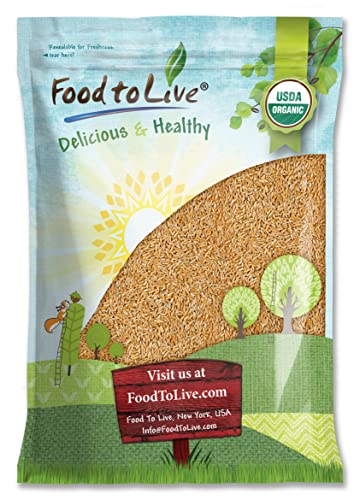
| Bulk Nutrition Pick | Grain Type: KAMUT Khorasan wheat berries | Packaging Weight: 10 lb | Flavor/Texture: Nutty flavor; plump kernels | VIEW LATEST PRICE | Read Our Analysis |
| Yupik Organic Kamut (Khorasan Wheat) Whole Grains |

| Easy-Digest Option | Grain Type: Khorasan (ancient wheat) whole grains | Packaging Weight: 2.2 lb (35.2 oz) | Flavor/Texture: Nutty, buttery, rich flavor | VIEW LATEST PRICE | Read Our Analysis |
| McCabe Organic Kamut Khorasan Wheat Berries (2 lb) |

| High-Protein Choice | Grain Type: Kamut (Khorasan) wheat berries | Packaging Weight: 2 lb | Flavor/Texture: Nutty flavor; satisfying texture | VIEW LATEST PRICE | Read Our Analysis |
More Details on Our Top Picks
Pereg Fine Bulgur Wheat (16 oz)
Should you want a quick, healthy whole grain that fits into busy weeknights, Pereg Fine Bulgur Wheat 16 oz is a great choice you’ll reach for often. You’ll like its nutty flavor and chewy texture that hold up in salads, pilafs, soups, and stuffed peppers. It cooks fast, about 10 minutes with boiling water or broth, so you won’t feel rushed after work. It’s 100% natural, non-GMO where verified, and free from additives, preservatives, and artificial flavors. Because it’s high in fiber and protein and kosher certified, you’ll feel confident serving it warm or chilled.
- Grain Type:Bulgur wheat (fine)
- Packaging Weight:16 oz (1 lb)
- Flavor/Texture:Nutty flavor, chewy texture
- Preparation Notes:Quick-cooking (~10 minutes) – add to boiling water/broth
- Dietary / Certification Attributes:100% natural, non-GMO (where verified), Kosher (OU & CRC)
- Primary Culinary Uses:Pilaf, tabbouleh/salads, stuffed vegetables, soups, side dishes
- Additional Feature:Quick 10-minute cook
- Additional Feature:Family-owned since 1906
- Additional Feature:OU & CRC Kosher
Bob’s Red Mill Organic Kamut Khorasan Berries 24 Oz (4 Pack)
Assuming you love hearty, chewy grains that hold up in salads, pilafs, and warm bowls, Bob’s Red Mill Organic Kamut Khorasan Berries are a great choice for home cooks who want something both nutritious and satisfying. You’ll notice a rich nutty taste and firm, pleasant chew from plump whole kernels. You can soak them overnight to cut cooking time and soften them, thereby helping during your reimagination of rice dishes or building grain bowls. They bring protein, fiber, magnesium, and zinc to meals. The brand keeps traditional stone-milled methods alive, so you feel like you’re cooking with something honest and wholesome.
- Grain Type:Khorasan (Kamut) wheat berries
- Packaging Weight:24 oz (pack of 4) – total 24 oz
- Flavor/Texture:Rich, nutty taste; firm chew
- Preparation Notes:Soak overnight to reduce cooking time; then cook
- Dietary / Certification Attributes:Organic (Bob’s Red Mill), stone-milled ethos (non-GMO implied by organic)
- Primary Culinary Uses:Rice-style dishes, savory grain recipes, salads, side dishes
- Additional Feature:Heirloom grain origin
- Additional Feature:Stone-milled brand ethos
- Additional Feature:Sold as 4-pack
Food to Live Organic KAMUT Khorasan Wheat Berries
Should you care about feeding your family whole, nutrient-dense grains and want a pantry staple that pulls double duty, Food to Live Organic KAMUT Khorasan Wheat Berries are a great pick. You’ll get 10 pounds of 100% whole grain that’s sproutable for fresh wheatgrass, packed in bulk for busy weeks. They’re organic, non-GMO, and kosher, so you can feel good about what you serve. Kamut delivers more zinc, selenium, and magnesium than regular wheat, and its nutty flavor works in sweet and savory dishes. Kamut flakes cook fast, and you won’t need any prior prep to enjoy them.
- Grain Type:KAMUT Khorasan wheat berries
- Packaging Weight:10 lb
- Flavor/Texture:Nutty flavor; plump kernels
- Preparation Notes:Ready-to-cook; Kamut flakes cook fast; sproutable
- Dietary / Certification Attributes:Organic, Non-GMO, Kosher
- Primary Culinary Uses:Sweet and savory recipes, sprouting, whole-grain preparations
- Additional Feature:Sproutable for wheatgrass
- Additional Feature:Bulk 10-pound bag
- Additional Feature:Exceptionally high zinc
Yupik Organic Kamut (Khorasan Wheat) Whole Grains
Should you’re looking for a hearty whole grain that’s gentle on digestion and packed with flavor, Yupik Organic Kamut fits the bill. You’ll find 2.2 pounds of certified organic, kosher, non GMO, vegan Khorasan wheat that looks like big, golden kernels. You can soak one cup overnight to cut cooking time, then drain and simmer in three cups boiling water. The grain gives a nutty, buttery, rich taste and offers fiber and iron. It’s lighter and easier to digest than modern wheat, and it works well for cooking or sprouting whenever you want something wholesome and reliable.
- Grain Type:Khorasan (ancient wheat) whole grains
- Packaging Weight:2.2 lb (35.2 oz)
- Flavor/Texture:Nutty, buttery, rich flavor
- Preparation Notes:Suggested soak overnight; then cook in 3 cups boiling water per cup
- Dietary / Certification Attributes:Certified organic, Kosher, Non-GMO, Vegan
- Primary Culinary Uses:Cooking whole grains, sprouting, salads, side dishes
- Additional Feature:Soak-to-reduce-cook-time
- Additional Feature:Lighter, easier digestion
- Additional Feature:2.2 lb retail size
McCabe Organic Kamut Khorasan Wheat Berries (2 lb)
In case you want a simple way to boost protein and fiber in your meals, McCabe Organic Kamut Khorasan wheat berries are a great pick for cooks who care about flavor and nutrition. You’ll notice a nutty taste and firm bite that elevates soups, salads, and casseroles. They bring 20 to 40 percent more protein than common wheat, plus vitamins, minerals, and fiber. You can grind them into flour for hearty baking or cook them whole as a filling side. Sourced from Southern California and USDA Organic certified, they fit well into a balanced, active lifestyle and feel reliable in your pantry.
- Grain Type:Kamut (Khorasan) wheat berries
- Packaging Weight:2 lb
- Flavor/Texture:Nutty flavor; satisfying texture
- Preparation Notes:Cook whole or grind to flour; can be used as substitute for wheat
- Dietary / Certification Attributes:USDA Organic, CCOF certified
- Primary Culinary Uses:Substitute for common wheat (cook whole, grind to flour), casseroles, soups, sides
- Additional Feature:20–40% more protein
- Additional Feature:Grindable into flour
- Additional Feature:Sourced in Southern California
Factors to Consider When Choosing Dried Wheat Berries
If you’re picking dried wheat berries, consider the grain type and variety alongside organic certifications since those choices shape flavor and farming practices. Check the nutrition label and weigh texture and cooking time so you can match the berries to your meals and schedule. Also pick a package size that fits your pantry and how often you cook so you avoid waste and keep things fresh.
Grain Type & Variety
Because the wheat variety you pick changes how a dish turns out, take a moment to match the berry to your recipe and taste, and you’ll get better results and less stress. Start by noting protein and gluten levels. Hard red wheat gives firm chew and strong gluten for bread. Soft white feels tender in pastries and quick cooks better. Ancient grains like spelt and Kamut bring larger kernels and a nutty flavor, and they can offer more minerals you may appreciate. Choose whole berries to keep bran and germ for more fiber and a chewier bite. Keep in mind kernel size and hardness affect cooking time and water needs, so plan soaking or longer boiling for dense berries. Should you have sensitivities, know all true wheat has gluten, though some people tolerate heritage types better.
Organic And Certifications
Although labels can feel confusing, you’ll feel safer grasping which certifications matter and why. Look for USDA Organic or an equivalent mark so you know growers avoided synthetic pesticides, herbicides, and GMOs. Organic rules also limit synthetic fertilizers and irradiation, and they require traceable farm to packaging records. Third party seals like Non GMO Project Verified add independent proof about GMO status, while Kosher confirms adherence to dietary laws. Trust recognized certifiers rather than vague claims such as organic style or naturally grown. Should you need allergen or diet assurances like gluten free or vegan, check for specific certification or testing statements instead of assuming organic covers them. These steps protect your pantry and your peace of mind.
Nutritional Content Profile
Provided that you want a single pantry staple that delivers steady energy and real nutrition, dried wheat berries are a smart pick. You get whole grain nutrition because each berry keeps bran, germ, and endosperm intact. That means plenty of fiber, about 12 to 15 grams per 100 grams cooked, which helps your digestion and keeps you feeling full longer. You also get solid protein, roughly 12 to 15 grams per 100 grams cooked, so wheat berries can support plant based meals. On top of that, they provide magnesium, zinc, selenium, and iron to help energy and immune health, plus B vitamins and vitamin E for metabolism and cell protection. Because the grain stays whole, it causes a gentler rise in blood sugar and steadier energy release.
Texture And Cooking Time
As you pick dried wheat berries, consider about how you want them to feel in your mouth and how much time you’re willing to spend cooking them. Whole berries give you a hearty, tender-chewy bite you won’t get from flour. Should you soak them overnight, active simmering drops to about 20 to 40 minutes and the texture becomes softer and even. Unsoaked whole berries need closer to 45 to 60 minutes unless you use a pressure cooker or rice cooker, which cuts that to roughly 20 to 30 minutes while keeping a pleasant chew. Were you aiming for quicker, gentler results, choose cracked or rolled wheat. Those cook in 5 to 20 minutes and make a softer, porridge-like texture for fast salads and breakfasts.
Package Size Options
Now that you know how long and how you want your wheat berries to cook, it helps to evaluate about how much to buy. Consider how often you use them. Buy 1 to 2 pound bags when you cook them once in a while. Choose 5 to 10 pound or larger bags when you use them every week. Also look at storage space and shelf life. Whole wheat berries last six to twelve months in a pantry and much longer when you seal them and keep them cool or frozen. Should you plan to sprout or experiment, start small to test freshness and germination. For small kitchens, use resealable packs or transfer to airtight jars. Finally, weigh cost per pound against the risk of waste.
Culinary Versatility Uses
Reflecting on how you’ll use dried wheat berries will make choosing the right kind and amount much easier. Consider them as a sturdy pantry tool. You can cook them like rice for pilafs and grain bowls whenever you want chewy texture. Simmer them until tender and use them warm or chilled in salads because they hold dressing and mix ins without turning mushy. Imagine or coarsely grind some to make hot cereal, porridge, or rustic flours for breads and crackers whenever you want a heartier bite. Sprout a batch to add fresh, slightly sweet flavor to salads, sandwiches, or smoothies for extra nutrition. Save leftovers; they reheat well, slip into soups, or bake into casseroles for fast meals.
Sourcing And Ethics
As you pick dried wheat berries, consider who grew them and how they were grown so your choice supports healthier land and fair treatment for workers. Look for certified organic or non GMO labels so you avoid synthetic pesticides and back soil friendly farming. Also check fair trade, cooperative, or farmer impact certifications to make sure workers earn fair pay and communities gain support. Prefer suppliers that share traceability details like country, farm, or harvest year because transparency shows care for stewardship. Seek statements about sustainable land management such as crop rotation, reduced tillage, or water conserving irrigation since they protect soil and water. Finally pick bulk or recyclable packaging and regional sourcing to lower carbon and cut waste.
