

Monitoring two children in separate rooms changes the setup completely. A dual-camera system lets you check twins, a nursery, and a toddler’s room from one parent unit, while single-camera options can suit a more compact arrangement. Screen size, range, battery life, and connection method matter more than any extra feature once the monitor stays in your home day and night. These seven options cover everything from dedicated no-Wi-Fi systems to a smart monitor with local and remote viewing.
The Lineup, Simplified

VTech VM923 No WiFi Baby Monitor, 19-Hour Battery, 2.8-Inch Screen
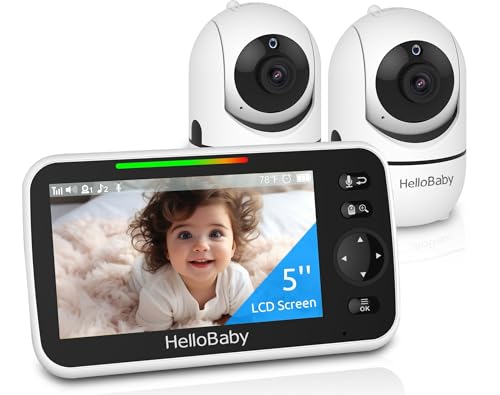
HelloBaby HB6550-2 5-Inch Dual Camera No WiFi Monitor

Jartoo 2K Smart Baby Monitor, 5.5-Inch Screen, Hybrid Connectivity

ANMEATE 6-Inch No WiFi Baby Monitor

HelloBaby HB6560 6-Inch No WiFi Baby Monitor
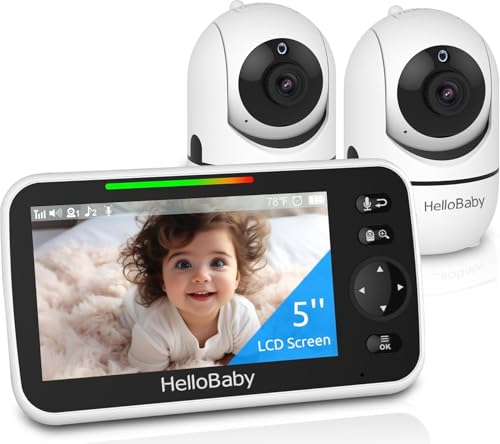
HelloBaby HB6550-2 Dual Camera Baby Monitor with Pan Tilt Zoom

HelloBaby HB6550 5-Inch No WiFi Baby Monitor
Taking A Closer Look At The Options
The VTech VM923 keeps the parent unit small while giving the camera enough movement to cover a nursery. Remote pan, 132-degree tilt, and 2x zoom let you follow a changing scene without entering the room, so it works well beside a crib or in a compact apartment.
Its dedicated encrypted FHSS link avoids your Wi-Fi network, and the parent unit offers up to 19 hours of continuous video. That makes this a sensible first monitor for one child, especially for households that value a connection-free system over phone-based remote access.
Features That Help
- The 2.8-inch display keeps the parent unit easy to hold or move between rooms.
- Up to 19 hours of video monitoring reduces the need for overnight charging.
- Automatic infrared night vision keeps the nursery viewable after lights go out.
- Two-way talk, eight lullabies, and ambient sounds support settling and reassurance.
Trade Offs
- One camera cannot cover two separate children at the same time.
- The smaller display feels less generous than the 5-inch and 6-inch alternatives.
Key Specs
Who It Suits Best
This monitor fits families monitoring one child who value compact controls, all-night battery life, and a dedicated connection.
Where Another Pick Suits Better
The HelloBaby HB6550-2 is the better fit for twins because it includes two cameras and presents each room on the same display.
Two pre-connected cameras make the HelloBaby HB6550-2 a natural fit for twins or siblings in different rooms. You switch between the feeds on a 5-inch IPS screen, so each room remains large and clear instead of being compressed into two tiny panels.
Each camera offers 355-degree pan, 120-degree tilt, and zoom, while a 2.4GHz FHSS link keeps the system off your home Wi-Fi. For frequent overnight checks, voice-activated ECO mode can stretch battery life to as much as 30 hours, though the listed 1,000-foot range is an outdoor maximum and interior walls will affect reception.
What Earns Its Place
- Two included cameras cover separate rooms without adding another parent unit.
- Single-view switching keeps both feeds large and avoids mixed audio.
- The 5-inch IPS display offers a comfortable balance of size and portability.
- Remote camera movement, infrared night vision, and two-way talk support routine care.
- The system expands to as many as four cameras for changing family needs.
Points To Note
- The parent unit cannot display both rooms simultaneously in split view.
- Range depends on home construction, placement, and whether the antenna is extended.
At A Glance
Made For
Families with twins, a nursery and toddler room, or a second child in a nearby playroom benefit most from this two-camera arrangement.
Consider Something Else When
The Jartoo 2K Smart Baby Monitor suits parents who need phone-based remote viewing in addition to local monitoring.
The Jartoo gives you two ways to monitor: a private local connection at home and app-based remote viewing while away. Hybrid connectivity means the system can stay useful beyond the walls of the nursery, which separates it from the dedicated no-Wi-Fi models in this lineup.
A 2K camera feeds a 5.5-inch IPS display, with 360-degree pan, 148-degree tilt, and 1x to 5x zoom for closer inspection. The listed 1,860-foot transmission range can cover a sizable property, although the actual result depends on placement and the walls between camera and parent unit.
Notable Gains
- App viewing adds flexibility for caregivers who regularly travel.
- Local monitoring provides an alternative when home internet access is unavailable.
- The 2K feed supplies more image detail for close views of the crib.
- AI-assisted detection, continuous recording, and the included mount support hands-on monitoring.
Where It May Fall Short
- The app and connection setup add more complexity than a dedicated no-Wi-Fi system.
- Remote access depends on suitable phone and home-network conditions.
- The system is less compelling for a household that wants no app-based account.
Technical Highlights
Right Fit For
Traveling parents, relatives living elsewhere, and families split across rooms benefit from the Jartoo’s flexible local and remote viewing modes.
A Better Fit Elsewhere
The HelloBaby HB6550-2 is easier to dedicate to at-home monitoring when you want two cameras without app-based remote access.
A six-inch display makes the ANMEATE stand out immediately, especially for a parent or grandparent who spends extended periods watching from a chair or nursery doorway. The IPS panel is designed to remain clear from different viewing angles, which is helpful when the parent unit is propped rather than held.
This is a dedicated camera-and-audio monitor that operates without Wi-Fi, so it avoids dependence on an internet connection. The large screen improves view size, but it does not increase the number of children or rooms you can monitor at once.
Where It Excels
- The 6-inch IPS display provides the largest viewing area in this lineup.
- Wide-angle viewing suits grandparents and anyone watching from across a room.
- No-Wi-Fi operation keeps the system focused on local monitoring.
Practical Considerations
- A larger parent unit takes more bedside or tabletop space.
- A single-camera design does not cover twins in separate rooms.
- Check that your arrangement needs one camera rather than two independent views.
Best Suited To
This monitor suits families monitoring one child who value a large, easy-to-view display over phone-based remote access.
Not Your Match When
The HelloBaby HB6550-2 is the stronger choice for two children because it includes two cameras and one-switch room access.
The HelloBaby HB6560 pairs a six-inch IPS display with a camera-and-audio system, giving one child a generous viewing area without Wi-Fi. Its portable design makes it easier to move between the nursery, living room, and kitchen than a permanently mounted display.
The listed 30-hour battery provides a useful margin for overnight monitoring, while the local connection avoids app and internet setup. For a family with two children in separate rooms, you would need a second camera system, since this model centers on one feed.
Real-World Strengths
- The 6-inch IPS display offers a clear, roomy view for one nursery.
- Up to 30 hours of battery life supports extended overnight use.
- No-Wi-Fi operation keeps local monitoring simple and independent.
- The portable screen can follow you between rooms during nighttime care.
Some Limits To Know
- One camera cannot show two children in separate rooms.
- The broad display occupies more space than a compact parent unit.
Feature Facts
Who Will Love This
Parents and grandparents who want one large, portable screen and dependable overnight battery life will appreciate this model.
Another Choice May Suit
The Jartoo 2K Smart Baby Monitor better serves caregivers who need remote viewing through a phone away from home.
This HelloBaby HB6550-2 listing centers on the same practical two-camera formula: one parent unit, two pre-paired nursery cameras, and a 5-inch IPS display. The feeds appear one at a time, which keeps each room large enough for ordinary crib checks.
Remote pan, tilt, and zoom give both cameras useful room coverage, while Auto Scan handles frequent switching. It is a straightforward home system without an app, so families can move the cameras between a nursery, toddler room, and playroom as needs change.
What Helps Most
- Two pre-paired cameras remove the need to pair each room separately.
- Full-size single-camera views make quick checks less visually cramped.
- Remote movement helps you inspect a crib, changing table, or play area.
Less Ideal Details
- You cannot watch both rooms at the same time in split view.
- Remote monitoring away from home is outside this system’s core purpose.
Built With In Mind
Families with twins or children in nearby rooms benefit from the pre-paired cameras, automatic switching, and shared parent unit.
Look Elsewhere When
The Jartoo 2K Smart Baby Monitor is a better fit when a grandparent or partner needs to view the nursery remotely.
The HelloBaby HB6550 delivers the essentials for a single nursery: a 5-inch color display, remote camera movement, infrared night vision, and two-way audio. Its quiet camera rotation avoids the mechanical noise that could disturb a light-sleeping baby during routine repositioning.
The camera rotates 355 degrees horizontally and 120 degrees vertically, with 2x zoom for closer views. This no-Wi-Fi design is straightforward for one room, although another system is necessary for simultaneous coverage of a second child.
What Pays Off
- The 5-inch screen balances visibility with a reasonably portable parent unit.
- Wide pan, tilt, and 2x zoom reduce the need to reposition the camera.
- Infrared night vision supports checking on your baby in a dark nursery.
- Two-way audio lets you speak or listen from another room.
What To Weigh
- Only one camera is included, so separate rooms need another system.
- The no-Wi-Fi design does not suit caregivers who need phone-based remote access.
Core Details
The Right Fit
This monitor suits a household focused on one child who wants a conventional no-Wi-Fi setup with a roomy screen.
Swap It Out When
The HelloBaby HB6550-2 is the better option for two children because it includes two cameras for separate rooms.
What Matters Most For Two-Room Monitoring
Start with the number of children and rooms you need to see. A two-camera model such as the HelloBaby HB6550-2 is designed for that task, while the VTech VM923 and HelloBaby HB6550 concentrate on one nursery. Screen size also changes the viewing experience: the ANMEATE and HelloBaby HB6560 use six-inch displays, compared with the VTech’s more portable 2.8-inch screen.
Connection style determines where the system can work. A dedicated no-Wi-Fi link avoids internet and app requirements, making it straightforward for home use. The Jartoo adds local and app-based viewing, which can suit relatives who monitor the baby while traveling.
Range should be treated as a maximum rather than a promise. Walls, floors, and furniture can reduce reception, especially in a large home. The listed outdoor ranges of 1,000 feet for several HelloBaby models and 1,860 feet for the Jartoo require sensible camera placement, not unlimited distance.
Battery mode and screen size influence nightly routines. Voice-activated ECO modes can extend monitoring time, while a larger display is easier to watch for long periods. Choose the balance that fits your bedside space and your usual viewing position.
Common Mistakes Worth Avoiding
Mistakes Worth Dodging
Choosing by camera count alone can leave you with an unsuitable display or connection method. Confirm whether you need two live rooms, one child, remote access, or a larger screen before deciding.
Treating maximum range as an indoor guarantee is another common error. Check the number of walls and floors between the camera and parent unit before installation.
What Separates Premium From Basic
A higher-tier monitor may add a larger display, finer camera resolution, flexible connectivity, or remote viewing through an app. Those additions help when you need clearer images, more placement freedom, or access from outside the home.
For a straightforward two-room setup, the extra capabilities may matter less than battery life and straightforward controls. Paying more becomes worthwhile only when the additional function solves a real part of your routine.
Frequently Asked Questions
Are dual baby monitors better than two separate monitors?
Dual-camera systems reduce the number of parent units you need, but the rooms appear one at a time. Separate monitors can show both rooms simultaneously, so they suit caregivers who prefer constant side-by-side viewing.
Do no-Wi-Fi baby monitors work without internet?
Yes. Dedicated systems transmit directly between the camera and parent unit without relying on your home internet. The Jartoo differs because it also supports app-based remote viewing.
Which screen size is easiest for long viewing sessions?
A six-inch screen offers more visible detail and is generally easier to watch from across a room. A smaller display takes less space and may be more convenient for travel or frequent handheld use.
Can two cameras cover two different children?
Yes, provided each camera is placed in a separate room. The HelloBaby HB6550-2 includes two cameras and lets you switch between them with a tap or automatic scanning.
Is a long advertised range reliable through walls?
Wall materials, floor levels, antenna position, and household interference affect the result. Camera placement near the center of the home often produces a steadier connection than placing both units at opposite ends.
Final Thoughts
The HelloBaby HB6550-2 is the most balanced choice for two children because it combines two cameras with a readable display and simple local controls. Jartoo makes sense when remote viewing is part of your routine, while the VTech VM923 suits a compact single-room setup. For large-screen viewing of one child, the ANMEATE and HelloBaby HB6560 deserve a closer look. Choose around your actual room arrangement, then confirm that the connection method fits how everyone monitors.
