

Loading a van or moving office furniture can turn an ordinary back brace into a practical piece of work equipment. A duty belt for back pain is best understood here as a lumbar support belt or back brace that adds compression and stability during lifting, sitting, or standing. The right choice depends on fit, breathability, support structure, and how many hours you need to wear it.
A Quick View Of The Lineup

ABACKH Lumbar Back Support Belt, Removable Straps, XL/2XL

Racbeuk Lumbar Support Belt for Lifting, Men & Women

FREETOO Lower Back Support Brace
SOLOEVER Breathable Back Brace

SOLOEVER Back Brace with Lumbar Pad
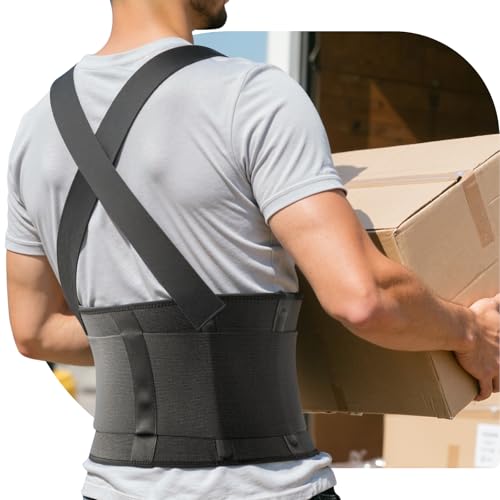
SOLOEVER Adjustable Lumbar Belt

King Mills Plus Size Back Support
Meet The Standout Selections
The ABACKH belt approaches lifting support from a more substantial angle than the slimmer Racbeuk model. Its 9-inch rear panel, four flexible support stays, and removable shoulder straps give you more structure across the lower back, which can be useful during warehouse shifts, moving work, or repeated bending. The XL/2XL size is intended for a 37- to 45-inch belly measurement.
You can wear the belt over a shirt or beneath clothing, and its elastic material balances structure with reasonable flexibility. For most physically demanding jobs, the shoulder straps are the detail that distinguishes it from a basic wraparound belt because they help keep the support in position as you bend and carry.
What Makes Sense
- Four flexible stays add support without locking the belt into a rigid shape.
- Removable shoulder straps help stabilize the fit during repeated lifting.
- The broad 9-inch panel covers much of the lower-back area.
- Wearable over or beneath clothing for different work settings.
Things To Consider
- The XL/2XL range only suits measurements from 37 to 45 inches.
- Shoulder straps may take adjustment to sit comfortably over work clothing.
Key Specs
Built With In Mind
This belt best suits movers, warehouse workers, landscapers, and tradespeople who need broader lower-back support during demanding shifts.
A Better Fit Elsewhere
Choose the Racbeuk Lumbar Support Belt instead for a lighter, more flexible design that fits comfortably under clothing.
Racbeuk takes a flexible approach to compression, using two belt layers rather than the broad shoulder-strap arrangement found in the ABACKH model. The inner layer surrounds the waist and lower back, while adjustable side straps let you regulate tension. That makes it a practical option for lifting, warehouse work, exercise, or a long day spent sitting and standing.
Support bars are positioned along both sides to add focused structure, and the curved shape follows the natural arc of the lower back. The thin elastic construction is intended to release heat and moisture, which may feel less restrictive for you during extended wear, depending on the fit and your work environment.
What Pays Off
- Two compression layers provide a closer, adjustable fit.
- Side support bars reinforce the lower-back area.
- The curved design follows the lumbar contour.
Practical Considerations
- Compression takes practice to tune correctly around the waist.
- The close fit may feel more present than the ABACKH belt during long shifts.
At A Glance
The Right Fit
You’ll appreciate this model most for lifting, active work, and long periods of standing or sitting where adjustable compression is useful.
Another Choice May Suit
The King Mills Plus Size Back Support is a more specific fit for a 44- to 52-inch belly measurement.
The FREETOO brace centers on a removable lumbar pad, offering cushioning and focused compression where the lower back needs it. That approach is less elaborate than the Racbeuk belt’s two-layer wrap and reinforced side bars, so your decision comes down to whether you value a simple, targeted cushion over broader adjustable compression.
For office work, driving, or light household tasks, the removable pad can be useful when you want support without the visual bulk of a large shoulder-strap design. You may find that the fit feels most natural during lighter activity, since continuous pressure can become distracting during a demanding shift.
Positive Points
- The removable pad lets you reposition or remove the cushioning component.
- Focused lower-back support keeps the design straightforward.
- The unisex format suits a broad range of body types.
Points To Note
- Check that the pad sits where you want added compression.
- You may prefer the Racbeuk model for more extensive side support.
- Adjust the fit gradually rather than starting with maximum tension.
Made For
This brace fits people seeking a straightforward lumbar cushion for commuting, desk work, and lighter daily tasks.
Look Elsewhere When
The ABACKH Lumbar Back Support Belt offers a clearer advantage for heavy lifting because it combines stays with shoulder straps.
The SOLOEVER design gives special attention to the shape of the lumbar spine, the lower section of the back containing five vertebrae. Its support panel follows the natural curve at a stated 26-degree angle, creating a more sculpted profile than the conventional flat wrap used by many support belts.
That geometry is the main reason to consider this model during extended workdays. Breathability and the contoured panel may feel practical for people who dislike a straight slab of material across the lower back, although the exact comfort still depends on your torso shape and how you adjust it.
Everyday Perks
- The 26-degree panel follows the lumbar curve.
- Coverage spans the L1 through L5 vertebrae.
- Breathable construction suits extended wear.
- Its shaped design distinguishes it from flat wrap belts.
Small Caveats
- Confirm that the curved panel rests comfortably across your lower back.
- You may need to adjust the fit during changes in posture.
Quick Facts
Who Will Love This
You’re likely to appreciate this brace most if you spend full shifts standing, walking, or working in a warm environment.
Reach For A Different Pick When
The ABACKH Lumbar Back Support Belt is more practical when removable shoulder straps and a wider rear panel matter more.
A lumbar pad gives the SOLOEVER Back Brace a focused support strategy. Rather than relying only on broad compression or a curved hard panel, it places a cushion in the lower-back area, which can be useful when posture changes leave you wanting targeted pressure.
The design is marketed for men and women dealing with lower-back discomfort associated with lifting, standing, or sitting. It sits between the simpler FREETOO pad approach and the more structured Racbeuk belt, so the deciding factor is how much surrounding support you want beyond the pad.
Where It Helps
- The lumbar pad concentrates support in the lower-back region.
- The unisex design works for a broad range of body types.
Honest Caveats
- Confirm that the pad supports the area where you feel tension.
- You may want more extensive side compression for heavy lifting.
- Comfort can change as your posture shifts during the day.
Best Suited To
This brace suits people who spend time at a desk, drive regularly, or want focused cushioning during routine household and workplace tasks.
Where A Sibling Pick Shines
Choose the Racbeuk Lumbar Support Belt when adjustable dual-layer compression and reinforced side bars suit your needs better.
The SOLOEVER Adjustable Lumbar Belt is aimed directly at physically demanding work, including construction, warehousing, and jobs that involve repeated lifting. Its adjustable fit makes it a sensible middle ground for people who need more support than a soft pad provides but do not necessarily want shoulder straps taking part of the load.
For a warehouse shift or a day of bending and carrying, the lower-back support can add a feeling of stability without asking you to change how you move. You may find that a careful fit adjustment is important, particularly when switching between looser and heavier work clothing.
Practical Pluses
- Adjustable construction accommodates different body sizes.
- Designed for construction and warehouse work.
- Supports the lower back during repeated bending.
- Useful for general lifting and physically demanding jobs.
- The simple belt format avoids shoulder restraints.
Possible Compromises
- Check the fit over the clothing you normally wear on the job.
- Choose a more structured belt when lifting demands greater torso support.
Core Details
Built For
This belt best serves tradespeople, warehouse staff, and home movers who want adjustable support without shoulder straps.
Swap It Out When
The ABACKH Lumbar Back Support Belt offers a firmer alternative with stays and removable shoulder straps.
Fit problems often begin with a brace that was not designed around a larger waist. The King Mills Plus Size Back Support is shaped for a 44- to 52-inch belly measurement, giving you a more relevant starting point than choosing a standard belt and hoping the closure compensates for extra space.
Its elastic construction provides targeted compression around the lower back, while breathable mesh helps manage heat across a broader contact area. That combination makes it worth considering for full-time work, walking, or lifting tasks, although you may need to fine-tune the position for different activities.
Practical Advantages
- A 44- to 52-inch range accommodates larger waists.
- Breathable mesh suits longer periods of wear.
- Elastic material allows the brace to conform to your shape.
Where It May Fall Short
- Measure your belly circumference before choosing the size.
- Reposition the brace as your posture changes during work.
Feature Snapshot
Right Fit For
This brace suits people with a 44- to 52-inch belly who need lower-back support for work, walking, or daily activities.
Consider Something Else When
The ABACKH Lumbar Back Support Belt fits a smaller 37- to 45-inch range and adds removable shoulder straps.
What Matters Before You Choose A Lumbar Support Belt
Match the support to the task
A wide belt with flexible stays and shoulder straps makes more sense for heavy lifting than a cushion-focused design. The ABACKH model offers that broader structure, while the SOLOEVER Adjustable Lumbar Belt keeps things simpler for general physical work. Light lifting and desk-based discomfort call for less structure and greater flexibility.
Measure before choosing a size
Use a soft tape and measure around your belly button, as the ABACKH sizing guide recommends. Compare that number with the available range, paying close attention to the specialized 44- to 52-inch King Mills option. A correctly sized belt should sit securely without forcing excessive compression.
Consider clothing and wear time
You may wear a thin brace beneath a shirt, while a broad work belt often works better over clothing. Think about how much you move, whether you sit for long periods, and how warm the setting becomes. Breathable mesh and thin elastic materials can reduce the restrictive feeling that becomes distracting during a long shift.
Key Details That Change The Choice
Common Shopping Slip Ups
Many mistakes come from focusing on appearance instead of fit. Measure your waist, check the size range, and consider the closure before ordering. A brace that shifts during bending or presses uncomfortably against clothing may be less useful than a simpler model that stays in place.
What Separates Premium From Basic
A higher-tier model may add flexible stays, layered compression, shoulder straps, or a curved support panel. Those features make sense for heavy work, long shifts, or a need for firmer structure. For lighter tasks, a well-fitted pad or breathable wrap may deliver the practical support you need.
Frequently Asked Questions
What Size Duty Belt For Back Pain Should You Choose?
Measure around your belly with a soft tape, then compare that number with the product’s stated size range. The ABACKH XL/2XL model covers 37 to 45 inches, while the King Mills Plus Size Back Support covers 44 to 52 inches.
Are Lumbar Support Belts Comfortable for Work?
Comfort depends on fit, materials, and the structure you need. Thin breathable models may feel less restrictive, while wide belts with stays and shoulder straps often suit heavier lifting.
Can You Wear a Back Brace Under Clothing?
Yes, a thinner lumbar belt may fit beneath clothing. Broad panels, support bars, and shoulder straps generally work better over a shirt, so check how you dress for work before choosing.
Which Back Brace Is Best for Heavy Lifting?
The ABACKH Lumbar Back Support Belt has the strongest lifting-oriented design here because it combines four flexible stays, a 9-inch panel, and removable shoulder straps. The SOLOEVER Adjustable Lumbar Belt is a simpler alternative for general physical work.
How Tight Should a Duty Belt Feel?
You should feel supportive without restricting breathing, bending, or normal movement. Start with moderate tension, adjust it while performing the task, and avoid using a back brace as a substitute for professional care when symptoms are sharp, persistent, or worsening.
Final Thoughts
The right lumbar support belt depends on your body size and the work you need it to handle. Heavy lifters should prioritize stays, wide coverage, and shoulder straps, while office workers may prefer a lighter cushion or breathable wrap. Measure first, adjust the fit gradually, and choose the design that supports your movement without getting in your way.
