

A loved one trying to leave a chair or bed can be difficult to catch in time, especially during the quiet hours. An elderly fall alert gives you a timely signal so you can respond sooner, whether you need a bed sensor, chair alarm, call button, intercom, or wearable assistance device. The right setup depends on where movement happens, how you like to receive alerts, and whether you want local warnings or connection to a monitoring center.
The Picks In Brief

Secure Safety Solutions Chair Alarm

Lunderg Wireless Bed and Chair Alarm System with Pager

SYNLETT Two Caregiver Pagers with Motion Sensor
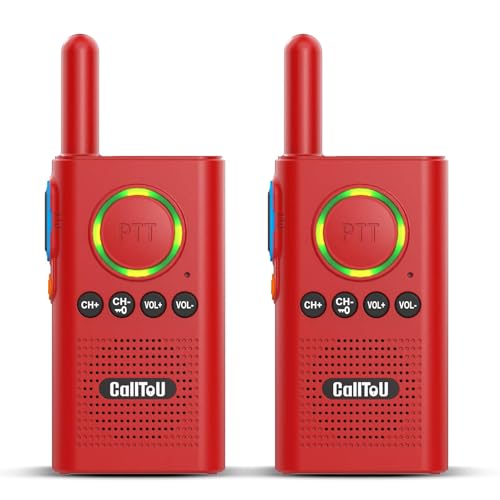
CallToU 2-Way Intercom, Red

CallToU Wireless Home Intercom

Medical Guardian MGMini Medical Alert Device, Black

Medical Guardian MGMini Medical Alert Device, Rose Gold
Why These Options Stand Out
Picture a loved one beginning to stand from a wheelchair while you are making lunch nearby. This set places a pressure-sensitive pad beneath the person and sounds an alert in the room once that pressure disappears, giving you a heads-up to move closer.
The monitor stays active, offers adjustable volume and two alert tones, and includes a flashing light. A tamper-resistant three-press reset gives you control without encouraging casual shutdowns, while automatic resetting handles a return to the chair. Compared with the wireless wearables later in the list, this is a stationary monitoring setup for a specific seating location.
A Strong Showing
- The 12-by-12-inch pad is thin and soft enough for regular chair use.
- A liquid-proof, latex-free cover makes routine cleaning straightforward.
- The metal connection pin avoids the fragility associated with exposed plastic connectors.
- Three AAA batteries are included, so you can begin setting up the monitor.
- An existing facility nurse-call connection is possible with the separately required NCI-1 cable.
Practical Considerations
- Position the pad beneath the person’s hips so normal shifting does not trigger an unnecessary alert.
- Facility integration requires the optional NCI-1 nurse-call cable.
- The alarm is local, so the monitor must sit within hearing range.
Technical Highlights
Built With In Mind
Professional caregivers and family caregivers need a dependable chair-position signal in a bedroom, care room, or communal living space.
Another Choice May Suit
The Lunderg Wireless Bed and Chair Alarm System with Pager suits you better when one caregiver must receive alerts away from the room.
Nighttime movement can be easy to miss when a closed door muffles the sound. This system links a 20-by-30-inch bed pad, a chair pad, and a portable pager, allowing you to carry the alert with you instead of staying within earshot of the monitor.
That makes it more flexible than the Secure Safety Solutions Chair Alarm, which focuses on a single chair and sounds in the room. Both sensor pads alert after the person leaves the bed or chair, and the pager can vibrate, run at low volume, or provide a louder setting. Correct placement remains the key to avoiding alerts caused by a shifting pad.
Notable Upsides
- Wireless communication reaches up to 300 feet, depending on the home environment.
- The pager clips to a pocket or mounts on a wall near your normal caregiving area.
- Adjustable volume includes a vibration-only mode for quieter periods.
- Both pads resist moisture and can be wiped clean.
- Anti-slip stickers help keep the sensors from shifting during use.
Details To Watch
- The large bed pad needs enough space beneath the hips and fitted sheet for stable placement.
- The alert begins after the person leaves the bed or chair, rather than before departure.
- Radio performance can change through walls and around household equipment.
Feature Snapshot
Who It Suits Best
You need to monitor both a bed and a chair, particularly during overnight care in a wheelchair or bedroom setting.
Reach For A Different Pick When
The SYNLETT Two Caregiver Pagers with Motion Sensor fits a shared home where two people need to receive calls.
Two people cannot monitor the same room effectively when only one pager receives every alert. This SYNLETT set includes two portable pagers, two call buttons, and one motion sensor, giving family members or professional caregivers more ways to stay informed.
The call buttons provide a direct way to request assistance, while the motion sensor adds a passive signal for movement. Unlike the Lunderg Wireless Bed and Chair Alarm System with Pager, this package does not rely on a pressure pad and a single handheld monitor. Pairing every transmitter with a pager is mandatory, which makes setup a little more involved.
Well-Handled Touches
- Two pagers let two caregivers carry their own alert receiver.
- The motion sensor can be mounted near a bedside or bathroom entrance.
- Call buttons work as pendants, wall-mounted buttons, or handheld alerts.
- You can select a chime or continuous siren across three volume levels.
Points To Keep In Mind
- Each motion sensor and call button must be paired with a pager before it can work.
- The stated 500-foot range applies to an open area, so walls may reduce effective distance.
- The motion sensor reports movement rather than identifying a specific type of movement.
Made For
You need a flexible call system for a shared home, small care unit, or space with two active caregivers.
Look Elsewhere When
The Secure Safety Solutions Chair Alarm is a better fit when a pressure pad beneath a wheelchair is your main concern.
Calling upstairs to ask whether someone needs help can leave unanswered questions hanging. A two-way intercom gives you direct voice access between areas of the home, which is more conversational than a chair sensor that only signals movement.
The red finish gives this unit a visible accent compared with the plainer home-focused CallToU Wireless Home Intercom. Hands-free voice operation and a stated 3300-foot maximum range suit a home with separate floors, yard space, or separated caregiving rooms. Actual performance depends on placement and the building’s construction.
What It Does Well
- Two-way communication lets you speak and listen without rushing to the person’s side.
- Hands-free operation supports conversations while both people remain occupied.
- The stated maximum range covers many homes and nearby outdoor spaces.
Trade Offs
- The device communicates on demand, so it cannot alert you to an unattended fall by itself.
- The 3300-foot figure is a maximum, and walls, floors, and obstacles can reduce practical coverage.
Quick Facts
The Right Fit
You want voice communication between a bedroom, living area, kitchen, or yard without relying on a wearable device.
Skip It When
The Lunderg Wireless Bed and Chair Alarm System with Pager suits you better when automatic movement detection is the priority.
Large homes often separate caregiving tasks more than expected. A bedroom, kitchen, laundry area, and front porch can feel disconnected when you are trying to check on someone from another floor. This wireless home intercom creates a direct voice link between those spaces.
It shares the core two-way communication approach of the red CallToU 2-Way Intercom, but its home-oriented presentation fits a plain caregiving setup. You can speak hands-free and listen for a response. This remains a communication tool rather than an automatic movement sensor, so use it alongside a bed or chair alert for broader coverage.
Features That Help
- Two-way audio supports quick conversation across separate living areas.
- Hands-free use leaves your hands available for daily tasks.
- The stated 3300-foot maximum range suits many large homes.
Less Ideal Details
- You must initiate a call to determine how the other person is doing.
- Heavy walls and multiple floors can limit real-world radio coverage.
Whose Shelf It Belongs On
You care for someone across a spacious home and prefer voice check-ins to bed and chair sensors.
A Better Fit Elsewhere
The Medical Guardian MGMini Medical Alert Device, Black suits a senior who wants help available while moving beyond the house.
A chair sensor cannot help once the person leaves the room, while a wearable can remain close at hand throughout the day. The black MGMini is designed for that mobile routine, with lanyard and belt-clip options for wearing or carrying it.
Pressing the emergency button starts a two-way conversation with a 24/7 monitoring center through the device speaker. Emergency location assistance adds another layer for situations outside the home. Unlike the CallToU Wireless Home Intercom, this option can accompany the person rather than remain installed in one room, although a subscription is required.
Where It Helps
- The compact device supports both necklace and belt-clip wear.
- Two-way voice lets you speak with the monitoring center after pressing the button.
- Location assistance supports coordination when the wearer is away from home.
- Continuous monitoring provides a different service model from local-only alarms.
Things To Consider
- A subscription is required for the monitoring service.
- The device needs charging and regular wearing to remain ready.
- A wearable alert may be less useful for someone who rarely leaves the chair.
Essential Details
Who Will Love This
You want a discreet wearable that remains available during walks, errands, and time spent away from home.
Consider Something Else When
The CallToU Wireless Home Intercom better fits a household focused on communication between fixed rooms.
Some seniors hesitate to wear a device that looks like clinical equipment. The rose-gold MGMini offers the same core functionality as the black version, but its warmer finish may blend more comfortably with everyday clothing or jewelry.
You can wear it with an included lanyard or attach it with the belt clip. The emergency button opens a two-way voice connection with a 24/7 monitoring center, while location assistance provides useful location information for an active daily routine. The subscription remains the main ownership commitment to consider.
Advantages To Know
- Rose gold gives the wearable a subtle, jewelry-like appearance.
- Two wearing options make it easier to match different outfits.
- The speaker supports direct conversation with the monitoring center.
- Location assistance is relevant for seniors who spend time outdoors.
Potential Compromises
- The color changes the appearance, not the monitoring features.
- A subscription is required for the monitoring service.
- Keeping the device charged and worn consistently remains important.
Key Product Details
Perfect Match For
You want monitored assistance and prefer a subtle finish that looks more like personal jewelry.
Swap It Out When
The Medical Guardian MGMini Medical Alert Device, Black better matches a personal style that favors a darker finish.
What Matters Before You Choose an Elderly Fall Alert
Start with the places where movement happens. A chair or bed alarm needs a correctly placed pressure pad, so measure the seating area and consider whether the pad can remain beneath the person’s hips. A wearable or intercom fits a different routine, particularly for someone who moves between rooms or spends time outside.
Next, decide how the alert should reach you. Local monitors suit you when you remain within hearing distance. Wireless pagers, dual caregiver receivers, and intercoms provide more flexibility, but walls, floors, and household equipment can affect radio performance. Confirm the stated range is appropriate for your home rather than relying on the maximum distance alone.
The final consideration is the ongoing service model. Local alarms need batteries, charging, and correct placement. A monitored wearable requires a subscription and offers a connection to a response center. Compare those ownership requirements with the convenience of carrying assistance away from the bed, chair, or house.
Shopping Traps and Upgrade Choices
Mistakes Worth Dodging
A long range does not guarantee reliable communication through every wall. Test placement in the rooms that matter and keep the receiver where you can hear or feel it. Also, avoid placing pressure pads where a shifting person can create repeated alerts, and read the pairing requirements before purchasing a multi-part system.
What Separates Premium From Basic
A monitored wearable adds a response center, location information, and two-way voice communication, but it also brings a subscription. A premium option makes sense when someone regularly moves beyond the house and you want assistance available without remaining near a fixed sensor. For chair-only monitoring, a simpler local alarm may meet the practical need at a lower ongoing commitment.
Frequently Asked Questions
Which elderly fall alert works best for a wheelchair user?
The Secure Safety Solutions Chair Alarm is a strong fit when the person remains seated in a particular wheelchair or chair. Its pressure pad should sit beneath the hips so departures trigger a local alert.
Can one alert system cover both a bed and a chair?
Yes, the Lunderg Wireless Bed and Chair Alarm System with Pager includes both sensor types and one portable receiver. Proper placement remains essential because the system signals after someone leaves the bed or chair.
Are wireless elder alerts difficult to install?
Most of the listed wireless systems involve pairing or positioning rather than hardwiring. The SYNLETT system requires each transmitter to be paired with a pager, while the Lunderg system needs its pads positioned securely.
Does the Medical Guardian MGMini require a subscription?
Yes, the MGMini includes a monitoring subscription requirement. Confirm the service terms and ongoing cost before choosing it, especially for a senior who will wear the device daily.
How can you reduce unnecessary alerts?
Place the sensor beneath the hips, secure it with the supplied anti-slip material, and use a fitted sheet where appropriate. For call buttons and intercoms, keep the device within reach and confirm placement before leaving the room.
Final Verdict
The best match depends on your home and daily routine. A pressure-pad system provides focused chair or bed monitoring, an intercom supports direct room-to-room conversation, and a monitored wearable offers assistance beyond the house. Match the device to the person’s movement patterns, your alert preferences, and the service commitment you can comfortably maintain.
