

A toothbrush that feels too powerful or complicated can quickly end up unused. For older adults, comfort, simple controls, clear timing cues, and a comfortable grip often matter more than a crowded feature list. These options cover different needs, from gentle sonic brushing to combined toothbrush and water-flosser setups, with guidance for older adults, caregivers, and anyone rebuilding a daily oral-care routine.
The Leading Options At A Glance

Philips Sonicare 7300, Black

Cemobene 40,000 VPM Sonic Toothbrush, 6 Modes, IPX7 Waterproof, 8 Heads, Black

Philips Sonicare 5950, Black

7AM2M 365-Day Sonic Toothbrush
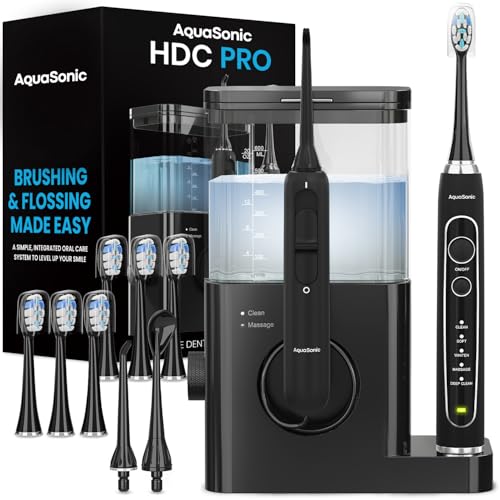
AquaSonic Home Dental Center Pro Toothbrush & Water Flosser, Black

Philips Sonicare 1100, White

AquaSonic Home Dental Center Toothbrush & Smart Water Flosser, White

Sonicare DiamondClean 9500, White
More On The Choices That Made The List
The Philips Sonicare 7300 offers a familiar toothbrush format with useful guidance for people who want structure without an overly complicated routine. Four modes, three intensity levels, and a visible pressure ring give you room to adjust the brushing experience, while the app adds coaching when technology feels helpful rather than intrusive.
It makes particular sense for older adults who already understand manual brushing but want better timing and feedback. The three A3 Premium brush heads are notable, although you still need to replace them regularly to maintain their intended performance.
What It Does Well
- The illuminated pressure ring provides a clear visual signal when you press too firmly.
- Sensitive and Gum Health modes make it easier to establish a gentler brushing routine.
- A two-minute timer and 20-second pacer divide the session into manageable sections.
- The app supplies guided instructions and brush-head replacement reminders.
- The included charging case supports the same routine while traveling.
Practical Considerations
- The app adds value only if you are comfortable connecting the brush to a phone.
- Its power adapter is not included, so check whether you already have a compatible one.
Quick Facts
Made For
This model suits older adults who want guided brushing, visible pressure feedback, and several mode choices in one rechargeable toothbrush.
Another Choice May Suit
Anyone seeking a simpler introduction to electric brushing may find the Philips Sonicare 1100 easier to settle into.
Cemobene packs noticeably more variety into the box than the Philips Sonicare 7300, including eight brush heads, six modes, a travel case, and a wireless charging base. That makes it a practical choice for a household where toothbrush heads are shared, replaced often, or carried during travel.
The U-shaped bristles and 40,000 vibrations per minute create a more substantial-feeling clean than a basic model. Older adults who dislike one-size routines can use Clean, Sensitive, Soft, Pulse, or Polish settings, though six choices may feel excessive to someone who prefers a straightforward control.
Real Benefits
- Six modes allow the cleaning pace and sensation to be adjusted for different preferences.
- Eight brush heads reduce the need to order replacements as quickly.
- Thirty-second zone prompts and a two-minute timer organize the routine.
- The wireless stand keeps charging simple and avoids a cord during daily use.
- The travel case protects the handle and attachments during trips.
Small Caveats
- Mode labels and multiple attachments can make the setup feel busy for a new user.
- The package includes several accessories, so storage space is worth considering.
Feature Snapshot
Right Fit
This toothbrush fits older adults who enjoy having several brushing options and want a generous supply of replacement heads.
Swap It Out When
People who prefer visual pressure guidance over multiple cleaning modes may be better served by the Philips Sonicare 7300.
The Philips Sonicare 5950 stands apart through its tactile pressure alert. When excess pressure is detected, the handle provides haptic feedback, meaning you feel a gentle pulse rather than relying on a light or app notification.
That distinction matters in a busy bathroom or for anyone who does not always notice visual cues. Two brush heads are included, and Sonicare Fluid Action moves fluid between teeth and along the gumline. Compared with the Cemobene model, the feature set is more focused, which may suit a user who wants fewer controls.
Noteworthy Benefits
- Haptic feedback offers a pressure cue without requiring you to watch the handle.
- Fluid Action is designed to guide movement between teeth and along the gumline.
- The simpler feature set may be less intimidating than a six-mode toothbrush.
Points To Note
- Pressure feedback tells you when to ease off, but it cannot determine the right brushing force for every person.
- Two included brush heads are fewer than the eight supplied with the Cemobene toothbrush.
Who It Suits Best
This model suits older adults who may miss a visual warning but can readily feel the handle pulse.
Where Another Pick Shines
A caregiver who prefers a visible warning can get that cue from the Philips Sonicare 7300 instead.
The 7AM2M is built around a simple premise: charge the toothbrush infrequently and keep it ready. Its stated 365-day battery life suits travel, weekends away, or a home where remembering the charger is inconvenient, while the LED screen adds a clear visual status display.
Sonic vibration is the central cleaning mechanism, so it offers a more conventional powered experience than the combined brushing-and-flossing systems farther down the list. For an older adult who values dependable availability over extensive mode choices, that simplicity may be appealing.
Everyday Perks
- The advertised 365-day battery makes charging a rare task.
- A Type-C connection uses a widely used charging format.
- The LED screen provides an at-a-glance view of the brush status.
- Sonic movement offers powered brushing without a large accessory kit.
Details To Watch
- Plan to keep the toothbrush upright and dry between uses despite its infrequent charging cycle.
- The screen adds a feature that may not interest users focused only on the basic cleaning action.
The Main Details
Built With In Mind
This brush fits older adults who travel often or want a toothbrush that can remain charged without frequent attention.
Look Elsewhere When
Those who want guided pressure alerts and several brushing modes may prefer the Philips Sonicare 7300.
The AquaSonic Home Dental Center Pro combines a power toothbrush and water flosser in one countertop setup. That arrangement can make a two-part routine more orderly because the charging stand and flossing equipment stay together rather than occupying separate spaces.
Older adults who already use a water flosser may appreciate having both tools at hand. The system requires more countertop space than a single toothbrush, though, and the compact unit is better suited to a dedicated bathroom area than a very small washbasin.
Useful Touches
- Combining the toothbrush and oral irrigator reduces the number of separate devices to store.
- Multiple pressure settings and modes give the water flosser some flexibility.
- The shared charging area helps keep the routine organized on the counter.
Where It May Fall Short
- The combined setup needs more room than a stand-alone electric toothbrush.
- A water flosser adds reservoir handling and a separate step to the daily routine.
Whose Shelf It Belongs On
This set suits older adults who want both powered brushing and water flossing in one organized station.
A Better Fit Elsewhere
A person focused only on brushing may prefer the less complicated Philips Sonicare 5950.
The Philips Sonicare 1100 uses a gradual ramp-up to make the transition from manual brushing less abrupt. EasyStart begins at a lower setting and increases the brushing power as you continue, which can be reassuring for someone who is new to powered brushes or dislikes strong vibration.
The C1 Simply Clean head has soft, flexible bristles, while Sonicare Fluid Action guides fluid between teeth and along the gumline. Compared with the feature-heavy 7AM2M, this model feels more focused on an easy daily habit, though the single included brush head means replacements need to be arranged sooner.
Where It Helps
- The gradual power increase helps new users adjust to powered brushing.
- Soft, flexible bristles provide a gentler starting point than many manual brushes.
- Fluid movement supports cleaning between teeth and along the gumline.
- The uncomplicated setup suits a minimal bathroom counter.
Practical Considerations
- Only one brush head is included, so keep a replacement in mind.
- The model offers fewer mode choices than the Philips Sonicare 7300 or Cemobene toothbrush.
Essential Details
Who Should Grab It
This model suits older adults making their first move from a manual toothbrush to a powered routine.
Reach For A Different Pick When
Those who want more replacement heads and selectable modes may get better value from the Cemobene toothbrush.
The white AquaSonic Home Dental Center expands the combined-system approach with ten attachments and tips, making it the most accessory-oriented option in this group. The toothbrush provides 31,000 vibrations per minute, three cleaning modes, inductive charging, and an automatic timer.
It works well for a shared family bathroom, where several attachments can serve different users. An older adult using the system alone may find the larger assortment unnecessary, but the water flosser and powered brush still offer a straightforward two-part routine at one station.
The Case For It
- Ten attachments support a shared family oral-care setup.
- Three toothbrush modes provide choices without excessive complexity.
- Inductive charging removes the need to align a charging plug.
- The automatic timer helps structure the brushing portion of the routine.
Trade Offs
- The range of attachments takes more space and may complicate identification for a single user.
- Compared with the black Home Dental Center Pro, this model emphasizes family accessories rather than a compact coordinated setup.
Shared-Space Pick
This system fits families or couples who want multiple attachments and a combined brushing and flossing station.
Consider Something Else
Someone seeking a smaller two-piece arrangement may prefer the AquaSonic Home Dental Center Pro.
The Sonicare DiamondClean 9500 pairs the same 62,000-movement-per-minute sonic platform used in the 7300 with the A3 Premium All-in-One brush head. Multi-angle bristles and triangular tips give it a more elaborate cleaning design, while three brush heads provide a useful replacement supply.
It suits an older adult who wants a refined daily routine without moving to a toothbrush-and-flosser station. The brushing experience remains more focused than the AquaSonic systems, although it asks you to accept a larger handle and premium positioning compared with the simpler Sonicare 1100.
Everyday Advantages
- Multi-angle bristles provide varied contact around teeth and the gumline.
- The A3 brush head is designed for plaque and stain-focused cleaning.
- Three included heads make replacements more convenient.
- The white finish gives the bathroom a clean, uncluttered appearance.
Less-Strong Areas
- The larger design may occupy more space than the compact Sonicare 1100.
- Its additional refinement is unnecessary for someone who wants only the basic act of powered brushing.
Technical Highlights
Made For
This model suits older adults who want a refined multi-angle brush head and a more detailed daily cleaning routine.
Not Your Match When
A shopper who prioritizes a small handle and gentle ramp-up may find the Philips Sonicare 1100 more comfortable.
What Matters Most In A Comfortable Brushing Routine
Grip And Control
A toothbrush that stays comfortable in your hand can make a routine easier to maintain. Consider the handle shape, button position, overall size, and whether the grip feels secure with damp hands. A caregiver should also check that the toothbrush can be handled without twisting or changing grip too often.
Feedback Without Friction
Pressure feedback can help you adjust your technique. The Philips Sonicare 7300 uses a visible light, while the Philips Sonicare 5950 provides a tactile pulse. Choose the cue you are most likely to notice, and avoid paying for app-based guidance that you do not intend to use.
Modes, Timers, And Charging
Cleaning modes provide room to adjust sensation, while two-minute timers and zone prompts establish a consistent pace. Charging format and battery duration matter too, particularly for travel. Type-C charging offers familiar cable compatibility, while a stand-alone charging base may be easier to manage than a combined station.
Space And Routine Complexity
A single toothbrush needs little counter space. A combined toothbrush and water flosser saves separate storage but adds a reservoir, more parts, and another step. Match the setup to the routine you will actually follow rather than the number of features included in the box.
Common Mistakes To Avoid Before Buying
Buying From Feature Count Alone
More modes and attachments do not automatically create a better routine. A long list can make controls harder to understand, especially for someone establishing a new habit. Choose the features you will use and check that the charging method and handle size suit your bathroom.
Ignoring The Replacement Cycle
The included brush heads provide a starting point, not an indefinite supply. Compare how many heads come with the toothbrush and plan for regular replacement, following the guidance of your dental professional.
When Paying More Pays Off
A higher-tier model may earn its place through finer pressure guidance, a more advanced brush head, or quieter operation. These features can help when someone already has a steady charging and storage routine. A basic model may make more sense when comfort, simplicity, and straightforward brushing are the priorities.
Frequently Asked Questions
Which electric toothbrush is easiest for an older adult to use?
The Philips Sonicare 1100 is a practical starting point because EasyStart gradually increases brushing power and the control layout remains uncomplicated. Personal dexterity and comfort should guide the final choice.
Is a pressure sensor important for elderly users?
A pressure sensor can provide a helpful cue to ease off when brushing feels forceful. The Philips Sonicare 7300 uses a light, while the Philips Sonicare 5950 provides a tactile pulse.
Do electric toothbrushes need special charging stands?
They use different charging arrangements. Some stand directly on a base, some accept a cable, and combined systems include a larger station, so check the counter space and nearby outlet before choosing.
Is a toothbrush and water flosser better for daily routines?
A combined setup can keep powered brushing and flossing in one place. It also adds more parts and requires a separate water reservoir, so a single toothbrush may be easier for someone with limited counter space.
How often should electric toothbrush heads be replaced?
Replace the head according to the manufacturer’s guidance and the advice of your dental professional. Worn bristles can alter the feel of the brush, so keep replacement heads available rather than waiting for obvious deterioration.
Final Verdict
The Philips Sonicare 7300 offers the most balanced set of guidance features, while the 1100 suits older adults beginning with electric brushing. For long intervals between charges, the 7AM2M stands apart. The AquaSonic systems make more sense when combining brushing and flossing, and the DiamondClean 9500 provides a more advanced brush-head setup. Choose the routine you will find easiest to maintain.
