

A cluttered trauma kit can slow you down when a bandage needs cutting, a shoe must be removed, or webbing is wrapped around a patient. EMT shears need to be compact, controllable, and capable of handling clothing and dressings without making your job harder. These options range from dedicated medical shears to compact multi-tools, giving nurses, EMTs, first responders, and careful kit organizers practical choices for different work environments.
The Leading Options At A Glance

Pyrsiva 7.5-Inch Titanium-Coated Stainless Steel Trauma Shears
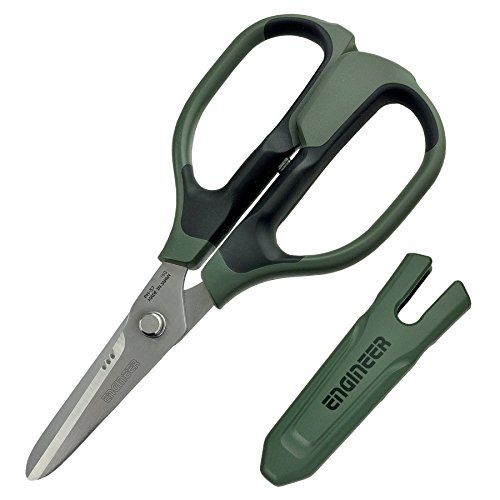
ENGINEER PH-57 Heavy Duty Combination Scissors

MEUUT 8-Inch Medical Scissors 2-Pack

MEUUT 7.5-Inch Trauma Shears 2-Pack
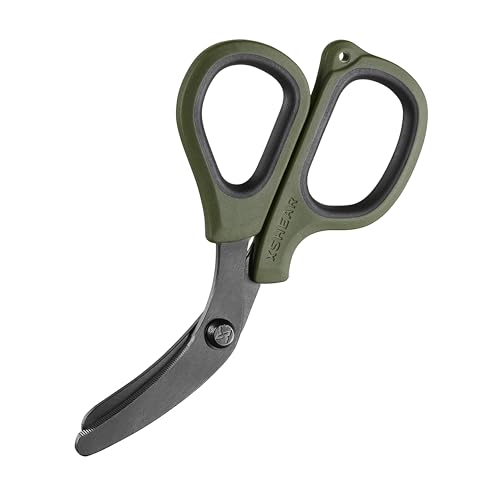
XShear Mini 6-Inch Trauma Shears, Olive Drab

Wiha Insulated Proturn Shears

Leatherman Raptor Rescue Trauma Shears
The Strengths Of Each Pick
A nurse reaching into a scrub pocket needs a tool that comes out ready for clothing, gauze, or adhesive dressings. The Pyrsiva shears combine a 7.5-inch profile with rubberized grips, giving you a controlled hold during close work.
Compared with the larger MEUUT 8-Inch Medical Scissors 2-Pack, this pair takes up less space. In a busy treatment area, that smaller footprint may matter more than the extra cutting reach offered by a longer model.
Why It Works Well
- Micro-serrated blades are suited to gauze, clothing, leather, and adhesive bandages.
- Rubberized handles improve grip and reduce pressure during repeated cuts.
- The 7.5-inch body fits easily into scrub pockets and compact first-aid kits.
- Titanium-coated stainless steel provides a practical balance of edge retention and surface protection.
Small Caveats
- The 7.5-inch size offers less leverage than the 8.3-inch ENGINEER PH-57 on stubborn material.
- Dedicated medical shears may handle rope and cable less broadly than utility scissors.
Key Details
Made For
These shears suit nurses, EMTs, and first responders who want a dedicated bandage-cutting tool that fits comfortably in a scrub pocket or small medical kit.
A Better Fit Elsewhere
Choose the ENGINEER PH-57 Heavy Duty Combination Scissors instead when cable, rope, leather, or electrical insulation makes your cutting demands more technical.
The ENGINEER PH-57 sits at the technical end of this list, combining serrated and U-shaped blade sections for different materials. That makes it useful when your kit must handle more than dressings, such as rope, thick leather, carpet, cable, or insulated cord.
Unlike the dedicated medical shears elsewhere in the roundup, this model is built for broader workshop demands. For routine patient care, the Pyrsiva 7.5-Inch Titanium-Coated Stainless Steel Trauma Shears remain the more focused choice.
A Few Highlights
- Combination blades accommodate both toothed and U-shaped cutting profiles.
- A 210-millimeter body provides useful reach for cable and rope tasks.
- TPR grips and an integrated finger guard support controlled handling.
- The included storage cap protects the blade during storage or transport.
Possible Compromises
- The broad utility design makes these less specialized for wound-care duties.
- A storage cap adds another piece to keep track of inside a shared tool bag.
- The larger grip and length may occupy more pocket space than the XShear Mini.
Quick Facts
Right Fit For
These combination scissors suit electricians, technicians, campers, and makers who regularly cut cable, rope, leather, or insulating materials.
Consider Something Else When
Choose the MEUUT 7.5-Inch Trauma Shears 2-Pack instead when quick access to medical shears and a carabiner matters more than advanced cable cutting.
Two pairs solve a practical problem: one pair can stay in a medical kit while the other moves to a household, vehicle, or outdoor bag. The MEUUT set includes red and black versions in an 8-inch format, which gives you both a personal tool and a shared backup.
The 440 stainless steel blades and milled serrations are intended for clothing, gauze, tape, ribbon, rope, and seat belts. You gain a broader range of uses than with a narrowly medical pair, although the longer body is less pocket-oriented than the XShear Mini.
A Few Strong Suits
- Two pairs provide a convenient backup for separate kits or users.
- Milled serrations help the blades grip tape, gauze, and woven fabric.
- Soft TPE grips support comfort and controlled handling.
- Left- and right-handed users can work with the same ambidextrous design.
- The fluoride coating helps reduce tape residue on the blade surface.
Points To Keep In Mind
- The 8-inch length is more substantial than a compact pocket shear.
- A two-pack offers less variety than a carabiner-equipped medical set.
- The broad cutting capability may be unnecessary for a carefully limited medical kit.
Feature Snapshot
Who Will Love This
This set suits households, students, and medical teams that want one dedicated pair for personal use and another for a vehicle, bag, or shared first-aid kit.
Another Choice May Suit
The XShear Mini 6-Inch Trauma Shears suit you better when every gram of pocket space matters more than having two full-size pairs.
Fast access matters during a call, and the MEUUT 7.5-Inch Trauma Shears 2-Pack keeps the tool attached to a duty belt or bag with its carabiner. That removes the small but distracting task of searching through loose pockets for scissors.
The fine-tooth serrations support cuts through webbing and thick fabric, while the blunt tip gives you a deliberate alternative near skin. Compared with the plain Pyrsiva design, this set adds attachment hardware and several field-oriented functions without moving into a much larger format.
The Practical Payoff
- The carabiner keeps the shears reachable from a belt, pack, or kit loop.
- A 2.2-inch fine-tooth blade section handles webbing and thick fabric.
- Blunt tips support more deliberate cutting close to skin.
- An oxygen-cylinder wrench adds another useful function to the tool.
- The two-pack provides a spare without requiring a separate purchase.
Where It May Fall Short
- The attached carabiner can add bulk to a very compact pocket setup.
- Several built-in tools make this option more complex than a dedicated medical shear.
- You may prefer the plain XShear Mini profile for a minimal everyday carry kit.
Technical Highlights
Built With In Mind
These shears suit EMTs, nurses, and first responders who organize equipment around belt clips, quick-access loops, and shared response kits.
Where A Sibling Pick Shines
The Pyrsiva 7.5-Inch Titanium-Coated Stainless Steel Trauma Shears are a cleaner fit for a minimal scrub-pocket setup without a carabiner or added tool functions.
A six-inch profile changes how you carry a trauma shear. The XShear Mini fits into tighter pockets and smaller pouches, making it appealing for EMTs, nurses, and anyone who wants medical scissors without carrying a full-size tool.
Its 420J2 stainless steel blades receive a titanium coating, and the curved blade ends in a blunt tip. That construction feels more purpose-driven than the broad utility approach of the ENGINEER PH-57, though the shorter body gives you less reach through dense fabric.
A Favorable Mix
- The 6-inch body favors small pockets and compact emergency kits.
- Titanium-coated 420J2 steel provides a durable, sharp cutting profile.
- The curved, blunt-tipped blade supports controlled work near skin.
- A lanyard attachment point provides another carry option.
Details To Watch
- The shorter length offers less leverage for thick webbing than the 7.5-inch Pyrsiva shears.
- Olive drab gives you a restrained color that suits many professional kits.
The Main Details
Best Suited To
The XShear Mini suits professionals and travelers who carry their medical tools in compact pockets, small trauma kits, or everyday-carry pouches.
Reach For A Different Pick When
Choose the MEUUT 7.5-Inch Trauma Shears 2-Pack when a larger cutting area, two pairs, and an attached carabiner better suit your field kit.
The Wiha Insulated Proturn Shears belong in an electrical tool pouch rather than a trauma-care pocket. Insulation, meaning a protective barrier built into the tool for electrical work, is the central feature and the reason to choose this model for technical tasks.
You may find these shears useful for everyday electrical work where an insulated cutting tool fits the task. For removing clothing or dressings during patient care, the Pyrsiva 7.5-Inch Titanium-Coated Stainless Steel Trauma Shears are the more relevant choice.
Practical Pluses
- Insulated construction supports use in an electrician’s tool kit.
- The focused design suits technical work rather than general household cutting.
Where It Is Less Suited
- The electrical focus does not align with specialized wound-care tasks.
- Your equipment needs should determine whether insulated shears belong in the kit.
Whose Shelf It Belongs On
These shears suit electricians and technical professionals who want a dedicated insulated cutting tool for electrical service work.
Skip It When
Choose the MEUUT 8-Inch Medical Scissors 2-Pack instead when your priority is cutting clothing, dressings, tape, and other materials around patient care.
A rescue tool earns its place by reducing the number of separate items in a compact kit. The Leatherman Raptor Rescue Trauma Shears combine a six-in-one format with trauma-shear functions, giving you a broader option than a pair of dedicated bandage scissors.
That versatility appeals to people who carry a mixed everyday-carry or emergency pouch. Compared with the MEUUT 7.5-Inch Trauma Shears 2-Pack, however, the multi-tool format focuses on consolidated utility rather than a simple two-pair medical setup.
Everyday Advantages
- Six functions provide a broader toolset than dedicated shears.
- The rescue-oriented design fits mixed emergency and everyday-carry kits.
- A multi-tool format can reduce the need to carry several separate implements.
Less-Strong Areas
- A multi-tool design offers less simplicity than a dedicated medical shear.
- Your carry method determines whether the combined format remains convenient.
Made For
This option suits first responders, outdoor users, and everyday-carry enthusiasts who prefer consolidating several emergency functions into one tool.
Another Choice May Suit
Choose the XShear Mini 6-Inch Trauma Shears, Olive Drab when your kit needs nothing more than a small pair focused on wound care and dressing removal.
What To Prioritize In Emt Shears
A useful trauma shear must balance blade design, grip, size, and the type of materials crossing your duty path. The first decision is purpose: dedicated medical shears suit patient-care workflows, while combination scissors serve cable, rope, leather, and technical cutting.
Blade and Tip Design
Micro-serrations, meaning small teeth along the blade, help prevent slippery materials from moving as you cut. They suit gauze, tape, webbing, and layered fabric. A blunt tip provides a deliberate lower-profile end near skin, while a curved blade can follow fabric contours.
Grip and Carry Method
Rubberized or soft-touch handles help you maintain control with wet or gloved hands. Compact medical shears fit scrub pockets, while carabiner-equipped models remain attached to a duty belt or kit. Multi-tool formats suit carry systems that favor consolidated equipment.
Material and Task Range
Dressings and clothing demand serrated medical blades. Cable, insulated cord, leather, and thick rope require greater leverage and combination cutting profiles. The ENGINEER PH-57 offers that broader capability, while the Pyrsiva and XShear models stay more focused on medical and rescue tasks.
Team and Backup Needs
A two-pair set lets you separate medical, household, vehicle, and travel kits. It also gives colleagues access to a separate tool. Individual models may suit a personal kit better, particularly when low weight and minimal bulk are the priority.
Common Mistakes To Avoid In Trauma Shear Choices
Pitfalls Shoppers Hit
Choosing by appearance can overshadow blade design and grip. Check the stated cutting materials, blade profile, tip shape, and carry method before deciding. A compact model may lack the reach needed for thick webbing, while a broad multi-material tool may be excessive for routine dressings.
What Separates Premium From Basic
Higher-tier shears often add stronger blade materials, corrosion-resistant coatings, ergonomic grips, or integrated field functions. Those additions matter when the tool faces frequent use, shared handling, or demanding materials. For occasional personal use, a straightforward medical shear may cover the job without extra complexity.
Frequently Asked Questions
Are EMT shears different from household scissors?
Yes. EMT shears are shaped for controlled cutting around patients, often using serrated blades and blunt tips to handle dressings, tape, and clothing more deliberately.
What size is easiest to carry?
Compact models fit small pockets and pouches more readily, while longer shears can provide additional reach and leverage. Your kit space and typical cutting material should guide the choice.
Are two-pack trauma shears useful?
A two-pack helps when you need separate tools for a medical kit, vehicle, travel bag, or another user. A single pair is usually enough for one dedicated kit.
Can EMT shears cut thick clothing?
Many feature serrated blades designed for gauze, tape, webbing, and layered fabric. Very thick material may require a longer or heavier-duty combination shear.
Which option is best for an electrical tool pouch?
The Wiha Insulated Proturn Shears are the relevant choice for electrical work because of their insulated construction. Medical scissors remain better suited to patient-care tasks.
Final Thoughts
The Pyrsiva 7.5-inch shears offer the most focused balance of compact sizing, grip, and material control for routine medical use. The MEUUT sets add two-pair convenience and field attachment options, while the XShear Mini favors smaller carry spaces. The ENGINEER PH-57 and Wiha Proturn serve more technical work, and the Leatherman Raptor Rescue suits consolidated emergency kits. Match the tool to your actual duties, then choose the one your storage system can carry without friction.
