

Digesting a meal shouldn’t send you into a cycle of bloating, gas, and discomfort afterward, yet finding a formula that suits your symptoms and meals can be frustrating. These enzyme supplements target different digestive tasks, from breaking down dairy and proteins to supporting stomach acidity. You’ll find options for everyday meals, late dinners, and specific routines in this guide.
The Picks In Brief

Country Life Papaya Enzyme

Enzymedica Digest Basic
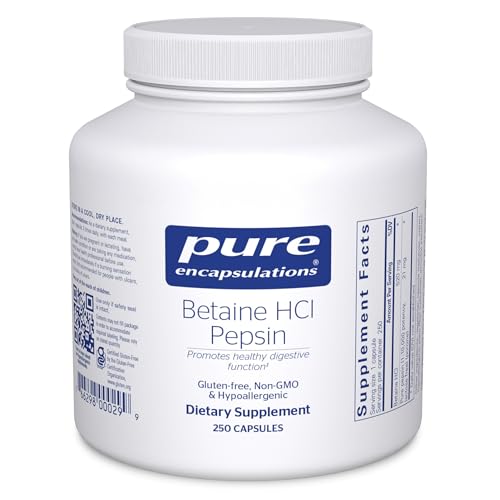
Pure Encapsulations Betaine HCl

FR!SKA Women’s Daily Digestive Enzyme and Probiotic Supplement, 30 Capsules

FR!SKA Nightly Reboot Digestive Enzymes, Probiotic and Sleep Support, 30 Capsules

FR!SKA Men’s Daily Digestive Enzymes, Probiotic and Heavy Meal Support, 30 Capsules
A Breakdown Of The Leading Choices
Country Life Papaya Enzyme brings a simple approach to the category: a chewable wafer made with whole papaya fruit. Papain, a protease that breaks down proteins, and amylase, which works on starch, form the feature-based rationale for this formula. For people who dislike swallowing capsules, the wafer format makes it considerably easier to add to a daily routine.
That simplicity is also its main limitation. Unlike Enzymedica Digest Basic, this option does not provide a blend designed around fats, dairy, and several carbohydrate sources, so it may feel narrower for varied meals. You may find it most useful when your discomfort follows meals with a substantial protein or starch component and your priority is a straightforward chewable product.
Points In Its Favor
- Whole-fruit papaya provides a more recognizable source than a long, multi-ingredient enzyme list.
- The chewable wafer format avoids the capsule ritual, which can matter during travel or hurried mornings.
- Papain and amylase offer targeted support for breaking down proteins and starches.
- A 500-count package suits people who want a long-lasting supply without frequent repurchasing.
Worth Noting
- The narrower formula may not cover fat and dairy digestion as directly as a broad multi-enzyme blend.
- Warm weather can affect how the wafers arrive, so storing them in a cool, dry place is sensible.
Quick Facts
Who Should Grab It
This formula suits you best if chewable supplements, shorter ingredient lists, and a large supply are your main priorities.
A Better Fit Elsewhere
Enzymedica Digest Basic offers broader enzyme coverage for people who regularly eat mixed meals containing fat, protein, carbohydrates, and dairy.
Digest Basic is built around the kind of mixed meal that causes the most uncertainty: protein, fat, carbohydrates, and dairy can all arrive in the same dish. Lipase, protease, and amylase handle those macronutrients, while lactase addresses lactose and cellulase adds coverage for fibrous plant material. The 180 capsules also make this a practical format for recurring use.
The stated capacity is up to 4 grams of fat, 4 grams of protein, and 32 grams of carbohydrates per capsule, which frames it as a lighter-meal formula. That makes it a sensible starting point for occasional gas and fullness, especially compared with Country Life Papaya Enzyme’s narrower papaya-based approach.
Positive Takeaways
- Five digestive enzymes cover several common food components in each capsule.
- Lactase makes the formula more relevant to people who notice discomfort after dairy.
- The stated per-capsule amounts help you judge whether it matches the size of your meals.
- A vegan and gluten-free formulation fits several dietary preferences.
- One capsule per serving keeps the daily routine uncomplicated.
Practical Considerations
- The formula is positioned for lighter meals, so a very large serving may exceed its stated capacity.
- Cellulase and lactase add complexity that a minimal formula would avoid.
Feature Snapshot
Made For
This option fits people dealing with mixed meals who want broad enzyme coverage without a multi-capsule routine.
Consider Something Else When
Pure Encapsulations Betaine HCl may align better when your priority is stomach acidity and protein digestion rather than broad food coverage.
Betaine HCl and pepsin take a different route through digestion by focusing on the stomach’s acidic environment. Betaine HCl supplies hydrochloric acid, while pepsin is a stomach enzyme involved in protein digestion. That makes this a more specific choice than the multi-food blends in this list.
The formula is presented as supporting the absorption of protein, calcium, vitamin B12, and iron. You may find Pure Encapsulations Betaine HCl more relevant to a routine centered around protein-heavy meals or low stomach acidity, although the narrower approach requires a closer match to your symptoms.
Key Advantages
- Targets the stomach’s acidic environment rather than relying only on food-specific enzymes.
- Pepsin supports the breakdown of dietary protein in the stomach.
- The ingredient list avoids common allergens, artificial or unnecessary ingredients, and GMOs.
- Betaine HCl is associated with stomach-acid balance and protein digestion.
Trade Offs
- It lacks the broad fat, dairy, and carbohydrate coverage offered by Enzymedica Digest Basic.
- Those seeking a simple chewable format may prefer the papaya wafer option.
Built With In Mind
This formula suits you best when low stomach acidity and protein digestion are the main concerns you want to address.
Another Choice May Suit
FR!SKA Men’s Daily Digestive Enzymes is a better fit for people whose discomfort follows larger, varied meals rather than one narrow digestive task.
FR!SKA Women’s Daily pairs food-digesting enzymes with Bacillus subtilis DE111, a studied probiotic strain associated with digestive balance. Its enzyme blend covers proteins, carbohydrates, fats, and dairy, while vitamin D, cranberry extract, and biotin round out a women-focused daily formula. Taken with meals, it fits neatly into a morning or evening routine.
Compared with FR!SKA Men’s Daily, this option adds nutrients beyond the digestive and probiotic components. The trade-off is a smaller 30-capsule supply, so consistent use matters more than with the 180- or 500-count products. In practice, that may be manageable for anyone already taking a daily wellness capsule.
Well-Handled Touches
- Combines four food-digesting enzyme categories with DE111 probiotic support.
- Dairy coverage makes it useful for people who regularly include cheese, milk, or yogurt.
- Vitamin D, cranberry, and biotin suit a broader women’s wellness routine.
- Meal-based use makes the intended timing easy to follow.
Small Caveats
- Thirty capsules provide less supply than the larger enzyme formulas in this list.
- The added nutrients make this less focused as a single-purpose digestive formula.
Core Details
Right Fit For
This choice suits women who want digestion, probiotic, and selected wellness nutrients together in one daily capsule.
Look Elsewhere When
FR!SKA Nightly Reboot fits people whose priority is digestion after evening meals combined with a bedtime relaxation routine.
Late dinners create a particular problem: digestion discomfort can interrupt the transition into sleep. FR!SKA Nightly Reboot addresses both parts of that routine with enzymes for proteins, fats, carbohydrates, and dairy, plus DE111 probiotic support. Melatonin and chamomile add the relaxation and sleep-cycle components.
This is less versatile than FR!SKA Women’s Daily because the sleep-oriented ingredients belong at night. You may find it most useful for people who consistently feel uncomfortable after dinner and want a single bedtime capsule. Its honest limitation is that it serves a narrower window than the daytime formulas.
What Works In Its Favor
- Combines meal-digestion support with ingredients aimed at evening relaxation.
- The enzyme blend covers protein, fat, carbohydrate, and dairy components.
- DE111 adds probiotic support alongside the digestive enzymes.
- Melatonin and chamomile suit a bedtime routine rather than daytime use.
- One capsule keeps the evening routine compact.
Less Ideal Details
- The melatonin and chamomile make daytime use less suitable for most people.
- A 30-count bottle requires more frequent replenishment than the larger formulas.
Whose Shelf It Belongs On
This formula fits you best when evening meal discomfort regularly interferes with your transition to sleep.
Where Another Pick Shines
Enzymedica Digest Basic is a better fit for people who need digestive support across multiple meals throughout the day.
FR!SKA Men’s Daily is built around larger, more varied meals, including protein-heavy plates, dairy, and restaurant portions. Its blend covers proteins, fats, carbohydrates, and dairy, while DE111 provides probiotic support for digestive balance. For people eating high-protein meals during a busy week, that focus is more direct than a papaya-only formula.
The 30-capsule supply and daily use make consistency the deciding factor. You may find it works well as a simple companion to a structured diet, while the 180- and 500-count options make more sense when uninterrupted supply matters. The formula is tailored for men, so FR!SKA Women’s Daily offers a clearer match for a women’s wellness routine.
What Makes Sense
- The broad food coverage suits varied and substantial meals.
- DE111 complements the enzymes with digestive-balance support.
- Dairy and protein coverage fits common high-protein eating patterns.
Potential Compromises
- Thirty capsules offer a shorter supply than Enzymedica Digest Basic.
- The male-focused formula may not align with a women’s multi-nutrient routine.
- It provides less stomach-specific focus than Pure Encapsulations Betaine HCl.
Feature Breakdown
Best Suited To
This formula suits men with busy routines who regularly eat large, protein-rich, or dairy-containing meals.
Swap It Out When
Country Life Papaya Enzyme is a better fit for people who prefer a chewable, narrow papaya-based formula without a probiotic.
What Matters Before You Select An Enzyme Formula
Match The Enzyme To The Food
Enzymes are proteins that help break down particular food components. Lipase acts on fats, protease on proteins, amylase on starches, lactase on dairy lactose, and cellulase on fibrous plant material. Matching the enzyme to the meal gives you a more useful decision than selecting by capsule count alone.
Account For Your Symptom Pattern
Gas after dairy calls for a different consideration than fullness after a protein-heavy dinner. Note which foods, meal sizes, and times of day coincide with your discomfort, since a multi-enzyme blend may suit varied meals while a stomach-focused formula addresses a narrower concern.
Consider Probiotics And Added Nutrients
The FR!SKA formulas pair digestive enzymes with DE111, while Women’s Daily also includes vitamin D, cranberry, and biotin. These additions suit a broader wellness routine, but they make the formula more complex than a focused enzyme product. Select them when those extra elements matter to you.
Keep Medical Guidance Separate From Product Testing
Digestive symptoms can overlap with several conditions, so a healthcare professional can help you understand your pattern before changing your routine. For IBS, the right supplement depends on your symptoms, food triggers, and any guidance from your clinician.
Where People Miss The Important Details
Wrong Turns To Avoid
A broad enzyme count does not guarantee a better fit, and a probiotic does not replace food-digesting enzymes. Check serving instructions, capsule count, and the foods each formula targets before buying.
What Separates Premium From Basic
Higher-priced formulas may add more enzyme varieties, probiotics, nutrients, or capsules. The extra cost matters only when those additions match your meals or routine.
Frequently Asked Questions for Enzymes For Ibs
Can Enzymes Help With IBS Symptoms?
They may support the breakdown of food components involved in digestive discomfort, although results vary by person. A formula matching your usual meals and symptoms offers a more logical starting point than a generic combination.
Which Enzyme Is Most Useful For Bloating?
No single enzyme addresses every cause of bloating because the discomfort may relate to different food components. Lactase targets dairy lactose, while amylase, lipase, protease, and cellulase cover other common dietary elements.
Can You Take Digestive Enzymes With Probiotics?
Yes, and three formulas in this list combine both approaches. FR!SKA Women’s Daily, FR!SKA Nightly Reboot, and FR!SKA Men’s Daily pair digestive enzymes with DE111.
How Many Capsules Do You Need Per Day?
The appropriate amount depends on the formula, meal size, and the serving directions on its label. Enzymedica Digest Basic uses one capsule per serving, while the FR!SKA formulas are designed for daily use with meals.
Are Enzyme Supplements Suitable For IBS?
They are digestive support products rather than diagnosed IBS therapies, and your response may depend on the formula and your symptoms. A clinician can help you connect your digestive pattern with an appropriate overall plan.
Final Verdict
The most useful choice depends on your meals, symptom pattern, and preferred format. Broad coverage suits varied eating, stomach-focused formulas narrow the task, and chewable or bedtime options address routine preferences. Compare the labels carefully, then select the formula that fits how you actually eat and how your discomfort appears.
