

Chemotherapy can leave you dealing with nausea, queasiness, and an unpredictable stomach, especially during long treatment days. A small aromatherapy kit may help you create a familiar, calming sensory routine while you are at home, traveling to appointments, or recovering afterward. These picks range from targeted inhalers to pre-diluted roll-ons and ginger lozenges, so the right choice depends on whether you want a portable scent, a topical application, or an oral option. Discuss any new aromatherapy routine with your oncology care team, especially when nausea is severe or your appetite is low.
A Snapshot Of The Selections

Plant Therapy Energy Essential Oil Blend 10 mL

Hion Nausea Relief Inhaler Stick
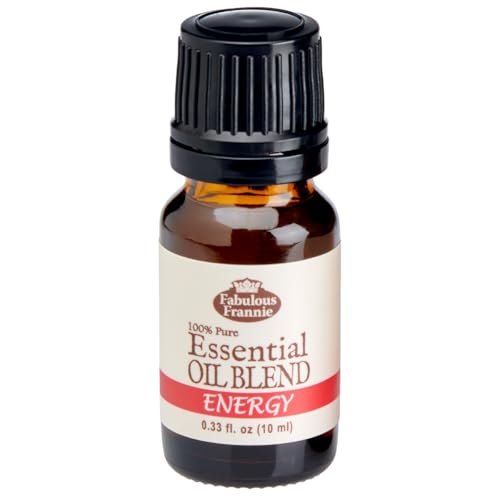
Fabulous Frannie Bergamot and Rosemary Energy Blend 10ml
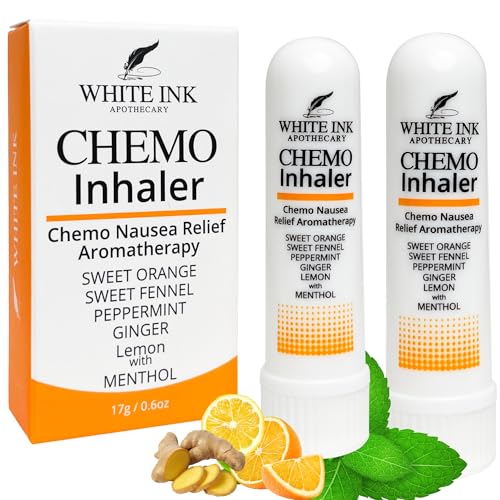
White Ink Apothecary Chemo Nausea Essential Oil Inhaler

The Ginger People Ginger Rescue Hard Digestive Lozenges 60ct

The Ginger People Ginger Rescue Soft Lozenges Extra Strength 30ct
The Strengths Of Each Pick
For a treatment-day routine that travels well, this pre-diluted roll-on is easier to use than a bottle of individual oils. The blend combines orange blood, peppermint, lemon, ginger root, eucalyptus globulus, and geranium in fractionated coconut carrier oil, which means it is already diluted for application to the wrists. You can keep it nearby during a commute or appointment without assembling several products.
Its intended character is energizing rather than nausea-focused, so it may work better as a daytime personal scent than as a dedicated response to queasiness. The uplifting citrus and herbal profile could feel useful during long waits or periods of low energy, depending on your personal scent preferences. The honest read is that convenience is its strongest feature, not its suitability for every chemotherapy-related symptom.
Practical Advantages
- Ready-to-use roll-on container reduces preparation during busy treatment days.
- Wrist application makes the scent easy to smell without opening a separate diffuser.
- A compact 10 mL size fits easily into a purse, treatment bag, or overnight case.
- The citrus, mint, ginger, and eucalyptus profile offers a bright alternative to heavier scents.
Things To Consider
- This is an energizing blend rather than a product specifically marketed for chemo nausea, so the match depends on your response to the scent.
- Keep the roll-on away from children and follow the label directions for use, especially around irritated skin.
Feature Snapshot
Made For
You benefit most from this pick if you want a simple, portable scent routine for daytime treatment appointments or travel.
Where Another Pick Suits Better
White Ink Apothecary Chemo Nausea Essential Oil Inhaler better suits you when a chemo-specific scent blend matters more than a ready-to-apply roll-on.
The appeal here is portability. This mint inhaler stick is designed for moments when queasiness catches you away from home, such as in a car, on a flight, or during a commute. Its direct-to-nostrils format gives you a familiar sensory cue without needing a diffuser, bottle, or separate application step.
Unlike the Plant Therapy roll-on, it can also be rubbed on the wrists, neck, or temples, giving you two ways to use the same stick. That flexibility makes it practical for people who want a small item in a handbag, jacket pocket, or travel pouch. The product is intended for nausea and motion-related discomfort, but scent responses vary, so a cool aroma may not suit everyone.
Everyday Wins
- Stick format is easy to carry in a pocket or bag.
- Dual application gives you both inhalation and topical options.
- Mint provides a clear, cooling scent profile.
- The reusable format suits repeated use throughout the day.
Small Caveats
- The roll-on style application means it should be kept away from eyes and irritated skin.
- Check the product directions before using it on the neck or temples, particularly for sensitive skin.
Key Specs
Best Suited To
This inhaler fits people who travel frequently, commute regularly, or want a compact aroma option for treatment-related appointments.
Consider Something Else When
The Ginger People Ginger Rescue Soft Lozenges Extra Strength 30ct better suit you when you prefer a soft oral format over a scent-based routine.
A diffuser-friendly bottle and dropper make this blend appealing when you want to build a personal scent ritual at home. Bergamot brings a bright citrus note, while rosemary adds a green, herbaceous character. The amber glass bottle also gives it a more traditional apothecary appearance, which may suit a bedroom, bathroom, or quiet recovery corner.
This is not a chemo-nausea-specific product, and that distinction matters. You may prefer it for the atmosphere it creates than for any direct response to queasiness. The source lists aromatherapy, diffusion, massage oils, oil burners, blends, spa care, and cleaning-product use, giving you more ways to incorporate it into a routine than the inhaler formats provide. For nausea-focused use, a product with a clearly defined scent purpose is the more direct choice.
Benefits That Matter
- Bergamot and rosemary create a simple two-oil blend for personal scent preferences.
- Euro dropper cap supports controlled dispensing into a diffuser or personal blend.
- Amber glass bottle is suited to a home aromatherapy setup.
- The listed uses support diffusion, custom blends, and body-oil projects.
Possible Compromises
- This blend is not formulated specifically for chemo nausea or queasiness.
- For massage or body-oil use, confirm the appropriate dilution and application instructions for the oils involved.
Right Fit For
This pick suits you most when you enjoy mixing your own home fragrance and want bergamot and rosemary as the base.
Reach For A Different Pick When
Hion Nausea Relief Inhaler Stick better suits you when portability and a ready-to-use mint aroma matter more than diffuser blending.
This is the most directly aligned option for a chemo-related nausea routine. The inhaler combines peppermint, ginger, lemon, sweet orange, and sweet fennel, creating a brighter, spice-and-citrus aroma than a single-note mint product. Its compact format works well beside a chair, in a handbag, or near a bedside table when you want a familiar scent within reach.
The product description positions it for queasiness, headaches, and medication-related discomfort, including discomfort associated with chemotherapy. You should treat that as a manufacturer positioning rather than a medical outcome, since a scent cannot replace guidance from your oncology team. Still, for someone specifically comparing products labeled for chemo nausea, the targeted blend makes this easier to justify than a general energy oil.
Everyday Perks
- Its blend is directly marketed toward chemo-related nausea and queasiness.
- The five-oil profile gives you both bright citrus and warm spice notes.
- Portable inhaler format suits treatment appointments and recovery at home.
- The product uses naturally sourced oils without medicinal additives, according to its description.
Points To Keep In Mind
- Strong citrus, peppermint, and fennel scents may be unpleasant during a particularly sensitive episode.
- Ask your oncology care team before adding new aromatic products to your routine, particularly during sensitive periods.
Feature Snapshot
Who Will Love This
This inhaler suits you best when a chemo-specific aromatherapy label and a compact format are your two leading priorities.
A Better Fit Elsewhere
Plant Therapy Energy Essential Oil Blend 10 mL better suits you when you prefer a bright, energizing roll-on rather than a targeted nausea-labeled inhaler.
For people who prefer a lozenge over an aromatic product, this hard ginger option belongs on the shortlist. The formula combines fresh ginger with red ginger extract and is marketed for nausea, queasiness, motion-related discomfort, and occasional heartburn. The solid format is familiar and easy to place in a pocket, bedside drawer, or treatment-day bag.
That familiarity is useful, but texture becomes a practical issue. A hard lozenge takes more time to dissolve, and some people find that less comfortable during a severe nauseous episode. The product is also a digestive supplement rather than an essential oil, so it occupies a different part of the routine. Check with your oncology care team about its ingredients alongside your treatment plan, especially if you have been told to limit certain foods or supplements.
Noteworthy Benefits
- Fresh ginger and red ginger extract provide a straightforward ginger-based format.
- Lozenges avoid the need for a diffuser, bottle, or roll-on application.
- The product contains no caffeine and is not associated with drowsiness according to its description.
- A 60-count format provides a larger supply for repeated household or travel use.
Details To Watch
- The hard texture may be less comfortable for someone who feels queasy or has a dry mouth.
- Lozenges are an oral product, so check the ingredient label against any dietary guidance from your care team.
Built With In Mind
This lozenge suits you best if you want a portable ginger format and prefer a harder candy-style texture.
Swap It Out When
The Ginger People Ginger Rescue Soft Lozenges Extra Strength 30ct better suits you when a softer, easier-to-dissolve texture is your priority.
The soft version of Ginger Rescue makes sense when a hard lozenge feels like too much work. Its soft texture is designed to dissolve more easily, which can be appealing during travel, appointments, or quiet periods at home. Ginger and red ginger extract form the core of the formula, with the product marketed for queasiness, motion-related discomfort, and occasional heartburn.
Compared with the hard Ginger Rescue option, the main practical distinction is texture, not the basic ingredient approach. You may find the soft format easier to manage when you do not want a firm candy sitting in your mouth for an extended period. The trade-off is the smaller 30-count pack, so you may need to keep one in more than one bag. As with the hard version, your oncology team can help you confirm whether this supplement fits your broader care instructions.
Positive Points
- Soft texture is easier to dissolve than the hard Ginger Rescue lozenge.
- Ginger and red ginger extract make the format suitable for digestive-focused routines.
- No caffeine is included, according to the product description.
- The compact 30-count pack is convenient for a purse or bedside table.
Worth Bearing In Mind
- The smaller count may need replenishing sooner than the 60-count hard-lozenge option.
- Because this is a digestive supplement, review the ingredient list with your oncology care team before adding it to your routine.
Quick Facts
Whose Shelf It Belongs On
This pick fits you best when a soft ginger lozenge is your preferred format for queasy travel or recovery days.
Another Choice May Suit
White Ink Apothecary Chemo Nausea Essential Oil Inhaler better suits you when you want a scent-based routine instead of an oral lozenge.
What To Weigh Before Adding Aromatherapy To Your Routine
Start With The Format
An inhaler gives you the least prep and the most portability. A roll-on fits a wrist-based scent routine, while a dropper bottle works best when you plan to diffuse or blend at home. Choose the format you will actually reach for on a difficult day, not the one that looks most attractive on a shelf.
Look At The Scent Profile
Citrus blends may feel brighter and more familiar, while peppermint, ginger, rosemary, and fennel create sharper herbal or spice notes. Nausea can also make scents harder to tolerate, so keep a mild option nearby and avoid committing to a large bottle before you know how the aroma sits with you.
Separate Scent From Medical Care
Essential oils and inhalation products are sensory tools, not a substitute for your oncology team’s advice. Severe nausea, dehydration, dizziness, or an inability to keep fluids down deserves prompt attention from a qualified healthcare professional. Your care team can also help you review topical products and supplements alongside your treatment.
Common Shopping Slip Ups
Mistaking A Strong Label For A Medical Promise
A product named for chemo nausea may be designed around scent preferences, not clinical evidence. Read the ingredient list and intended use, and treat aromatherapy as one part of a broader comfort routine rather than the only step you take.
Ignoring Portability
A large diffuser setup can be difficult to use during travel or an appointment. A small inhaler, roll-on, or lozenge is more likely to stay within reach, but check that the scent or texture suits you before buying multiple packages.
What Separates Premium From Basic
A more elaborate bottle may offer a nicer dispensing system or a broader blend, but the practical difference is often convenience. You pay for a format that feels easier to use, not for a stronger medical effect. The better upgrade is the one that fits your treatment-day routine and your scent preferences without creating extra work.
Frequently Asked Questions
Are essential oils safe to use during chemotherapy?
Essential oils can affect people differently, and chemotherapy may make you more sensitive to strong smells. Ask your oncology care team before adding topical oils, inhalers, or inhaled scents to your routine.
Which format is easiest to carry?
A nasal inhaler stick offers a compact format for direct use, while a roll-on suits people who prefer wrist application. The Ginger People Ginger Rescue Soft Lozenges Extra Strength 30ct is useful when you prefer an oral format instead.
Can an inhaler replace anti-nausea medication?
No. An inhaler may provide a familiar scent and sensory distraction, but it should not replace prescribed care or guidance from your oncology team. Contact your care team when nausea becomes difficult to manage.
Should I use a strong citrus or mint scent?
Choose based on your own comfort and scent sensitivity. Citrus blends may feel brighter, while mint and ginger can be more intense, so test one format at a time and stop using it if it adds discomfort.
Are ginger lozenges essential oils?
No. The Ginger People Ginger Rescue options contain ginger and red ginger extract rather than essential oils. They belong in the roundup as a nearby digestive-format alternative for comparison.
Final Verdict
For a chemo-focused aroma, the White Ink Apothecary inhaler is the most direct match. The Hion stick wins on portability, while Plant Therapy offers the easiest roll-on routine and the Fabulous Frannie blend suits home diffusing. For ginger-based comfort, the soft Ginger Rescue lozenge is easier to dissolve, and the hard version supplies a larger pack. Choose the format you will feel comfortable reaching for on your next treatment day.
