

A sore neck after a long workday calls for a different response than an achy knee after a weekend hike. Essential oils can support a calming aromatherapy routine, while topical roll-ons and patches offer a more direct, targeted approach for temporary discomfort. This roundup covers both options, with clear distinctions between scent-based use, application format, scent profile, and convenience. Persistent or recurring pain deserves attention from an appropriate specialist doctor.
The Main Contenders

NOW Rosemary Oil, Steam Distilled 1 fl. oz

Plant Therapy Copaiba Oil 10mL

Radha Beauty Peppermint Essential Oil 4 oz, Pure, Steam Distilled
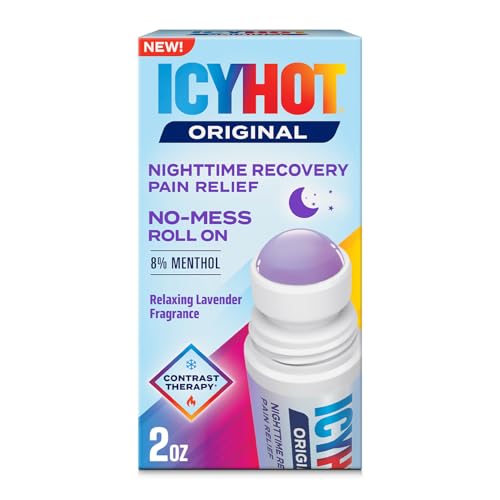
Icy Hot Nighttime Roll-On 2 oz

Icy Hot Pain Relief Patches

Icy Hot Lime and Mint Roll-On 2 oz
Why These Options Stand Out
Rosemary offers a familiar route into aromatherapy when a desk-bound afternoon leaves you feeling stiff. Its warm, camphor-like aroma is bright enough to feel enlivening without the sharp sweetness of peppermint, making NOW Rosemary Oil a practical choice for diffusion after work.
Unlike the Icy Hot roll-ons and patches, this is a concentrated oil rather than a topical pain-relief format. You get full control over the aroma, which makes it better suited to people who prefer a room-based sensory routine over a cooling application to the sore area.
Where It Excels
- The warm rosemary scent suits focused mornings and quiet evenings alike.
- Steam distillation preserves the oil’s natural, plant-derived character.
- The 1 fl. oz bottle fits a small diffuser or first-time aromatherapy setup.
- Its undiluted format allows you to control the concentration yourself.
Practical Considerations
- Essential oils are concentrated, so follow the bottle directions and dilute before skin use.
- One fluid ounce is smaller than Radha Beauty’s 4 oz peppermint bottle, which favors occasional personal use.
Quick Facts
Who It Suits Best
You benefit most from this option if you enjoy a warm, herbaceous scent and prefer diffusing at home after work.
Where Another Pick Suits Better
Plant Therapy Copaiba Oil 10mL may suit you better when you prefer a softer, woodier aroma for a quiet evening.
Copaiba brings a softer mood to this lineup, with a sweet, creamy, woody aroma that feels more suited to winding down than a bright midday diffuser session. The oil comes from Brazilian Copaiba trees through a tapping process, giving it a notably different production method from steam-distilled rosemary or peppermint.
Batch-specific GC-MS reports are the detail that gives this pick its premium positioning. GC-MS is a laboratory analysis that separates compounds in a sample, and the accompanying organoleptic evaluation checks the oil through trained sensory assessment.
Everyday Perks
- The rounded woody aroma works well in a bedroom or quiet living space.
- Batch-specific GC-MS reports add useful composition documentation.
- The small bottle makes careful, measured diffusion straightforward.
- Tree-tapped oleoresin offers a distinctive alternative to common distilled oils.
Small Caveats
- The 10 mL size may require refills more often than a larger bottle.
Quick Technical Notes
Made For
You benefit most from this oil if a mellow, resinous scent fits your evening wind-down routine.
Another Choice May Suit
NOW Rosemary Oil, Steam Distilled 1 fl. oz may suit you better when you want a brighter herbaceous aroma.
Peppermint’s crisp, familiar scent makes this bottle useful well beyond a single diffuser session. You can use the oil in a personal aroma routine, room fragrance, candles, sprays, and other handmade projects, provided you follow the appropriate dilution and usage directions.
The 4 oz bottle is the most generous container in the essential-oil portion of this list, so it fits households that anticipate regular use. Compared with the rosemary option, peppermint feels brighter and more familiar, though people sensitive to strong mint fragrance may find it less relaxing.
What Earns Its Place
- The large bottle supports diffusion, fragrance crafts, and household projects.
- Steam distillation produces a clean, plant-derived peppermint aroma.
- The bright mint scent adds an energizing quality to a room.
- An undiluted format keeps the carrier oil out of the bottle.
- The oil is described as vegan and made without animal testing.
Details To Watch
- A 4 oz bottle may be excessive for occasional diffuser use.
- Peppermint can dominate a room, so start with a small amount.
- DIY candles and sprays require different dilution and container rules.
Right Fit For
You benefit most from this option if you enjoy peppermint fragrance and want one bottle for aromatherapy and creative projects.
Reach For A Different Pick When
Plant Therapy Copaiba Oil 10mL may suit you better if you prefer a subdued woody aroma over a bold mint scent.
A lavender-scented roll-on makes more sense at bedtime than during a busy work shift. The applicator allows you to place the topical formula directly where a muscular area feels uncomfortable, without the broad coverage of a patch or the room-filling scent of a diffuser.
This differs from NOW Rosemary Oil in both purpose and format: aromatherapy addresses the atmosphere, while this product provides a targeted topical application with a cooling sensation. For evening use, that directness may matter more than a complex aroma.
Good Reasons To Consider
- The roll-on applicator limits application to the selected area.
- Lavender creates a calmer scent for a nighttime routine.
Points To Keep In Mind
- This is a topical pain-relief product, not an essential oil, so its label directions take priority.
Feature Snapshot
Who Will Love This
You benefit most from this option if a nighttime routine and a soothing lavender scent help you prepare for rest.
A Better Fit Elsewhere
Icy Hot Lime and Mint Roll-On 2 oz may suit you better when you prefer a brighter daytime scent.
Patches solve a different household problem from aromatic oils and roll-ons: they stay in place without occupying your hand. This set includes three packs of five patches, giving you 15 pieces for broader areas such as the back, where reaching with a roll-on may be awkward.
The formula is designed for temporary relief of minor pain and can remain in place for up to 12 hours according to the listed directions. The menthol cooling element adds a noticeable sensation, while the adhesive format supports hands-free use during work or rest.
Well-Handled Touches
- Adhesive patches support use on the back and other broad areas.
- The wear time of up to 12 hours suits overnight routines.
- Three five-count packs offer simple storage by bed, desk, or gym bag.
- The cooling menthol component provides a clear sensory cue.
Possible Compromises
- Patch placement may be less precise than a roll-on applicator.
- Follow the label for application limits, wear time, and skin precautions.
The Right Fit
You benefit most from this option if you want hands-free coverage across a broad area such as the lower back.
Not Your Match When
Icy Hot Nighttime Roll-On 2 oz may suit you better when precise application and a lavender scent matter more than hands-free wear.
Lime and mint make this roll-on feel more suited to daytime movement than bedtime. The fresh citrus-mint scent can make the application feel less medicinal, while the 2 oz bottle remains easy to place in a locker, desk drawer, or travel bag.
Compared with Icy Hot Nighttime Roll-On 2 oz, the applicator and topical purpose remain the same, but the scent shifts from relaxing lavender to brisk lime and mint. The honest trade-off is that a brighter aroma may not feel as appropriate once you are trying to settle down for the night.
Practical Advantages
- The roll-on format makes application more controlled.
- Lime and mint provide a fresh daytime aroma.
- The 2 oz bottle is compact and easy to store.
Trade Offs
- Its brighter scent may be less calming during a bedtime routine.
- Unlike a patch, it requires you to reach the area directly.
Core Details
Whose Shelf It Belongs On
You benefit most from this option if you want targeted application and a fresh scent that suits an active daytime routine.
Swap It Out When
Icy Hot Nighttime Roll-On 2 oz is the better fit for an evening routine built around a calmer lavender aroma.
What Matters Before You Choose an Ache Relief Option
Start With the Format
Your daily routine determines which format is easiest to use consistently. A diffuser suits a room-based aromatherapy habit, a roll-on offers more targeted application, and a patch provides hands-free coverage across broader areas.
Check the Scent Before the Claim
Aromatherapy is primarily a sensory experience, so choose a scent you genuinely enjoy rather than expecting one plant to provide a guaranteed physical result. Peppermint feels bright, rosemary appears warmer and more herbaceous, and Copaiba offers a rounder woodiness.
Read the Application Directions
Concentrated oils require careful dilution and suitable containers, while topical products come with their own placement, wear-time, and skin instructions. Follow the directions printed on the selected item and avoid combining products unless their guidance supports that use.
Know When to Ask for Help
Recurring soreness, sharp pain, swelling, or discomfort that changes your movement deserves attention from an appropriate specialist doctor. A scented routine or topical application may be part of your comfort plan, but it should not replace professional guidance.
Spending More Often Changes the Format
Common Shopping Slip Ups
Do not choose a larger bottle simply because you expect to diffuse every day; a smaller container may suit occasional use better. Also, the phrase “essential oil” does not describe every product in this roundup, so check the format and intended application before buying.
What The Higher Tier Buys
Higher-priced oils may add provenance details, batch-specific composition reports, organic sourcing, or a larger container. Those extras matter when you value documentation or use oil across several projects, but a basic bottle can still serve a straightforward diffusion routine.
Frequently Asked Questions
Can essential oils relieve muscle aches?
Essential oils can provide an aromatic experience, but evidence for using them to ease muscle pain is limited. A diffuser offers scent-based relaxation rather than a targeted physical effect.
Which essential oil has the strongest scent?
Peppermint generally provides the boldest aroma in this group, while Copaiba is softer and woodier. Your sensitivity and the size of the room also affect how noticeable each scent becomes.
Is a roll-on better than a patch?
A roll-on provides more control over placement, while a patch stays in place and suits broad areas such as the back. Choose based on the body area, your mobility, and the product’s labeled directions.
How should essential oils be used?
Most concentrated oils require dilution for skin use and careful handling around eyes, pets, and children. Follow the manufacturer’s directions for the specific oil and application method.
When should persistent muscle pain be assessed?
Pain that persists, recurs, includes swelling, or limits normal movement should be discussed with an appropriate specialist doctor. A comfort product may help manage the moment, but it cannot explain why the discomfort keeps returning.
Final Verdict
Choose the format that fits the moment: NOW Rosemary for a warm diffuser ritual, Plant Therapy Copaiba for a mellow woody scent, and Radha Beauty Peppermint for DIY fragrance projects. For targeted topical use, the Icy Hot options separate into a lavender nighttime roll-on, a lime-and-mint daytime roll-on, and hands-free patches for broader areas. Match the product to your routine, follow its directions, and keep persistent pain in the hands of a qualified specialist.
