

Your eyes work hard from the moment you wake up, processing a long day of screens, traffic, bright outdoor light, and close-up tasks. The right eye vision vitamins should fit that routine without adding unnecessary complexity, so these seven options stand out for specific nutrient formulas, capsule counts, and daily schedules.
AREDS 2 refers to a nutrient approach studied for age-related macular degeneration, the central area of the retina that affects detailed vision. It combines lutein and zeaxanthin with vitamin C, vitamin E, zinc, and copper.
A Side-By-Side Look
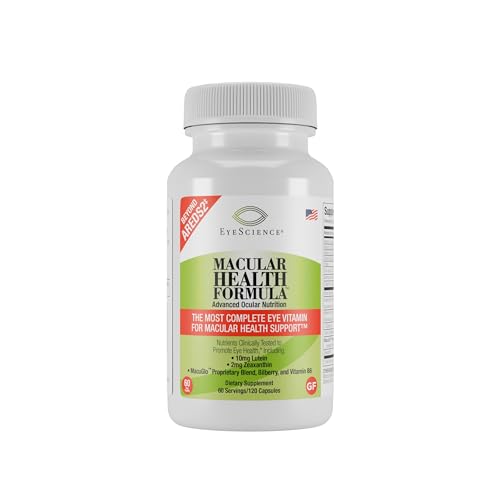
EyeScience Lutein & Zeaxanthin 120ct

WELMATE AREDS 2 Softgels

Optase Eyetamins 30ct

LifeSeasons Visibili-T Carrot Root, Bilberry, Lutein & Zeaxanthin, 60 Capsules

Life Extension MacuGuard with Saffron, Lutein & Meso-Zeaxanthin, 60 Softgels

Life Extension MacuGuard with Saffron & Astaxanthin, 60 Softgels
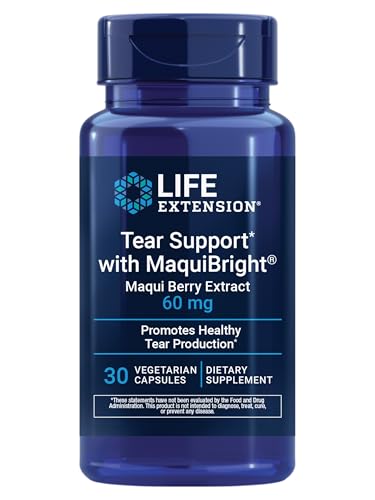
Life Extension Tear Support with MaquiBright, 60 mg, 30-Count Vegetarian
More On The Choices That Made The List
EyeScience goes beyond the basic carotenoid pair with alpha lipoic acid, astaxanthin, and a wider antioxidant-oriented nutrient blend. That makes it interesting for a person organizing a dedicated macular supplement, although the routine calls for two capsules with a meal.
Compared with WELMATE AREDS 2 Softgels, EyeScience broadens the ingredient list while using a 120-capsule bottle. You may prefer that expanded profile for a multifaceted eye routine, but the soy content and larger daily capsule count deserve a closer look. The honest read is fuller formula, not fewer daily steps.
Useful Touches
- Lutein and zeaxanthin provide the core macular-focused foundation.
- Vitamins C and E, zinc, and copper round out the AREDS 2 profile.
- Astaxanthin and alpha lipoic acid add antioxidant-oriented ingredients.
Practical Considerations
- The formula contains soy, which matters for people managing that ingredient.
- Two capsules daily may feel less convenient than Optase Eyetamins.
Quick Facts
Built With In Mind
You benefit most from this option when you want an expanded AREDS 2-style formula and can comfortably manage two capsules daily.
Look Elsewhere When
Optase Eyetamins suits you better when one softgel and a minimal daily routine matter more than a broad nutrient list.
WELMATE takes a deliberately focused approach with the six core AREDS 2 nutrients, and the manufacturer lists each amount clearly. That transparency makes it easier to compare against your own eye-care plan, especially for someone who values a traditional formula over a long ingredient list.
The two mini softgels are smaller than standard capsules, with one suggested in the morning and another in the evening. You gain a 240-count bottle, but you also commit to a split routine. Unlike EyeScience, this pick stays compact in composition, which may suit a daily multivitamin user better.
A Strong Showing
- Listed amounts make the formula easy to compare with AREDS 2 guidance.
- The six-nutrient profile suits people seeking a focused approach.
- Splitting two softgels between morning and evening simplifies timing.
Trade Offs
- Two daily softgels take more planning than a one-capsule routine.
- The formula omits several specialized additions found in EyeScience.
Key Specs
Right Fit
This option fits you best when you want clearly listed AREDS 2 amounts and can maintain a morning-and-evening softgel routine.
A Better Fit Elsewhere
Optase Eyetamins fits you better when a single daily softgel and a wider carotenoid blend take priority over a strict six-nutrient formula.
Optase Eyetamins makes the daily task unusually small: one softgel with a meal. For a person juggling several supplements, that simplicity matters as much as the ingredient list, and the formula includes lutein, zeaxanthin, astaxanthin, zinc, vitamins C and E, copper, and vitamin D.
Its carotenoid approach offers a useful contrast with WELMATE AREDS 2 Softgels. Astaxanthin adds a red-pigment carotenoid, while zinc contributes to normal visual function and the vitamins support protection against oxidative stress, a cellular imbalance caused by excess oxidation. You may find the once-daily format far more realistic than a split routine.
Strengths Worth Knowing
- One daily softgel makes consistency easier to maintain.
- FloraGLO lutein and AstaPure astaxanthin use named ingredient sources.
- The formula combines macular pigments with vitamins C, E, and D.
- Zinc and copper complete a broader eye-nutrient lineup.
Small Caveats
- A one-capsule routine may not suit a plan built around specific AREDS 2 amounts.
- The 30-count bottle requires a monthly replenishment for daily users.
Who Will Love This
You benefit most from Optase when convenience, a single meal-time softgel, and a broad carotenoid formula guide your choice.
Another Choice May Suit
WELMATE AREDS 2 Softgels suit you better when precisely listed AREDS 2 nutrient amounts matter more than a one-capsule schedule.
Visibili-T takes a broad-spectrum approach, pairing familiar eye nutrients with carrot root, chromium, bilberry, ginkgo biloba, grape seed extract, lycopene, and vitamin A. That variety makes it a practical match for someone who prefers a mixed formula over the focused AREDS 2 approach used by WELMATE.
The list resembles a traditional eye-nutrient blend rather than a narrowly targeted macular formula. You gain a wider selection of botanical and vitamin ingredients, though matching the formula against a specific care plan takes more attention. Multiple count and pack options also make the exact listing worth checking before purchase.
The Good Stuff
- Lutein and zeaxanthin cover the best-known macular pigment pair.
- Bilberry, ginkgo biloba, and grape seed create a botanical blend.
- Vitamin A, lycopene, and chromium broaden the nutrient range.
Things To Weigh
- The broad formula is less focused than a dedicated AREDS 2 profile.
- Check the bottle count and pack quantity because several options are listed.
- Review each ingredient against your existing supplement routine.
Feature Snapshot
Made For
This formula suits you best when you prefer a varied blend of familiar eye nutrients and botanical ingredients over one narrow profile.
Not Your Match When
WELMATE AREDS 2 Softgels fit you better when exact AREDS 2 amounts and a shorter ingredient list guide your decision.
MacuGuard with Saffron is built around a specific trio of macular carotenoids: lutein, zeaxanthin, and meso-zeaxanthin. Saffron extract adds a botanical element, making this a more specialized choice than Visibili-T for anyone concentrating on the center of the retina.
Phospholipids are included to help the body absorb lutein and zeaxanthin. These are fats that transport nutrients through the digestive system, so their presence adds a practical dimension to the formula. Compared with the astaxanthin version that follows, this pick keeps the focus on carotenoids and saffron.
Well-Handled Touches
- Three macular carotenoids provide a specialized nutrient profile.
- Saffron extract adds a distinct botanical ingredient.
- Phospholipids support absorption of the carotenoids.
- The 60-softgel bottle suits a consistent daily routine.
Worth Noting
- Check the serving directions before placing it within a broader routine.
At A Glance
The Right Fit
You benefit most from this formula when macular carotenoids, saffron, and absorption support are your main priorities.
Reach For A Different Pick When
Life Extension MacuGuard with Saffron & Astaxanthin fits you better when added astaxanthin support for eye fatigue is the deciding factor.
The astaxanthin edition builds on the same macular-oriented foundation as Life Extension MacuGuard with Saffron, adding a red carotenoid derived from sea algae. You gain an extra ingredient associated with eye-fatigue support, which makes it the more interesting choice for long screen days and visually demanding routines.
Lutein, zeaxanthin, meso-zeaxanthin, and saffron remain central to the formula. You may find the added astaxanthin more useful than phospholipid support, depending on your priorities. The tradeoff is storage: heat and sunlight can melt or damage these softgels, so a cool, dark place deserves a spot on your shelf.
What Earns Its Place
- Astaxanthin adds a distinct carotenoid beyond lutein and zeaxanthin.
- Saffron keeps the botanical focus found in the sibling formula.
- Three macular carotenoids create a well-defined retinal-oriented blend.
Areas To Watch
- Heat and sunlight can damage the softgels during storage.
- Astaxanthin is unnecessary for someone seeking the simpler MacuGuard profile.
Whose Shelf It Belongs On
This option fits you best when you want a focused macular formula with added astaxanthin for eye-fatigue support.
Where A Sibling Pick Shines
Life Extension MacuGuard with Saffron fits you better when carotenoid absorption through phospholipids matters more than astaxanthin.
Tear Support with MaquiBright answers a different eye concern from the six macular formulas. Its central ingredient is a 60 mg dose of MaquiBright, a standardized.maqui berry extract designed to support tear production and eye lubrication, particularly for people bothered by dryness during screen work or contact-lens use.
The formula uses the same MaquiBright dosage and sourced ingredient as clinical studies, and the serving schedule is one vegetarian softgel daily. Compared with EyeScience or WELMATE, it is less about the macula and more about moisture and comfort. You should not expect the same carotenoid structure, though the single-capsule routine is refreshingly direct.
Benefits That Matter
- MaquiBright targets tear production and lubrication rather than macular pigments.
- The 60 mg MaquiBright dose makes the serving easy to identify.
- One vegetarian softgel daily suits a simple routine.
- Contact-lens wearers and frequent computer users may find the focus relevant.
Points To Keep In Mind
- This is a tear-focused formula, not an AREDS 2-style macular blend.
- The 30-count bottle needs replenishing with a once-daily schedule.
Technical Notes
Best Suited To
You benefit most from this pick when dryness, lubrication, and tear production are your main eye-support goals.
Swap It Out When
EyeScience Lutein & Zeaxanthin 120ct suits you better when macular-focused nutrients and a broader antioxidant profile take priority.
What Matters Before You Add an Eye Supplement
Start With the Eye Goal
Macular nutrition and dry-eye comfort call for different formulas, so start by separating the problem you want to address. AREDS 2-style products center on lutein, zeaxanthin, vitamins C and E, zinc, and copper, while Tear Support with MaquiBright focuses on tear production and lubrication. Your eye-care professional can help you place a supplement within your broader routine.
Compare Label Amounts and Format
A long ingredient list does not automatically make one formula more useful. WELMATE provides exact amounts for the six core AREDS 2 nutrients, making direct label comparison straightforward, while EyeScience adds astaxanthin and alpha lipoic acid. Check every capsule, softgel, and serving direction against the other supplements you already take.
Build a Routine You Can Repeat
One softgel can be easier to remember than two, though EyeScience and WELMATE offer broader or more precisely listed nutrient profiles. A month of consistent use matters more than a complicated schedule you may abandon. Choose the format that fits your meals, medication routine, and travel habits.
What Separates Premium From Basic
Wrong Turns To Avoid
Avoid choosing solely by the number of ingredients on the front label. Check the actual nutrient amounts, capsule format, serving schedule, and your existing supplement routine. A focused formula may fit your needs better than a complex blend filled with ingredients you have no reason to add.
What Separates Premium From Basic
Higher-cost formulas often add specialty ingredients, branded carotenoids, or supporting fats intended to improve formulation. The added expense can make sense for a specific goal, such as astaxanthin for eye fatigue or phospholipids for carotenoid absorption. Without that targeted purpose, a simpler formula may be the smarter purchase.
Frequently Asked Questions
What are eye vision vitamins?
They are dietary supplements formulated with nutrients associated with normal eye function, macular health, or tear production. The useful choice depends on your main goal and the ingredients your current routine already provides.
What does AREDS 2 mean?
AREDS 2 is a nutrient approach studied in people with age-related macular degeneration. Its central nutrients include lutein, zeaxanthin, vitamin C, vitamin E, zinc, and copper.
How many eye supplements should I take each day?
The amount varies by product, so follow the stated serving directions rather than combining several eye formulas casually. EyeScience uses two capsules with a meal, WELMATE uses two mini softgels, and Optase uses one softgel.
Which option is most relevant to dry eyes?
Life Extension Tear Support with MaquiBright is the most direct match because it focuses on tear production and lubrication. The other choices center primarily on macular nutrition and carotenoid support.
Can eye vitamins be combined with a multivitamin?
You can, but duplicate nutrients may make the routine more complex than necessary. Compare the labels and ask your healthcare professional about the full set of supplements you take.
