

Provided you’re looking to add fenugreek to your routine, you’ll want options that balance potency, purity, and proven testing. I’ll walk you through five top picks for 2026-each chosen for transparent sourcing, third‑party checks, and practical packaging-so you can pick the form and strength that suits your goals. Keep going and you’ll see which type fits your needs best.
| Clean Nutra Chlorophyll & Sea Moss Women’s Detox Capsules |

| Best for Women’s Detox | Form: Vegan capsules (concentrate capsules) | Fenugreek Type: Fenugreek extract (20:1 extract) | Intended Use: Dietary supplement (detox, odor control, digestive/support) | VIEW LATEST PRICE | Read Our Analysis |
| TAJ Kasoori Methi Dried Fenugreek Leaves Pouch | 1 Pound Bulk Pack |

| Best Bulk Pantry Pick | Form: Dried leaves (bulk pouch) | Fenugreek Type: Kasoori methi (dried fenugreek leaves) | Intended Use: Culinary ingredient (curries, chutneys, pickles) | VIEW LATEST PRICE | Read Our Analysis |
| Rani Panch Puran 5-Spice Blend 7oz (200g) |

| Best Flavorful Blend | Form: Whole seeds (spice blend includes fenugreek seeds) | Fenugreek Type: Fenugreek seeds (part of 5-spice mix) | Intended Use: Culinary spice blend (temper/season Bengali dishes) | VIEW LATEST PRICE | Read Our Analysis |
| Sadaf Dried Fenugreek (Kasoori Methi) Leaves – 2 oz |

| Best Aromatic Finisher | Form: Dried leaves (bag) | Fenugreek Type: Kasoori methi (dried fenugreek leaves) | Intended Use: Culinary herb (seasoning/finishing dishes) | VIEW LATEST PRICE | Read Our Analysis |
| Spice Magic Fenugreek Seeds (Methi) Whole 7 oz |
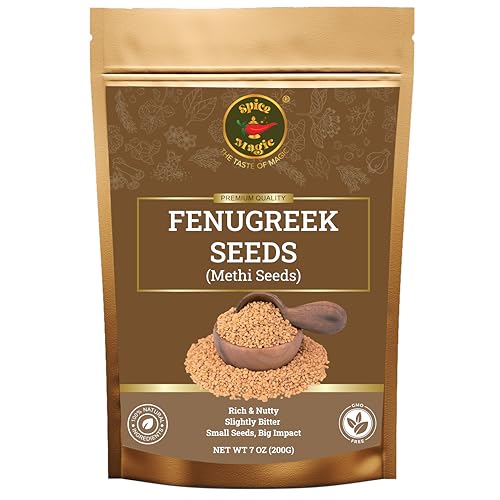
| Best Premium Seeds | Form: Whole seeds (resealable pouch) | Fenugreek Type: Fenugreek seeds (whole) | Intended Use: Culinary spice/ingredient (curries, pickles, spice mixes) | VIEW LATEST PRICE | Read Our Analysis |
More Details on Our Top Picks
Clean Nutra Chlorophyll & Sea Moss Women’s Detox Capsules
In case you want a travel-ready, plant-based detox that targets odor, digestion, and mild liver support, Clean Nutra’s Chlorophyll & Sea Moss Women’s Detox Capsules are a smart pick – they pack concentrated fenugreek plus chlorophyll, adaptogens, sea moss, and gut-soothing slippery elm into two vegan capsules so you get measured, shelf-stable dosing without powders or gels. You’ll get chlorophyll concentrate with peppermint, mulberry, parsley, plus organic ashwagandha, fenugreek 20:1, spirulina 30:1, chlorella, and true sea moss. They neutralize odor, support liver and heavy-metal detox, feed microbiota, ease bloating, and provide greens-grade nutrients. Lab-tested, vegan, no fillers.
- Form:Vegan capsules (concentrate capsules)
- Fenugreek Type:Fenugreek extract (20:1 extract)
- Intended Use:Dietary supplement (detox, odor control, digestive/support)
- Packaging Size/Weight:Capsule bottle (count not specified – consumer supplement bottle)
- Dietary Attributes / Claims:Vegan, no GMOs, dairy-free, gluten-free, no fillers
- Storage Recommendations / Shelf:Shelf-stable; no refrigeration required
- Additional Feature:Internal deodorant action
- Additional Feature:Lab-tested purity/potency
- Additional Feature:Travel-ready vegan capsules
TAJ Kasoori Methi Dried Fenugreek Leaves Pouch | 1 Pound Bulk Pack
For home cooks and small restaurants looking to add authentic aroma without buying seeds, TAJ Kasoori Methi-dried fenugreek leaves in a 1-pound bulk pouch-is a smart choice, especially should you want a ready-to-use herb that keeps well. You’ll get kasoori methi made from Trigonella foenum-graecum, offering slightly sweet, nutty nuances ideal for curries, chutneys, pickles, lentils, vegetables, and meats. It can also act as a mild thickener. Packaged in a no-barrier plastic jar with a foil-induction seal, it’s best stored dry, sealed, and away from light and heat to preserve flavor and nutrients.
- Form:Dried leaves (bulk pouch)
- Fenugreek Type:Kasoori methi (dried fenugreek leaves)
- Intended Use:Culinary ingredient (curries, chutneys, pickles)
- Packaging Size/Weight:1 pound (approx. 454 g) pouch
- Dietary Attributes / Claims:Natural dried leaves (no-barrier jar; general food ingredient)
- Storage Recommendations / Shelf:Keep dry, sealed, away from light and heat
- Additional Feature:1 lb bulk pouch
- Additional Feature:Foil-induction seal
- Additional Feature:Also for soaps/shampoos
Rani Panch Puran 5-Spice Blend 7oz (200g)
Whenever you want an authentic Bengali-style five-spice blend that includes fenugreek seeds, Rani Panch Puran 5-Spice Blend (7 oz / 200 g) is a great choice-it’s an equal mix of fenugreek, mustard, kalonji (nigella), fennel, and cumin you might use whole or ground. You’ll get a bittersweet, earthy profile ideal for roasted-tempered oil prior to adding to vegetables and lentils. Packaged in a plastic bottle from Rani (a US-based brand sourcing from India), it’s labeled kosher, all-natural, non-GMO, preservative-free, vegan, and gluten-friendly. Use it whole for texture or grind for a smoother finish.
- Form:Whole seeds (spice blend includes fenugreek seeds)
- Fenugreek Type:Fenugreek seeds (part of 5-spice mix)
- Intended Use:Culinary spice blend (temper/season Bengali dishes)
- Packaging Size/Weight:7 oz (200 g) bottle
- Dietary Attributes / Claims:Kosher, all natural, non-GMO, no preservatives, vegan, gluten friendly
- Storage Recommendations / Shelf:Store in bottle (typical spice storage)
- Additional Feature:Equal five-seed blend
- Additional Feature:Roasting recommended first
- Additional Feature:Kosher and non-GMO
Sadaf Dried Fenugreek (Kasoori Methi) Leaves – 2 oz
In case you want a pure, traditional kasoori methi to amplify aroma and add a pleasant bitterness to curries and chutneys, Sadaf Dried Fenugreek Leaves-2 oz is a great pick. You’ll get only natural dried fenugreek leaves in a kosher and halal 2 oz bag, with no additives or fillers. The leaves deliver a strong, intense fragrance and a distinctive bitter flavor that lifts meat curries, chutneys, pickles, lentils, and vegetables. They also provide iron, vitamin C, minerals, and fiber. Store the bag sealed, dry, away from light and heat to preserve potency and shelf life.
- Form:Dried leaves (bag)
- Fenugreek Type:Kasoori methi (dried fenugreek leaves)
- Intended Use:Culinary herb (seasoning/finishing dishes)
- Packaging Size/Weight:2 oz bag
- Dietary Attributes / Claims:Kosher, Halal, only natural leaves (no additives)
- Storage Recommendations / Shelf:Keep dry, sealed, away from light and heat
- Additional Feature:Strong intense fragrance
- Additional Feature:Kosher and Halal
- Additional Feature:Pure single-ingredient herb
Spice Magic Fenugreek Seeds (Methi) Whole 7 oz
Choose Spice Magic Fenugreek Seeds provided you want premium, hand-selected fenugreek with a strong aromatic profile that suits both everyday Indian cooking and experimental spice blends. You get a 7 oz (200 g) pouch of Trigonella foenum-graecum, labeled bilingually (Semillas de Fenogreco). These non-GMO seeds offer a warm, earthy, slightly bitter flavor ideal for curries, lentils, pickles, and spice mixes. Roast, grind, or soak to vary intensity. The sturdy resealable pouch preserves freshness for frequent use. Naturally sourced and grown via traditional methods, these seeds fit well as a staple ingredient whenever you’re making authentic or inventive dishes.
- Form:Whole seeds (resealable pouch)
- Fenugreek Type:Fenugreek seeds (whole)
- Intended Use:Culinary spice/ingredient (curries, pickles, spice mixes)
- Packaging Size/Weight:7 oz (200 g) resealable pouch
- Dietary Attributes / Claims:Non-GMO, premium/hand-selected, naturally sourced
- Storage Recommendations / Shelf:Resealable pouch to preserve freshness
- Additional Feature:Hand-selected premium seeds
- Additional Feature:Resealable freshness pouch
- Additional Feature:Bilingual (Spanish) labeling
Factors to Consider When Choosing Fenugreek
When choosing fenugreek, you’ll want to check origin and sourcing to make certain quality and traceability. Consider the form and texture, flavor intensity, and whether the product contains additives or fillers. Also compare nutritional profiles so you pick a supplement that matches your goals.
Origin And Sourcing
Although sourcing could seem like a background detail, you should verify botanical identity (Trigonella foenum‑graecum) and supplier traceability from seed to package to guarantee you’re getting true fenugreek rather than substitutes. Favor origins with long cultivation history and documented practices – soil, climate, and harvest timing shape sotolon and other flavor compounds. Check cultivation methods (organic, non‑GMO, conventional) because pesticide and fertilizer use affects purity and residue levels. Verify post‑harvest handling: proper drying, low‑humidity storage, and protective packaging prevent mold, off‑odors, and aroma loss. Demand quality‑control testing and lot‑level certificates showing moisture content, microbial limits, pesticide residues, and heavy metals so you get a safe, consistent product. These checks keep supplements reliable and flavorful.
Form And Texture
Should you want specific texture and aroma in your cooking, pick the fenugreek form that matches the dish: whole seeds give a crunchy, toasty bite and hold volatile flavors until you roast or soak them; dried leaves deliver an intense, fleeting aroma best added toward the end or after brief rehydration; and powder disperses evenly for rubs and sauces but loses aromatics faster. Use whole seeds whenever you want tempering crunch or long shelf-life; dry-roast or soak them to release bitter-warm notes, or soak/sprout to create a soft, mucilaginous texture for stews and batters. Choose kasoori methi to finish dishes with a lift, adding late or rehydrating briefly. Pick powder for uniform incorporation whenever mouthfeel must stay smooth.
Flavor Intensity
Because fenugreek can swing from soft, leafy sweetness to bold, bitter-maple spice, pick the form and treatment that match how prominent you want its presence to be. You’ll choose leaves when you desire aroma without strong bitterness-dried kasoori methi gives a fragrant, subdued profile. Reach for whole seeds should you prefer savory depth; they’re naturally more bitter but develop nutty, caramel notes when dry-roasted or lightly toasted. Grinding seeds raises perceived intensity and bitterness, while soaking or simmering them tames harshness and brings out sweeter, rounded flavors. Note small harvest, drying, and seed-to-leaf variations can shift potency, so expect batch-to-batch differences from mild to very pungent and adjust form or prep to suit your palate.
Purity And Additives
Now that you’ve chosen the form and prep that suit your taste, check what else is in the package before you buy. Read the ingredient list to confirm it contains only fenugreek (Trigonella foenum-graecum) leaves or seeds – no fillers, binders, anti-caking agents, artificial preservatives, added sugars, flavors, or colorants. Prefer non-GMO, single-ingredient labels so active compounds like diosgenin and saponins aren’t diluted. For powders, verify “100% fenugreek” and watch for bulking agents such as maltodextrin. Look for third-party lab testing, purity certifications, clear lot numbers, and sealed or resealable packaging to reduce contamination and moisture risks. These checks help make certain you get authentic, potent fenugreek without unwanted additives.
Nutritional Profile
Whenever you compare fenugreek options, check the nutritional profile to match your needs: leaves and seeds both supply iron, fiber, and small amounts of vitamin C, but seeds are denser in calories, soluble fiber (galactomannans), plant protein, and trace B vitamins, magnesium, and potassium, whereas leaves typically offer more vitamins per weight. Choose seeds provided you want concentrated nutrients and galactomannans that can slow carbohydrate absorption and support regularity; just bear in mind typical culinary or supplemental doses are small. Prefer leaves provided that you need fewer calories and higher vitamin density per gram. Also consider bioactive compounds – saponins, flavonoids, and alkaloids like trigonelline – which provide antioxidant and potential metabolic benefits across both forms.
Packaging And Storage
Whenever choosing fenugreek, pay close attention to packaging and storage so the aroma, flavor, and potency stay intact; look for airtight, resealable containers (zip-top pouches or jars with tight lids) and opaque or dark-colored materials that block light. You should store fenugreek in a cool, dry place away from heat and humidity-ideally below room temperature-to prevent rancidity, loss of volatile oils, and mold. For bulk buys, subdivide into smaller sealed containers so you only open what you need. At purchase, check for foil induction or tamper-evident seals. Use dried leaves within 6–12 months and whole seeds within 1–2 years for best potency. Proper packaging and storage preserve flavor, efficacy, and shelf life.
