

A paper cut catches on the edge of your thumbnail at the kitchen counter, and a standard strip keeps sliding off the end of your finger. Fingertip bandages solve that fit problem with narrow shapes, flexible fabric, and absorbent pads sized for small cuts, scrapes, and knuckle abrasions. The right choice depends on shape, material, quantity, and how much movement your hands endure.
A Snapshot Of The Selections

Ourmed Flexible Fingertip Bandages Variety Pack 100 Pieces, Non-Latex

Supervitae Fabric Adhesive Bandages 500-Piece Assorted Pack

BAND-AID Magic Shimmer Flexible Fabric Bandages, 40 Count

My Medic SuperSkin Bandages 20-Pack with Aloe, 1 x 3 Inches, Latex-Free
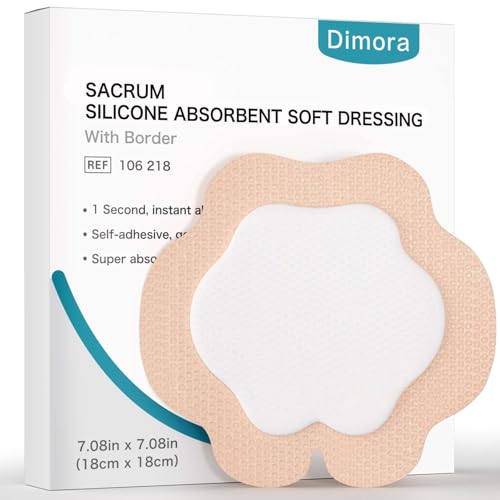
Dimora Sacrum Silicone Absorbent Wound Dressing 7 x 7 Inches, 10 Count
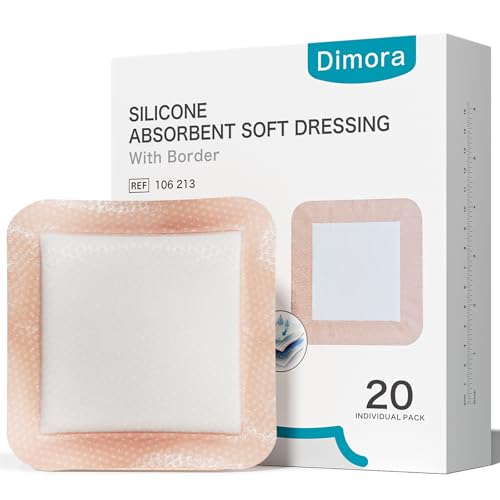
Dimora Silicone Super Absorbent Wound Dressing 6 x 6 Inches, 20 Count

Dimora Ultrasorb Silicone Wound Dressing 5 x 5 Inches, 10 Count
A Breakdown Of The Leading Choices
A cut on the side of your finger can loosen quickly as your hand bends, but a narrow adhesive strip with a flexible fabric body can stay closer to the skin. The Ourmed pack includes fingertip, knuckle, knee, and foot shapes, with the manufacturer specifying up to 24 hours of wear for active users.
That combination makes it useful for commuting, kitchen work, or exercise. Unlike a standard all-purpose strip, the assortment gives you a shape that can wrap around a fingertip or knuckle, while the non-latex construction may suit people avoiding natural rubber latex.
The Value In It
- Flexible fabric bends with frequent hand movement.
- Multiple shapes support fingertips, knuckles, knees, and feet.
- Absorbent pads and four-sided seals help contain moisture.
- Adhesion is designed to remain secure when wet.
- A 100-piece assortment gives families several options at once.
Things To Consider
- The mixed shapes take more space than a box containing only fingertip strips, so check your first-aid storage area before buying.
Key Specs
Made For
Active adults, families, and people who need flexible coverage for cuts on fingers, knuckles, and other frequently moving areas.
Where Another Pick Suits Better
Choose BAND-AID Magic Shimmer Flexible Fabric Bandages when a child is more likely to respond positively to playful, individually wrapped designs.
A classroom cabinet or a busy household rarely goes long without a small adhesive bandage being needed. The Supervitae pack answers that practical need with 500 pieces spread across five dimensions, including narrow strips that may work better around a fingertip than a broad rectangular dressing.
The fabric is described as breathable, flexible, and comfortable, which makes it a practical everyday option for playground scrapes, kitchen nicks, and minor sports abrasions. For most families, the quantity provides plenty of replacements, although the broad assortment needs a little planning in a compact first-aid kit.
The Helpful Details
- Five dimensions support coverage across fingers, knuckles, and larger minor wounds.
- The 500-piece count suits shared households, classrooms, and frequent use.
- Breathable fabric should feel more comfortable during extended wear.
- Simple peel-and-apply construction makes the bandages easy to use.
Small Caveats
- The 500-piece count requires more storage space than a compact 20- or 40-piece assortment.
- Individual wrapping is not listed, so keeping unused bandages sterile inside a sealed kit matters.
- Five general sizes are less specialized than a pack built mainly around fingertip shapes.
Quick Facts
Right Fit For
Large households, teachers, coaches, and anyone who prefers a deep supply of several standard bandage sizes.
A Better Fit Elsewhere
Choose My Medic SuperSkin Bandages for hands that bend and flex constantly and need a 1 x 3-inch fabric strip with latex-free construction.
Getting a child to accept a bandage can be half the challenge, and the Magic Shimmer assortment adds iridescent designs, including a dragon, to that familiar routine. Its fabric construction, absorbent comfort pad, and flexible fit still handle the practical side of covering small cuts and scrapes.
Each bandage is sterile and individually wrapped, which suits a family first-aid kit or a small travel pouch. You may find the 40-count package more than sufficient for routine use, especially since the playful appearance is the main feature here rather than a wider assortment of wound sizes.
Points In Its Favor
- Iridescent and dragon designs make wound care less intimidating for children.
- Memory Weave fabric flexes as fingers move.
- The comfort pad lifts fluid away from the wound area for gentler removal.
- Individual sterile wrapping supports clean storage and portability.
- The manufacturer specifies up to 24 hours of wear.
Less Ideal Details
- The 40-count supply is smaller than high-volume assortments for homes that use bandages daily.
- Decorative styles add less value for an adult who only wants a plain fingertip strip.
Who Will Love This
Parents, caregivers, and children who respond better to colorful bandages and enjoy collecting themed or fantasy designs.
Another Choice May Suit
Choose the Ourmed Flexible Fingertip Bandages Variety Pack when finger, knuckle, knee, and foot shapes matter more than decorative graphics.
Repeated hand movement is the real test for a fingertip bandage, and SuperSkin uses four-way stretch fabric designed to bend in multiple directions. The manufacturer also calls its adhesive five times stronger than standard bandages, giving this 1 x 3-inch strip a distinct place among the more flexible options.
The pack includes 20 colorful bandages with a latex-free construction and an aloe-treated pad. That combination feels most practical for commuters, workshop users, and anyone who wants a longer strip that follows a finger or knuckle through frequent movement.
Everyday Wins
- Four-way stretch fabric follows bending fingers and knuckles.
- Strong adhesion suits active hands and frequent movement.
- Each pad contains soothing aloe.
- Every bandage is made without natural rubber latex.
- Twenty colorful strips fit neatly in a home, car, or school bag.
Where It May Fall Short
- All 20 bandages share one 1 x 3-inch size, limiting flexibility across different wound locations.
- The 20-piece count is modest for a busy household, so you may prefer a larger supply for daily use.
Technical Sheet
Built With In Mind
Commuters, craftspeople, and active adults who want a longer, flexible, latex-free bandage for frequently moving hands.
Look Elsewhere When
Choose BAND-AID Magic Shimmer Flexible Fabric Bandages for a child’s first-aid kit where playful designs and individually wrapped sterile bandages take priority.
This dressing serves a different job from the narrow strips above: it covers the sacral area, where the lower back, coccyx, and surrounding skin meet. Its 7 x 7-inch format, silicone construction, absorbent core, and adhesive border are tailored to larger wound areas during bed rest, sitting, or frequent repositioning.
The manufacturer says the tail core is 23 percent wider than the earlier version to broaden coverage around the lower sacrum. For caregivers managing a larger wound area, that contour may matter more than fingertip-shaped flexibility, but this is not a conventional strip bandage.
A Few Highlights
- The broad sacral shape covers a larger, more complex body area.
- A wider absorbent tail supports coverage around the lower sacrum and coccyx.
- Silicone construction provides a gentler adhesive contact than a rigid border.
- Ten dressings suit a managed replacement schedule for larger wound care.
Where It Is Less Suited
- The 7 x 7-inch shape is too broad for a small fingertip cut or a narrow knuckle abrasion.
- Ten large dressings take more room in a compact first-aid pouch.
Made For
Caregivers supporting a person with a sacral or pressure-area wound during bed rest, sitting, or regular repositioning.
Consider Something Else When
Choose Dimora Ultrasorb Silicone Wound Dressing when a smaller 5 x 5-inch format better matches the wound area and storage space.
Larger wounds that produce heavy exudate, meaning wound fluid, call for more absorption than a narrow fingertip strip can provide. This 6 x 6-inch dressing uses a silicone contact layer, an absorbent polymer core, and a bordered adhesive design suited to pressure areas and post-surgical incisions.
The manufacturer states that the core converts fluid into gel in one second and can absorb up to 20 times its own weight. Its internal cuts also allow outward expansion, which may help the dressing conform as the area changes during movement.
Practical Advantages
- The high-capacity core manages heavier wound-fluid output.
- Fluid-to-gel conversion helps keep moisture away from the wound area.
- Outward expansion supports a closer fit as the dressing absorbs.
- Silicone contact provides a gentler adhesive experience.
- Twenty dressings offer a substantial supply for ongoing wound care.
Practical Considerations
- The 6 x 6-inch area is unsuitable for most fingertip cuts.
- Twenty large dressings require substantial storage and a clear replacement plan.
Feature Snapshot
Whose Shelf It Belongs On
People managing larger pressure-area or post-surgical wounds who need a silicone-bordered dressing with substantial absorbent capacity.
Swap It Out When
Choose Dimora Sacrum Silicone Absorbent Wound Dressing when the wound sits around the lower sacrum or coccyx and needs a contoured, extended tail.
At 5 x 5 inches, this Dimora dressing sits between a fingertip bandage and the larger 6 x 6-inch pad. Its silicone adhesive and Ultrasorb polymer core suit larger wound areas that produce moderate to heavy exudate, while the smaller square may be easier to position than a sacral dressing with an extended tail.
The manufacturer describes rapid fluid-to-gel conversion and outward expansion for a closer fit. Ten pieces keep the supply manageable, although your choice between this and the 6 x 6-inch version should follow the wound dimensions and dressing plan rather than quantity alone.
Noteworthy Benefits
- The 5 x 5-inch size offers a practical middle ground for larger wounds.
- Ultrasorb polymer manages fluid while converting it into gel.
- Silicone adhesive supports gentler contact with the surrounding skin.
- Outward expansion helps the dressing conform as it absorbs.
Some Limits To Know
- It remains far larger than a strip designed for a fingertip.
- Ten dressings may be fewer than a household needs for regular changes.
- The square form does not provide the contoured tail of the Dimora Sacrum dressing.
Quick Technical Notes
The Right Fit
People needing a compact, square silicone dressing for a larger wound area where a full sacral shape is unnecessary.
Reach For A Different Pick When
Choose Dimora Silicone Super Absorbent Wound Dressing when 6 x 6-inch coverage and a 20-piece supply better match the required wound area and replacement schedule.
What Matters Before You Choose Fingertip Bandages
Shape and coverage
A fingertip bandage should follow the narrow curve of a finger without bunching at the knuckle. The Ourmed variety pack offers several joint shapes, while the My Medic option provides a longer 1 x 3-inch strip for active hands. You can compare those formats by asking whether the cut sits on the fingertip, across a knuckle, or along the side of a finger.
Material and movement
Flexible fabric can move with a bent finger, and four-way stretch is designed to flex in more than one direction. The My Medic SuperSkin Bandages emphasize this feature, while the Ourmed and BAND-AID options also use flexible fabric constructions. A stretchy body can be helpful during typing, cooking, exercise, and other tasks that repeatedly move your hands.
Quantity and storage
Large packs reduce the need for frequent replacements, but they require more cabinet space. The Supervitae assortment contains 500 pieces across five sizes, whereas the Band-Aid and My Medic packs contain 40 and 20 individually described units. For a small kit, a 20-piece pack may be more convenient than a broad bulk supply.
Wider wound dressings
The final three selections are wound dressings rather than fingertip strips. Their larger silicone-bordered formats, absorbent polymer cores, and square or sacral shapes suit different wound areas, so size and body location matter more than the narrow strip format.
Common Mistakes Worth Avoiding
Pitfalls Shoppers Hit
A narrow strip that bends at the tip may still bunch around a knuckle, so match the shape to the exact location. Large quantities can also feel practical until the box crowds a small first-aid kit, making size and packaging as important as the count.
What Separates Premium From Basic
Premium options tend to add stretch, stronger adhesion, individually wrapped sterile bandages, or higher-capacity absorbent cores. Those features matter most for active hands, frequent replacements, and larger wound areas, while a simple fabric strip may be enough for occasional minor cuts.
Frequently Asked Questions
Are Fingertip Bandages Different From Standard Adhesive Strips?
Yes. Fingertip bandages use narrower or contoured shapes that fit around the end or side of a finger, while standard strips may be wider and better suited to broader areas.
Which Size Is Best for a Fingertip Cut?
Choose a narrow strip that covers the cut without folding over the fingertip. The 0.74 x 1.5-inch Supervitae bandage is the smallest listed size, while specialized fingertip shapes may conform more closely.
Are Latex-Free Bandages Easier on Sensitive Skin?
Latex-free construction removes natural rubber latex from the product, which may be useful for people with a latex sensitivity. Material preference still depends on your skin and your first-aid needs.
How Often Should an Adhesive Bandage Be Changed?
Change a bandage daily, when it becomes wet, or sooner as needed. Gentle removal and proper wound care remain more important than stretching a single covering for as long as possible.
Can Large Wound Dressings Cover a Small Finger Cut?
A 5 x 5-inch or larger dressing usually provides unnecessary coverage for a small finger cut. Narrow fingertip bandages offer a closer fit and leave less material bunching around the finger.
Final Verdict
For everyday finger coverage, the Ourmed variety pack offers the most direct fit, while the My Medic option suits constant hand movement and the Band-Aid pack adds playful designs for children. The remaining Dimora products serve larger wound areas rather than fingertips, so choose them by body location, dressing dimensions, and absorbency needs. Match the format to the injury, and your first-aid kit will feel much more prepared.
