

A fish oil label can look simple until you notice that total capsule weight does not tell you how much EPA and DHA it contains. For anyone building a heart-health routine, the useful comparison is the omega-3 breakdown, the serving format, sourcing standards, and the number of softgels you will actually have on hand.
The Choices Worth Comparing

XYMOGEN OmegaPure 600

Nordic Naturals Omega-D3 1480mg

Nordic Naturals Ultimate Omega 1280mg

Metagenics OmegaGenics EPA-DHA 720

Metagenics OmegaGenics EPA-DHA 1000mg
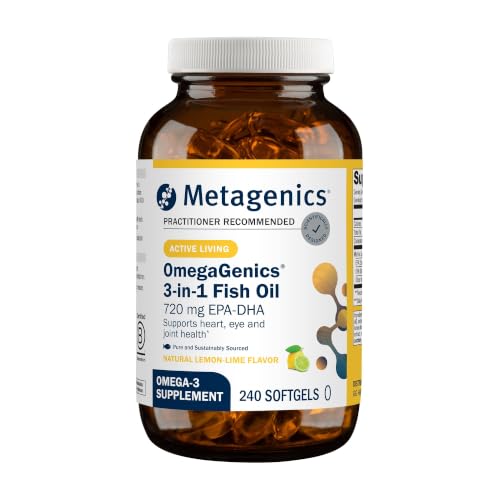
Metagenics OmegaGenics EPA-DHA 720mg
A Closer Look At Each Pick
The enteric coating is the detail that makes XYMOGEN OmegaPure 600 worth a closer look. It is designed to release farther along in digestion, which can make a fish oil capsule more comfortable for people who dislike the lingering aftertaste or stomach sensations associated with standard softgels.
Its balanced EPA and DHA formula, IFOS five-star oil designation, and 120-softgel bottle give it a sensible place among these options. Unlike Metagenics OmegaGenics EPA-DHA 1000mg, which emphasizes a higher combined omega-3 content, this pick focuses on delivery and digestive consideration rather than maximum concentration.
Bright Spots
- Enteric coating is intended to improve comfort and absorption.
- Balanced EPA and DHA formula supports heart-focused supplement routines.
- IFOS five-star designation adds visible sourcing context.
- The label excludes gluten, GMOs, dairy, soy, corn, peanuts, egg, and shellfish.
Things To Consider
- The bottle contains 120 softgels, so compare storage needs with larger options.
- Check the complete label for personal sensitivities even when common ingredients are excluded.
Key Specs
Made For Digestive-Sensitive Routines
You benefit most from this option when enteric coating matters more to you than a higher per-softgel EPA and DHA figure.
Where Another Pick Suits Better
Metagenics OmegaGenics EPA-DHA 1000mg may suit you better when you prioritize a higher combined EPA and DHA content in each softgel.
Nordic Naturals Omega-D3 1480mg takes a different route from the standard fish oil options by pairing an EPA-forward concentrate with vitamin D3. That combination makes it most relevant to active adults who want one omega-3 product positioned around an active lifestyle rather than a simple heart supplement alone.
You also get fish oil in the triglyceride form, the molecular form naturally present in fish, along with a lemon taste intended to reduce the familiar fishiness. NSF’s sport program screens the oil for athletic-banned substances, which matters more to competitive athletes than it does to a general household routine.
The Upside
- EPA-dominant fish oil is paired with vitamin D3.
- Triglyceride form supports efficient omega-3 absorption.
- Lemon flavor makes the softgels more approachable.
- Sport-program screening suits competitive athletes.
- Independent laboratory screening covers purity and freshness.
Practical Considerations
- People already taking a separate vitamin D supplement should compare labels before adding another one.
Right Fit For Active Lifestyles
This option fits athletes and active adults who value EPA-forward omega-3 content, vitamin D3, and sport-focused screening in one formula.
Another Choice May Suit
Nordic Naturals Ultimate Omega 1280mg may suit you better when you want a larger bottle and no added vitamin D3.
The 180-count bottle gives Nordic Naturals Ultimate Omega 1280mg a practical edge for someone who prefers fewer restocking interruptions. Its label lists 1,280 mg of fatty acids per serving and 20 calories, offering concrete figures for comparison with the 1,480 mg designation on Nordic Naturals Omega-D3 1480mg.
This option also carries Non-GMO Project verification and independent laboratory screening for purity and freshness. Those details make it a straightforward choice for shoppers who value a larger package and clear label information more than a vitamin combination or enteric-coated delivery.
Advantages To Know
- The 180-count bottle reduces the frequency of replenishment.
- The label provides a clear fatty-acid total and calorie count.
- Independent screening and Non-GMO verification add useful context.
Points To Note
- The 1,280 mg figure covers fatty acids generally, so compare it carefully with labels that state EPA and DHA separately.
- Unlike an enteric-coated option, this formula does not highlight digestion-focused delivery.
Quick Facts
Built With Long Routines In Mind
You may appreciate this option most when a large bottle and straightforward fatty-acid labeling matter more than specialized coating or added vitamins.
Where A Sibling Pick Shines
Metagenics OmegaGenics EPA-DHA 720 is easier to compare when you want the label to state a combined EPA and DHA amount per serving.
A clearly stated 720 mg combination of EPA and DHA makes Metagenics OmegaGenics EPA-DHA 720 easier to assess than labels that report only total fatty acids. That transparency is useful when you are comparing heart-health supplements and want to know exactly which omega-3 fatty acids account for the stated amount.
The formula is made with sustainably sourced cold-water fish oil and screened for heavy metals, pesticides, and other contaminants. Antioxidant stabilization also supports the product’s shelf positioning. Compared with Nordic Naturals Ultimate Omega 1280mg, its main advantage is not bottle size but the clarity of the combined EPA and DHA figure.
Where It Excels
- Combines 720 mg of EPA and DHA per serving.
- Cold-water fish sourcing provides a clear origin.
- Contaminant screening supports purity-focused shoppers.
- Antioxidant stabilization helps protect the oil.
Details To Watch
- The 720 mg amount is stated per serving, so check the label’s serving definition while comparing products.
Feature Facts
The Right Fit For Clear Labels
You benefit most from this formula when a stated combined EPA and DHA amount matters more to you than a larger bottle count.
Consider Something Else When
XYMOGEN OmegaPure 600 may suit you better when enteric-coated delivery is the feature that carries the most weight in your decision.
The 1,000 mg combined EPA and DHA content gives Metagenics OmegaGenics EPA-DHA 1000mg the highest stated softgel potency in this group. It is the most direct choice when you want fewer capsules to reach the label’s combined omega-3 figure, particularly compared with the 720 mg Metagenics options.
Sustainably sourced fish oil and purity screening round out the formula, while the 120-softgel package keeps it reasonably compact. Your experience will depend on how the product’s serving instructions align with your established routine and how you respond to a more concentrated softgel.
Where It Delivers
- Each softgel provides 1,000 mg of combined EPA and DHA.
- Concentrated content can simplify capsule comparisons.
- Sustainable sourcing and purity screening add label value.
Possible Compromises
- The concentrated 1,000 mg amount deserves careful comparison with lower-potency formulas before you add it to an existing regimen.
- The 120-count bottle takes less shelf space than the 240-count Metagenics version.
- Anyone with a seafood sensitivity should discuss fish oil use with an appropriate specialist doctor.
Best Suited To Potency-Focused Routines
You benefit most from this option when a higher combined omega-3 content per softgel is the main selection criterion.
A Better Fit Elsewhere
Nordic Naturals Omega-D3 1480mg may suit you better when EPA-forward content, vitamin D3, and lemon flavor take priority over maximum concentration.
The main distinction between Metagenics OmegaGenics EPA-DHA 720mg and its 120-softgel counterpart is the bottle size. Both list 720 mg of combined EPA and DHA per serving, so your decision should center on replenishment frequency and storage rather than a difference in potency.
The larger package can suit a household that wants more capsules on hand at once, while the formula’s cold-water fish sourcing, contaminant screening, and antioxidant stabilization preserve the same practical strengths. The honest read is that this is a quantity-focused version of the 720 mg formula, not a different kind of omega-3 product.
A Favorable Mix
- The 240-softgel package reduces replenishment interruptions.
- Each serving states a clear 720 mg combination of EPA and DHA.
Where It May Fall Short
- The larger bottle requires more storage space than the 120-count version.
- Its potency matches the smaller Metagenics package, so count is the deciding feature.
- Compare the label with any other omega-3 product already in your routine to avoid duplicating EPA and DHA.
Product Snapshot
Whose Shelf It Belongs On
You benefit most from this package when you value a larger bottle and already prefer the 720 mg combined EPA and DHA formula.
Look Elsewhere When
XYMOGEN OmegaPure 600 is the better fit for you when enteric-coated delivery matters more than having twice as many softgels.
What Matters Before You Choose Fish Oil
Start With EPA and DHA
Total fish oil weight does not reveal the full omega-3 picture. EPA and DHA are the two fatty acids most directly associated with the heart-health positioning of these formulas, so their amounts deserve a place beside any “ultimate” or “high-potency” wording on the front of the bottle.
Compare the label, not the capsule count
A softgel can contain very different amounts of EPA and DHA. Metagenics OmegaGenics EPA-DHA 1000mg is the most concentrated option here, while the two 720 mg Metagenics choices state a combined amount per serving. By contrast, Nordic Naturals Ultimate Omega 1280mg lists total fatty acids, so its number requires a different type of comparison.
Consider digestion and flavor
Enteric-coated softgels can be appealing to people who dislike repeat fishiness or have sensitivity to taking fish oil on an empty stomach. Nordic Naturals Omega-D3 1480mg takes another approach with a lemon flavor, although neither coating nor flavor changes the importance of checking EPA and DHA content.
Review sourcing and exclusions
Cold-water fish, sustainable sourcing, contaminant screening, and independent purity screening all help explain the differences between brands. You may also need to note dietary exclusions, especially gluten, dairy, soy, or shellfish, alongside any personal sensitivity you already manage.
Avoiding Common Omega-3 Traps
Mistakes Worth Dodging
Do not treat the largest capsule-weight number as the strongest formula. Compare EPA and DHA directly, check whether the amount applies per softgel or per serving, and avoid choosing two products that duplicate the same omega-3 sources.
What Separates Premium From Basic
Higher-tier formulas often add enteric coating, vitamin D3, sport-program screening, or more detailed contaminant controls. Those upgrades matter when digestion, athletic screening, or a higher combined content address a specific need in your routine.
Frequently Asked Questions
What should you check on a fish oil label?
Start with the separate EPA and DHA amounts, then confirm whether the stated figure applies per softgel or per serving. Also review sourcing, screening, dietary exclusions, and the package size.
Do EPA and DHA matter more than total fish oil?
For a direct omega-3 comparison, EPA and DHA usually provide more useful information than total capsule or fish-oil weight. A broad fatty-acid total can still be informative, but it leaves less detail about the two fatty acids central to heart-health labeling.
Is fish oil appropriate for everyone?
No. Ask an appropriate specialist doctor before using it, especially while pregnant, nursing, taking medication, managing a medical condition, or reacting to seafood.
Can enteric-coated fish oil be easier to digest?
It may be more comfortable for some people because the coating is designed to delay release until later in digestion. Individual responses vary, so a standard softgel may suit you better.
Does a larger softgel count make a formula better?
No. A larger bottle can reduce replenishment, but potency, sourcing, coating, and screening still determine which formula fits your routine.
Final Verdict
Your best choice depends on the detail you refuse to compromise: enteric coating for digestion, vitamin D3 for active lifestyles, clear EPA and DHA totals, higher concentration, or a larger bottle. Compare those specifics on the label and choose the one that fits the routine you will actually maintain.
