

A morning routine gets easier when the supplement fits the way you actually live. Some people prefer familiar softgels, while others need minis, a liquid, or a concentrated formula with fewer capsules; the right fish oil for inflammation support also depends on the EPA and DHA amounts, your swallowing preferences, and your medical guidance.
A Fast Comparison Of The Options

Nature Made Fish Oil 1200mg
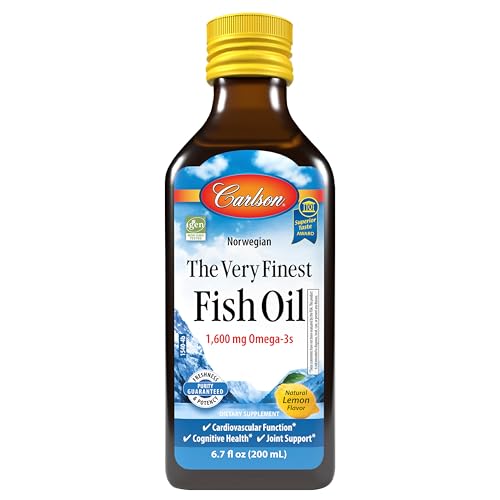
Carlson The Very Finest Fish Oil
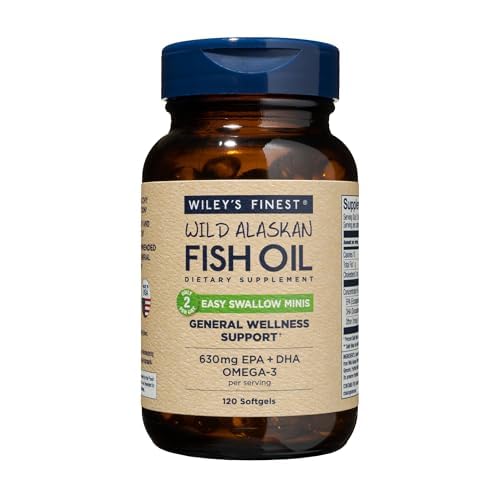
Wiley’s Finest Easy Swallow Minis
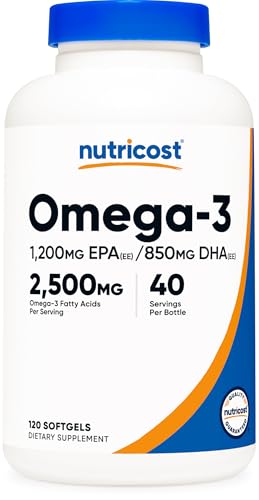
Nutricost Omega 3 Fish Oil 2500MG

Fortifeye Super Omega-3 Max Ultra-Pure rTG Fish Oil 2400mg EPA + DHA, Lemon

Fortifeye Super Omega-3 rTG Fish Oil 1600mg EPA + DHA, Lemon, Norway
Taking A Closer Look At The Options
For a straightforward cabinet routine, Nature Made Fish Oil 1200mg is easy to understand. Each liquid softgel is labeled with 1,200 mg of fish oil and 360 mg of omega-3s, giving you a clear way to compare it with the more concentrated options farther down the list.
The formula uses oil from wild ocean fish and is purified to remove mercury and other contaminants. People building a simple omega-3 routine may appreciate the familiar brand and softgel format, while you’ll need to account for the lower omega-3 concentration than the Nutricost and Fortifeye formulas.
What Helps Most
- Clear per-softgel labeling supports straightforward label comparisons.
- The oil comes from wild ocean fish rather than a general catch source.
- Purification removes mercury and other listed contaminants.
- Liquid softgels offer a familiar format for many home routines.
- No artificial colors, flavors, sweeteners, or preservatives are listed.
Things To Consider
- Its 360 mg omega-3 amount is lower than the concentrated formulas in this roundup.
- Anyone with a fish allergy, pregnancy, nursing, or an existing medical condition should get personalized guidance from a doctor before adding a supplement.
Key Specs
Made For
This option suits you best if you value familiar softgels, straightforward labeling, and a moderate omega-3 concentration for a daily routine.
Another Choice May Suit
Nutricost Omega 3 Fish Oil 2500MG offers a more concentrated capsule profile for adults who prioritize higher EPA and DHA amounts per serving.
Swallowing large softgels can disrupt an otherwise consistent routine, which is where Carlson’s liquid format changes the equation. The 200 mL bottle provides omega-3 fish oil with a natural lemon flavor, making it a practical fit for people who dislike the idea of taking a capsule with every meal.
Each teaspoon is labeled with 1,600 mg of omega-3s, placing Carlson above Nature Made Fish Oil 1200mg in concentration while avoiding a capsule-count routine. The trade-off is portability: a glass bottle takes more space than a compact softgel container and needs a kitchen or dining-room home.
Practical Advantages
- The liquid format avoids the need to swallow individual softgels.
- Lemon flavor may make the omega-3s easier to include with food.
- Wild-caught and sustainably sourced fish are stated on the product information.
Practical Considerations
- The 200 mL bottle occupies more cabinet and counter space than a small capsule container.
- Travelers may find softgels or minis easier to organize and carry.
- Discuss fish oil with your doctor before use during pregnancy, nursing, or while managing a medical condition.
At A Glance
Right Fit For
Carlson fits you best if capsule swallowing is difficult and you have a stable kitchen space for a liquid bottle.
Look Elsewhere When
Wiley’s Finest Easy Swallow Minis is the better fit for school bags, travel, and anyone who wants a compact softgel format.
Minis make more sense than full-size capsules when swallowing comfort is the main obstacle. Wiley’s Finest Easy Swallow Minis deliver 630 mg of combined EPA and DHA per labeled serving, giving adults and children a compact option without relying on a liquid.
Unlike Carlson The Very Finest Fish Oil, there is no bottle to measure or carry, and the smaller format slides into a travel pouch more easily. The trade-off is that the 120-count bottle supplies fewer individual softgels than the larger capsule options, so storage planning still matters.
Everyday Wins
- The smaller softgel format supports easier swallowing.
- A compact bottle travels better than a liquid bottle.
- The formula is presented for both adults and children who dislike larger pills.
- Its stated omega-3 level sits above the per-softgel amount in Nature Made Fish Oil 1200mg.
Small Caveats
- You’ll need to keep track of the softgel count as the bottle is used.
- Parents and caregivers should follow label directions and seek pediatric guidance for children.
Who Will Love This
This option suits you best if you have difficulty with large capsules and prefer a compact format for home, school, or travel.
Skip It When
Fortifeye Super Omega-3 Max Ultra-Pure rTG Fish Oil 2400mg EPA + DHA, Lemon is more appropriate for adults prioritizing concentrated omega-3s over capsule size.
Adults comparing labels for a higher omega-3 concentration will find a clear split between total fish oil and the EPA and DHA inside it. Nutricost labels 2,500 mg of omega-3 fatty acids per serving, including 1,200 mg EPA and 850 mg DHA, which gives shoppers a useful point of comparison with the Fortifeye formulas.
The bottle contains 120 softgels divided into 40 labeled servings and uses oil from wild-caught fish. Compared with Nature Made Fish Oil 1200mg, it offers a substantially higher EPA and DHA profile in a standard softgel format, though that concentration may not be necessary for every dietary routine.
Noteworthy Benefits
- The label separately identifies 1,200 mg EPA and 850 mg DHA.
- Each serving lists 2,500 mg of omega-3 fatty acids.
- Oil comes from wild-caught fish.
- The softgel format is more portable than Carlson’s liquid bottle.
- A 40-serving bottle gives the label a clearly defined serving structure.
Points To Note
- The concentrated profile deserves a label review alongside your doctor’s guidance, especially with pregnancy, nursing, or an existing medical condition.
Feature Snapshot
Built With In Mind
This formula best fits adults who want transparent EPA and DHA labeling in a concentrated, capsule-based option.
A Better Fit Elsewhere
Fortifeye Super Omega-3 rTG Fish Oil 1600mg EPA + DHA, Lemon, Norway is the better fit for shoppers who also want an rTG form and lemon flavor.
Concentration is the main reason to consider Fortifeye Super Omega-3 Max. Its labeled serving provides 2,400 mg of combined EPA and DHA, including 1,200 mg EPA and 900 mg DHA, in an rTG, or triglyceride, form. That amount sits above the middle-range Fortifeye formula and offers another format for shoppers comparing concentrated options.
The oil is concentrated and purified in Norway from wild fish, with a lemon flavor and 60 softgels in each bottle. You may find the rTG form appealing when capsule count matters, although its specialized formula and premium positioning call for a closer label comparison than a basic softgel would require.
Positive Points
- Combines 1,200 mg EPA with 900 mg DHA per labeled serving.
- Uses the triglyceride form of omega-3.
- Concentrated and purified in Norway from wild fish.
- Lemon flavor offers an alternative to an unflavored capsule.
Trade Offs
- The concentrated formula may exceed the complexity you need for a simple routine.
- A 60-softgel bottle provides less inventory than the 120-count options in this list.
- Discuss the triglyceride form and your overall omega-3 intake with a doctor before adding it to your routine.
Whose Shelf It Belongs On
This option belongs on your shortlist if you prioritize concentrated EPA and DHA, an rTG form, and a small number of softgels.
Reach For A Different Pick When
Carlson The Very Finest Fish Oil is the better fit for anyone who wants a flavored liquid instead of concentrated softgels.
Fortifeye’s middle-range concentrate provides 1,600 mg of EPA and DHA per labeled serving, with 900 mg from EPA and 600 mg from DHA. That places it below the Super Omega-3 Max but above the per-softgel amount in Nature Made Fish Oil 1200mg, giving you a middle path between basic and highly concentrated formulas.
The rTG form is concentrated and purified in Norway using sustainably sourced wild fish, then finished with lemon flavor. The practical trade-off is bottle size: 60 capsules require more frequent restocking than the 120-count Nutricost bottle, especially for a routine you expect to maintain.
Where It Excels
- Provides 900 mg EPA and 600 mg DHA per labeled serving.
- Uses a concentrated triglyceride form.
- Includes a lemon flavor for people who dislike plain softgels.
Factors To Consider
- Its concentration is lower than the Fortifeye Super Omega-3 Max formula.
- The 60-count bottle holds fewer softgels than the 120-count choices.
- Readers with a fish allergy, pregnancy, nursing, or medical concerns should consult a qualified doctor before use.
Quick Facts
The Right Fit
This formula suits you best if you want concentrated rTG omega-3s, lemon flavor, and a middle-range amount without moving to the highest-potency option.
Consider Something Else When
Wiley’s Finest Easy Swallow Minis is the better fit for anyone who prioritizes a smaller softgel over rTG concentration.
What Matters Before You Add Fish Oil
Compare EPA And DHA
Total fish oil and omega-3 content are not the same thing. EPA and DHA are the omega-3 components you can compare most directly across these labels, so use those figures rather than relying on the largest number printed on the front.
Pick A Format You Will Use
Liquid, full-size softgels, and easy-swallow minis each have a different place in a household. Choose the format that fits your storage space, travel habits, and ability to swallow capsules consistently.
Let Medical Guidance Come First
Inflammation can have many causes, and persistent discomfort deserves an appropriate medical assessment. Speak with a qualified doctor before adding fish oil, especially while pregnant, nursing, taking medication, or managing an existing medical condition.
Keeping Your Label Comparisons Honest
Common Shopping Slip Ups
The biggest mistake is comparing the total milligrams printed on the front without checking EPA and DHA. Another common error is choosing the largest capsule count while overlooking swallow size, flavor, storage needs, or ingredients that may not suit your household.
What The Higher Tier Buys
Higher-concentration formulas may offer more omega-3s in fewer softgels, along with an rTG form or added sourcing details. That upgrade makes sense when capsule count or label concentration is your main priority, but a basic formula may be more practical for a straightforward routine.
Frequently Asked Questions
Can Fish Oil Replace Medical Care For Inflammation?
No. Fish oil can support dietary omega-3 intake, but it should not replace medical evaluation for persistent inflammation or an underlying health concern.
Which Form Is Easiest To Swallow?
Wiley’s Finest Easy Swallow Minis are designed for people who struggle with larger softgels. Carlson The Very Finest Fish Oil offers a liquid alternative for shoppers who prefer not to swallow capsules at all.
What Does rTG Mean On A Fish Oil Label?
rTG means triglyceride, a form that may be easier to compare with other concentrated fish oils. It describes the form rather than the overall EPA and DHA profile.
Is A Higher Omega-3 Amount Always Better?
No, a higher amount is not automatically more appropriate for your routine. The useful choice depends on your dietary pattern, medical guidance, preferred format, and the number of softgels you are comfortable using.
Who Should Ask A Doctor Before Using Fish Oil?
You should ask a qualified doctor before adding fish oil while pregnant, nursing, taking medication, or managing a medical condition. A fish allergy is another clear reason to request personalized guidance.
Final Verdict
Your best choice depends less on a dramatic claim than on label clarity and consistency. Nature Made suits a simple softgel routine, Carlson serves liquid preferences, Wiley’s Finest prioritizes smaller capsules, and the Nutricost and Fortifeye options answer different concentration needs. Compare EPA and DHA, select a format you can comfortably maintain, and let professional medical guidance shape the final decision.
