

Fish oil can fit neatly into a morning routine, but the differences between softgel size, omega-3 content, and fish versus algae sources matter more than the front label suggests. EPA and DHA are long-chain omega-3 fatty acids found in marine oils, and products vary considerably in how much they provide. These six Nature’s Bounty options cover compact softgels, plant-based formulas, higher-potency capsules, and odor-controlled coatings.
The Leading Options At A Glance

Nature’s Bounty Mini Fish Oil
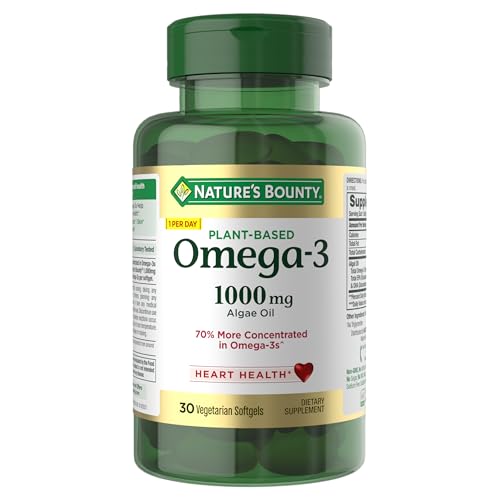
Nature’s Bounty Algae Omega 3 Softgels

Nature’s Bounty Fish Oil 145 Count

Nature’s Bounty Fish Oil 300mg, 120 Count

Nature’s Bounty Fish Oil 1200mg, 200 Softgels

Nature’s Bounty Odorless Coated Fish Oil 1200mg, 90 Count
A Breakdown Of The Leading Choices
A capsule can be small on paper and still feel oversized during a rushed commute. These mini softgels are designed at 35% below standard softgel size, giving you a more compact option for travel, desk drawers, and routines where convenience matters.
The coated formula also addresses fish-oil odor, while each labeled serving provides 1,290 mg of total fish oil and 900 mg of EPA and DHA. Compared with Nature’s Bounty Plant-Based Omega 3 Softgels, this is the compact fish-derived route, and the purification process removes mercury.
What Earns Its Place
- Smaller construction makes the softgels easier to carry and more comfortable for people who dislike large capsules.
- The odor-reducing coating suits anyone who is sensitive to the smell or aftertaste associated with fish oil.
- Mercury-removal purification adds reassurance for shoppers comparing purification methods.
- The formula excludes gluten, lactose, sugar, artificial sweeteners, and artificial colors.
Things To Consider
- Fish-derived ingredients do not suit anyone avoiding animal-based omega-3 sources.
- The bottle size is less prominent than the per-softgel dimensions when planning a travel kit.
Key Specs
Made For
This option fits travelers, commuters, and anyone who prioritizes smaller softgels and odor control over a plant-based source.
A Better Fit Elsewhere
Nature’s Bounty Algae Omega 3 Softgels suit shoppers who want omega-3 without fish-derived ingredients.
Not everyone wants marine oil in a capsule. Nature’s Bounty Algae Omega 3 Softgels replace fish oil with algae oil, offering a plant-based option for vegan households and shoppers who avoid fish products while still seeking EPA and DHA.
Each softgel contains 1,000 mg of algae oil, with 520 mg of omega-3 fatty acids and 510 mg listed for EPA and DHA. The one-softgel format is straightforward, and the manufacturer positions the formula for cardiovascular, skin, and joint support.
Everyday Perks
- Algae oil provides a clear alternative for people who do not want fish-derived ingredients.
- EPA and DHA make this more relevant than a formula based only on generic plant omega-3s.
- A single-softgel format reduces the number of separate capsules to manage.
- The 30-count package is compact for travel and short-term storage.
Practical Considerations
- Fish-derived choices may offer a different omega-3 profile if EPA and DHA concentration is your priority.
- The smaller package may need more frequent replacement than the 120- and 200-count options.
Feature Snapshot
Who Will Love This
This formula particularly suits vegans, vegetarians, and households that prefer a compact plant-based omega-3 option.
Another Choice May Suit
Nature’s Bounty Mini Fish Oil is a stronger fit for people who prefer a smaller coated softgel and are comfortable with fish-derived ingredients.
A larger bottle can be reassuring for a routine you expect to keep. This 145-count option combines 1,000 mg of fish oil with 300 mg of omega-3, creating a middle ground between the compact mini formula and the higher-potency selections in this list.
The softgels contain EPA and DHA, two fatty acids the manufacturer identifies for cardiovascular support, and the fish oil is purified to remove mercury. For someone building a straightforward kitchen cabinet routine, that middle position is easy to understand.
Useful Strengths
- The 145-count supply sits between shorter and larger bottles without reaching the 200-count size.
- EPA and DHA provide a more specific label comparison than total fish oil alone.
- Mercury-removal purification answers a common fish-oil purchasing question.
- The 300 mg omega-3 amount offers a less concentrated option than the 1,200 mg softgels nearby.
Worth Noting
- Fish-derived oil does not fit a plant-based or vegan routine.
- Among the nearby choices, the 120-count bottle takes less space while offering a similar 300 mg label amount.
The Right Fit
This bottle suits shoppers who want a medium-sized supply and a moderate 300 mg omega-3 label amount.
Where A Sibling Pick Shines
Nature’s Bounty Fish Oil 300mg, 120 Count takes less cabinet space for anyone who wants a smaller bottle with a similar omega-3 amount.
Storage space can be the overlooked issue in a supplement cabinet. This 120-count bottle keeps the familiar 1,000 mg fish oil and 300 mg omega-3 label amounts while taking up less room than the 145- and 200-count options.
The softgels are odorless and coated, which helps with the smell and aftertaste some people dislike. That makes them more approachable than an uncoated fish-oil capsule, although the manufacturer notes that heat or sunlight can melt or damage the product during storage.
Notable Gains
- Coating and odor control make the softgels easier to tolerate for smell-sensitive routines.
- The 300 mg omega-3 amount provides a practical middle ground for label comparisons.
- A 120-count package occupies less space than the larger bottles in this list.
Small Caveats
- Keep the bottle away from heat and direct sunlight because the softgels may soften or melt.
- The fish-based source does not suit shoppers seeking an algae-based alternative.
Quick Facts
Built With In Mind
This option fits people who want odor-controlled fish oil, moderate omega-3 content, and a bottle that fits neatly in limited storage space.
Look Elsewhere When
Nature’s Bounty Algae Omega 3 Softgels suit anyone who needs plant-based omega-3 rather than fish-derived oil.
The 200-count bottle prioritizes supply and a higher label amount. Each softgel provides 1,200 mg of fish oil and 360 mg of omega-3 fatty acids, placing it above the 300 mg products but below the most concentrated formula in the list.
EPA and DHA are included for the manufacturer’s stated cardiovascular, cellular, and metabolic support goals. This formula makes sense for a long-running routine where reducing the frequency of bottle replacements matters, assuming the larger softgels feel comfortable to you.
Well-Handled Touches
- The 200-count package supports routines that favor a larger supply.
- At 360 mg of omega-3, it delivers more per softgel than the 300 mg formulas.
- Softgels are straightforward to organize and carry compared with bottles containing separate blister packaging.
- EPA and DHA support a more specific label comparison across the list.
Points To Keep In Mind
- The bottle needs more cabinet space than the 120-count selection.
- Higher per-softgel content does not make it preferable for every routine, particularly when capsule comfort matters more.
Whose Shelf It Belongs On
This option belongs on the shelf of someone who wants a large supply and a moderate step up from 300 mg omega-3 formulas.
Reach For A Different Pick When
Nature’s Bounty Fish Oil 300mg, 120 Count is more suitable when cabinet space and the size of the bottle matter more.
This is the highest-potency option here by label amount, with 1,200 mg of omega-3 and 2,400 mg of fish oil per softgel. That makes it the natural choice for shoppers comparing products by EPA, DHA, and total omega-3 content rather than capsule size.
Unlike the 300 mg options, the formula concentrates more omega-3 into each softgel. It is also coated, purified to remove mercury, and made without shellfish, gluten, sugar, artificial colors, or artificial sweeteners, giving it a broad appeal for shoppers with several formulation preferences.
A Few Strong Suits
- The 1,200 mg omega-3 amount is the highest listed among these six options.
- Coating and odor control improve the experience for smell-sensitive shoppers.
- Mercury-removal purification addresses a major fish-oil sourcing consideration.
- The formula contains no shellfish, gluten, sugar, artificial colors, or artificial sweeteners.
Details To Watch
- The higher concentration is not automatically the better match for shoppers focused on a smaller or milder softgel.
- Check the softgel size and labeled amount before comparing this formula directly with lower-potency products.
Feature Breakdown
Made For
This formula suits experienced supplement users who prioritize high label potency, odor control, and several ingredient exclusions.
Swap It Out When
Nature’s Bounty Mini Fish Oil is a better fit when compactness and a smaller softgel matter more than high omega-3 concentration.
What Matters Before You Choose
Source And Omega-3 Content
Start with the form that suits your routine. Fish-derived oil supplies EPA and DHA, while algae-based options offer those fatty acids without fish ingredients. Compare the label rather than the bottle size, because these products range from 300 mg to 1,200 mg of omega-3 per labeled serving or softgel.
Softgel Format And Routine Fit
Size and odor control influence whether a formula becomes part of your routine. Mini softgels suit people who dislike large capsules, while coated products address fish-oil smell and aftertaste. Higher-potency softgels may reduce the number of separate capsules, but they are not automatically more comfortable.
Formula Preferences
Purification, coatings, and ingredient exclusions narrow the field further. Options in this list are purified to remove mercury, and several omit gluten, sugar, shellfish, artificial colors, or artificial sweeteners. Your own dietary preferences and routine are better guides than simply choosing the largest number on the label.
Shopping Details Worth Checking
Common Shopping Slip Ups
Comparing only the omega-3 headline can hide meaningful differences in source and format. Check whether the product uses fish or algae, whether the softgel is coated, and whether its amount suits the routine you actually plan to maintain.
What Separates Premium From Basic
Higher-priced options may use concentrated omega-3, a plant-based source, or refined odor-control methods. Those features can matter for capsule comfort and ingredient preferences, but a higher amount alone does not make a formula a better fit for every person.
Frequently Asked Questions
Should I choose fish oil or algae-based omega-3?
Choose fish-derived oil when marine ingredients suit you and you want a direct EPA and DHA source. Algae-based omega-3 fits shoppers who prefer a plant-based option or avoid animal-derived ingredients.
What do EPA and DHA do in a supplement?
EPA and DHA are long-chain omega-3 fatty acids commonly found in marine oils. The products here position them to support cardiovascular health, while also listing skin and joint support in the algae-based formula.
Are mini softgels easier to swallow?
Mini softgels are designed to be smaller than standard capsules, which can improve comfort and portability. Nature’s Bounty Mini Fish Oil is stated to be 35% smaller than standard softgels.
Does odorless coating change the omega-3 content?
An odor-reducing coating addresses smell and aftertaste rather than the omega-3 amount. You still need to compare the label because omega-3 content varies considerably across these options.
Should I ask a healthcare professional before using omega-3?
A consultation is sensible before starting a supplement, especially during pregnancy or nursing, alongside medication, or with an existing medical condition. A qualified healthcare professional can help you consider the formula and your individual circumstances.
Closing Verdict
Your most useful choice depends on what you refuse to compromise: smaller softgels, an algae source, moderate potency, a larger supply, or a concentrated formula. Compare the ingredient source, EPA and DHA amount, coating, and bottle size, then select the option that fits the routine you will realistically keep. The best fit is the one your label, preferences, and daily habits all support.
