

A long shift on concrete can leave your feet asking for more support than a standard shoe liner provides. Flat foot insoles can add structure, cushioning, and a steadier heel position, but the right choice depends on your foot shape, shoe type, and how long you remain active. Walkers, runners, and people who spend much of the day standing need slightly different combinations of support and flexibility.
A Snapshot Of The Selections

Aetrex L2200 Men’s Memory Foam Orthotic Insoles for Walking

FitVille Men’s Plantar Fasciitis Insoles for Big & Tall, Wide Feet, 200 lbs+

Merrell Wool Base Insole / Women’s 5US/36EU

PowerStep Pinnacle Maxx Orthotic Insoles for Flat Feet, Angled Heel
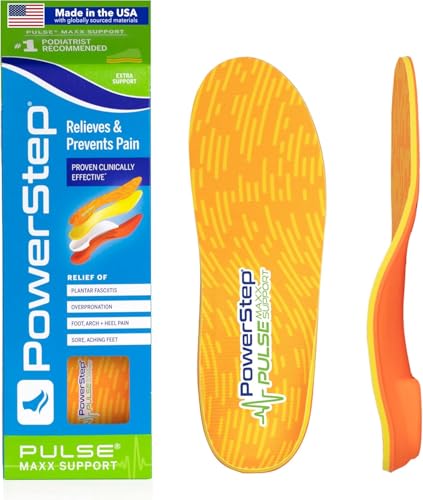
PowerStep Pulse Maxx Running Insoles for Overpronation and Arch Support
PowerStep Pinnacle Low Orthotic Insoles for Flat Feet and Heel Support
The Picks, Examined More Closely
A nurse moving between clinical rooms, a teacher on classroom floors, or a delivery driver covering several miles needs support that remains comfortable through repeated steps. The Aetrex L2200 combines a shaped arch-support foundation with memory foam cushioning, giving daily shoes a more structured center without the rigid feel of a correction-focused insert.
Its Poron heel section adds cushioning at a high-impact area, while the cupped heel helps hold the rear of your foot more steadily. You may find the 0.25-inch profile most useful in roomy sneakers or work shoes, though close-fitting footwear deserves a quick interior-depth check.
What Earns Its Place
- Memory foam molds around the foot for a softer, more personalized feel.
- Shaped arch support suits everyday shoes worn through long standing shifts.
- The Poron heel area adds cushioning where heel impact is repetitive.
- A cupped heel provides more stability than a completely flat insert.
- The 0.25-inch thickness offers a useful balance of support and shoe compatibility.
Points To Note
- The men’s sizing is specific, so compare both shoe size and insole width before ordering.
- The structured arch section may feel more noticeable than the softer FitVille design.
Feature Snapshot
Made For
You benefit most from this model during long workdays, long walks, or extended periods of standing in shoes with a little extra interior room.
Where Another Pick Suits Better
Men with extra-wide feet and a strong preference for a trim-to-fit insert may find the FitVille Men’s Plantar Fasciitis Insoles easier to customize.
Wide shoes and larger feet can make ordinary insoles feel cramped, even when the stated size looks close. The FitVille pair is designed around wide-foot needs, includes low-arch support, and can be trimmed to match different shoes, which gives you more control over the final fit.
Unlike the more distinctly orthopedic Aetrex L2200, this model centers on sponge cushioning and a U-shaped heel cup. That makes it a practical fit for walking shoes, court shoes, hiking footwear, boots, golf shoes, and running shoes, provided the cut size suits the available interior space.
The Upside
- Trim-to-fit construction accommodates shoes with different internal widths.
- The low-arch profile suits feet that may feel uncomfortable on a pronounced raised arch.
- Two pairs provide a practical rotation for multiple shoe types.
- A U-shaped heel cup helps maintain a centered heel position.
Trade Offs
- Trimming must be done carefully to preserve the heel-cup shape.
- The broad size is intended for men’s 13-15, so smaller feet may not receive the intended dimensions.
- Its foam-led cushioning may feel less corrective than the structured PowerStep Pinnacle Maxx.
Quick Facts
Built With In Mind
You benefit most from this model when you wear extra-large shoes, need broad width, or want the freedom to trim an insert to several pairs.
A Better Fit Elsewhere
Runners seeking a more rigid correction device can compare the FitVille pair with the PowerStep Pulse Maxx Running Insoles.
Replacing a worn insole does not always require a thick orthopedic insert. The Merrell Wool Base Insole takes a simpler approach with a wool-based construction, making it most relevant as a straightforward base layer inside a compatible women’s size 5 shoe.
The material gives it a noticeably different feel from the memory foam in the Aetrex L2200 and the rigid shells used by the PowerStep models. You may appreciate that simplicity for casual shoes, while anyone needing pronounced arch correction should look at a more structured option.
Everyday Wins
- Wool construction provides a simple material choice for everyday shoes.
- The low-profile base format may suit shoes where a bulky insert reduces available space.
Small Caveats
- The listed women’s 5US and 36EU sizing is narrow, so check your shoe markings before ordering.
- It does not present the same raised arch profile as the orthopedic choices in this roundup.
The Right Fit
This insole suits you when you wear women’s size 5 footwear and want a pared-back replacement base rather than a pronounced corrective structure.
Another Choice May Suit
Men and women who need visible overpronation correction can look more closely at the PowerStep Pinnacle Low Orthotic Insoles.
Some flat feet need more than a gentle mound beneath the arch, particularly during a long workday or a lot of time on hard surfaces. The PowerStep Pinnacle Maxx uses a firm yet flexible structure and an angled heel to guide the foot toward a more centered position, which is called motion control.
Compared with the softer Aetrex L2200, this model places more emphasis on stability. The design is offered for men and women and made in the USA, but the substantial structure means shoe fit deserves careful attention before you commit.
The Case For It
- The angled heel adds directional support for overpronation, which is the inward rolling of the foot.
- Firm construction may feel more substantial during long periods of standing.
- A flexible component keeps the insert from feeling completely rigid underfoot.
- Men’s and women’s sizing options serve a broad range of shoe sizes.
Where It May Fall Short
- Its structured profile needs more shoe space than a basic foam liner.
- Casual shoes with a shallow footbed may limit the usable size.
Technical Highlights
Who It Suits Best
You benefit most from the Pinnacle Maxx during demanding standing days or walks where pronounced inward rolling calls for a more structured insert.
Look Elsewhere When
People who prefer soft cushioning and a very flexible footbed may find the Aetrex L2200 more comfortable for casual daily wear.
A running shoe needs an insole that can handle repeated landing forces without feeling excessively soft. The PowerStep Pulse Maxx is designed specifically for running shoes and uses a more rigid shell than the brand’s performance line, with an angled heel for added support and alignment.
That running focus distinguishes it from the FitVille pair, which can serve several casual and athletic shoe types. Your foot may notice the firmer construction during the first few runs, so short sessions help you assess comfort without making the entire adjustment in one outing.
What Pays Off
- The rigid shell provides more structure than a soft foam insert.
- An angled heel targets inward rolling during repetitive running movement.
- The design is tailored to the movement and volume of running shoes.
Possible Compromises
- The firm shell may feel restrictive during casual walking compared with the Aetrex L2200.
- Size compatibility with your running shoes needs a close check because the shell adds structure.
Who Will Love This
You benefit most from this model when running is a regular activity and your foot rolls inward during the stride.
Swap It Out When
Your priority may be all-day softness in roomy walking shoes rather than running-specific motion control, making the Aetrex L2200 a more natural fit.
The PowerStep Pinnacle Low takes a middle path between a basic foam liner and a very rigid orthotic insert. Its low, contoured arch support, deep heel cradle, and dual-layer cushioning give flat feet more structure without taking over the whole shoe.
This balance makes it easier to wear across work shoes and walking sneakers than a highly specialized running device. The design is also listed for people carrying 250 pounds or more, though your shoe size, width, and arch comfort remain the deciding factors.
What Works In Its Favor
- The low arch profile supports flatter feet while remaining moderate underfoot.
- A deep heel cradle adds a containing shape around the rear of the foot.
- Dual-layer cushioning combines a supportive layer with a softer comfort layer.
- The design is intended for flat feet and overpronation across daily shoes.
Less Ideal Details
- The contoured support may still feel more structured than the Merrell wool-base option.
- Shoes with a removable thin footbed may not provide enough depth for the full shape.
Core Details
Best Suited To
You benefit most from this model during everyday walking and standing, especially with flat feet and a preference for low-profile support.
Where A Sibling Pick Shines
Runners can compare the Pinnacle Low with the PowerStep Pulse Maxx Running Insoles for a more running-specific shell and motion-control design.
What Matters Before You Commit to an Insert
Match Your Foot Shape
Flat feet can look different from one person to the next, so a diagnosis alone does not identify the right insert. A low arch profile may feel more natural for feet that spread widely, while a firmer raised section may suit an arch that still needs structured support. The relevant terms here are overpronation, meaning inward rolling during movement, and orthotic, which describes an insert designed to add support and control.
Match The Shoe
Your activity sets the baseline. Walking shoes need comfortable support for repeated steps, running shoes benefit from a design made for landing and forward motion, and work shoes may need a roomier insert because of their reinforced construction. Compare the insole’s length, width, and profile with the removable footbed, and remember that trimming changes the fit.
Check The Fit Gradually
Wear a new pair for a short outing before committing to a full workday or run. Pay attention to heel position, pressure across the forefoot, and whether the shoe closes comfortably without compressing your toes. Persistent pain, swelling, or ongoing difficulty walking deserves assessment by an appropriate specialist doctor rather than repeated adjustment of an off-the-shelf insert.
What Separates Basic Insoles From More Structured Models
Mistakes Worth Dodging
The most common error is choosing by the word “orthotic” alone rather than by arch shape and shoe type. Another mistake is ignoring the interior depth of the shoe or expecting one insert to handle walking, running, and dress shoes equally well. Confirm the listed size, remove any existing footbed, and compare the shape before trimming.
What Separates Premium From Basic
A more structured insert may include a firm shell, a deep heel cradle, or an angled heel designed for motion control. That extra construction makes sense for pronounced inward rolling or long standing shifts, while a simple foam layer can be more comfortable for casual wear. The cost is added bulk and a firmer underfoot sensation, so a more complex design is not automatically the right one.
Frequently Asked Questions
How Do Flat Foot Insoles Help?
Flat foot insoles add support beneath the arch and may help keep the foot more centered during standing or walking. The useful degree of correction varies, so comfort and shoe fit matter as much as the label on the box.
Can I Use the Same Insoles in Running Shoes?
Some insoles are designed for general footwear, while others use a firmer shell and angled heel for running motion. The PowerStep Pulse Maxx is built specifically for running shoes, whereas the Aetrex L2200 is intended for broader everyday use.
How Do I Determine the Correct Size?
Match the insole size to the shoe marking and compare its width with the removable footbed. Men with extra-wide feet should also check the listed size range before trimming the FitVille inserts.
Do Flat Feet Always Require Insoles?
No, some people manage daily activities comfortably without added arch support. An insert is most useful when your shoes leave you feeling unsupported or uncomfortable during prolonged standing, walking, or running.
When Should I Seek Medical Advice?
Seek advice from an appropriate specialist doctor when foot discomfort continues, worsens, or begins to affect your walking and daily activities. A support insert may be useful, but persistent symptoms deserve a more complete evaluation.
Final Verdict
The Aetrex L2200 offers the gentlest balance of cushioning and everyday support, while the FitVille pair gives wide feet more room to customize. For firmer correction, the PowerStep Pinnacle Maxx and Pinnacle Low suit daily use, whereas the Pulse Maxx focuses on running. Match the insert to your arch, shoes, and routine, then give it time to feel natural.
