

You may add a scoop of Terrasoul Organic Golden Flax to your morning smoothie for a nutty lift that stays fresh longer. You’ll find choices that balance taste, price and nutrient retention, so picking the right one matters more than you’d suppose. I’ll walk you through top picks and what to look for, so you can match a flax option to how you eat and cook – and avoid common buying mistakes.
| Terrasoul Organic Golden Flax Seeds (2 lb) |

| Best for Freshness | Form: Whole seeds (golden) | Weight / Package Size: 2 lb (32 oz) | Source of Omega‑3: ALA (omega‑3) source | VIEW LATEST PRICE | Read Our Analysis |
| 365 by Whole Foods Market Organic Flaxseed Ground 14 OZ |

| Best Everyday Value | Form: Ground (meal) | Weight / Package Size: 14 oz | Source of Omega‑3: ALA (omega‑3) source | VIEW LATEST PRICE | Read Our Analysis |
| Badia Ground Chia Seeds 16 oz Superfood |

| Best Absorption Boost | Form: Ground (powder) | Weight / Package Size: 16 oz | Source of Omega‑3: ALA (omega‑3) source | VIEW LATEST PRICE | Read Our Analysis |
| Bob’s Red Mill Organic Flaxseed Meal (16 oz) |
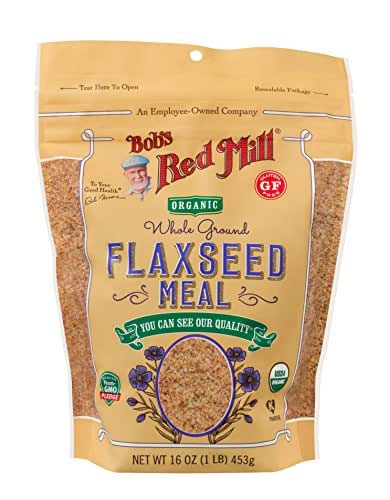
| Best for Baking | Form: Ground (meal) | Weight / Package Size: 16 oz | Source of Omega‑3: ALA (omega‑3) source (2,430 mg per 2 Tbsp) | VIEW LATEST PRICE | Read Our Analysis |
| Bobs Red Mill Flaxseed Meal 32 oz |

| Best Bulk Buy | Form: Ground (meal) | Weight / Package Size: 32 oz | Source of Omega‑3: ALA (omega‑3) source (1,700 mg per serving) | VIEW LATEST PRICE | Read Our Analysis |
More Details on Our Top Picks
Terrasoul Organic Golden Flax Seeds (2 lb)
Should you want a reliable, organic source of fiber, protein, and omega-3s, choose Terrasoul Organic Golden Flax Seeds (2 lb). You’ll get USDA Certified Organic, Earth Kosher, Non-GMO seeds that are raw, gluten-free, and vegan. They’re a convenient pantry staple whenever you need fiber, plant protein, and alpha-linolenic acid for heart-healthy meals. Terrasoul is a small family-run business that sources superfoods globally, emphasizing freshness and quality. Their mission makes healthy foods accessible while paying fair wages to growers and employees. Use them ground in smoothies, oatmeal, or baking to enhance nutrition simply and reliably.
- Form:Whole seeds (golden)
- Weight / Package Size:2 lb (32 oz)
- Source of Omega‑3:ALA (omega‑3) source
- Dietary Fiber:Source of fiber
- Uses / Culinary Applications:Add to smoothies, oatmeal, baking, general use
- Diet / Allergen Attributes:USDA Organic, Non‑GMO, gluten‑free, vegan, raw, kosher
- Additional Feature:Small family-run sourcing
- Additional Feature:Emphasis on freshness
- Additional Feature:Earth Kosher certified
365 by Whole Foods Market Organic Flaxseed Ground 14 OZ
Should you want a budget-friendly, organic ground flaxseed you can sprinkle daily, 365 from Whole Foods Market Organic Flaxseed Ground (14 oz) delivers a convenient source of ALA omega-3s and extra fiber in a resealable bag. You’ll toss it on oatmeal, yogurt or cereal, stir it into soups, salads and pasta, or use it as an egg, butter or oil substitute in baking. A couple tablespoons increases fiber and supplies ALA plus linoleic acid. The 14-ounce package fits pantry use and ships to California customers. As part of the 365 line, it balances quality ingredients with value.
- Form:Ground (meal)
- Weight / Package Size:14 oz
- Source of Omega‑3:ALA (omega‑3) source
- Dietary Fiber:Increases dietary fiber (when added)
- Uses / Culinary Applications:Topping for oatmeal/yogurt, mix into soups/salads/pastas, egg substitute in baking
- Diet / Allergen Attributes:Organic, (implied non‑GMO/whole‑food brand positioning), suitable for adding fiber/omega‑3
- Additional Feature:Shipping to California
- Additional Feature:Brand value-focused range
- Additional Feature:Versatile egg substitute
Badia Ground Chia Seeds 16 oz Superfood
In case you want a convenient way to improve fiber, plant protein, and omega-3s in your meals, Badia Ground Chia Seeds 16 oz is a smart choice for home cooks and vegan bakers. You’ll appreciate this family-owned Badia Spices offering, finely ground to increase absorption compared with whole seeds. Stir it into smoothies, oatmeal, or yogurt, use it to thicken drinks or make chia pudding, and substitute it for eggs in vegan baking. Add it to muffins, pancakes, or bread for texture and nutrition. Regular use supports heart health and digestion while providing plant-based protein and omega-3s.
- Form:Ground (powder)
- Weight / Package Size:16 oz
- Source of Omega‑3:ALA (omega‑3) source
- Dietary Fiber:High in fiber
- Uses / Culinary Applications:Mix into smoothies/oatmeal/yogurt, chia pudding, baking egg substitute
- Diet / Allergen Attributes:Plant‑based, vegan‑friendly (chia), family‑owned brand
- Additional Feature:Finely ground powder
- Additional Feature:Improved nutrient absorption
- Additional Feature:Family-owned company
Bob’s Red Mill Organic Flaxseed Meal (16 oz)
Should you want a reliably mild, nutrient-dense flaxseed option for daily use, Bob’s Red Mill Organic Flaxseed Meal (16 oz) is ideal for home bakers and smoothie makers looking for organic, non‑GMO, and gluten‑free ingredients. You get a single-ingredient, cold-milled brown flaxseed meal processed slowly to protect oils and nutrients. Two tablespoons deliver about 2,430 mg ALA and three grams fiber, supporting omega-3 intake and digestion. Use it in hot cereal, yogurt, smoothies, or bake with it-swap up to 25% of flour in pancakes, muffins, or cookies. Its fine, mild, nutty texture blends easily and suits vegan, paleo, and keto diets.
- Form:Ground (meal)
- Weight / Package Size:16 oz
- Source of Omega‑3:ALA (omega‑3) source (2,430 mg per 2 Tbsp)
- Dietary Fiber:3 g fiber per serving
- Uses / Culinary Applications:Add to cereal, yogurt, smoothies, replace up to 25% flour in baking
- Diet / Allergen Attributes:Organic, Non‑GMO Project Verified, gluten‑free, vegan, kosher, paleo/keto friendly
- Additional Feature:Slow, cool milling
- Additional Feature:QAI organic certified
- Additional Feature:Non-GMO Project verified
Bobs Red Mill Flaxseed Meal 32 oz
In case you want a reliable, everyday source of plant-based omega‑3s and fiber, Bob’s Red Mill Flaxseed Meal, 32 oz is an excellent pick-especially for home cooks and vegans who frequently swap eggs or boost smoothies. You’ll get about 1,700 mg ALA and 3 g fiber per serving, plus some protein, from cold‑milled, non‑GMO flaxseeds that retain oils and nutrients. It’s gluten free with a mild, nutty flavor that won’t overpower recipes. Blend it into smoothies, oatmeal, yogurt, pancake batter, or sprinkle on cereal and ice cream. Use it as an egg replacer for reliable pantry nutrition.
- Form:Ground (meal)
- Weight / Package Size:32 oz
- Source of Omega‑3:ALA (omega‑3) source (1,700 mg per serving)
- Dietary Fiber:3 g fiber per serving
- Uses / Culinary Applications:Blend into smoothies, oatmeal, yogurt, sprinkle on cereal, use as egg replacer
- Diet / Allergen Attributes:Non‑GMO, gluten‑free, plant‑based (vegan friendly)
- Additional Feature:Larger 32 oz size
- Additional Feature:100% employee owned
- Additional Feature:Cold milled processing
Factors to Consider When Choosing Flax Seeds
Whenever choosing flax seeds, you’ll want to weigh whether ground or whole fits your cooking and digestion needs and check for organic, non‑GMO certification. Compare omega‑3, fiber, and protein amounts on the label to match your nutrition goals, and look for recent milling or freshness dates to guarantee potency. These quick checks will help you pick a product that’s both effective and safe.
Seed Type: Ground vs. Whole
Often people consider whether to buy ground or whole flaxseed, and the right choice depends on how you’ll use it and how quickly you want its nutrients. Ground flaxseed is more bioavailable because grinding breaks the hard shell, so you’ll absorb more ALA, fiber, and lignans. It blends into smoothies, batters, and liquids and works as an egg substitute (1 tbsp ground + 3 tbsp water ≈ 1 egg). Whole seeds are handy for sprinkling and last longer on the shelf, but they can pass through digestion largely intact unless you chew them or grind them initially. Keep ground flax refrigerated or frozen and use it within weeks to avoid rancidity; grind whole seeds just before use for best nutrition.
Organic And Non‑GMO
Speculating whether organic or non‑GMO matters for flaxseed? You’ll find those labels matter for reasons beyond marketing. Choosing organic flax means it was grown without synthetic pesticides, herbicides, or certain fertilizers, lowering residue risk and supporting soil‑friendly practices. Non‑GMO certification tells you the seed isn’t derived from genetically modified organisms, which many buyers prefer for environmental or transparency reasons. Look for third‑party seals-USDA Organic, Non‑GMO Project-on packaging rather than trusting vague claims. Organic standards often restrict processing aids that could affect nutrient integrity and require sustainable farming steps, so they can signal higher overall product quality and traceability. They don’t promise better omega‑3 levels, but they do provide more assurance about farming and handling.
Omega‑3 Content Levels
Check the omega-3 numbers on the label and how the seed’s been processed, because flax is valued mainly for its ALA content and those details determine how much your body actually absorbs. Aim for ground or milled flaxseed: crushing releases ALA that whole seeds often pass without you absorbing it. A typical 1–2 tablespoon serving of ground flax supplies roughly 1,600–2,400 mg ALA, though variety and processing cause variation. Prefer cold‑milled or low‑heat methods to preserve delicate omega‑3s; avoid products exposed to high heat or long storage that can degrade ALA. Finally, recall your overall dietary fat balance: a high omega‑6 intake can hinder ALA’s conversion to EPA/DHA, so factor total omega‑6/omega‑3 ratios into your choice.
Fiber And Protein Amounts
Alongside omega‑3 content, look at flax’s fiber and protein because those nutrients shape how it fits into meals and your daily targets. A typical 1–2 tablespoon (7–14 g) serving of ground flaxseed supplies about 1.5–3 g of protein and roughly 2–4 g of dietary fiber, including both soluble and insoluble types that support digestion and satiety. Those amounts scale with portion size, so doubling from one to two tablespoons roughly doubles both protein and fiber. Should you be enhancing daily fiber, 1–2 tablespoons can meaningfully contribute toward the 25–38 g/day guideline while also nudging your protein intake. Choose ground flaxseed so those nutrients are more accessible and digestible than with whole seeds.
Milling And Freshness Date
Because flax oil goes rancid quickly, pay close attention to whether you’re buying whole seeds or pre‑ground flaxmeal and to the product’s milling or “packaged on” date so you get fresh, flavorful ALA. Suppose you choose whole seeds, they’ll stay shelf‑stable longer but you’ll need to grind them before eating to release omega‑3s. Pre‑ground flaxmeal gives immediate bioavailability but oxidizes faster, so prefer a recent milling date-ideally within a few months. Look for cold‑milling or low‑heat processing claims to preserve delicate oils. Before using ground flax, sniff a small amount; a bitter or off aroma means oxidation and lost nutrients, so discard it. For ground flax, refrigerate or freeze in an airtight, opaque container to slow rancidity.
Packaging And Storage Method
Upon choosing flaxseed, consider about how packaging and storage will affect freshness and nutrition: whole seeds last much longer at room temperature, while ground flax gives you ready-to-use ALA but needs airtight, opaque storage and refrigeration or freezing to prevent rapid oxidation. Choose airtight, opaque containers or resealable bags to limit oxygen and light; buy amounts you can use within shelf life to avoid repeated exposure. Whole seeds keep 6–12 months at room temperature; ground flax lasts 2–3 months unrefrigerated. Refrigerate ground flax for about 3–4 months or freeze it for 6–12 months. Always sniff before use – a sharp, paint-like or bitter odor means rancidity; discard rancid flax since oxidized oils lose nutrition and taste.
Culinary Versatility Uses
Consider about how you plan to use flaxseed in the kitchen, because form and prep affect both nutrition and texture: ground flax blends into smoothies, oatmeal, yogurt, and batters (1–2 tbsp per serving) for a mild nutty lift, while whole seeds add crunch but need grinding for your body to access omega‑3s and other nutrients. Use ground flax to replace up to about 25% of flour in baked goods or as an egg substitute (1 tbsp ground flax + 3 tbsp water = one egg) to add moisture and binding. Recall flax gels whenever hydrated-pause 5–15 minutes for puddings, sauces, or smoothie stabilization. Two tablespoons daily is a practical serving to enhance fiber and ALA without altering flavor.
Dietary Restrictions Compatibility
After you decide how to use flax in recipes, check whether it fits your dietary needs and any medical concerns. Ground flaxseed is naturally gluten-free, so it’s usually safe for celiac disease or gluten sensitivity, but always read labels for cross-contamination warnings in case you’re severely allergic. It’s plant-based and vegan-friendly, offering ALA omega-3s, fiber, and protein as animal-free options. Introduce flax gradually when you have IBS or are prone to bowel obstruction, since its fiber can have a mild laxative effect, and consult your clinician should digestion worsen. Note flax’s lignans are phytoestrogens; discuss them with your provider when you’re on hormone-sensitive treatments. Also check interactions-flax can affect absorption of some oral drugs and could raise bleeding risk with anticoagulants.
