

A summer trip can expose the rough heels you usually keep hidden in comfortable shoes. A foot file helps you manage thickened skin and dry buildup at home, but the right surface makes the difference between a controlled exfoliation session and unnecessary harshness. These eight options cover ceramic, metal, glass, and multi-piece sets for everything from light heel care to more persistent calluses.
The Leading Options At A Glance

Earth Therapeutics Big Ceramic Foot File

Microplane Colossal Stainless Steel Foot File Scraper

Fu Store 2-Pack Dual-Sided Foot File

Pedi-wise Extra Large Double-Sided Pumice Foot File for Heels
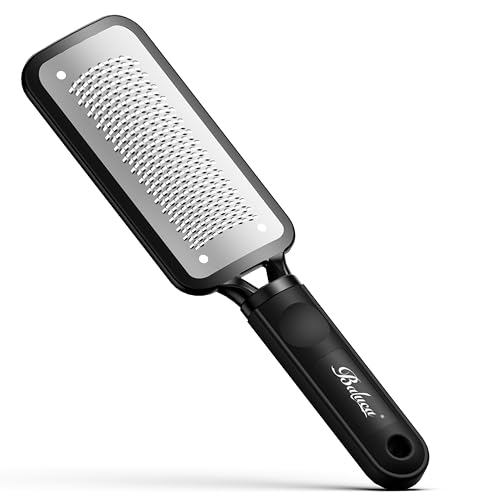
BALUCA Professional Stainless Steel Foot File and Metal Scrubber, Black

sprsum Nano Glass Foot File with Ergonomic Non-Slip Handle, Blue
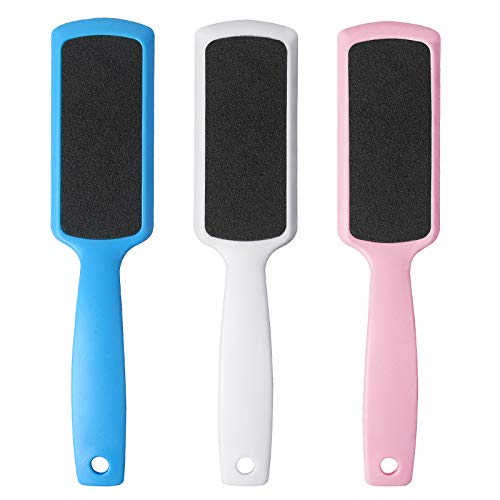
Fu Store Double-Sided Foot File 3-Pack

Fu Store Pedicure Foot File, 3-Pack
The Picks, Examined More Closely
Hard skin around the heels can make open-toed shoes feel uncomfortable, especially after a long day walking. This ceramic foot file gives you two textured surfaces for dividing the job: a coarser area for stubborn buildup and a finer side for rough patches that need a lighter touch. You can move from the stronger surface to the gentler one without changing tools.
For someone building a simple home-care routine, the appeal is its straightforward design. The coarse texture, meaning the rougher filing surface, works on callused areas, while the finer ceramic texture helps finish the skin. Compared with the sharper-feeling metal options later in this list, it offers a more gradual choice for sensitive heels, although consistent light pressure remains important.
The Value In It
- Two texture levels support a staged heel-care routine.
- Ceramic construction avoids the appearance of a traditional abrasive rasp.
- The larger coarse surface targets concentrated areas of thickened skin.
- A finer side helps smooth smaller rough patches after the first pass.
Practical Considerations
- You need separate passes to move from coarse to fine abrasion.
- Ceramic surfaces require a light touch to avoid over-filing tender areas.
Feature Snapshot
Made For
You benefit most from this option when your heel care involves both persistent buildup and smaller rough areas you want to soften gradually.
Consider Something Else When
Fu Store 2-Pack Dual-Sided Foot File suits you better when keeping separate files for travel or two bathrooms matters more than the ceramic texture.
Persistent heel buildup calls for a filing surface with more bite than a gentle ceramic side. The Microplane Colossal uses a 5.25-by-2.25-inch stainless-steel panel covered with more than 400 tiny, bi-directional teeth, meaning the cutting texture works in both directions. That broad working area makes it practical for the sides of the heel as well as the center.
You can use it dry or after soaking the feet, so the routine can follow your schedule. Unlike Earth Therapeutics Big Ceramic Foot File, this option favors efficient removal over graduated surfaces. The honest read is that it suits a person comfortable working slowly with a firm metal rasp rather than someone seeking the gentlest possible pass.
Key Advantages
- The large filing surface reduces the need for many narrow strokes.
- Bi-directional teeth make forward and backward passes equally useful.
- Stainless steel suits routine work on thicker callused areas.
- Dry or post-soak use gives you flexibility in your routine.
- Its compact design remains practical for home bathroom storage.
Points To Note
- The metal surface offers less tactile gentleness than the ceramic option.
- You should avoid scraping deeply into soft skin near the edges of calluses.
Technical Sheet
Right Fit For
You will appreciate this scraper most when your heels have concentrated, persistent buildup and you prefer a fast, metal working surface.
Another Choice May Suit
BALUCA Professional Stainless Steel Foot File and Metal Scrubber, Black is a closer fit when a black metal tool fits your bathroom setup better.
A dedicated foot file for the bathroom is useful, but a second one can be easier to pack. This Fu Store set includes two small dual-sided files, giving you separate tools for different rooms or for keeping one in a travel bag. Each rasp combines stainless steel with plastic, so it stays light while you work across dry, hard, or cracked areas.
The two-piece format offers more practical flexibility than a single-file purchase, though it does not provide the large filing area of the Microplane Colossal Stainless Steel Foot File Scraper. Remove the blue protective film from the smaller rasp before using it, since the film can keep the abrasive surface from working as intended.
A Few Strong Suits
- Two files make shared-bathroom or travel storage easier.
- Each piece has two filing surfaces for different levels of abrasion.
- The stainless-steel and plastic construction stays lightweight in your hand.
Where It May Fall Short
- The small rasps require more repeated strokes than a broad foot-file panel.
- The blue protective film must be removed before use.
- Two separate pieces need somewhere to dry and store.
Who Should Grab It
This set fits you well when you want two portable files or need to keep personal-care tools separate.
Look Elsewhere When
Earth Therapeutics Big Ceramic Foot File suits you better when you prefer two texture levels on one larger ceramic tool.
Pumice is familiar because it feels gentle but has enough texture to work on hardened heels. The Pedi-wise option uses an extra-large, double-sided pumice format, giving you a broad surface for dry skin and a second side for a different level of abrasion. The practitioner-inspired design gives it a practical home-pedicure angle without requiring salon equipment.
You will find this most useful for heels that become rough between pedicure appointments. Compared with the steel texture of the Microplane Colossal Stainless Steel Foot File Scraper, pumice offers a softer-feeling abrasive, yet you still need steady strokes to remove substantial buildup. Keep the product dry between uses and give it a place where it can air out.
Notable Upsides
- The extra-large surface covers heel areas in fewer passes.
- Two sides let you adjust the level of abrasion.
- Pumice gives you a familiar alternative to sharp-feeling metal.
- The broad format suits regular heel maintenance at home.
Small Caveats
- Pumice can wear down with repeated use on heavy buildup.
- You need a dry storage area to prevent residual moisture from affecting the stone.
Feature Facts
Built With In Mind
This foot file fits a home pedicure routine focused on dry heels and regular maintenance between professional appointments.
A Better Fit Elsewhere
Microplane Colossal Stainless Steel Foot File Scraper suits you better when concentrated calluses call for a larger, more rigid filing panel.
A black metal scrubber can look more at home beside other grooming tools, while the stainless-steel surface gives you a firm working edge. The BALUCA tool is designed for hard skin and thicker calluses, making it a practical choice for heels that need more attention than a pumice stone usually provides. You can focus on localized areas without working across a large portion of the foot.
That stronger construction is the main difference from the Pedi-wise Extra Large Double-Sided Pumice Foot File for Heels. You may need more care around sensitive skin because the metal surface can feel more intense, particularly on thin or painful areas. Short, controlled passes work better than trying to remove everything in one aggressive session.
The Upside
- Stainless steel provides a rigid surface for concentrated calluses.
- The metal construction suits tougher heel buildup.
- The black finish coordinates with many bathroom tool collections.
Factors To Consider
- Metal feels less gentle than ceramic or pumice.
- Localized filing calls for careful control near softer skin.
- The single-tool format does not include a second file for separate storage.
The Right Fit
You will find this tool most useful when your heel routine focuses on stubborn, localized areas rather than broad gentle exfoliation.
Reach For A Different Pick When
Fu Store Double-Sided Foot File 3-Pack suits you better when having three separate files matters more than using a heavy-duty metal tool.
Handling matters during foot care, especially on a tiled bathroom floor or when your hands are wet. The sprsum tool combines a nano-glass filing panel with an ergonomic, non-slip handle, giving you a secure place to control each stroke. Its blue finish also makes it easy to distinguish from metal rasps and pumice stones in a crowded drawer.
The glass panel is intended to reduce rough skin through fine abrasion rather than behave like a coarse steel rasp. Compared with BALUCA Professional Stainless Steel Foot File and Metal Scrubber, Black, this option places more emphasis on grip and a smoother finishing surface. For more persistent calluses, you may still prefer the stronger bite of metal.
Strengths Worth Knowing
- The non-slip handle supports steadier strokes on wet feet.
- Nano glass provides a fine filing surface for rough skin.
- The contoured grip keeps the filing panel angled in your hand.
- The blue finish makes the tool easy to identify.
Softer Spots
- The glass panel may offer less bite on very thick calluses.
- Only one foot file is included in the package.
Quick Facts
Best Suited To
This design suits you well when secure handling and controlled finishing matter more than aggressive callus removal.
Skip It When
Microplane Colossal Stainless Steel Foot File Scraper suits you better when a large metal panel is needed for concentrated heel buildup.
Three color-coded files solve a small but persistent bathroom problem: keeping personal-care tools from disappearing into a shared drawer. This Fu Store set includes blue, white, and pink dual-sided rasps for working on dry, hard, or cracked heel skin. You can assign one to each household member or keep different colors in separate storage locations.
The waterproof, washable construction makes the files easier to rinse after use, while their lightweight plastic-and-stainless-steel design stays comfortable during short sessions. Compared with Fu Store 2-Pack Dual-Sided Foot File, the three-piece arrangement offers more placement options without changing the basic rasp format. The smaller surface still calls for more strokes than a broad foot-file panel.
Points In Its Favor
- Three colors make shared storage easy to organize.
- Each file has two sides for different abrasion levels.
- The waterproof construction supports rinsing after use.
- The files are washable and reusable for regular routines.
- The lightweight design is easy to handle during short sessions.
Worth Bearing In Mind
- Three files take up more drawer space than a single model.
- The compact rasp surface requires repeated strokes.
Core Details
Who Will Love This
This set fits people sharing a bathroom who want identifiable, washable files for separate routines.
Where A Sibling Pick Shines
Fu Store 2-Pack Dual-Sided Foot File suits you better when two files meet your storage needs and three add unnecessary clutter.
Color coding becomes useful when everyone in a household handles foot care. This Fu Store Pedicure Foot File set includes blue, white, and pink dual-sided rasps, giving each person an easy tool to recognize. They also work for keeping separate files beside different showers, in a guest bathroom, or inside separate travel bags.
The two-sided format gives you a coarser and a finer filing texture, while the compact rasps remain practical for targeted heel work. This selection closely resembles Fu Store Double-Sided Foot File 3-Pack, so your decision comes down to listing details and availability rather than a major design difference. You may prefer this version when the blue, white, and pink assortment matches your shared-space plan.
What Stands Out
- Three distinct colors help prevent mix-ups in a shared bathroom.
- Dual-sided surfaces support different filing needs.
Possible Compromises
- The compact rasps need more strokes than a large metal panel.
- Three individual files require separate storage or drying space.
Whose Shelf It Belongs On
This set belongs on the shelf of a shared household that values color-coded, separate personal-care tools.
Swap It Out When
Earth Therapeutics Big Ceramic Foot File suits you better when you prefer one handheld tool with coarse and fine ceramic surfaces.
What Matters Most in a Foot File
Surface Material Changes the Feel
Ceramic provides a textured but relatively smooth abrasive, while stainless steel feels more direct and forceful. Pumice offers a familiar stone texture, and glass uses a finer filing surface. Choose the material according to your tolerance for pressure and the type of buildup you usually manage.
Two Surfaces Create Useful Control
A dual-sided file lets you change abrasion levels without reaching for another tool. The coarse side handles thicker areas, while the fine side finishes rough patches. A single-surface model may be simpler, but it gives you less control over the final pass.
Size and Grip Affect the Routine
A broad panel covers more heel area per stroke, which helps with extensive buildup. A compact rasp offers finer control and easier storage. Your grip matters too, since wet hands and smooth bathroom surfaces can make a narrow handle less comfortable.
Consider Storage and Cleaning
Metal and glass surfaces can usually be rinsed and dried, while porous pumice needs more attention to moisture. Multi-file sets simplify shared bathrooms, although they require more space. Match the package quantity to your household and travel habits rather than buying extra files you will leave unused.
Two Details That Change the Choice
Mistakes Worth Dodging
Choosing the strongest available surface can lead to over-filing tender skin. Work gently, focus on thickened areas, and stop before reaching soft skin. Also check whether a pumice stone or other porous surface fits your drying and storage routine.
What Separates Premium From Basic
A higher-level tool may offer a larger working area, a more secure handle, or a carefully graded filing surface. Those features matter most for persistent calluses or limited grip. Basic dual-sided rasps remain sensible for light maintenance and shared-bathroom use.
Frequently Asked Questions
Should I use a foot file on dry or softened feet?
You can file dry skin or work on feet after soaking, depending on the product and your comfort. Soaking can soften the surface, while dry filing gives you more control over pressure. Use light strokes and stop at the first sign of discomfort.
How often should I use a foot file?
Use it only as often as your heel buildup requires, rather than on a fixed daily schedule. Most people need it periodically rather than repeatedly. Excessive filing can leave tender skin, and painful or cracked heels deserve attention from a qualified specialist.
Is a ceramic, metal, glass, or pumice foot file best?
Ceramic and glass tend to feel more gradual, while stainless steel offers a stronger filing action. Pumice provides a familiar middle-ground texture for routine heel care. Your comfort level and the thickness of the buildup matter more than the material alone.
Can I use a foot file on my hands?
Some dual-sided files are marketed broadly for foot, hand, and nail care, but you should use the tool only where the manufacturer intends it. Avoid sharing a foot file across areas with broken skin. Cleaning it between uses helps keep your routine hygienic.
Can filing fix cracked heels?
Filing can reduce the rough buildup surrounding a crack, but it does not repair deep cracks by itself. Moisturize the surrounding skin and avoid filing the crack itself. Seek advice from a qualified healthcare professional when cracks are painful, bleeding, or not healing.
Final Verdict
A ceramic foot file offers a gentler, graduated approach, while a large stainless-steel panel suits stubborn heel buildup. Glass emphasizes grip and controlled finishing, and multi-file sets work well for shared bathrooms or travel. Match the surface, size, and package quantity to your routine, then use short, careful passes rather than trying to remove every rough patch at once.
