

The first steps after a long shift can feel anything but easy when your heels protest shoes, stairs, or tile floors. You need support that matches your arch, fits your footwear, and remains comfortable through a commute, a workday, or a walk. These six options cover different needs, including broad arch choices, firmer support, forefoot relief, and high-arch designs. Persistent heel discomfort deserves assessment by an appropriate specialist doctor rather than relying on an insert alone.
A Snapshot Of The Selections

TECRUN Plantar Fasciitis Insole

MUNA Plantar Fasciitis Insoles

Runviara Relief Arch Insoles
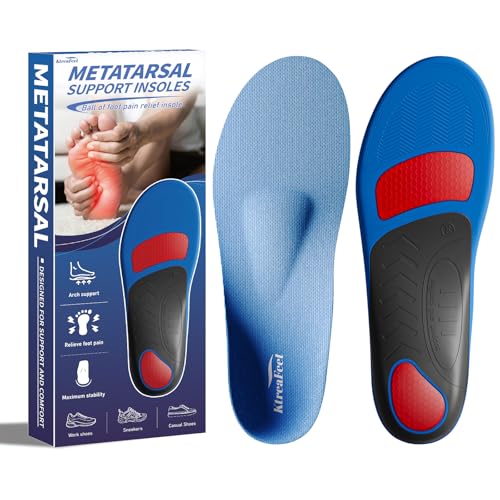
KtreaFeet Metatarsal Pad Insoles
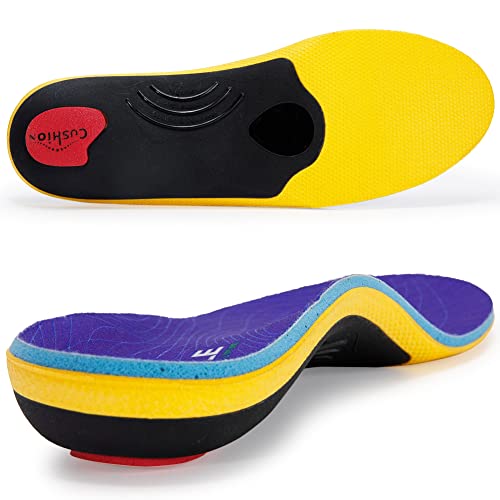
VALSOLE Heavy Duty 220+ lbs Plantar Fasciitis High Arch Insoles

EIRMAT High Arch Insoles M
A Breakdown Of The Leading Choices
A roomy toe box does not guarantee that a shoe will feel supportive, and the TECRUN Plantar Fasciitis Insole addresses that gap with four arch heights and 10 size choices. Its slim forefoot may suit sneakers, loafers, dress shoes, and work boots where a bulky insert changes the fit, depending on your shoe volume.
For people who divide their day between standing, walking, and travel, the mix of sweat-wicking fabric, honeycomb cushioning, and high-density PU foam gives this model a more flexible approach than the semi-rigid structure offered by MUNA. The honest read is that TECRUN makes the most sense when your arch type and shoe fit remain uncertain.
The Upside
- Four arch heights offer a more specific starting point than a one-shape insert.
- Ten sizes can reduce the need to cut a nearly suitable insert.
- The slim forefoot leaves more room across the toes.
- Layered cushioning suits long shifts, walks, travel, and casual exercise.
- A broad shoe range makes it practical for several parts of your wardrobe.
Practical Considerations
- Arch height and size still need to match your feet and the internal dimensions of your shoes.
- Compared with the MUNA Plantar Fasciitis Insoles, the TECRUN model offers broader cushioning rather than one semi-rigid arch shell.
At A Glance
Made For
You need one adaptable insert for office shoes, walking sneakers, and work boots, particularly when your arch profile is still unclear.
Where Another Pick Suits Better
The MUNA Plantar Fasciitis Insoles suit you better when firmer, more targeted arch support takes priority over selectable profiles and broad cushioning.
The MUNA Plantar Fasciitis Insoles take a more focused approach than the TECRUN model, using a semi-rigid arch shell to limit how far the arch flattens. The plantar fascia is the band of tissue supporting the arch, and this design concentrates its structure around that area rather than relying mainly on general-purpose cushioning.
That approach may appeal to you after generic inserts have felt too soft during long days. A stabilizing heel cup adds structure, while the built sizing avoids trimming; however, the firmer feel will not suit every shoe or every foot, especially during the first several wears.
Useful Highlights
- The semi-rigid shell offers more targeted support than a soft foam insert.
- A heel cup helps keep the foot more securely positioned.
- Built sizing preserves the insert’s shape without cutting.
- The design suits boots, running shoes, and sneakers.
Worth Noting
- Its purposeful structure may feel more noticeable than the cushioning-led TECRUN Plantar Fasciitis Insole.
- Check the shoe’s internal depth before ordering, since a rigid insert takes more room than a thin foam liner.
Who Will Love This
You value focused arch support for heel discomfort and want an insert that maintains a defined shape inside supportive footwear.
Consider Something Else When
The TECRUN Plantar Fasciitis Insole is a better fit when you need several arch choices, lighter cushioning, or a slimmer profile in close-fitting shoes.
For a warehouse, hospital, kitchen, or retail shift, a single insert has to handle many hours of standing without feeling like a thin piece of foam. The Runviara Relief Arch Insoles use a firm carbon fiber composite arch, which means the support structure is stiffer than the flexible foam found in the MUNA Plantar Fasciitis Insoles.
Dual PORON cushioning adds softer material at the heel and forefoot, a combination intended to absorb impact while the deeper structure handles support. The trim-to-fit edge adds some flexibility for boots and walking shoes, though first-time wearers should expect a period of adjustment as the arch becomes accustomed to the firmer contour.
Points In Its Favor
- The carbon composite structure suits heavier users and demanding shifts.
- Separate heel and forefoot cushions soften two major pressure areas.
- A deep heel cup helps stabilize each step.
- Anti-slip fabric helps keep the insert in place.
- Trimming allows some adjustment within the shoe.
Some Limits To Know
- Initial arch pressure can make the first few wears feel unfamiliar.
- The design is specifically positioned for users over 230 pounds, so lighter feet may prefer a less forceful structure.
Feature Breakdown
Built With In Mind
You spend long hours on your feet, weigh more than 230 pounds, or need a firm structure that can handle frequent work and walking.
A Better Fit Elsewhere
The VALSOLE Heavy Duty 220+ lbs Plantar Fasciitis High Arch Insoles suit you better when high arches and flat feet are your primary considerations.
Pressure beneath the ball of the foot calls for a different design from broad heel support. The KtreaFeet Metatarsal Pad Insoles place a built-in metatarsal pad in the forefoot, adding a raised cushion where tight or narrow shoes often concentrate pressure.
Unlike the TECRUN Plantar Fasciitis Insole, which focuses on arch profiles, this design pairs its forefoot pad with supportive arch structure. It may be the more sensible option for standing on hard surfaces when the forefoot feels more uncomfortable than the heel, provided the available size closely matches your foot.
What Stands Out
- The built-in metatarsal pad adds targeted cushion beneath the ball of the foot.
- Arch support makes it more than a simple forefoot pad.
Points To Keep In Mind
- The primary support area is the forefoot, making it less targeted toward heel-centered plantar fascia discomfort.
- Two listed lengths cover different combinations of men’s and women’s sizes, so compare them with your own shoes.
- The raised pad may alter the fit in a narrow dress shoe or tight sneaker.
Core Details
The Right Fit
Your main concern is pressure across the ball of your foot while wearing work shoes, walking shoes, or roomy sneakers.
Look Elsewhere When
The TECRUN Plantar Fasciitis Insole suits you better when heel and arch support across varied shoe types matter more than forefoot cushioning.
High arches, flat feet, and a demanding work schedule narrow the field quickly. The VALSOLE Heavy Duty 220+ lbs Plantar Fasciitis High Arch Insoles are positioned for heavier users who want a pronounced arch profile rather than the moderate structure offered by the Runviara Relief Arch Insoles.
The work-boot focus is practical for tradespeople, warehouse staff, and anyone who spends hours in substantial footwear. Shock absorption is built into the design, but its more prominent arch and heel support may require adjustment, so your shoes need enough internal depth to accommodate the profile comfortably.
A Strong Showing
- The heavy-duty profile is designed with users over 220 pounds in mind.
- High-arch support targets a more pronounced arch shape.
- Work-boot compatibility suits demanding, extended shifts.
Trade Offs
- The pronounced support may feel unnecessarily strong for a low arch or lighter frame.
- Work boots and other roomy shoes are likely to be easier to fit than narrow shoes.
- Compared with the Runviara model, this option does not offer the same clearly stated trim-to-fit adjustment.
Best Suited To
You have high arches, weigh more than 220 pounds, and spend long periods wearing work boots or other substantial shoes.
Another Choice May Suit
The Runviara Relief Arch Insoles suit you better when trim-to-fit convenience and a carbon composite structure for users over 230 pounds are your priorities.
Some feet need more arch height than a general insert provides, particularly when the foot feels unstable during a full workday. The EIRMAT High Arch Insoles M focus on a strong, high-arch profile for users over 220 pounds, adding a more pronounced structure than softer foam options.
Size deserves careful attention here. The listed XS fits men’s 4.5-6.5 and women’s 5.5-7.5, while S covers men’s 7-8.5 and women’s 8-9.5, so measuring the removable insole from an existing shoe is more useful than estimating from a brand label alone.
What Makes Sense
- The high-arch structure provides a focused profile for pronounced arches.
- Shock protection adds cushioning around the arch and heel area.
- The design is positioned for users over 220 pounds.
Details To Watch
- Measure your current insole because a single shoe-size label may not capture its full length or width.
- The high arch may feel more pronounced than the structure of the MUNA Plantar Fasciitis Insoles.
- Leave enough room inside your footwear so the raised arch does not compress your foot uncomfortably.
Key Facts
Who Should Grab It
You have pronounced high arches, weigh more than 220 pounds, and want a defined support profile for supportive shoes or work footwear.
Reach For A Different Pick When
The VALSOLE Heavy Duty 220+ lbs Plantar Fasciitis High Arch Insoles suit you better when flat feet and work-boot use are more important than the listed EIRMAT sizes.
What Matters Before You Commit to an Insert
An arch support insert should match the shape and demands of your foot rather than simply occupy the space inside your shoe. The plantar fascia supports the arch of each foot, and an insert influences how pressure travels through that area during standing and walking. Start with your dominant discomfort, footwear, and arch shape.
Match the Support to the Problem Area
Heel-centered discomfort calls for a more structured arch profile, while pressure beneath the ball of the foot may respond better to a metatarsal pad, which is a raised cushion that supports that forefoot area. A high-arch model can feel more supportive, but a pronounced structure will not suit every foot.
Measure Inside the Shoe
Remove the existing insole and compare its length, width, and heel-to-toe shape with the replacement. A correct shoe size does not guarantee a correct insert fit, particularly with work boots and dress shoes that have different internal dimensions.
Balance Structure and Cushioning
Semi-rigid shells and carbon composite structures offer firmer support, while foam and PORON layers soften repeated contact. Your work demands, walking time, and sensitivity to pressure should determine which balance works better for you.
Increase Wear Time Gradually
A structured insert may feel conspicuous during the first few hours. Start with a shorter wear period and increase it gradually, especially when using the Runviara Relief Arch Insoles or another firm model.
Common Shopping Mistakes to Avoid
Common Shopping Slip Ups
Choosing solely by shoe size can leave you with the wrong arch height or an insert that crowds the toe box. Avoid buying a heavily structured model for a narrow shoe, and compare the removable insole before ordering.
What Separates Premium From Basic
More specialized materials, targeted support, and detailed sizing can justify a higher-tier design. The added construction may matter most for long shifts, pronounced arches, and specialized forefoot needs rather than light everyday wear.
Frequently Asked Questions
How do foot inserts for plantar fasciitis work?
They add cushioning, shape, and support beneath the foot to influence pressure and arch position. They may ease discomfort, but persistent symptoms should be discussed with an appropriate specialist doctor.
Should you choose soft or firm arch support?
Soft inserts favor cushioning, while firmer designs provide a more defined arch structure. Firm support may suit long work shifts, although personal comfort and shoe fit remain essential.
Can you use these inserts in multiple types of shoes?
That depends on the model and the shoe’s internal dimensions. Flexible or trim-to-fit options can accommodate more footwear, while structured inserts generally need roomier shoes.
How long do foot inserts take to feel comfortable?
Adjustment time varies with your footwear and the insert’s structure. Begin with shorter periods and increase wear time gradually, particularly with a firm or high-arch design.
Can you trim every foot insert?
No. Only trim an insert when its manufacturer allows it, and follow the accompanying instructions. The TECRUN Plantar Fasciitis Insole and MUNA Plantar Fasciitis Insoles are described as fitting without trimming.
Final Verdict
Your best choice depends on the location of your discomfort and the shoes you wear most. TECRUN offers the broadest adjustment, MUNA provides focused semi-rigid support, Runviara handles demanding shifts, and the remaining options suit particular forefoot or high-arch needs. Measure your shoes, note your arch shape, and give any structured insert time to feel familiar.
