

A 2 a.m. bottle can turn a simple feeding decision into a difficult one, especially when your baby seems unsettled after eating. The right fit depends on age, milk type, digestion, and the nutrient priorities that matter to your family. These six options cover newborn formula, later infant stages, and toddler nutrition, with distinct strengths for different feeding situations.
The Picks In Brief
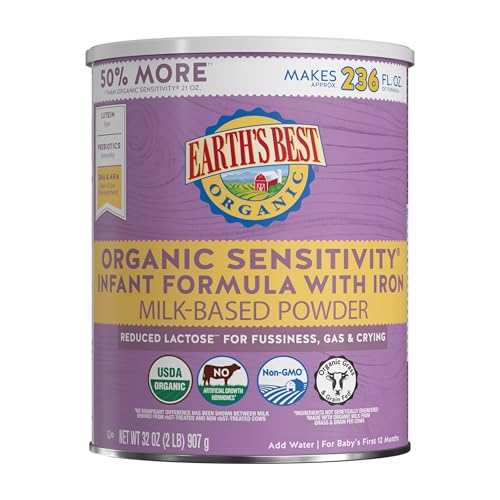
Earth’s Best Organic Sensitivity Infant Formula with Iron, 32-Ounce Container

HAPPY BABY Stage 1 A2 Organic Formula 22.9oz

HAPPY BABY Stage 1 Organic Formula 14.1oz

Enfamil NeuroPro DHA & MFGM Formula

HAPPY BABY Stage 2 Organic Formula 22.9oz
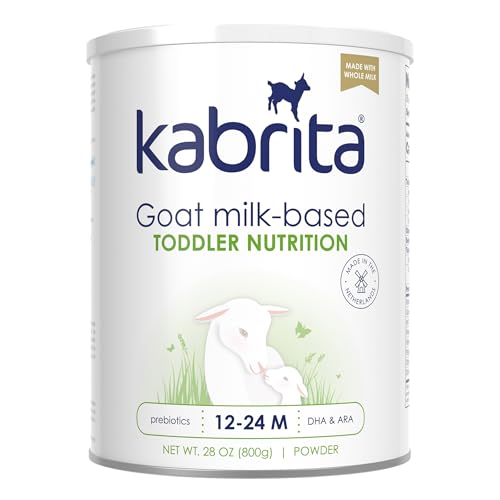
Kabrita Goat Milk Toddler Drink 28oz
A Closer Look At Each Pick
A 2 a.m. bottle can make a feeding decision feel anything but simple, particularly when fussiness or gas follows feedings. Earth’s Best Organic Sensitivity Infant Formula gives you a reduced-lactose option designed for babies with sensitive stomachs, with DHA, ARA, lutein, prebiotics, and iron included in the mix.
The 32-ounce container holds a practical amount for home use, and the printed water-to-powder guidance makes preparation easier to follow. You may find this model more relevant than a standard Stage 1 formula when reduced lactose is the concern that matters most.
Where It Excels
- Reduced lactose targets fussiness, gas, and crying associated with upset stomachs.
- DHA and ARA support developing brain and eye needs, while lutein adds another eye-supporting nutrient.
- The 32-ounce container prepares approximately 236 fluid ounces at the labeled dilution.
- Clear preparation instructions help you measure water and powder consistently.
Points To Note
- Reduced lactose may not suit every baby, so your baby’s response remains the deciding factor.
- The 32-ounce container needs adequate cupboard space and prompt storage after opening.
Feature Snapshot
Made For
You fit this formula well when reduced lactose and a generous 32-ounce container are priorities for your newborn.
Consider Something Else When
Happy Baby Stage 1 A2 Organic Formula may suit you better when probiotics and prebiotics are your main feeding priorities.
Digestive support is the defining angle here, and Happy Baby Stage 1 A2 puts probiotics and prebiotics at the center of the formula. Probiotics are live microorganisms, while prebiotics are compounds that support beneficial gut organisms, giving this option a distinct focus within the roundup.
Unlike Earth’s Best Sensitivity, which emphasizes reduced lactose, this formula is built around its patented probiotic and prebiotic blend. You may find that distinction useful for a newborn whose feeding routine calls for closer attention to stool consistency and digestive comfort.
Reasons It Performs
- The probiotic and prebiotic blend supports digestive health and beneficial gut bacteria.
- The manufacturer reports clinically studied support for softer, more regular stools.
- DHA levels are positioned around those found in breast milk for brain and eye development.
Small Caveats
- The 22.9-ounce can may need more frequent refills than Earth’s Best 32-ounce container.
At A Glance
Who It Suits Best
This pick suits you when digestive support through probiotics and prebiotics is the main consideration for your newborn.
A Better Fit Elsewhere
Earth’s Best Organic Sensitivity Infant Formula may serve you better when reduced lactose, iron, and a larger container take priority.
A smaller can can make sense in a compact kitchen or while you are testing how a baby responds to a new formula. Happy Baby Stage 1 Organic Formula gives you the same digestive-oriented approach as the larger A2 option, but in a 14.1-ounce container that is easier to store.
The formula includes probiotics, prebiotics, and DHA for families focused on gut support and early development. Compared with Happy Baby Stage 1 A2 Organic Formula, its listing carries a smaller size and does not carry the A2 designation in the product name.
Real Benefits
- The 14.1-ounce size takes up less cupboard and counter space.
- Probiotics and prebiotics support digestive health and beneficial gut bacteria.
- The blend is described as supporting softer, more regular stools.
- DHA supports brain and eye development during the first year.
Things To Weigh
- The smaller container may run out sooner during frequent bottle-feeding routines.
- Families comparing milk types should check the label carefully because this title does not identify the formula as A2.
Right Fit For
You may prefer this size for limited storage space, travel, or a short trial of Happy Baby Stage 1 nutrition.
Where A Sibling Pick Shines
Happy Baby Stage 1 A2 Organic Formula fits you better when you want the A2 designation and a larger 22.9-ounce container.
Enfamil takes a different route from the Happy Baby formulas, concentrating its identity around two milk-derived components linked with early brain development. DHA is a long-chain omega-3 fatty acid, while MFGM refers to milk fat globule membrane, a component associated with fat and membrane structure in milk.
The NeuroPro powder is a practical fit for families who want DHA and MFGM in a newborn formula. You may find its 20.7-ounce container more manageable than a 32-ounce can, though it sits between the smaller Happy Baby Stage 1 and Earth’s Best in storage size.
Everyday Perks
- Combines DHA with MFGM components for a distinct nutrition profile.
- The manufacturer states the formula supports brain development during the first year.
- MFGM components are described as supporting cognitive, motor, and communication development through age five when used through the first year.
- The powder format gives you control over bottle preparation.
- A 20.7-ounce container is easier to handle than a larger 32-ounce option.
Practical Considerations
- Frequent feeding may require more than one 20.7-ounce container per week.
- The brain-development focus makes less sense as your main priority than a specific reduced-lactose or digestive-support need.
Key Specs
Built With In Mind
This formula suits you when DHA and MFGM components are central to your newborn feeding decisions.
Another Choice May Suit
Happy Baby Stage 1 A2 Organic Formula may fit you better when probiotics, prebiotics, and A2 milk are more important than MFGM.
Reaching six months changes the feeding conversation, so the age label matters before any nutrient feature. Happy Baby Stage 2 Organic Formula is made for babies from six to twelve months, making it a later-infant option rather than a newborn formula.
Once your baby reaches the appropriate stage, the formula continues Happy Baby’s digestive focus with probiotics, prebiotics, and DHA. The 22.9-ounce package also matches the larger Happy Baby Stage 1 A2 size, which makes storage and feeding routines easier to compare.
What Earns Its Place
- Designed specifically for the six-to-twelve-month feeding stage.
- Probiotics and prebiotics support digestive health and beneficial gut bacteria.
- The formula includes DHA at levels associated with breast milk for brain and eye development.
Where It May Fall Short
- It is not intended for the newborn stage, so you need a Stage 1 formula during the earliest months.
- A 22.9-ounce container may still need regular replenishment during frequent feeding.
Whose Shelf It Belongs On
This formula belongs on your shelf once your baby has reached six months and is ready for Stage 2 nutrition.
Skip It When
Earth’s Best Organic Sensitivity Infant Formula is the more suitable choice for a newborn who needs reduced-lactose Stage 1 nutrition.
Kabrita enters this roundup as a later-age option, not a newborn formula. Its goat milk-based toddler drink is intended for ages twelve to twenty-four months, so its usefulness begins after the Stage 1 and Stage 2 options are no longer age-appropriate.
The manufacturer describes this drink as gentler and easier to digest than cow’s milk, which gives it a distinct place during the toddler transition. A 28-ounce container offers more powder than the 22.9-ounce Happy Baby cans, though the age requirement remains the decisive factor.
Points In Its Favor
- Goat milk creates a clear alternative to cow-milk toddler drinks.
- The formula is designed for toddlers ages twelve to twenty-four months.
- Each batch receives more than 300 independent checks for heavy metals, antibiotics, and plasticizers.
- It contains no genetically modified organisms, corn syrup, antibiotics, or growth hormones.
Less Ideal Details
- It is not suitable for newborn feeding because its stated age range begins at twelve months.
- Families following a specific organic requirement should check the current label carefully.
- The 28-ounce container requires enough dry-storage space for a full can.
Feature Facts
Best Suited To
Kabrita fits families seeking a goat-based powdered drink for a toddler between twelve and twenty-four months.
Not Your Match When
Happy Baby Stage 2 Organic Formula suits you better while your baby is still within the six-to-twelve-month stage.
Before The First Bottle: What Matters
Age Stage Comes First
Formula stages exist because a baby’s nutritional needs change as development progresses. Stage 1 options in this roundup cover birth through 12 months, while Happy Baby Stage 2 is intended for six to twelve months. Kabrita occupies an entirely different category for toddlers aged twelve to twenty-four months.
Lactose And Milk Type
Reduced lactose offers one approach to feeding, while A2 and goat milk create different milk-based options. You need to compare these distinctions with your baby’s needs rather than treating one milk type as automatically preferable. Your pediatric care team can help you determine which category makes sense for your circumstances.
Nutrient Priorities
DHA supports brain and eye development, MFGM adds a milk-derived fat component, and probiotics and prebiotics focus on digestive support. A simple formula containing the nutrients your baby already receives may still be sufficient. The best decision is the one that fits the age, digestion, and feeding pattern you actually have.
Two Details That Shape The Decision
Mistakes Worth Dodging
Do not select a Stage 2 or toddler drink for a newborn simply because the ingredient list looks appealing. Check the age range first, then confirm the milk type and lactose level against your baby’s needs before preparing a bottle.
What The Higher Tier Buys
A higher-tier option may cost more because of specialized milk sources, added prebiotics or probiotics, or concentrated developmental ingredients. The extra expense is most justified when a specific feature addresses your baby’s feeding profile, not simply when a package sounds more advanced.
Frequently Asked Questions
What Is The Best Formula For A Newborn?
No single formula suits every newborn, so your baby’s clinician and feeding team should guide the final decision. The most relevant options here include reduced-lactose, A2, and DHA-and-MFGM formulas.
Is Organic Infant Formula Better Than Regular Formula?
Organic and conventional formulas are both designed for infant nutrition, so organic status alone does not settle the choice. Compare reduced lactose, milk type, added probiotics, prebiotics, DHA, MFGM, and your baby’s individual needs.
How Much Formula Does Earth’s Best 32-Ounce Container Make?
The 32-ounce container makes approximately 236 fluid ounces of formula when properly diluted. The number of bottles depends on each bottle’s final size and preparation.
Can A Newborn Use Stage 2 Formula?
Happy Baby Stage 2 Organic Formula is intended for babies ages six to twelve months. Newborns need a formula labeled for the first 12 months of life.
What Should You Do If A Baby Seems Upset After Feeding?
Keep a record of feedings, stools, and any other symptoms, then discuss the pattern with your baby’s clinician. Avoid changing formulas repeatedly without that guidance, especially during the first months.
Final Verdict
Your best starting point is the newborn formula that matches your baby’s age, digestion, and feeding routine. Earth’s Best emphasizes reduced lactose, Happy Baby Stage 1 centers on digestive support, and Enfamil focuses on DHA and MFGM, while the Stage 2 and toddler options belong to later feeding stages. Take your time with the label, consult your care team, and let your baby’s response guide the final choice.
