

Combining breast milk with formula can make feeding feel complicated, especially during a growth spurt, a work separation, or a stage transition. You need a formula that suits your baby’s age, digestion, dietary needs, and household routine without making preparation more difficult than it needs to be. These six options cover soy, milk-based, A2, organic, single-stage, and toddler-focused choices for families comparing formula alongside breast milk.
The Shortlist At A Glance
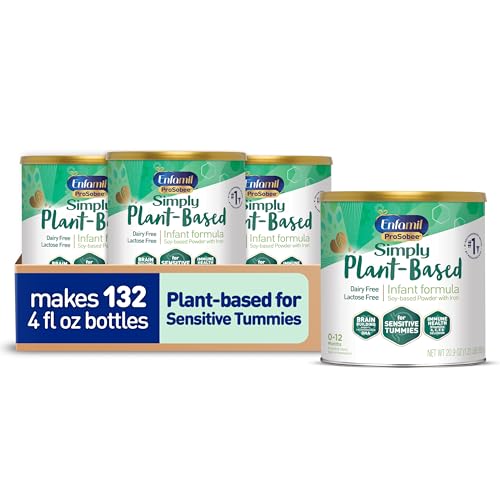
Enfamil Prosobee Formula 4-CT

Happy Baby Organics Stage 1 Infant Formula

Happy Baby Stage 1 A2 Formula

Happy Baby Stage 2 Formula

Enfamil NeuroPro MFGM Formula
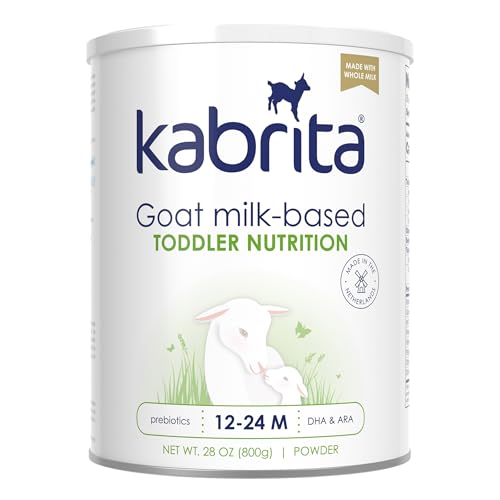
Kabrita Toddler Goat Drink
The Strengths Of Each Pick
Soy-based formula gives families a plant-based route through the first year of life. Unlike the milk-based Happy Baby options later in this list, Enfamil Prosobee uses soy protein and is positioned for babies needing a dairy-free feeding choice, including families following vegetarian or kosher diets.
Four 20.9-ounce containers provide 83.6 ounces in total, reducing the need for frequent restocking. The catch is storage: you will need room for four tubs rather than one, which can matter in a compact kitchen.
Notable Gains
- Soy protein gives breastfed babies a milk-free option during the first 12 months.
- Four containers provide a useful reserve for regular formula feeding.
- DHA levels match those used in Enfamil’s routine milk-based formula.
- SNAP eligibility may make the purchase more manageable for eligible households.
Points To Note
- This is soy-based rather than milk-based, so it does not suit every feeding preference.
- The four-container format calls for more pantry space than a single-can option.
Quick Facts
Who It Suits Best
You’ll appreciate this option for a breastfed baby who needs a soy-based formula during the first year.
Where Another Pick Suits Better
Happy Baby Organics Stage 1 Infant Formula fits families seeking a milk-based Stage 1 option with prebiotics.
This Stage 1 powder takes a different approach from Enfamil Prosobee: it uses milk-based organic lactose rather than soy protein. Prebiotics are the central distinction. GOS and FOS are fermentable fibers that support the growth of beneficial gut bacteria, while the formula also supplies iron and key vitamins and minerals.
A single 21-ounce container makes sense for a new feeding routine or a smaller household. For families comparing organic options, the absence of corn syrup solids and carrageenan gives this formula a straightforward ingredient profile, though the actual fit still depends on your baby’s response.
Where It Helps
- Two prebiotic fibers add a gut-focused feature to a standard Stage 1 formula.
- Milk-based nutrition offers a different path from the soy option in Enfamil Prosobee.
- Iron is included for infants entering the first year of life.
- The 21-ounce container simplifies storage and preparation during early feeding days.
Practical Considerations
- This is a milk-based Stage 1 formula, so it does not meet a dairy-free requirement.
- A single container may run out quickly for a baby receiving several formula feedings each day.
Made For
This suits families seeking a milk-based Stage 1 formula with prebiotics and a compact container.
Consider Something Else When
Happy Baby Stage 1 A2 Formula is a more direct fit for families prioritizing A2 milk alongside probiotics and prebiotics.
A2 milk brings a different protein focus to this Stage 1 formula, while the paired probiotics and prebiotics shift the attention toward digestion. Probiotics supply live microorganisms, and prebiotics give beneficial gut bacteria a food source. Happy Baby says its patented blend has been clinically studied for softer, more regular stools.
Compared with Happy Baby Organics Stage 1 Infant Formula, this option adds A2 milk and a broader gut-focused feature set. The trade-off is a more specialized formula, so a close look at the ingredient label and your baby’s clinician’s guidance is sensible before switching.
What Earns Its Place
- A2 milk provides a distinct protein choice for families comparing standard milk formulas.
- Probiotics and prebiotics support a broader digestive-focused routine.
- DHA supports the formula’s brain and eye development positioning.
- European production and USDA organic standards add clear sourcing criteria.
Less Ideal Details
- Its specialized ingredient profile may not suit every baby or dietary preference.
- The 22.9-ounce container still requires careful storage as part of a regular feeding schedule.
Feature Snapshot
The Right Fit
This works well for families that want Stage 1 A2 formula with added gut-support features.
A Better Fit Elsewhere
Enfamil Prosobee Formula 4-CT better suits families requiring a soy-based rather than milk-based feeding option.
Stage 2 arrives with a different nutritional emphasis because it is intended for babies from six months through 12 months. Happy Baby increases calcium, iron, phosphorus, iodine, and selenium compared with its Stage 1 formula, reflecting the changing needs of an older infant who may also be receiving more complementary foods.
The probiotics, prebiotics, and DHA remain useful drawing points from Happy Baby Stage 1 A2 Formula, while the three-container pack improves continuity during a stage transition. Your baby must be ready for Stage 2, and the three tubs require more storage space than a single container.
Practical Advantages
- Higher mineral levels support the formula’s positioning for babies six months and older.
- The gut-focused blend continues the digestive support available in the Stage 1 line.
- DHA remains part of the formula for brain and eye development support.
- Three 22.9-ounce containers keep Stage 2 available across a feeding routine.
Small Caveats
- It is not intended for the newborn Stage 1 feeding period.
- Three containers require more pantry space and a place to keep opened tubs properly stored.
Key Specs
Best Suited To
This suits families with a baby ready to move from Stage 1 to Stage 2 at six months or older.
Not Your Match When
Happy Baby Organics Stage 1 Infant Formula is the better choice for a baby still in the first-year Stage 1 feeding period.
Brain-development ingredients drive this option more than digestion-focused features. DHA is an omega-3 fatty acid associated with brain and eye development, while MFGM refers to milk fat globule membrane components found in milk. Enfamil says feeding NeuroPro during the first year is associated with cognitive, motor, and communication benefits extending through age five.
That research angle distinguishes it from Happy Baby Stage 1 A2 Formula, which focuses more heavily on probiotics and prebiotics. The practical trade-off is a 20.7-ounce powder container that may need regular replenishment, along with the need to review the ingredient list against your baby’s specific sensitivities.
Well-Handled Touches
- DHA and MFGM provide two complementary brain-development ingredients.
- The formula draws on decades of research into human milk nutrition.
- Powder packaging gives families flexibility to prepare only the amount needed for each feeding.
- MFGM components support a more defined developmental-positioning story than a basic formula.
Factors To Consider
- The brain-development positioning may matter more to some families than to others.
- Ingredient exclusions or sensitivities deserve a label check before switching formulas.
Who Will Love This
This appeals to families placing particular emphasis on DHA and MFGM during the first year of formula feeding.
Another Choice May Suit
Happy Baby Stage 1 A2 Formula may align better with a feeding plan centered on probiotics, prebiotics, and A2 milk.
This goat-milk-based powder belongs in a different age category from the five infant formulas above. It is made for toddlers aged 12 to 24 months, making it relevant after a baby has moved beyond Stage 1 and Stage 2 infant formula. Families comparing dairy-free toddler drinks will find that distinction especially important.
Kabrita positions the drink as gentler than cow milk, and its formula excludes GMOs, corn syrup, antibiotics, and growth hormones. Each batch receives more than 300 checks covering heavy metals, pesticides, antibiotics, and plasticizers. It suits the later toddler stage, not a newborn feeding routine.
What Pays Off
- The 28-ounce container provides a practical size for toddler drink preparation.
- Goat milk offers a dairy-free base for families avoiding cow’s milk.
- Extensive batch testing supports a quality-focused purchasing decision.
- The formula omits several ingredients many label-conscious shoppers screen out.
The Fine Print
- It is intended for ages 12 to 24 months and does not replace infant formula.
- Families with a child under one year need an age-appropriate infant formula instead.
At A Glance
Built With In Mind
This works best for families with a toddler aged 12 to 24 months who needs a goat-milk-based drink.
Where A Sibling Pick Shines
Happy Baby Stage 2 Formula is the appropriate choice for babies between six and 12 months rather than toddlers.
What Matters Before You Switch Your Baby’s Formula
Age and feeding stage come first. Stage 1 formulas are intended for the first year, while Stage 2 is designed for babies from six months through 12 months. A toddler drink such as Kabrita belongs after the first birthday, so matching the life stage prevents a simple but important compatibility mistake.
Choose the protein base around your baby’s needs. Enfamil Prosobee provides soy protein for a milk-free feeding route, while the Happy Baby options use milk, including the A2 formulation. Review the ingredients with your baby’s clinician, particularly for babies with diagnosed sensitivities or a family history of milk-related intolerance.
Gut features help narrow the field. GOS and FOS are prebiotic fibers that feed beneficial gut bacteria, while probiotics add live microorganisms. Happy Baby Stage 1 A2 Formula combines both with A2 milk, making it the most feature-focused digestion choice in this group.
Packaging affects the routine. Enfamil Prosobee arrives in four containers, Happy Baby Stage 2 comes as a three-pack, and the remaining options use single-container formats. A larger pack can reduce restocking interruptions, but opened powder needs suitable storage and your household needs room for the containers.
Two Formula Decisions Worth Getting Right
Common Shopping Slip Ups
The easiest mistake is treating every formula as interchangeable. Baby age, protein base, ingredient exclusions, and container size all affect the decision, while switching during a period of poor sleep or frequent illness can make changes harder to track.
What The Higher Tier Buys
Higher-cost formulas often place more emphasis on specialized nutrients, sourcing standards, research positioning, or multi-container packaging. Those features can suit a particular feeding goal, but they add little value when a simpler Stage 1 formula already meets your baby’s needs.
Frequently Asked Questions
Can a breastfed baby also drink formula?
Yes, many babies use breast milk and formula together under a feeding plan that suits their age and growth. Your baby’s pediatrician can help you establish an approach and monitor how the combination works.
Which formula suits a breastfed baby best?
The right choice depends on age, digestion, dietary needs, and the amount of formula being used. Soy, standard milk, A2 milk, and organic options each serve different feeding priorities.
When should a baby move from Stage 1 to Stage 2?
Stage 2 is generally introduced at around six months, subject to a baby’s development and a clinician’s guidance. Happy Baby Stage 2 Formula is specifically labeled for the six-to-12-month period.
Is soy formula suitable for babies with dairy sensitivity?
Soy formula gives families a milk-free option, including some babies with lactose intolerance or dairy-related feeding concerns. Your baby’s clinician should confirm the appropriate choice and transition plan.
Does A2 formula contain probiotics and prebiotics?
Happy Baby Stage 1 A2 Formula combines A2 milk with probiotics and the prebiotics GOS and FOS. That combination makes it more relevant to digestion-focused shoppers than the standard Happy Baby Organics Stage 1 option.
Final Verdict
Your most useful choice comes down to the feeding stage, protein base, and features your baby actually needs. Enfamil Prosobee serves milk-free feeding, Happy Baby covers milk-based, A2, and Stage 2 priorities, and Kabrita addresses a separate goat-milk-based toddler need. Compare the label with your baby’s clinician, then choose the option that fits your routine without paying for features you will not use.
