

A crying baby at 2 a.m. can make formula selection feel urgent, especially when gas, fussiness, and feeding discomfort keep returning. The right decision depends on the cause of those symptoms, your baby’s age, and the type of formula involved. These six options cover easy-digestion formulas, organic feeding kits, goat milk powder, extensively hydrolyzed formula, and targeted probiotic drops, giving you distinct paths to compare rather than six versions of the same product.
The Choices Worth Comparing

Pure Bliss Irish Farms Infant Formula 24.7 oz

Bobbie Organic Feeding Kit

Pepticate Hypoallergenic Formula 13.2 oz
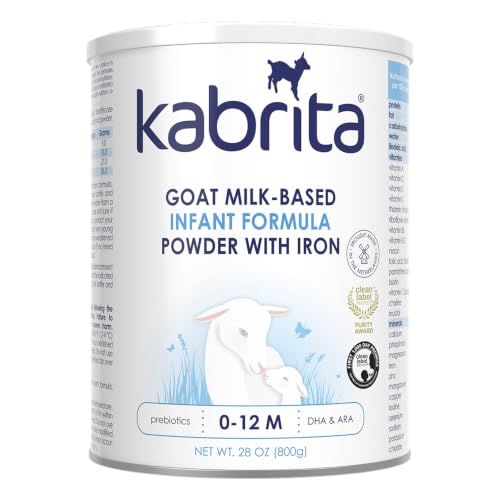
Kabrita Goat Milk Formula 28 oz
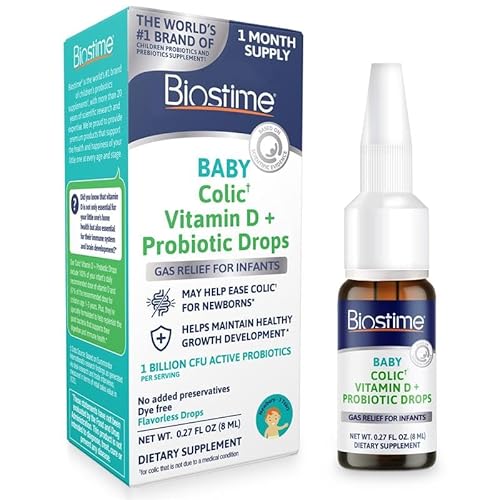
Biostime Vitamin D and Colic Probiotic Drops, 32 Servings

Biostime Baby Probiotic with HMO and Prebiotic Fiber
Taking A Closer Look At The Options
Families bottle-feeding an infant without a more specialized nutrition need may find this Irish Farms formula refreshingly straightforward. It starts with milk from Irish cows and is formulated for babies from birth through 12 months, making the 24.7-ounce can a practical size for regular bottle rotations.
The easy-digest positioning makes more sense for everyday fussiness than for suspected cow milk protein allergy. Unlike Pepticate, this is not an extensively hydrolyzed formula, so its intended audience is broader. The honest read is that it fits a normal feeding routine better than a highly specialized allergy plan.
The Good Stuff
- Made without artificial growth hormones, palm olein oil, or corn syrup.
- DHA and ARA support normal brain and eye development.
- Irish milk sourcing gives the formula a clearly defined origin.
- The 24.7-ounce can suits regular bottle use at home or on the road.
Trade Offs
- Its easy-digest features do not address the protein structure used in extensively hydrolyzed formulas.
- The can is smaller than Kabrita’s 28-ounce size, so frequent bottle users may replace containers sooner.
Key Specs
Who Will Love This
You will appreciate this option for routine bottle feeding during the first year, particularly when you want a standard easy-digest formula without a specialty protein format.
Another Choice May Suit
Pepticate Hypoallergenic Formula 13.2 oz suits families whose feeding plan centers on an extensively hydrolyzed formula for suspected cow milk allergy.
A household that alternates breast milk with formula gets more convenience from a paired setup than from two separate purchases. This kit combines a 14.1-ounce can of organic infant formula with a 0.3-fluid-ounce bottle of organic vitamin D drops, keeping the essentials together from the start.
The formula includes DHA, iron, choline, and vitamin D, while the drops provide 400 IU per three drops. That arrangement serves mixed-feeding families particularly well. Compared with Pure Bliss Irish Farms, the defining benefit is not a different protein structure but a broader package for organizing two feeding components.
Notable Gains
- Combines formula and vitamin D drops in one starter package.
- The 400 IU drops offer a measured amount for breastfed infants.
- Choline, iron, DHA, and vitamin D round out the formula’s nutrient lineup.
Practical Considerations
- The formula portion is a 14.1-ounce can, smaller than the standard cans in this roundup.
- The kit does not include an extensively hydrolyzed formula for a cow milk allergy feeding plan.
At A Glance
Made For
This kit fits families combining breast milk and formula who want the formula and a separately measured vitamin D product in one convenient package.
Consider Something Else When
Kabrita Goat Milk Formula 28 oz suits families that prefer goat milk protein and want a larger can for routine bottle feeding.
Persistent crying accompanied by eczema, poor feeding, or other discomfort can point toward a feeding issue that deserves a more specific approach. Pepticate is formulated for infants from birth through 12 months with cow milk allergy concerns, rather than serving as a general easy-digest formula.
Extensively hydrolyzed, or eHF, means the milk proteins are broken into smaller fragments. This format sets Pepticate apart from the standard cow milk and goat milk options here. It also includes DHA, ARA, nucleotides, and a GOS/FOS prebiotic blend designed to resemble the oligosaccharides found in breast milk.
Useful Highlights
- Uses an extensively hydrolyzed protein format for cow milk allergy feeding plans.
- Product information identifies eczema and colic symptom management as intended uses.
- The GOS/FOS fiber blend supports a more breast-milk-like prebiotic profile.
- DHA and ARA support normal brain and eye development.
- Mixes at a standard 1:1 powder-to-water ratio.
- Nutricia reports more than 30 years of extensively hydrolyzed formula experience across over 75 countries.
Points To Keep In Mind
- The 13.2-ounce can is the smallest formula container in the roundup.
- This specialized feeding plan should be discussed with your baby’s healthcare professional.
Right Fit For
You need a clinician-guided feeding setup for suspected cow milk protein allergy, especially when standard formula has produced persistent digestive or skin symptoms.
Where A Sibling Pick Shines
Biostime Vitamin D and Colic Probiotic Drops suit caregivers seeking a small daily supplement rather than a complete hypoallergenic formula.
Goat milk gives this powder a distinct angle among the cow milk formulas in the list. Kabrita uses naturally occurring A2 protein and is designed for gentle digestion in healthy infants from birth through 12 months, so the formula targets everyday digestive comfort rather than allergy management.
Goat proteins form softer curds during digestion than cow milk proteins, according to the product information. That characteristic gives you a meaningful point of comparison with Pure Bliss, although the two formulas differ in more than just the source of their milk. A 28-ounce can also reduces container changes during frequent feeding rotations.
Standout Benefits
- Uses goat milk with naturally occurring A2 protein for a gentler digestion profile.
- The 28-ounce can offers more formula per container than the other standard options.
Less Ideal Details
- Goat milk protein does not make this an extensively hydrolyzed cow milk allergy formula.
- Its stated audience is healthy infants, so persistent symptoms deserve a separate feeding discussion.
Feature Snapshot
Built With In Mind
This formula suits families seeking goat milk protein and a larger powder can for babies who are healthy but have a preference for gentle digestion.
Reach For A Different Pick When
Pepticate Hypoallergenic Formula 13.2 oz suits families whose baby needs an extensively hydrolyzed formula for suspected cow milk allergy.
Not every family needs to replace a bottle of formula; some are looking for a small addition to an established feeding routine. These flavorless drops combine vitamin D with probiotics in a 32-serving supply for newborns, infants, and toddlers up to three years old.
That age range makes the drops more versatile than the Biostime packet powder included later, which is intended for children from three months through six years. The trade-off is equally clear, though: these drops supplement a feeding routine rather than provide complete infant nutrition, and persistent colic symptoms still deserve a cause-focused discussion.
Useful Strengths
- Combines vitamin D and probiotics in one daily drop product.
- Designed for the broadest range, from newborns through three-year-old children.
- The flavorless powder fits into a daily feeding routine without another flavored mixture.
Potential Drawbacks
- The drops are a supplement, not a complete infant formula.
- Colic symptoms can have causes that a digestive supplement does not address.
- The 32-serving count suits regular use but may require another supply sooner than a larger pouch.
Whose Shelf It Belongs On
You need this product for an established feeding routine that includes a daily vitamin D and probiotic supplement for a baby or toddler.
Not Your Match When
Biostime Baby Probiotic with HMO and Prebiotic Fiber suits families seeking individually portioned powder for children three months through six years old.
Individual packets make this Biostime powder easier to carry through a child’s daily schedule than a shared container. It is intended for children from three months through six years and combines probiotics with prebiotic fiber for digestive and immune support.
The featured prebiotic is 2′-fucosyllactose, or 2′-FL, a human milk oligosaccharide, meaning it is a type of carbohydrate found naturally in human milk. The product lists 145 mg of 2′-FL and explains that it helps nourish beneficial bacteria. Unlike Biostime Vitamin D and Colic Probiotic Drops, this option uses portioned packets and targets a wider child age range.
A Few Strong Suits
- Twenty-eight individual packets simplify storage and daily portions.
- Each serving supplies 145 mg of the featured 2′-FL prebiotic.
- Probiotics and prebiotic fiber work together as a synbiotic blend.
- The stated age range covers babies, toddlers, and young children.
Small Caveats
- It is a digestive supplement rather than a complete infant formula.
- Families needing a newborn vitamin D product would need a separate option for the earliest months.
Essential Details
The Right Fit
This powder suits families with babies, toddlers, or children who can take a daily packet and want a prebiotic-plus-probiotic routine.
Swap It Out When
Bobbie Organic Feeding Kit suits caregivers who need a complete organic formula alongside separately measured vitamin D drops.
What Matters Before You Choose Baby Formula
The formula type should match the feeding problem you are trying to solve. A standard easy-digest formula, goat milk powder, extensively hydrolyzed formula, and daily supplement each serve different purposes, so choosing solely by packaging claims can narrow the decision too early.
Establish the feeding concern
Persistent crying, gas, eczema, and feeding refusal can point toward different issues. Colic is a broad description of frequent crying in an otherwise growing infant, so a formula change may not address the underlying cause. A healthcare professional can help separate feeding discomfort from other concerns before you commit to a specialty product.
Understand the protein format
Extensively hydrolyzed formulas break milk proteins into smaller fragments and are designed for specific cow milk allergy feeding plans. Goat milk and standard cow milk formulas work differently, even though all three may be described as gentle or easy to digest. Pepticate is the only extensively hydrolyzed option in this group, which makes its intended use considerably narrower.
Match the packaging to your routine
Formula cans, combo kits, drops, and individual packets serve different amounts and purposes. A larger 28-ounce can suits frequent bottle feeding, while a 14.1-ounce starter can may suit a mixed-feeding household. Drops remain supplements rather than complete nourishment, and packet powder offers convenient portions for a daily child routine. Compare what your baby actually receives each day, not just the number of items in the package.
Common Mistakes Worth Avoiding
Choosing by the word “colic” on the front of a container can lead you past the more important details. Match the protein format, age range, and intended feeding role first. A supplement cannot replace complete formula, and goat milk powder does not perform the same role as an extensively hydrolyzed formula.
What Separates Premium From Basic
Higher-cost options often put more emphasis on specialized proteins, organic sourcing, added prebiotics, or bundled feeding components. Those additions may suit a particular routine, but the larger container or extra nutrient does not make it more suitable for every baby. Value comes from choosing the format that meets your baby’s needs without paying for features you will not use.
Frequently Asked Questions
Which option in this roundup is most closely designed for cow milk allergy?
Pepticate Hypoallergenic Formula 13.2 oz is the extensively hydrolyzed choice for clinician-guided cow milk allergy feeding plans. Its protein structure and intended use distinguish it from the standard, goat milk, and supplement options here.
Does Kabrita Goat Milk Formula 28 oz directly resolve colic?
No. It is designed for gentle digestion in healthy infants and should not be presented as a substitute for evaluating persistent crying, eczema, or feeding concerns. A healthcare professional can help determine whether a formula change fits the symptoms your baby is showing.
Can Biostime Vitamin D and Colic Probiotic Drops replace infant formula?
No. The drops add vitamin D and probiotics, but they do not provide the complete nutrition required for feeding an infant. You would continue using an appropriate breast milk or infant formula plan alongside the supplement.
Is the Bobbie Organic Feeding Kit useful for combined feeding?
Yes. It pairs organic infant formula with 400 IU vitamin D drops, making it convenient for households that supplement breast milk and prepare formula during the same routine.
How do I choose between formula and probiotic drops for fussiness?
Start with the symptoms, your baby’s age, and whether the problem involves complete feeding or an added supplement. Discuss persistent discomfort with your baby’s healthcare professional before making a change, especially when skin symptoms or feeding difficulties are present.
Final Verdict
For general easy digestion, Pure Bliss Irish Farms and Kabrita offer different protein sources and can sizes. Pepticate serves the narrower cow milk allergy market, Bobbie organizes a mixed-feeding routine, and the two Biostime products fill supplement roles. Start with the feeding concern, then match the formula or drop to that specific need.
