

A newborn’s long, crying evening can leave feeding feeling like a series of guesswork. You may be considering formula because of frequent fussiness, gas, painful-looking discomfort, or a family history of cow’s milk allergy, and the right choice depends on more than a promising package. These six options give you distinct starting points for newborn feeding, from amino-acid-based nutrition to probiotics, organic formulas, kosher sourcing, and brain-development support. Your pediatrician can help identify whether persistent crying reflects colic, reflux, feeding technique, allergy, or another concern.
A Fast Comparison Of The Options
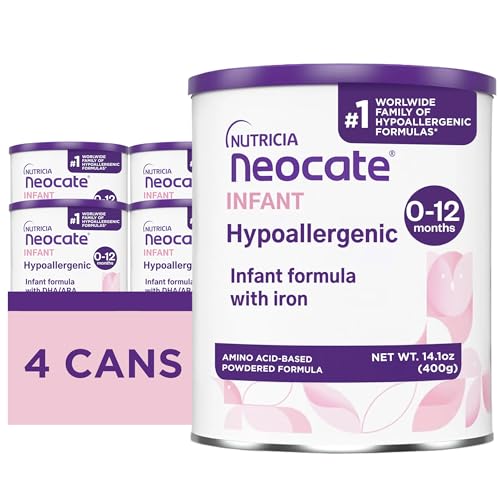
Nutricia Neocate Infant Hypoallergenic Amino Acid Formula with DHA/ARA, 4-Pack

HAPPY BABY Stage 1 A2 Organic Infant Formula, 22.9 oz

Similac Advance Lamehadrin Infant Formula, 4-Pack

Bobbie Fussy Feeding Kit with Organic Gentle Formula and Probiotic Drops

HAPPY BABY Stage 2 Organic Infant Formula, 3-Pack

Enfamil NeuroPro Baby Formula with DHA and MFGM
A Deeper Look At The Lineup
Persistent crying alongside suspected milk allergy puts formula composition at the center of your decision. Neocate Infant uses amino acids, the basic building blocks of protein, rather than intact milk proteins, making it the most specialized option in this group for cow’s milk allergy or related dietary management.
For newborns from birth through 12 months, the powder includes DHA and ARA, two long-chain fatty acids associated with brain and eye development. You gain a four-can pack for feeding continuity, although the amino-acid approach represents a more targeted choice than the broader options that follow.
Well-Handled Touches
- The 100% amino-acid-based composition suits highly restricted feeding plans.
- DHA and ARA complement the formula during the first year.
- Iron, nucleotides, and vitamin E round out the nutrient profile.
- Four 14.1-ounce cans simplify stocking a specialty formula.
Practical Considerations
- This is designed for allergy-related dietary management rather than general fussiness alone.
- Allow room in your pantry for four cans and follow the label’s preparation and storage directions carefully.
Key Specs
Right Fit For
You need a highly restricted newborn formula because cow’s milk allergy or related gastrointestinal symptoms are under professional review.
Another Choice May Suit
HAPPY BABY Stage 1 A2 Organic Infant Formula fits a newborn whose main concern is routine digestive fussiness without a suspected milk allergy.
After a highly restricted formula, this option returns to a more familiar organic approach with A2 milk. It is built around probiotics, live microorganisms intended to support gut bacteria, and prebiotics, fermentable fibers that feed beneficial bacteria, making digestive support its clearest distinction.
For a newborn with ordinary fussiness, gas, or irregular stools, the combination gives you a focused reason to consider this formula. The single 22.9-ounce can is convenient for a first trial, though you will need another container once that supply is gone.
Useful Touches
- Probiotics and prebiotics directly support the formula’s digestive positioning.
- A2 milk may suit families specifically seeking that protein type.
- DHA supports brain and eye development during the first year.
Worth Noting
- A single-can pack is smaller than the multipack options and may not suit stocking up.
- Probiotic support does not address a suspected milk allergy, making Neocate the more targeted option for that concern.
Quick Facts
Who It Suits Best
You want an organic newborn formula centered on digestive support and A2 milk rather than strict allergy management.
Look Elsewhere When
Nutricia Neocate Infant is a better fit for a baby whose feeding plan requires an amino-acid-based formula.
Kosher requirements can narrow a newborn formula search quickly, and this four-pack brings a more conventional option into the lineup. It carries Badatz kosher designation, is positioned for Passover use, and is distributed in partnership with Kayco, giving you clear sourcing details to examine before feeding.
Unlike the probiotics and prebiotics in HAPPY BABY Stage 1 A2, this powder centers on conventional developmental nutrition. DHA and ARA support brain and eye development, while calcium, vitamin D, and the absence of palm olein oil make the bone-support rationale easy to understand.
Notable Upsides
- Badatz kosher sourcing addresses a specific household requirement.
- Four 24.7-ounce cans provide practical feeding continuity.
- DHA and ARA support brain and eye development.
- Calcium and vitamin D support developing bones.
Trade Offs
- Its nutrient profile lacks the explicit probiotic and prebiotic focus offered by HAPPY BABY Stage 1 A2.
Made For
You need a kosher newborn formula with a four-can pack and standard developmental nutrients.
Where A Sibling Pick Shines
Bobbie Fussy Feeding Kit offers a more combined approach when your priority is a gentle milk-based formula accompanied by separate probiotic drops.
A bundled format removes one step from a fuss-focused feeding plan: you receive both formula and a separate probiotic drop bottle in one package. The milk-based powder uses 100% lactose with partially broken-down proteins, while the included drops are positioned for digestive discomfort, gas, fussiness, and colic-related crying.
This pairing suits a newborn whose family wants gentle formula and added probiotic support without purchasing two products separately. You still need to follow each label’s age, serving, and storage instructions, and persistent crying deserves an independent check with your pediatrician.
The Case For It
- Formula and probiotic drops arrive together for a simpler starter setup.
- Partially broken-down proteins and full lactose distinguish it from the amino-acid-based Neocate option.
- Iron, DHA, and vitamin D provide familiar developmental nutrition.
Small Caveats
- The formula can contains 14.1 ounces, making it smaller than several multipack choices.
- Using both components requires checking their separate directions rather than treating the kit as one uniform mixture.
Feature Snapshot
Who Should Grab It
You want one bundled setup for a newborn with fussiness and gas, with a preference for milk-based nutrition and added probiotic drops.
Reach For A Different Pick When
Nutricia Neocate Infant is more appropriate for a feeding plan centered on cow’s milk allergy or highly restricted protein intake.
This formula enters the picture only after the first six months, so it is a transition option rather than a newborn choice. It carries forward the probiotics and prebiotics found in HAPPY BABY Stage 1 A2 while adjusting selected nutrients for babies aged 6–12 months.
The practical distinction is the addition of more calcium, iron, phosphorus, iodine, and selenium than the Stage 1 formula. That makes it useful once your baby has crossed the Stage 2 age threshold, but a newborn facing early colic-like symptoms needs the appropriate earlier stage instead.
Benefits That Matter
- Probiotics and prebiotics maintain the brand’s digestive-support emphasis.
- Stage 2 nutrients reflect a baby’s changing needs after six months.
Where It May Fall Short
- The 6–12 month age range makes it unsuitable for a newborn.
- It lacks the A2 milk distinction offered by HAPPY BABY Stage 1 A2.
- Unlike the Bobbie kit, it does not pair formula with separate probiotic drops.
Best Suited To
Your baby is between six and 12 months old and you want an organic formula with digestive support and age-adjusted nutrients.
Swap It Out When
HAPPY BABY Stage 1 A2 is the better match for a newborn who still needs Stage 1 nutrition and A2 milk.
Enfamil NeuroPro takes a different route from the digestive-focused formulas. It combines DHA, a fatty acid found in breast milk, with MFGM components, which are parts of the milk-fat globule membrane and are included to support brain development.
This makes the formula relevant when developmental nutrition matters more to your decision than probiotics or a highly restricted amino-acid base. You still need a nutrient-complete infant formula appropriate for your baby’s age, and the provided listing centers its differentiator on brain-development support.
Positive Points
- DHA and MFGM create a clear brain-development focus.
- The powder format fits standard bottle preparation routines.
- MFGM support is described as extending through age five when used during the first year.
- Enfamil offers ready-to-feed and powder options across its product range.
Points To Keep In Mind
- Its feature emphasis is developmental nutrition rather than gas, fussiness, or colic support.
- The listed container is 20.7 ounces, so you may need more than one for regular feeding.
Core Details
The Right Fit
You want standard infant formula with a strong focus on brain-development nutrients rather than a targeted digestive or allergy formula.
Consider Something Else When
Bobbie Fussy Feeding Kit is a closer match for a newborn whose main concern is gas, fussiness, and bundled probiotic support.
What Matters Before You Choose Newborn Formula
Start With The Actual Concern
Colic, gas, reflux, feeding discomfort, and milk allergy can look similar from the outside, yet each calls for a different evaluation. Write down your baby’s symptoms, feeding pattern, stool changes, and any reaction noticed after feeds. That record gives your pediatrician more useful information than a formula label alone.
Match Specialized Ingredients To Specific Needs
Amino acids are the protein building blocks used by Neocate, making it the narrowest allergy-oriented option here. Probiotics and prebiotics are digestive-support ingredients found in both HAPPY BABY formulas, while Bobbie separates its probiotic drops from the milk-based powder. Each approach serves a different feeding plan.
Check Age, Preparation, And Storage
A newborn needs a Stage 1 formula, while HAPPY BABY Stage 2 is intended for ages 6–12 months. Compare the powder quantities, preparation directions, container sizes, and storage requirements before ordering. The Bobbie kit has two separate products, so verify each label’s instructions rather than treating them as one mixture.
Practical Formula Decisions Before You Order
Mistakes Worth Dodging
Do not choose formula solely because a package mentions gas, fussiness, or probiotics. Confirm the ingredient, age range, and intended dietary purpose, and introduce any change with guidance from your baby’s healthcare professional. A larger multipack can also create unnecessary storage demands.
What Separates Premium From Basic
Price differences may reflect specialized protein sources, added probiotics, organic sourcing, developmental nutrients, or multipack convenience. A specialty formula earns its place when its composition matches a documented need; otherwise, a conventional Stage 1 option may suit you better.
Frequently Asked Questions
Which formula is best for a newborn with colic?
No single formula suits every newborn with colic, because persistent crying can have several causes. Bobbie Fussy Feeding Kit focuses on gentle milk-based nutrition and added probiotic drops, while Neocate addresses milk-allergy-related dietary management.
Should a newborn use Stage 1 or Stage 2 formula?
Newborns generally need Stage 1 formula, while Stage 2 is intended for babies aged 6–12 months. HAPPY BABY Stage 2 Organic Infant Formula is therefore inappropriate for the earliest months.
Can probiotics help a colicky newborn?
Probiotics are live microorganisms selected to support gut bacteria, and the Bobbie kit includes drops marketed for fussiness and colic-related crying. Your pediatrician should guide their use, especially when crying is persistent or accompanied by feeding or growth concerns.
What is the most specialized formula for milk allergy?
Neocate Infant is the most specialized option here because it uses amino acids instead of intact milk proteins for dietary management of cow’s milk allergy. An allergy-related formula should be selected with your pediatrician’s guidance.
How much formula should you buy for a newborn?
Choose the quantity that matches your feeding volume, preparation schedule, and storage space. A one-can package can suit a short trial, while a four-pack supports continuity but requires more pantry space.
Final Verdict
The right formula begins with the reason behind your baby’s discomfort, not the word “colic” on a package. Neocate serves highly restricted allergy plans, HAPPY BABY emphasizes organic nutrition and digestive support, Bobbie offers a bundled fuss-focused approach, Similac addresses kosher needs, and Enfamil focuses on developmental nutrients. Compare the label with your baby’s age, symptoms, and professional guidance, then choose the narrowest option that fits the feeding plan.
