

Preparing newborn bottles gets personal fast, especially when reduced lactose, A2 milk, probiotics, and brain-supporting nutrients all appear on the label. This lineup covers Stage 1 formulas for birth through 12 months, plus a Stage 2 option for older infants and a goat-milk drink for toddlers. Your pediatrician can help match your baby’s needs, while these picks clarify where each formula fits best.
A Quick View Of The Lineup
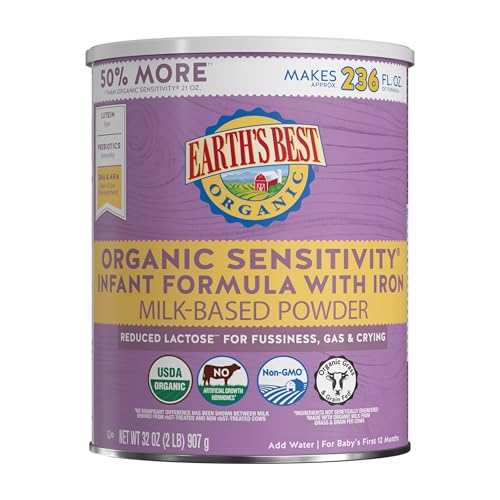
Earth’s Best Organic Sensitivity Reduced-Lactose Formula 32oz

Happy Baby Stage 1 A2 Formula 22.9oz

Happy Baby Stage 1 Formula 14.1oz

Enfamil NeuroPro 20.7oz Formula

Happy Baby Stage 2 Formula 22.9oz
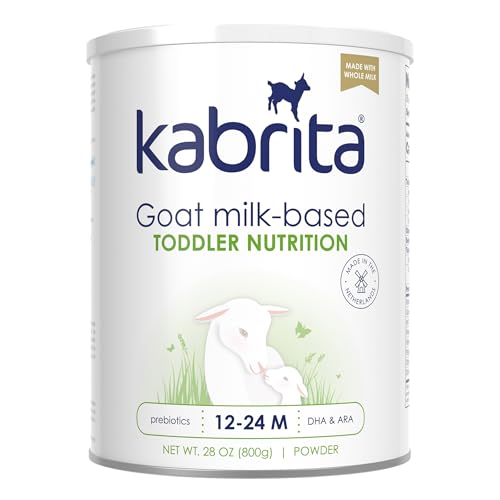
Kabrita Goat Milk Toddler Drink 28oz
A Closer Look At Each Pick
A baby who becomes uncomfortable after bottles may lead you toward a reduced-lactose formula, and that is the central purpose of Earth’s Best Organic Sensitivity. Unlike Happy Baby Stage 1 A2, which centers A2 milk and a dual probiotic-prebiotic blend, this formula reduces lactose and pairs it with iron, lutein, DHA, and ARA.
The 32-ounce container is the largest tub in this group, which makes it practical for frequent feeding and easier replenishment. It suits babies from birth through 12 months, including families using formula to supplement nursing, though your pediatrician should guide any decision linked to persistent fussiness, gas, or crying.
Why It Works Well
- Reduced lactose targets a specific feeding concern without leaving you with an unfamiliar formula format.
- The 32-ounce container reduces refill frequency compared with the smaller Happy Baby tubs.
- Iron, lutein, DHA, and ARA create a more developed nutrient profile for early infancy.
- Clear water-to-formula instructions make preparation easier to follow during a busy feeding routine.
Practical Considerations
- Reduced lactose is a targeted formulation, so confirm that it aligns with your baby’s symptoms and pediatric guidance.
- The full container can be heavier to lift once partly filled, which matters during late-night feedings.
Key Specs
Made For Sensitive Feeding
You benefit most from this formula when reduced lactose is your baby’s established feeding plan and you want a larger container for frequent use.
Consider A Different Pick
Happy Baby Stage 1 A2 Formula 22.9oz better suits families specifically seeking A2 milk with probiotics and prebiotics.
Happy Baby Stage 1 A2 Formula is built around a simple question for new parents: which milk type and digestive-support ingredients belong in the first year? A2 milk, probiotics, and prebiotics give this formula a clearly different position from Earth’s Best reduced-lactose option.
Made in Europe to USDA and EU organic standards, it also carries Clean Label Project certification. DHA, a fatty acid associated with brain and eye development, rounds out the Stage 1 profile, and the manufacturer states that key nutrient levels are tailored as babies grow.
Useful Highlights
- A2 milk provides a distinct base for families specifically considering that protein type.
- Probiotics and prebiotics support a digestive routine centered on softer, more regular stools.
- DHA provides a familiar nutrient also found naturally in breast milk.
- European manufacturing and Clean Label Project certification add distinct sourcing details.
- The 22.9-ounce tub handles regular Stage 1 feeding without the bulk of a 32-ounce container.
Points To Keep In Mind
- A2 milk remains a cow’s-milk-based option, so babies with diagnosed milk-protein allergies still need tailored professional guidance.
At A Glance
Who Will Love This
You benefit most from this option when A2 milk, organic standards, and combined probiotic-prebiotic support are central to your feeding plan.
Where Another Pick Shines
Earth’s Best Organic Sensitivity Reduced-Lactose Formula 32oz serves you better when reduced lactose, not A2 milk, is the required distinction.
Happy Baby Stage 1 Formula 14.1oz shares the digestive-focused formula profile of the A2 version without presenting A2 as its milk distinction. The smaller container is the most noticeable practical difference, making this tub easier to store, carry, or finish before formula ages.
Probiotics and prebiotics remain central, alongside DHA and European organic manufacturing. Compared with Happy Baby Stage 2 Formula 22.9oz, this is the age-appropriate choice for birth through 12 months rather than the six-to-12-month stage.
A Few Highlights
- Probiotics and prebiotics give this Stage 1 formula a clear digestive-health positioning.
- DHA provides support for the brain and eye development stage associated with early infancy.
- The 14.1-ounce size takes up less pantry and countertop space than the 22.9-ounce tubs.
Smaller Details
- You will need more frequent refills than with the 32-ounce Earth’s Best container.
- A smaller tub can work poorly for households preparing larger quantities of formula at once.
Small-Space Fit
You benefit most from this compact option when storage space is limited or you want a smaller Stage 1 container for travel and short-term use.
Reach For A Different Pick
Happy Baby Stage 1 A2 Formula 22.9oz fits you better when A2 milk is important and a larger container would reduce refills.
Enfamil NeuroPro takes a different route through newborn nutrition, emphasizing DHA and MFGM components rather than A2 milk, reduced lactose, or probiotics. MFGM refers to milk fat globule membrane components, which Enfamil pairs with DHA to support its brain-development positioning.
This powder format works for families comparing infant formula primarily by nutrient focus. Enfamil also cites research connecting feeding during the first year with later cognitive, motor, and communication development, although individual results can vary and your baby’s clinician remains the right guide.
Everyday Advantages
- DHA and MFGM create a clear, research-centered nutrient theme.
- The powder format lets you prepare each bottle according to the labeled water ratio.
- Enfamil’s broader formula range can make future stage changes easier to navigate.
- The brand emphasizes breast-milk research in its formulation approach.
Things To Consider
- At 20.7 ounces, the container calls for more frequent refills than Earth’s Best 32-ounce tub.
- Your feeding priorities may matter more than branding because several formulas provide DHA.
Technical Highlights
Built Around Neuro Development
You benefit most from Enfamil NeuroPro 20.7oz Formula when DHA and MFGM are your main selection priorities for the first year.
A Better Fit Elsewhere
Happy Baby Stage 1 A2 Formula 22.9oz suits you better when organic standards and combined probiotics and prebiotics matter more than MFGM.
Happy Baby Stage 2 Formula 22.9oz is the relevant choice once your baby reaches six months, so it does not compete with the Stage 1 products during the newborn months. The familiar Happy Baby profile continues with probiotics, prebiotics, and DHA, but the nutrient levels are adjusted for the older-infant stage.
That continuity can make the transition easier for families already using the brand. The 22.9-ounce container offers a middle ground between the 14.1-ounce Stage 1 tub and the 32-ounce Earth’s Best value container, although the right stage always matters more than tub size.
Points In Its Favor
- Stage 2 formulation matches the nutritional needs associated with ages six through 12 months.
- Probiotics and prebiotics support the same digestive routine featured in Happy Baby Stage 1.
- DHA continues the brand’s emphasis on early brain and eye development.
- The 22.9-ounce container balances storage needs with less frequent refills than the compact tub.
Where It May Fall Short
- This formula is not intended for the newborn stage, so you need the appropriate Stage 1 or newborn formula earlier.
Right Fit For Older Infants
You benefit most from this formula when your baby is six to 12 months old and your family already favors Happy Baby’s nutrient profile.
Not Your Match When
Kabrita Goat Milk Toddler Drink 28oz serves you better once your child reaches the toddler stage of 12 to 24 months.
Kabrita Goat Milk Toddler Drink belongs on your shortlist only after your child reaches 12 months. Unlike the five infant formulas here, it is a toddler nutrition drink for ages 12 to 24, with goat milk as its base and a gentler digestion proposition for children moving beyond Stage 2 formula.
The 28-ounce container and detailed batch-screening program add practical reassurance, although a toddler drink cannot replace personalized advice for dairy allergies or other feeding concerns. The honest read is that this is a specialized next-stage option, not a newborn formula.
Good Reasons To Consider
- Goat milk provides a distinct base for families seeking an alternative to cow’s-milk toddler drinks.
- The formula is formulated specifically for the 12-to-24-month toddler stage.
- Each batch undergoes more than 300 independent checks for contaminants such as heavy metals and plasticizers.
- The ingredient list excludes GMOs, corn syrup, antibiotics, and growth hormones.
Less Ideal Details
- You cannot use this product during the newborn or early-infant stages.
- Goat milk is still dairy, so its marketed digestive benefits do not replace allergy-specific guidance.
Feature Facts
The Right Fit
You benefit most from this drink for a child aged 12 to 24 months who is moving toward goat-milk toddler nutrition.
Swap It Out When
Happy Baby Stage 2 Formula 22.9oz is the better fit for babies between six and 12 months who still need Stage 1 or Stage 2 infant formula.
What Matters Before You Fill The Bottle
Start With The Age Stage
Stage 1 covers the newborn and early-infant period, while Stage 2 is intended for babies aged six through 12 months. The Kabrita drink serves a different 12-to-24-month window, so its age range rules out using it for a newborn. Match the stage before comparing ingredients or container size.
Match Nutrients To Your Priorities
Reduced lactose suits a baby whose feeding plan specifically calls for less lactose, while A2 milk provides a different milk-protein distinction. Probiotics and prebiotics, DHA, and MFGM serve separate priorities, so you may prefer Happy Baby Stage 1 A2 Formula 22.9oz for its digestive ingredients or Enfamil NeuroPro 20.7oz Formula for its DHA and MFGM emphasis.
Follow Preparation Directions Exactly
Use the water-to-powder ratio printed on your chosen can, measure consistently, and follow the label’s storage and use instructions. Your baby’s age, feeding volume, and medical history can change the appropriate amount, so ask your pediatrician for individualized guidance.
Formula Costs And Common Errors
Mistakes Worth Dodging
The most consequential error is choosing by age or a single ingredient rather than your baby’s established feeding plan. Another mistake is treating a 12-month toddler drink as newborn formula. Check the age range, milk type, preparation ratio, and container size before ordering.
What The Higher Tier Buys
A higher-tier formula may devote more attention to organic sourcing, specialized milk proteins, digestive ingredients, or batch screening. That extra cost buys a specific formulation choice rather than automatic superiority, so compare the label with your baby’s needs.
Frequently Asked Questions
Which formula is best for a newborn?
No single formula suits every newborn, so match the age range, milk type, and nutrient priorities to your baby’s feeding plan. Your pediatrician can help resolve concerns about sensitivity or digestive symptoms.
Is organic infant formula better than conventional formula?
Organic formulas follow specific agricultural and manufacturing standards, but that does not automatically make one formula better for every baby. Consider your baby’s established needs, ingredients, preparation, and your pediatric guidance together.
When should a baby move from Stage 1 to Stage 2 formula?
Stage 2 is intended for babies aged six through 12 months. Your baby’s readiness, intake, and development should guide the timing, with support from your pediatrician.
How much formula should a container make?
The prepared amount depends on the exact water-to-powder ratio on the label. Earth’s Best Sensitivity 32-ounce container makes approximately 236 fluid ounces when properly diluted, but you should follow that container’s directions.
Can goat-milk formula be used for a newborn?
Kabrita Goat Milk Toddler Drink 28oz is formulated for ages 12 to 24 months, so it is not a newborn formula. Use a formula labeled for the newborn stage and ask your pediatrician about goat milk or dairy-related concerns.
Closing Remarks
Your feeding decision comes down to the match: reduced lactose, A2 milk, compact Stage 1 packaging, DHA and MFGM, older-infant nutrition, or goat-milk toddler drink. Confirm the age range and ingredients with your pediatrician, then choose the container that suits your routine. A careful label check can make the rest feel much simpler.
