

Selecting formula for a baby with digestive discomfort or a suspected food allergy can feel unusually complicated. Labels overlap, feeding ages differ, and a formula marketed for gentle digestion may not suit a child managing cow milk allergy. This comparison organizes six options by age, formula type, nutritional design, and practical fit, so you can narrow the field and discuss the most relevant choice with your baby’s healthcare provider.
Your Options, Compared

Nutricia Neocate Infant Hypoallergenic Amino Acid Formula 14.1 oz

Bobbie Formula and Vitamin D Kit

Neocate Junior Hypoallergenic Toddler Formula Strawberry 14.1 oz

Pepticate Hypoallergenic Infant Formula 13.2 oz
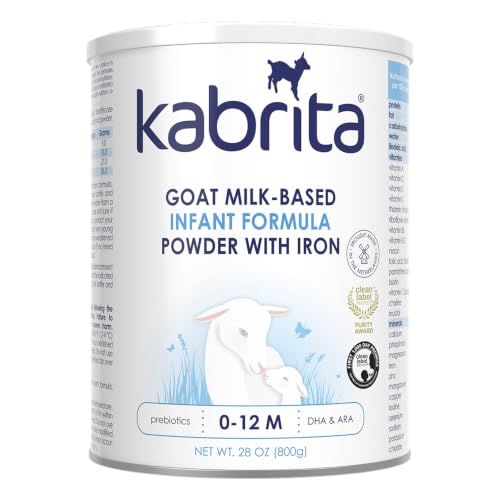
Kabrita Goat Milk Infant Formula 28 oz
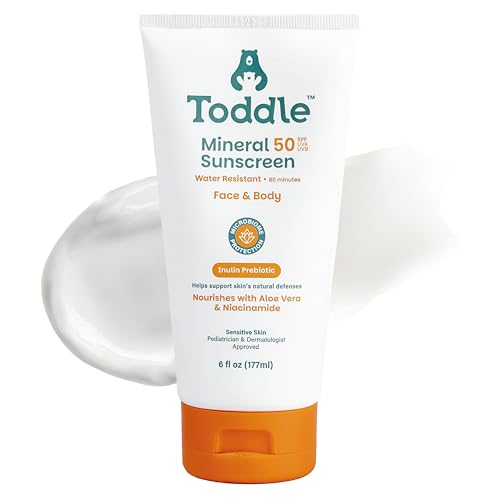
Toddle Prebiotic Mineral Baby Sunscreen SPF 50 6 oz
The Details Behind The Selections
Neocate Infant takes a distinctly restrictive approach by using amino acids, the building blocks of protein, instead of intact milk proteins. That makes it a more focused option than standard cow milk formula and particularly relevant for infants whose feeding plan requires an amino acid-based formula.
The label positions it for dietary management of cow milk allergy and related gastrointestinal, or GI, and allergic conditions. Its 0-to-12-month range also keeps the decision clear, although suitability still depends on your baby’s diagnosis and healthcare provider’s guidance.
Positive Takeaways
- The complete formula is based entirely on amino acids, avoiding intact cow milk protein.
- It is formulated for infants from birth through 12 months.
- DHA and ARA support brain and eye development, while nucleotides support immune function.
- Iron is included for an important nutritional role in infancy.
- The powder contains no artificial colors, flavors, or sweeteners.
Practical Considerations
- An amino acid formula is more specialized than hydrolyzed or goat milk options, so confirm the intended use before switching.
- The 14.1-ounce container is smaller than several standard formula sizes.
Key Specs
Made For
This option suits families of infants from birth to 12 months whose healthcare plan calls for a fully amino acid-based formula.
Where Another Pick Shines
Pepticate Hypoallergenic Infant Formula may fit better when a hydrolyzed formula with prebiotic fiber is the more suitable route.
Bobbie’s kit is built around a mixed-feeding routine rather than an allergy-specific prescription path. It includes Organic Original Infant Formula plus Vitamin D Drops, giving breastfed babies a separate drop product and families a ready container of formula for occasional or planned supplementation.
Unlike Neocate Infant’s amino acid approach, this formula uses milk-based nutrition with DHA, iron, choline, and vitamin D. For families without an allergy-directed feeding plan, that familiar structure may be easier to understand and manage.
Positive Points
- Formula and Vitamin D drops arrive together, reducing separate purchases.
- The formula includes DHA, iron, choline, and vitamin D.
- USDA Organic and non-GMO are highlighted on the product labeling.
Things To Consider
- This is a general nutrition kit rather than a formula specifically positioned for cow milk allergy management.
Quick Facts
Right Fit For
This kit works neatly for families combining breastfeeding with formula and keeping vitamin D drops close at hand.
Consider Something Else When
Nutricia Neocate Infant Hypoallergenic Amino Acid Formula 14.1 oz is more relevant when an amino acid-based allergy formula has been recommended.
Neocate Junior shifts the same amino acid-based approach from infancy into toddlerhood and older childhood. That makes it the clear age-specific choice for a child over one who still needs a fully broken-down protein formula, rather than an infant formula stretched beyond its intended stage.
The strawberry flavor may make daily preparation more appealing, while prebiotics, which are fibers that support beneficial gut bacteria, add another nutritional angle. Compared with Neocate Infant, the key difference is the age range and junior formulation rather than the underlying protein strategy.
Features That Help
- Designed for children age one and older.
- The amino acid-based recipe provides age-appropriate nutrition.
- Prebiotics support the product’s digestive-health positioning.
- Strawberry flavor offers a change from neutral options.
- The powder is dairy-free and made without added soy oil.
Where It May Fall Short
- It does not suit infants under 12 months.
- The strawberry flavor may not suit every child.
- Families needing a 14.1-ounce container should confirm the quantity before ordering.
Who Will Love This
This formula suits families caring for toddlers or older children who need a fully amino acid-based option with a flavored profile.
Another Choice May Suit
Nutricia Neocate Infant Hypoallergenic Amino Acid Formula 14.1 oz is the more direct choice for babies from birth through 12 months.
Pepticate uses extensively hydrolyzed formula, meaning cow milk proteins are broken into smaller fragments intended to be easier to manage than intact proteins. It occupies a practical middle ground between conventional cow milk formula and Neocate’s fully amino acid-based options.
The formula is intended for infants from birth to 12 months and includes DHA, ARA, nucleotides, and a GOS/FOS prebiotic blend. In your home, the simple 1-to-1 mixing ratio keeps preparation straightforward for daytime bottles or travel.
A Strong Showing
- The extensively hydrolyzed protein base targets cow milk allergy feeding plans.
- GOS/FOS prebiotic fibers add support beyond basic macronutrients.
- DHA, ARA, and nucleotides support infant development.
- The 1-to-1 mixing ratio simplifies bottle preparation.
Points To Note
- Pepticate contains hydrolyzed cow milk protein, so it does not share the dairy-free profile of Neocate.
- Use under healthcare supervision when serving it as an infant’s sole nutrition source.
Feature Snapshot
Built With In Mind
Pepticate suits families with an infant from birth to 12 months whose plan calls for a hydrolyzed formula with added prebiotics.
Look Elsewhere When
Nutricia Neocate Infant Hypoallergenic Amino Acid Formula 14.1 oz fits better when fully amino acid-based nutrition is required.
Kabrita is designed for healthy infants who need formula but do not require an allergy-specific hydrolyzed or amino acid formula. Its differentiator is goat milk with naturally occurring A2 protein, a protein type associated with a different digestion profile from conventional cow milk A1 protein.
The 28-ounce container is also larger than the 14.1-ounce Neocate packages, which may reduce replenishment frequency for families using one can regularly. The honest limitation is that gentle digestion and goat milk do not make this the automatic choice for diagnosed cow milk allergy.
Noteworthy Benefits
- Goat milk naturally supplies A2 protein.
- The formula is intended for infants from birth to 12 months.
- A European-style goat milk base gives parents an alternative to cow milk formula.
- The 28-ounce container suits households that prepare several bottles each day.
Small Caveats
- Goat milk formula does not replace an allergy-directed hydrolyzed or amino acid formula.
- Some family members may dislike the taste of goat milk, even though the protein is easier to digest for many infants.
- The 28-ounce size requires more storage room than a smaller container.
The Right Fit
Kabrita suits families with a healthy infant who wants a goat milk formula and gentle-digestion positioning without an allergy-specific prescription.
Swap It Out When
Pepticate Hypoallergenic Infant Formula 13.2 oz is the more focused option for an infant managing cow milk allergy symptoms.
Toddle is the one related care item here rather than a feeding formula, so it serves a different decision. For a baby six months and older who spends time outdoors, its mineral sunscreen pairs zinc oxide with inulin, a prebiotic fiber included for skin-care support.
The practical attraction is a lightweight SPF 50 product labeled water-resistant for 80 minutes and designed to avoid a white cast. For your family, this belongs alongside a sensitive-skin routine rather than in the formula-selection decision itself.
Practical Advantages
- Zinc oxide provides broad-spectrum UVA and UVB protection.
- The formula is labeled for babies six months and older.
- Water resistance covers 80 minutes of activity.
- The 6-ounce container works for face and body use.
Points To Keep In Mind
- It is sunscreen, not infant formula, and cannot address feeding sensitivity.
- Check the age label carefully before applying it to a younger baby.
Core Details
Whose Shelf It Belongs On
Toddle suits caregivers of babies at least six months old who want a mineral sunscreen for outdoor routines.
Reach For A Different Pick When
Bobbie Formula and Vitamin D Kit is the more relevant choice when your decision concerns infant feeding rather than sun protection.
What To Prioritize Before Formula Changes
Start with the reason for switching, not the marketing language on the front of the container. A formula labeled for gentle digestion addresses a different situation from one designed for dietary management of cow milk allergy, and a suspected allergy deserves more targeted guidance than a general switch.
Age and developmental stage determine which options remain relevant. Neocate Infant and Pepticate cover babies from birth through 12 months, while Neocate Junior is formulated for children age one and older. Kabrita also covers the infant stage but is positioned for healthy infants rather than allergy-specific feeding.
Protein type is the central distinction. Pepticate uses extensively hydrolyzed proteins, which are smaller fragments of cow milk protein. Neocate Infant and Neocate Junior rely entirely on amino acids, the basic building blocks of protein. Kabrita uses goat milk with naturally occurring A2 protein, which is gentler than conventional cow milk protein for many babies but is not equivalent to an allergy-directed formula.
Container size and feeding pattern deserve a practical check. The Neocate and Pepticate packages hold 14.1 ounces and 13.2 ounces, while Kabrita offers 28 ounces. A larger container may be more convenient for frequent formula feeding, but it also needs more storage space and offers less flexibility for trying a new option.
Practical Mistakes To Avoid
Common Shopping Slip Ups
Do not assume that “hypoallergenic” means every formula in the category uses the same protein structure. Amino acid, extensively hydrolyzed, and goat milk formulas work through different mechanisms, and one may fit a specific allergy plan while another may not.
Also avoid choosing by age alone. Check the container size, preparation ratio, available flavors, and exact age range before ordering. For a baby with symptoms or a confirmed allergy, your baby’s healthcare provider should guide the formula change and transition plan.
What The Higher Tier Buys
More specialized formulas generally cost more because they use particular protein ingredients, narrower formulations, and targeted nutritional profiles. The extra expense may be justified when a diagnosis or feeding plan calls for amino acids, hydrolyzed proteins, or a defined nutrient package rather than general infant nutrition.
Value still depends on your situation. A larger container can lower the frequency of repurchases, while a specialized formula remains the more relevant choice when its protein structure matches the baby’s needs. Compare the type and age range first, then consider package size and your actual feeding volume.
Frequently Asked Questions
What Is The Best Formula For A Baby With A Cow Milk Allergy?
Pepticate and Neocate are both positioned for cow milk allergy feeding plans, but they use different protein structures. Pepticate uses extensively hydrolyzed cow milk protein, while Neocate uses fully broken-down amino acids; your baby’s healthcare provider can determine which approach is appropriate.
Is Amino Acid Formula Different From Hydrolyzed Formula?
Yes. Amino acid formula is made from fully broken-down protein building blocks, while hydrolyzed formula contains cow milk proteins divided into smaller fragments. Their degree of restriction and intended feeding plans differ.
What Formula Is Suitable For A Sensitive Stomach?
There is no single formula for every case of digestive sensitivity. A goat milk formula may suit some healthy infants, while an extensively hydrolyzed or amino acid formula may be more appropriate when a healthcare provider links symptoms to cow milk allergy.
Can Neocate Junior Be Used For Infants?
Neocate Junior is formulated for children age one and older. Infants from birth through 12 months should use a formula whose label and healthcare plan match that earlier stage.
Should Formula And Vitamin D Drops Be Purchased Together?
A combined kit can be convenient for families combining breastfeeding with formula, particularly when they want drops and formula available together. Your pediatrician can confirm the appropriate vitamin D amount and feeding arrangement for your baby.
Final Thoughts
The most useful starting point is the actual feeding need: general gentle digestion, a cow milk allergy plan, mixed feeding, or a formula for a toddler rather than an infant. Pepticate and Neocate serve the more specialized allergy-related paths, Bobbie simplifies mixed feeding, Kabrita offers a goat milk alternative, and Toddle supports a related skin-care routine rather than nutrition. Confirm the exact formula, age range, and preparation instructions with your baby’s healthcare provider before making a change.
