

A 6-month-old feeding concern calls for a different approach than a picky 5-year-old who skips meals. Formula, toddler milk, gummies, and protein shakes also serve distinct age groups and nutrition needs, so matching the format to your child matters. This guide separates infant formula from toddler beverages and supplements for older children. Your pediatrician should guide any plan based on growth concerns, intake, and tolerance.
A Fast Comparison Of The Options

Enfagrow Premium Toddler Milk 4-Pack

Bobbie Organic Combo Feeding Kit

TruHeight Sleep Gummies with 1mg Melatonin
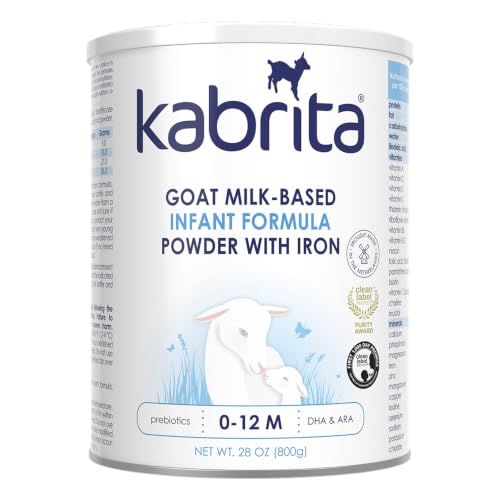
Kabrita Goat Milk Infant Formula

TruHeight Growth Gummies, Grape

TruHeight Growth Protein Shake, Chocolate
The Strengths Of Each Pick
Enfagrow Premium Toddler Milk fits children ages 1 to 3, a different stage from the infant formulas below. Its real-milk base and 6 grams of protein per serving make it a practical drink for families moving beyond infant formula, while the four 24-ounce cartons support pantry planning.
Each serving includes 26 mg of DHA, an omega-3 fatty acid used to support brain and eye development, plus iron and protein. Prebiotics, fermentable fibers that nourish beneficial gut bacteria, add another consideration during the toddler transition.
What It Does Well
- Real milk creates a familiar base for toddlers moving away from infant formula.
- Six grams of protein per serving make the drink more substantial than plain milk alone.
- DHA, iron, protein, and 19 additional nutrients offer broad nutritional coverage.
- Four 24-ounce containers suit families who want a steady pantry supply.
Practical Considerations
- The stated age range begins at 1 year, so it does not replace infant formula.
- Four 24-ounce containers require storage space and regular preparation.
Key Specs
Made For
Toddlers ages 1 to 3 whose families want a milk-based drink with added protein and key nutrients.
A Better Fit Elsewhere
Bobbie Organic Combo Feeding Kit suits babies under one who need infant formula alongside vitamin D drops.
The Bobbie Organic Combo Feeding Kit addresses a specific transition: families who combine breast milk with formula or want supplemental drops nearby. It includes 14.1 ounces of organic infant formula and 0.3 fluid ounces of vitamin D drops, keeping both essentials within one kit.
The formula contains DHA, iron, choline, and vitamin D, while the drops provide 400 IU across three drops. That measured drop format is useful for exclusively breastfed infants whose caregivers have been directed to add vitamin D.
Notable Gains
- The bundle covers both formula feeding and vitamin D supplementation.
- Three drops deliver the stated 400 IU amount for easier portioning.
- Choline, DHA, iron, and vitamin D broaden the formula’s nutrient profile.
Trade Offs
- The formula is intended for infancy, not toddlers who have moved to milk drinks.
- The kit includes only one 14.1-ounce formula container, so routine feeding may require additional packages.
- The drops are most directly relevant to exclusively breastfed infants.
Feature Snapshot
Built With In Mind
Families combining breast milk and formula, or exclusively breastfeeding with pediatric guidance about vitamin D.
Consider Something Else When
Kabrita Goat Milk Infant Formula is a stronger fit for families specifically seeking a goat-milk-based infant formula.
TruHeight Sleep Gummies serve a narrower purpose than the milk drinks and protein powder in this roundup. The formula combines 1 mg of melatonin with L-theanine, lemon balm, and ashwagandha for children and teens ages 4 and up.
The suggested use is two gummies about 30 minutes before bedtime, with thorough chewing. In a household where an older child struggles to settle at night, that simple routine may be more appealing than another large drink container, though it does not add meaningful meal-level nutrition.
Strengths Worth Knowing
- The mixed-berry gummies offer a small, convenient format for children who resist drinks.
- The ingredient panel centers on four recognizable sleep-oriented components.
Points To Note
- This is a sleep supplement, not a milk drink or a replacement for regular meals.
- Melatonin belongs in a pediatric care plan rather than a casual trial.
- Gummies must be chewed fully, and children under 4 are outside the stated age range.
Right Fit For
Children ages 4 to 18 whose caregivers have discussed a bedtime supplement with their pediatrician.
Another Choice May Suit
TruHeight Growth Gummies, Grape fits older children whose priority is a daily vitamin and mineral supplement rather than bedtime support.
Kabrita brings a different ingredient profile to infant feeding because its formula is based on European goat milk. Goat milk naturally contains A2 protein, a protein type that forms softer curds during digestion than cow-milk proteins, making this option worth considering for infants from birth through 12 months.
That digestion-focused design is the central reason to choose it over a standard cow-milk formula. The 28-ounce container offers a familiar powder format, while the non-GMO positioning adds another purchasing consideration.
Where It Excels
- Goat-milk A2 protein gives families a meaningful reason to consider this formula.
- Soft curds are designed to support easier digestion in healthy infants.
- The stated age range covers newborns through 12 months.
- A 28-ounce container provides a straightforward starting quantity.
Small Caveats
- The age range ends at 12 months, so a toddler milk becomes the more relevant choice afterward.
Technical Reference
Who Will Love This
Parents of infants seeking a goat-milk-based formula with an emphasis on gentle digestion.
Look Elsewhere When
Enfagrow Premium Toddler Milk 4-Pack fits children ages 1 to 3 who have moved beyond infant formula.
TruHeight Growth Gummies shift the discussion from milk-based nutrition to a multivitamin-style supplement for children and teens. The grape gummies include vitamin D, vitamin K, calcium, and ashwagandha, and the stated age range begins at 5.
For a child who accepts gummies more readily than a large glass, the format can make a daily supplement routine easier. Still, the honest read is that these gummies fill a vitamin and mineral gap; they do not function as a meal or a source of substantial protein.
Where It Delivers
- Grape gummies may be easier to include than a powder or full-sized drink.
- Vitamin D, vitamin K, and calcium provide a focused mineral blend.
- The 60-count format supports an extended routine.
Where It May Fall Short
- The minimum stated age is 5, excluding toddlers and most infants.
- Gummies do not replace meals, formula, or another complete nutrition source.
- Families must account for gummy storage and prevent young siblings from treating them like candy.
The Right Fit
Children ages 5 and up who accept gummies and need a daily vitamin and mineral supplement.
Where A Sibling Pick Shines
TruHeight Growth Protein Shake, Chocolate offers a more substantial protein source for children who struggle with solid-food portions.
The chocolate-flavored TruHeight Growth Protein Shake brings the most direct protein-focused format in this group. Each serving provides 16 grams of whey protein, a milk-derived protein, plus 18 vitamins and minerals for children and teens ages 4 and up.
Calcium, magnesium, and vitamin D round out the nutrient profile, and the source describes the shake as containing less than half the sugar of conventional children’s products. For an older child who skips meals but accepts a chocolate drink, that combination may be easier to incorporate than gummies or a substantial toddler milk serving.
The Helpful Details
- Sixteen grams of whey protein makes the shake more filling than plain milk.
- Eighteen vitamins and minerals broaden the daily nutrition profile.
- Calcium, magnesium, and vitamin D cover several common nutrient categories.
- Chocolate milk flavor suits older children better than a plain powder.
Details To Watch
- The stated age range starts at 4, so it does not fit infant feeding.
- A shake adds nutrients but does not replace a varied diet and regular meals.
Feature Facts
Whose Shelf It Belongs On
Families with children ages 4 and up who need an easier-to-drink source of protein and micronutrients.
Reach For A Different Pick When
TruHeight Growth Gummies, Grape is the easier choice for a child who refuses drinks but readily accepts gummies.
Feeding Goals By Age And Format
Start with the child’s developmental stage because the age limits differ sharply across this roundup. Infant formula serves birth through the first year, while Enfagrow Premium Toddler Milk is positioned for ages 1 to 3. The TruHeight products begin at age 4 or 5, depending on the format.
Match The Product To The Feeding Task
Formula or toddler milk works best as part of an established feeding routine. A protein shake becomes relevant when an older child needs a convenient protein source alongside regular meals, while gummies fill a much smaller supplemental role.
Review preparation and storage as part of the decision. Powder formulas require label-directed preparation, and multiple 24-ounce toddler-milk containers take more pantry space than a small gummy bottle. Protein powder also requires mixing and appropriate refrigeration depending on the prepared drink.
Compare Nutrients Rather Than Marketing Language
Protein, fat, carbohydrates, vitamins, and minerals all contribute to a complete feeding plan, but no single label answers every growth question. DHA, iron, choline, calcium, and vitamin D each serve different purposes, making quantity and age suitability more useful than a broad growth-oriented label.
Keep Pediatric Guidance At The Center
Your pediatrician can assess weight trends, feeding history, digestion, and any underlying concern before you change a formula or add a supplement. That guidance also helps you avoid layering milk drinks, gummies, and shakes that duplicate nutrients without filling a genuine gap.
Practical Checks Before You Choose
Mistakes Worth Dodging
A common mistake is treating a growth supplement as a meal replacement or choosing a product outside the child’s age range. Another is focusing on a growth-themed label without comparing protein amounts, serving sizes, preparation, and your child’s actual intake.
What Separates Premium From Basic
Higher costs may reflect organic sourcing, specialty protein types, bundled nutrients, or larger package formats. Those features can matter when they match a specific feeding need, but paying more does not automatically make a product more suitable for your child.
Frequently Asked Questions
Can Formula Milk Help A Baby Gain Weight?
Formula can contribute calories and nutrients, but the right approach depends on your baby’s age, intake, and growth pattern. Your pediatrician should evaluate persistent weight concerns before you change the feeding plan.
When Should A Child Move From Formula To Toddler Milk?
Most children make the transition around 12 months, depending on their development and dietary needs. Enfagrow Premium Toddler Milk is specifically labeled for ages 1 to 3.
Is Goat Milk Formula Easier To Digest?
Kabrita uses naturally occurring A2 protein, which forms softer curds during digestion than cow-milk proteins. Your baby’s response still matters, so discuss formula changes with their pediatrician.
Do Growth Gummies Replace Meals Or Formula?
No, gummies provide a small supplement rather than the balanced nutrition found in formula, milk, or a full meal. They can complement an adequate diet without replacing its main nutrition sources.
When Is A Protein Shake More Useful Than Gummies?
A protein shake becomes more useful when an older child needs a larger protein source and readily accepts a drink. Gummies work better for children who prefer small supplements but may need help consuming enough food overall.
Closing Remarks
The strongest match depends on age and feeding behavior, not simply the word “growth” on a label. Bobbie and Kabrita fit infancy, Enfagrow serves toddlers, and the TruHeight options target older children who need a supplement or protein shake. Match the format, ingredients, and age guidance to your child’s established routine, then let pediatric advice shape the final decision.
