

Frozen fish can cook fast, taste fresh, and cut kitchen waste. These five picks deliver reliable texture and straightforward cooking methods.
I cover skinless tilapia, battered fillets, yellowfin tuna steaks, and catfish for different meals. Quick tips on labels, certifications, and simple prep help speed dinner without sacrificing flavor.
| Amazon Fresh Tilapia Skinless Fillets Frozen (2 lb) |

| Family Staple | Product Type: Skinless tilapia fillets | Frozen Format: Frozen, resealable bag | Packaging Size / Weight: 2 lb value pack | VIEW LATEST PRICE | Read Our Analysis |
| Gorton’s Crispy Battered Fish Portions 24.5 oz (Frozen) |
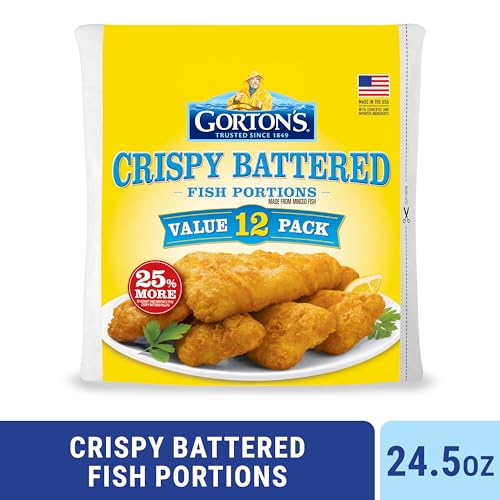
| Ready-to-Crisp | Product Type: Crispy battered fish portions (fillets) | Frozen Format: Frozen (box/bag), ready-to-cook | Packaging Size / Weight: 24.5 oz (1.53 lb) | VIEW LATEST PRICE | Read Our Analysis |
| Amazon Fresh Wild Caught Yellowfin Tuna Steaks (12 oz) |

| Grill-Ready Premium | Product Type: Yellowfin tuna steaks | Frozen Format: Frozen, resealable bag | Packaging Size / Weight: 12 oz | VIEW LATEST PRICE | Read Our Analysis |
| Amazon Grocery Skinless Tilapia Fillets 12 oz |

| Quick Weeknight | Product Type: Skinless tilapia fillets | Frozen Format: Previously frozen (tray pack) | Packaging Size / Weight: 12 oz | VIEW LATEST PRICE | Read Our Analysis |
| Amazon Fresh Boneless Skinless Catfish Fillets (1 lb) |

| Mild & Versatile | Product Type: Boneless skinless catfish fillets | Frozen Format: Frozen, resealable bag | Packaging Size / Weight: 1 lb (16 oz) | VIEW LATEST PRICE | Read Our Analysis |
More Details on Our Top Picks
Amazon Fresh Tilapia Skinless Fillets Frozen (2 lb)
Should you want an everyday frozen fish that’s easy on your wallet and simple to cook, Amazon Fresh Tilapia Skinless Fillets are a smart pick for busy households. You’ll appreciate the individually vacuum sealed fillets in a resealable 2 lb bag because they cut waste and make meal planning easy. They’re skinless and phosphate free, so you can cook simply and feel good about light, nutritious meals. The fish is responsibly sourced and 4-Star Certified through Best Aquaculture Practices, which gives you quiet confidence. You can thaw one fillet at a time and enjoy quick, tasty dinners with minimal fuss.
- Product Type:Skinless tilapia fillets
- Frozen Format:Frozen, resealable bag
- Packaging Size / Weight:2 lb value pack
- Preparation / Cooking Use:Grill, bake, broil, sauté (versatile)
- Sourcing / Sustainability Claim:Responsibly sourced; 4‑Star Best Aquaculture Practices
- Phosphate / Additive Note:Phosphate free
- Additional Feature:Individually vacuum sealed
- Additional Feature:Resealable value pack
- Additional Feature:4-Star BAP certified
Gorton’s Crispy Battered Fish Portions 24.5 oz (Frozen)
Should you want a quick, satisfying seafood dinner that still feels a little special, Gorton’s Crispy Battered Fish Portions are a great pick because they give you a golden, crunchy outside and a flaky, moist inside with almost no fuss. You’ll appreciate that the 24.5 ounce pack keeps meals simple and reliable. The fillets have no artificial colors or flavors, no hydrogenated oils, and come from antibiotic-free fish, so you feel better about serving them. Oven or air fryer work, with the fryer giving extra crunch. Gorton’s roots in Gloucester show care for quality and ocean stewardship.
- Product Type:Crispy battered fish portions (fillets)
- Frozen Format:Frozen (box/bag), ready-to-cook
- Packaging Size / Weight:24.5 oz (1.53 lb)
- Preparation / Cooking Use:Oven or air fryer (ready-to-cook, crisp)
- Sourcing / Sustainability Claim:Responsible sourcing; company sustainability/ ocean preservation commitments
- Phosphate / Additive Note:No artificial colors or flavors; no hydrogenated oils (clean ingredient claims)
- Additional Feature:Oven or air-fryer friendly
- Additional Feature:No artificial colors/flavors
- Additional Feature:Longstanding New England brand
Amazon Fresh Wild Caught Yellowfin Tuna Steaks (12 oz)
Should you want a hearty, grill-ready tuna that’s easy on your wallet and kinder to the ocean, Amazon Fresh Wild Caught Yellowfin Tuna Steaks are a smart pick for home cooks who care about quality and sustainability. You’ll appreciate the MSC certification and sustainable sourcing, which makes you feel good about serving it to family. The steaks come frozen in a 12-ounce resealable bag with individual vacuum packs, so you only thaw what you need. They’re phosphate free and meaty, so you can grill, sear, or slice them for salads. The packaging cuts waste and fits everyday budgets.
- Product Type:Yellowfin tuna steaks
- Frozen Format:Frozen, resealable bag
- Packaging Size / Weight:12 oz
- Preparation / Cooking Use:Grill (meaty, good for grilling)
- Sourcing / Sustainability Claim:Sustainably sourced; Marine Stewardship Council certified
- Phosphate / Additive Note:Phosphate free
- Additional Feature:MSC certified sustainable
- Additional Feature:Meaty, grill-ready steaks
- Additional Feature:Individually vacuum sealed
Amazon Grocery Skinless Tilapia Fillets 12 oz
In case you want a simple, dependable frozen fish that fits weeknight cooking and picky eaters, Amazon Grocery Skinless Tilapia Fillets are a smart pick. You’ll get a 12-ounce tray of previously frozen, skinless, farm-raised tilapia that cooks fast and behaves well with simple flavors. You can grill, bake, broil, or sauté it, and it won’t fight the rest of the meal. Packaging might show the old Fresh brand during a changeover, but the fish and ingredients stay the same. Amazon Grocery bundles common staples, so you can grab this fillet and get dinner on the table tonight.
- Product Type:Skinless tilapia fillets
- Frozen Format:Previously frozen (tray pack)
- Packaging Size / Weight:12 oz
- Preparation / Cooking Use:Grill, bake, broil, sauté (everyday meals)
- Sourcing / Sustainability Claim:Farm‑raised (sourcing noted; packaging transition)
- Phosphate / Additive Note:Ingredients/product same as before (no added phosphates noted)
- Additional Feature:Tray pack presentation
- Additional Feature:Previously frozen product
- Additional Feature:Packaging transition notice
Amazon Fresh Boneless Skinless Catfish Fillets (1 lb)
Provided that you want an easy, everyday frozen fillet that cooks quickly and tastes like fresh-caught catfish, Amazon Fresh Boneless Skinless Catfish Fillets are a strong pick for busy home cooks and families. You’ll appreciate the resealable 1 lb bag that keeps portions handy and reduces waste. The fillets are boneless and skinless, with a sweet, mild flavor that adapts to grilling, baking, broiling, or pan-frying. They’re farm-raised and responsibly sourced, with 4-Star Best Aquaculture Practices certification, so you can feel good about serving them. The Fresh brand aims for quality without breaking your budget, making dinner simpler.
- Product Type:Boneless skinless catfish fillets
- Frozen Format:Frozen, resealable bag
- Packaging Size / Weight:1 lb (16 oz)
- Preparation / Cooking Use:Grill, bake, broil, pan-fry
- Sourcing / Sustainability Claim:Responsibly sourced; 4‑Star Best Aquaculture Practices
- Phosphate / Additive Note:(No phosphates mentioned; marketed as boneless skinless fillets with clean profile)
- Additional Feature:Sweet, mild flavor
- Additional Feature:4-Star BAP certified
- Additional Feature:Farm-raised portions
Factors to Consider When Choosing Frozen Fish
At the time you pick frozen fish, consider where it came from and whether it was caught or farmed, because that shapes sustainability and taste. Check how fresh it was and how it was processed, then compare species for flavor and nutrition so you get the texture and protein you want. Also scan the label for added ingredients or preservatives, since those can change flavor and health value.
Source And Sustainability
Because you want frozen fish that’s good for the sea and for your family, start checking from where it came from and how it was caught or raised. Look for third-party certifications like MSC for wild-caught or BAP for farmed fish so you know an independent group checked stock health and practices. Observe whether the fish is wild or farmed, since each has different risks for overfishing, feed use, and disease. Pay attention to catch or harvest methods such as pole-and-line, longline, trawl, or net-pen because gear affects bycatch and habitat harm. Prefer species with stable or rising population assessments and avoid those listed as overfished. Finally, choose products with clear traceability details to reduce the chance of illegal or unreported seafood.
Freshness And Processing
In case you want frozen fish that tastes like it just came off the boat, start by checking how it was frozen and handled, because those steps lock in the texture and flavor you’ll observe at the dinner table. Look for flash-frozen or IQF labeling since rapid freezing keeps ice crystals tiny and prevents mushy flakes. Next, check packaging. Vacuum-sealed, airtight, or resealable bags cut oxygen exposure and stop freezer burn that ruins taste. Scan labels for processing, harvest, or frozen-on dates so you know how long it sat in storage. Prefer phosphate-free or minimal-preservative claims if you want cleaner flavor and natural texture. Also take into account whether pieces are whole, skinless, boneless, or individually portioned because gentler handling usually means better quality and less fuss at home.
Species And Flavor
Freshness and handling set you up for a great meal, but the species you pick will decide the taste and mouthfeel once it hits the plate. You’ll notice mild fish like tilapia and cod barely compete with sauces, while salmon and tuna give richer, more satisfying flavor. Fat content matters because oily fish stay moist and taste fuller, while lean fish flake and feel light. Wild caught versus farm raised shifts complexity too, with wild often tasting bolder and farm raised staying consistent. Consider texture at the moment you choose: meaty tuna or swordfish hold up to high heat, while delicate sole or flounder need gentle cooking. Also expect seasonal and regional shifts that change flavor slightly.
Nutritional Profile
In case you select frozen fish, consider what your body and taste buds need most so you get both flavor and nutrition on your plate. To begin, check protein per serving. Most white fillets give about 20 to 25 g per 3 to 4 oz cooked portion, so they help meet daily needs without extra calories. Next, compare omega-3 levels. Fatty fish like salmon and mackerel often supply 1,000 to 2,000 plus mg EPA and DHA per serving, while white fish provide much less. Also look at calories and total fat. Lean fillets run about 70 to 120 kcal and low fat, while fattier species can be 150 to 250 kcal. Lastly read sodium and ingredient lists to avoid added salt, oils, or breading.
Additives And Ingredients
While you’re picking frozen fish, pay close attention to the ingredient list because those few words tell you what you’re really buying and eating. Scan for phosphates or polyphosphates like sodium tripolyphosphate or STPP. These keep fish moist but can increase weight with water. Also watch for glazing statements such as water, salt, or contains up to X% ice since they cut pure fish content. Prefer clean labels listing only fish and simple additions like salt, oil, or natural seasonings. Avoid preservatives or color additives such as sodium erythorbate or artificial colors that change taste or look. In case you have allergies, read for soy, wheat, dairy, or egg batters and other concealed ingredients before you buy.
Packaging And Portions
Consider the package the fish comes in and you’ll save time, money, and a lot of disappointment later. Whenever you pick frozen fish, look for individual vacuum-sealed portions or resealable bags so you only thaw what you need. That prevents freezer burn and keeps flavor intact. Pay attention to portion sizes like 4 to 6 ounce pieces to match meals and cut waste. Notice whether fillets lie flat or are stacked; at the time wrapped pieces thaw evenly and separate easily. Check the label for number of portions or net weight per portion so you can compare cost per serving and plan meals. Also prefer sturdy trays and zip closures that protect fillets from crushing and limit moisture loss during storage.
Cooking Versatility
Consider about how you like to cook and the frozen fish you buy will make your meals easier and tastier. Ponder about thickness and portioning foremost. Uniform thickness and individually sealed pieces thaw evenly, so you can grill, bake, pan-fry, or broil without guesswork. Next, match species to method. Firm, meaty cuts like tuna or swordfish hold up to high heat and searing, while thin, flaky fish like tilapia and sole work fast for baking, sautéing, tacos, or sandwiches. Pay attention to skin status. Skin-on crisps under high heat and adds flavor, while skinless is kinder for battering or delicate dishes. Should you like rare sears or ceviche, choose phosphate-free or minimally treated fish to keep natural texture and taste.
Price And Value
Money matters more than we like to admit while picking frozen fish, so start beside looking past the sticker price and comparing cost per pound or kilogram to see true value. You’ll want to check edible yield next. Skin, bones, and heavy trim cut into usable weight, so a cheaper package can cost more per cooked portion. Also notice packaging style. Individually vacuum sealed or resealable packs cut waste and make portions cheaper over time. Consider about nutrition too. Higher omega-3 and protein can justify a slightly higher price because you get more health per serving. Finally, factor in thaw drip, trimming loss, and cooking energy. Those add up, so do quick math to know what you really pay per plate.
